SShortSingh.

Space

0
SpaceNASA ·

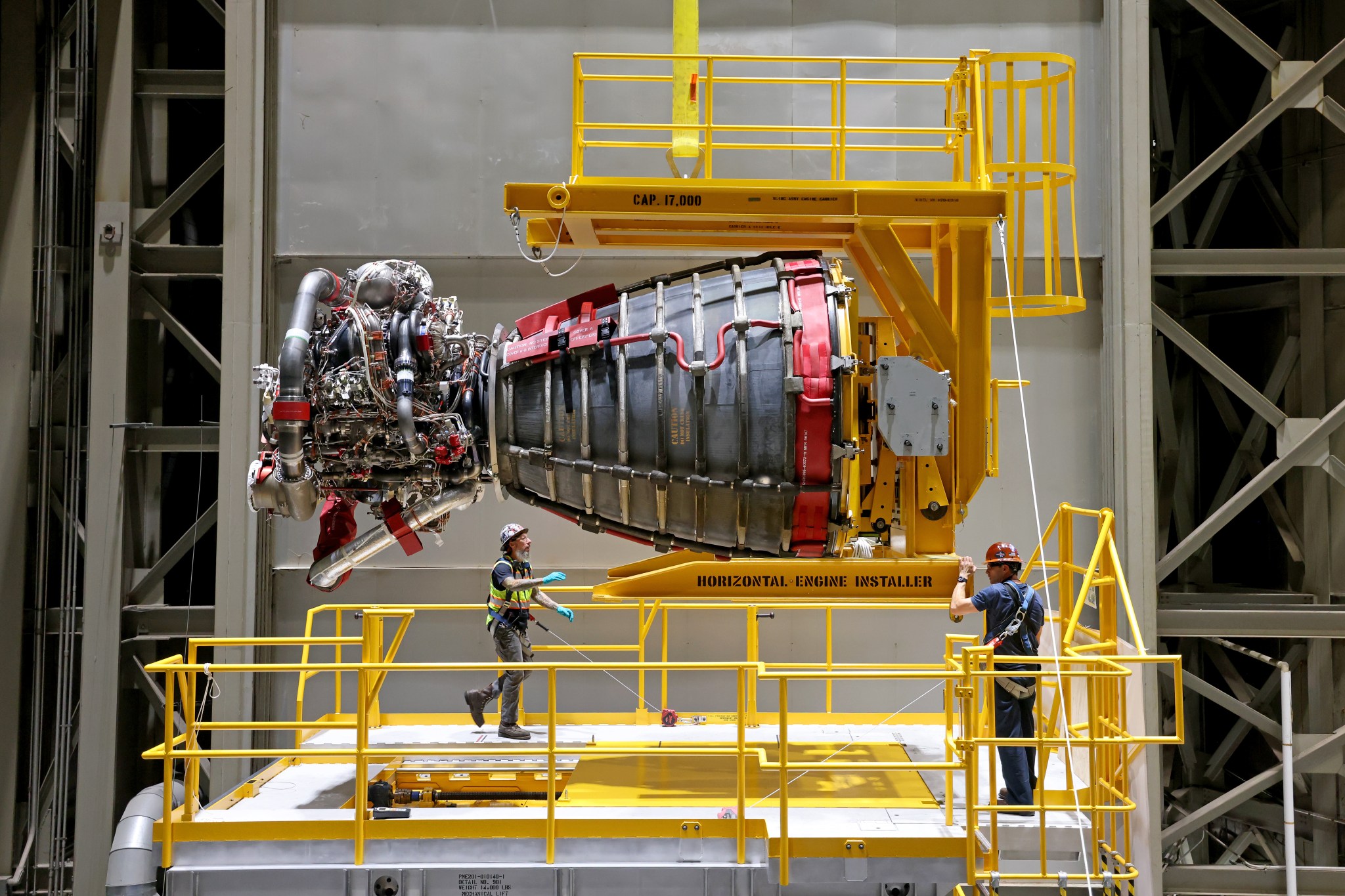
NASA Develops Passive Thermal Control System for Small Lunar Rovers

NASA is developing a new thermal management technology called ECLIPSE, designed to regulate temperatures in small, mobile lunar systems. Unlike existing solutions built for large infrastructure, ECLIPSE targets compact, independent devices that must operate without heaters or significant power supplies. The system aims to limit damaging temperature fluctuations that can stress hardware during lunar missions. It was developed in response to growing demand for disaggregated lunar infrastructure, where smaller units function autonomously. The innovation could be key to enabling reliable, low-power operations across future lunar exploration efforts.

0
SpaceNASA ·

NASA Backs Utah Research into High-Efficiency Nuclear Power for Deep Space

The University of Utah has received NASA backing to develop a new power system called the Plasmon-Enhanced Radioisotope Thermophotovoltaic (PRTPV) generator. The technology is designed to outperform existing Radioisotope Thermoelectric Generators (RTGs) currently used on deep-space missions. The proposed system targets a specific power output of 17 W/kg and a thermal-to-electric conversion efficiency exceeding 40%. These figures would represent a significant leap over the performance of conventional RTG technology. The advancement could make the PRTPV generator a viable power source for future interstellar missions.

0
SpaceNASA ·

NASA Works to Set Safe Dust Exposure Limits for Future Mars Crews

NASA is developing crew exposure limits for Martian dust ahead of future human missions to Mars. The fine particulate environment on Mars poses persistent health risks that are not yet fully understood. Since no actual Martian airborne dust samples have been returned to Earth, researchers are drawing on lunar dust toxicology studies, Martian soil simulants, and data collected by rovers and landers. This geochemical and mineralogical data forms the foundation for assessing the potential health implications of prolonged dust exposure on Mars.

0
SpaceNASA ·

NASA Develops Compact Particle Detection Instrument for CubeSat Missions

A team of NASA-sponsored researchers has created a new miniaturized instrument designed to measure high-energy particles in near-Earth space. The device uses miniaturized sensors arranged in a multi-view configuration, a design approach not previously seen in such instruments. It was built specifically for NASA's Relativistic Electron Atmospheric Loss (REAL) CubeSat mission. The instrument, also referred to as REAL, is intended to deliver more complete and high-fidelity measurements of energetic particles. Its compact form factor makes it well-suited for deployment on small satellites known as CubeSats.

0
SpaceNASA ·

Bedrock and River Sediment Shape Maine's Contrasting Coastlines

Maine's coastline displays a striking split in character on either side of Portland. West of the city, sandy shorelines dominate, while the northeastern coast turns rocky and jagged. NASA highlights that variations in underlying bedrock geology are a key factor driving this difference. The way rivers carry and deposit sediment also plays a significant role in shaping the smoother western shores. Together, these natural processes explain why two stretches of the same state's coast look so distinct from each other.

0
SpaceNASA ·

NASA to Brief Media on SpaceX Crew-13 Space Station Rotation Mission

NASA and its partners are set to hold two press conferences on Monday, August 3, at Johnson Space Center in Houston regarding an upcoming crew rotation to the International Space Station. The first briefing, scheduled for 12 p.m. EDT, will feature mission leadership providing an overview of the SpaceX Crew-13 mission. A second session will follow, during which the crew members themselves will speak about the mission. The events are part of standard pre-mission communications ahead of the planned crew rotation flight.

0
SpaceNASA ·

NASA and GE Aerospace Fly Megawatt Hybrid-Electric Engine at Farnborough Airshow

NASA and GE Aerospace have successfully demonstrated a megawatt-class hybrid-electric engine in flight, marking a significant milestone in aviation propulsion technology. The experimental engine was mounted to a Saab 340B aircraft for the demonstration. The flight took place at the Farnborough International Air Show in the United Kingdom. The collaboration aims to advance fuel-saving aircraft power systems that could influence future generations of commercial aviation.

0
SpaceNASA ·

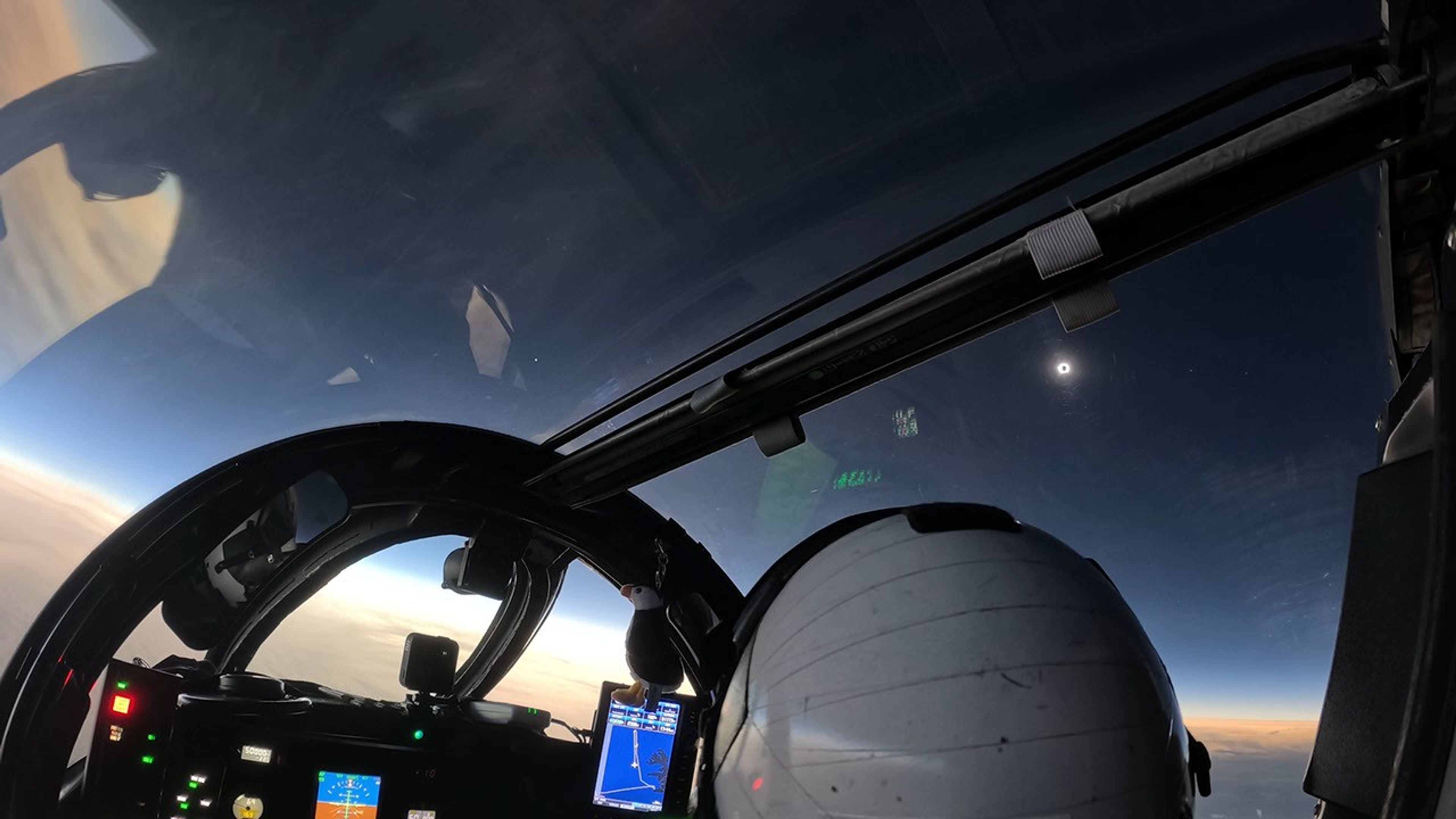
NASA Prepares to Launch Six New Airborne Earth Science Campaigns

NASA is gearing up to begin a series of six new airborne science missions focused on studying Earth. The campaigns will be conducted using aircraft equipped with scientific instruments to gather data about our planet. The first of these missions is scheduled to take flight this summer. These airborne campaigns are part of NASA's broader efforts to monitor and better understand Earth's systems and environment.

0
SpaceNASA ·

NASA Langley's Pivotal Role in Viking Mars Landings Marked at 50-Year Anniversary

Fifty years ago, NASA's Viking 1 and 2 spacecraft achieved the first successful landings on Mars, marking a landmark moment in planetary exploration. The missions were significantly supported by engineers and scientists at NASA's Langley Research Center, located in Hampton, Virginia. The Langley team provided critical technical leadership that helped transform an ambitious concept into a fully operational mission. Their contributions were instrumental in ensuring the landers safely reached the Martian surface. The Viking missions fundamentally changed humanity's understanding of Mars and set the foundation for future robotic exploration of the planet.

0
SpaceNASA ·

NASA's Viking 1 Captures First-Ever Images of Mars Surface in 1976

On July 20, 1976, NASA's Viking 1 lander successfully touched down on Mars at 5:12 a.m. PDT, marking a historic milestone in space exploration. Mission controllers at NASA's Jet Propulsion Laboratory celebrated as the spacecraft safely navigated through Mars's thin atmosphere. Approximately 40 minutes after landing, the lander began transmitting its first image of the Martian surface to scientists on Earth. The grainy picture appeared gradually on monitors, offering humanity its first direct visual glimpse of the Martian landscape.

0
SpaceNASA ·

Glaciers and Human Activity Shaped Seattle's Distinctive Landscape

Seattle, Washington, features a terrain of hills and basins that has been formed over time by natural and human forces. Glacial activity played a primary role in carving out the city's characteristic topography. Beyond natural processes, human intervention has further modified the landscape over the years. NASA highlighted Seattle's unique geography, drawing attention to how both geological and man-made factors have defined the region's physical character.

0
SpaceNASA ·

NASA Tests Experimental Truss-Braced Wing Design Beyond Its Structural Limits

NASA researchers have conducted a series of rigorous structural tests on a new experimental wing design called the Structural Wing Experiment Evaluating Truss-bracing, or SWEET-15. The wing features a long, thin profile with a lightweight truss-braced structure, measuring 15 feet in length. Engineers deliberately pushed the wing beyond its intended operational limits to determine how much stress it could withstand. The results of the tests left the research team encouraged about the design's structural potential and durability. The findings could inform the development of more efficient future aircraft wing configurations.

0
SpaceNASA ·

NASA Psyche Spacecraft Captures Mars Crescent Growing During Gravity Assist Flyby

NASA's Psyche mission captured a composite series of images showing Mars as the spacecraft approached the planet for a gravity assist maneuver. The images were taken between May 2 and May 15, 2026, documenting the planet's crescent shape growing progressively larger. The sequence begins with the smallest crescent when Mars was farthest from the spacecraft and expands as Psyche drew closer. A gravity assist uses a planet's gravitational pull to alter a spacecraft's speed and trajectory without expending fuel.

0
SpaceNASA ·

NASA Forms Working Group to Assess Blood Clot Risk in Astronauts

NASA's Office of the Chief Health and Medical Officer launched a working group in April 2026 to address the risk of venous thromboembolism (VTE) among astronauts. The group was established to review updated VTE case data and newly gathered information indicating altered blood flow patterns in a cohort of astronauts. The initiative also aims to evaluate ongoing research and clinical efforts designed to reduce clot-related risks during spaceflight. Developing a standardized VTE risk-scoring algorithm for astronauts is a key goal of this effort.

0
SpaceNASA ·

NASA Awards Ames Research Center Facilities Contract to Chugach Intelligence Solutions

NASA has selected Chugach Intelligence Solutions LLC to manage facilities support services at Ames Research Center, located in California's Silicon Valley. The contract, known as Ames Facilities Support Services II, covers operations, maintenance, and repair of the center's historic and specialized infrastructure. The agreement is structured as a hybrid contract with a five-year performance period. Its primary goal is to keep Ames Research Center fully operational and capable of supporting NASA's missions as well as tenant partners at the NASA Research Park.

0
SpaceNASA ·

NASA Telescopes Reveal New Details of Pulsar Inside Lighthouse Nebula

NASA released a composite image on July 9, 2026, capturing the region surrounding a pulsar within the Lighthouse Nebula. The pulsar is a rapidly spinning neutron star characterized by an exceptionally strong magnetic field. The image was produced by combining data from two NASA observatories: the Chandra X-ray Observatory, contributing purple X-ray imagery, and the Imaging X-ray Polarimetry Explorer (IXPE), contributing blue X-ray data. Together, the two instruments provide a multi-layered view of the high-energy environment around the pulsar.

0
SpaceNASA ·

NASA Opens Media Accreditation for Nancy Grace Roman Space Telescope Launch

NASA has opened media accreditation for the upcoming launch of the Nancy Grace Roman Space Telescope. The mission is scheduled to lift off no earlier than 7:20 a.m. Eastern Time on Sunday, August 30. Journalists and media outlets are invited to apply for credentials to cover the event. The Roman Space Telescope is a flagship NASA observatory designed to conduct wide-field infrared surveys of the universe. The launch marks a significant milestone in NASA's efforts to advance astrophysics research.

0
SpaceNASA ·

NASA Opens Media Accreditation for Roman Telescope and Crew-13 Launches

NASA has opened media accreditation for two upcoming missions launching in the coming months. The Nancy Grace Roman Space Telescope is scheduled to lift off no earlier than 7:20 a.m. EDT on August 30 aboard a SpaceX Falcon Heavy rocket. The launch will take place from Launch Complex 39A at Kennedy Space Center in Florida. NASA's SpaceX Crew-13 mission is also targeting a launch within the same general timeframe. Both missions represent significant upcoming milestones for the agency's human spaceflight and astrophysics programs.

0
SpaceNASA ·

NASA's Psyche Spacecraft Captures Enhanced-Color Images of Mars During Flyby

NASA's Psyche mission captured detailed images of the Martian surface during a flyby on May 15, 2026. The spacecraft's multispectral imager instrument recorded four individual images that were later combined into an enhanced-color mosaic. Psyche was traveling in a northeast-to-southwest direction across Mars during the imaging sequence. The entire image acquisition process took approximately six minutes to complete. The flyby marks a notable milestone for the mission as Psyche continues its journey through the solar system.

0
SpaceNASA ·

Mauritius Becomes 70th Nation to Sign NASA's Artemis Accords

The Republic of Mauritius has officially signed the Artemis Accords, becoming the 70th country to join the international agreement on responsible space exploration. The signing ceremony took place in Ébène, Mauritius, on Friday. NASA Deputy Administrator Matt Anderson delivered video remarks to mark the occasion. Mauritius is now the seventh African nation to commit to the Accords, which aim to establish norms for peaceful and transparent conduct in outer space.

← NewerPage 6 of 11Older →