SShortSingh.
Back to feed

NASA Runs Eight-Minute RS-25 Engine Test at Stennis for Artemis Missions

0
·7 views
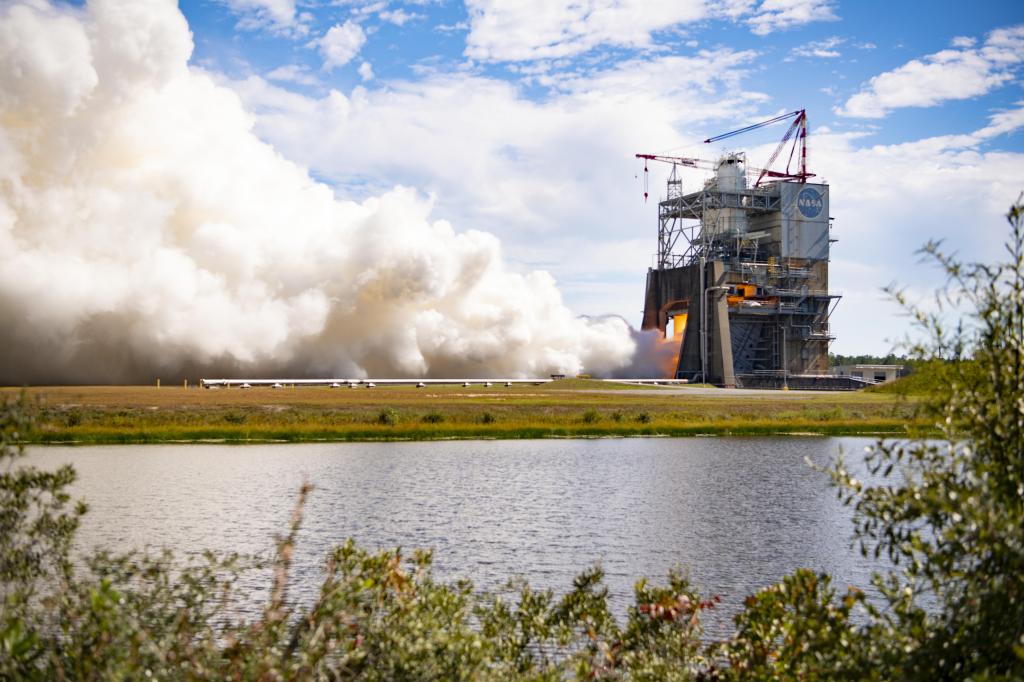
NASA tested developmental RS-25 engine No. 10001 on October 21 at the Fred Haise Test Stand in Mississippi's Stennis Space Center. The engine fired for about 500 seconds, matching the duration it runs during a Space Launch System launch. The test was conducted to support NASA's future Artemis missions. The article text provided was truncated, so further details about the test results are not included here.

Read the full story at NASA

This is an AI-generated summary. ShortSingh links to the original source for the complete article.


Discussion (0)

Log in to join the discussion and vote.

Log in

Related stories

0
SpaceNASA ·

NASA's JPL Marks 90 Years, Looking Ahead to Its Next Era of Exploration

The Jet Propulsion Laboratory traces its origins to rocket-propulsion experiments that Caltech graduate students and enthusiasts began in Pasadena's Arroyo Seco on October 31, 1936. Nine decades later, the lab, which Caltech manages on behalf of NASA, is focused on far more ambitious goals. Its planned work spans interstellar probes, lunar drones, and helicopters operating on Mars. The article frames these projects as a continuation of the innovation that began with those early pioneers. The lab's direction for the coming decades is presented as an extension of its long record of exploration.

0
SpaceNASA ·

NASA Plans Football Flyover at Alabama vs. Texas A&M Game

NASA will perform a flyover at the University of Alabama versus Texas A&M football game in Tuscaloosa on Saturday, October 24. The flyover is part of the agency's Inspiration Tour. NASA Administrator Jared Isaacman will pilot one of three F-5 fighter jets taking part. The event is meant to showcase NASA's work in aeronautics and its ongoing commitment to that field. The article is cut off, so further details are not available.

0
SpaceNASA ·

Perseverance Sets Record for Longest Drive on Another World

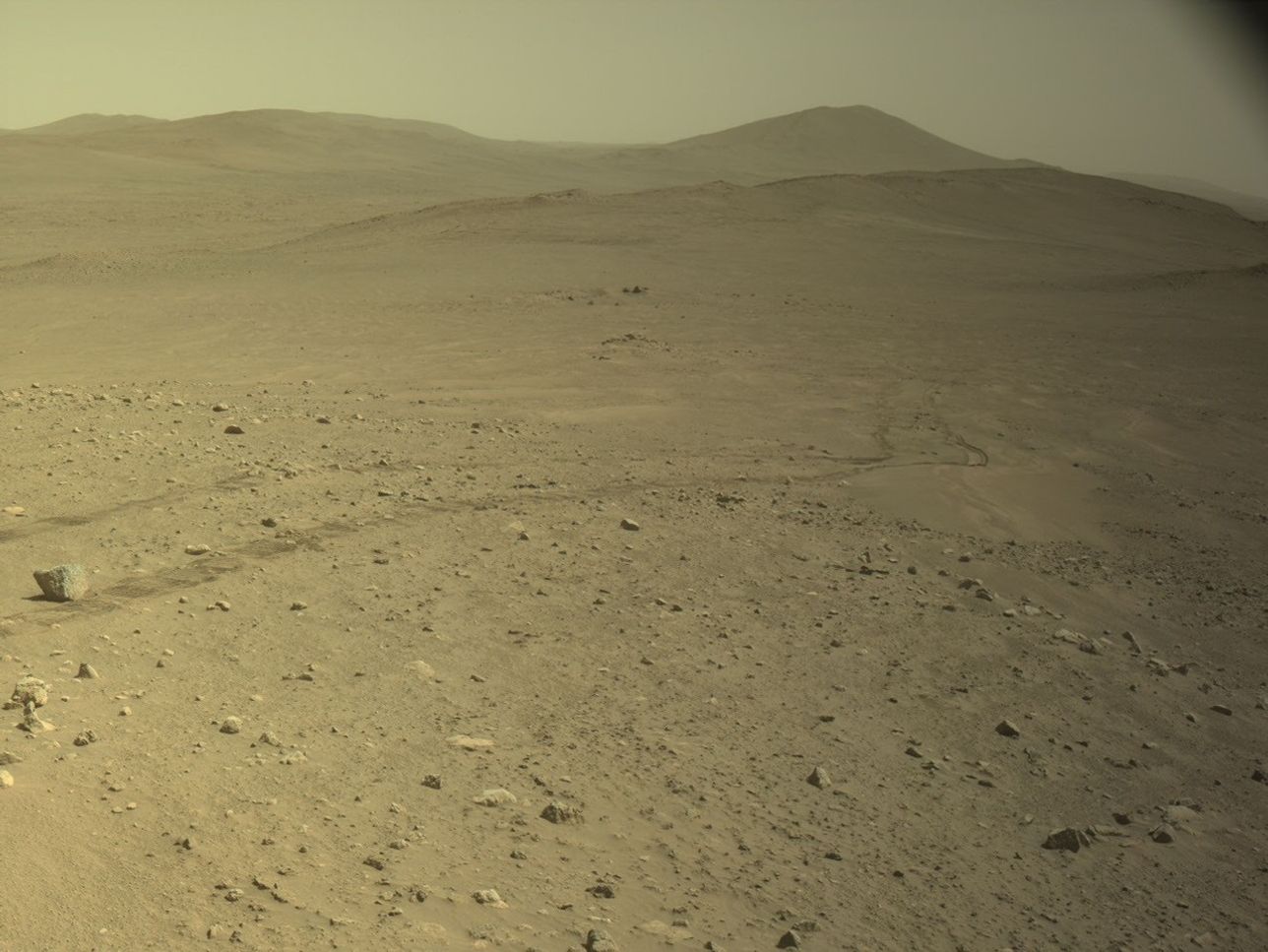
NASA's Perseverance rover has reached a major milestone on Mars, according to a blog post by Vandi Verma, Chief Engineer for Robotic Operations at NASA's Jet Propulsion Laboratory. On Sol 2006, which corresponds to October 11, 2026, the rover's odometer recorded 45.22 kilometers, or 28.10 miles. This total marks a new record for the greatest distance ever driven on a celestial body other than Earth. The update was published on October 12, 2026, following the team's previous blog entry.