SShortSingh.
Back to feed

NASA's JPL Marks 90 Years, Looking Ahead to Its Next Era of Exploration

0
·1 views

The Jet Propulsion Laboratory traces its origins to rocket-propulsion experiments that Caltech graduate students and enthusiasts began in Pasadena's Arroyo Seco on October 31, 1936. Nine decades later, the lab, which Caltech manages on behalf of NASA, is focused on far more ambitious goals. Its planned work spans interstellar probes, lunar drones, and helicopters operating on Mars. The article frames these projects as a continuation of the innovation that began with those early pioneers. The lab's direction for the coming decades is presented as an extension of its long record of exploration.

Read the full story at NASA

This is an AI-generated summary. ShortSingh links to the original source for the complete article.
Discussion (0)

Log in to join the discussion and vote.

Log in

Related stories

0
SpaceNASA ·

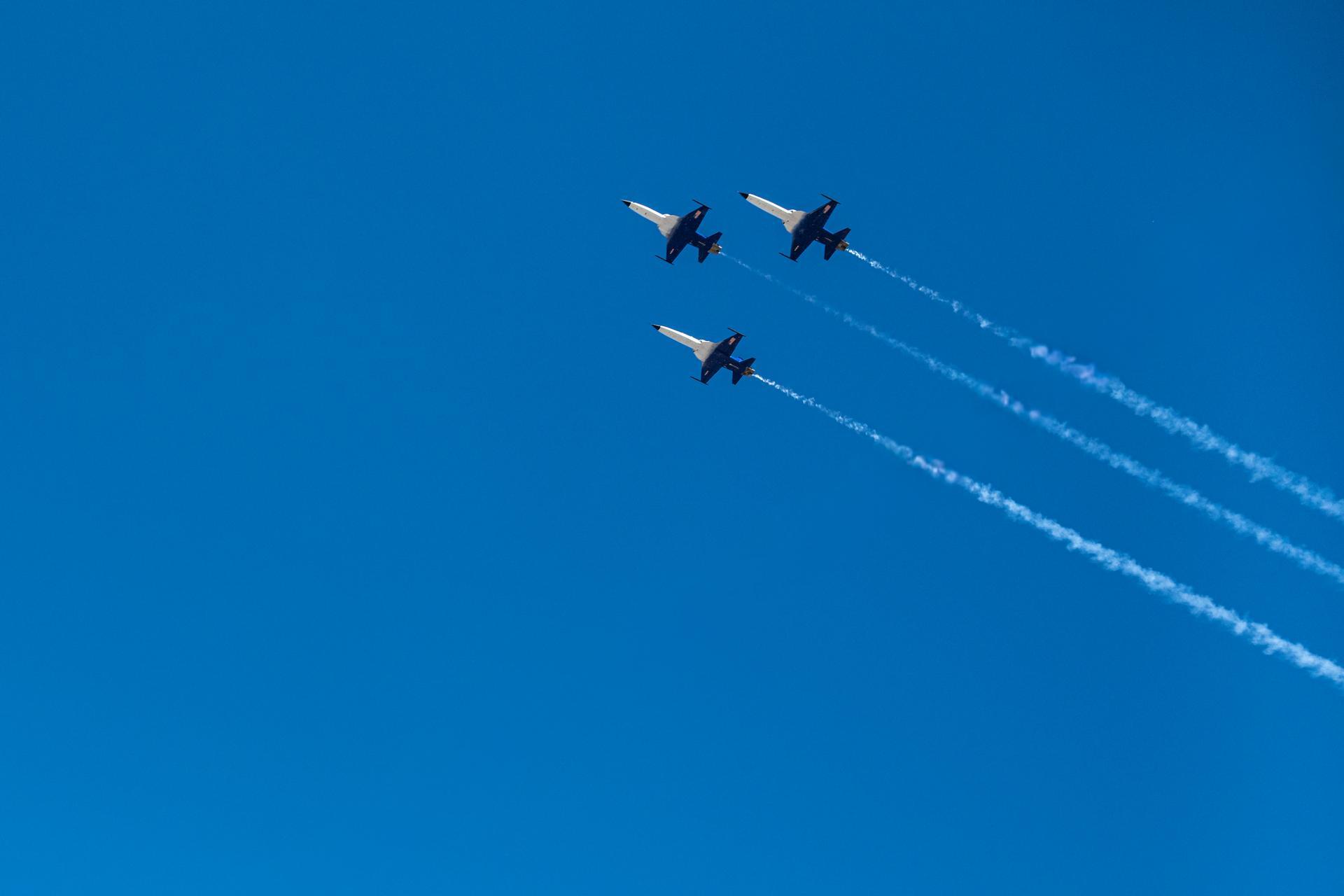
NASA Plans Football Flyover at Alabama vs. Texas A&M Game

NASA will perform a flyover at the University of Alabama versus Texas A&M football game in Tuscaloosa on Saturday, October 24. The flyover is part of the agency's Inspiration Tour. NASA Administrator Jared Isaacman will pilot one of three F-5 fighter jets taking part. The event is meant to showcase NASA's work in aeronautics and its ongoing commitment to that field. The article is cut off, so further details are not available.

0
SpaceNASA ·

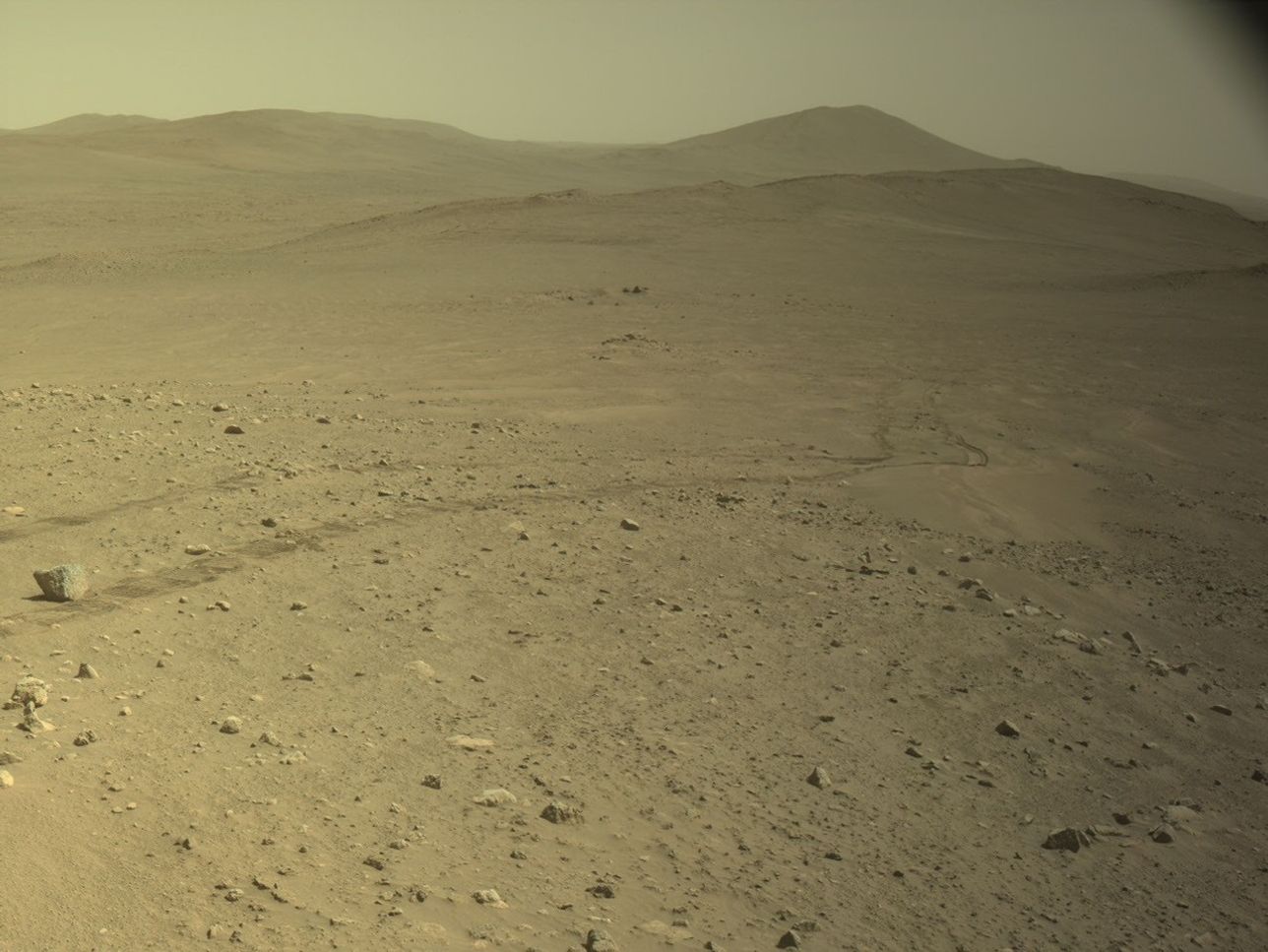
Perseverance Sets Record for Longest Drive on Another World

NASA's Perseverance rover has reached a major milestone on Mars, according to a blog post by Vandi Verma, Chief Engineer for Robotic Operations at NASA's Jet Propulsion Laboratory. On Sol 2006, which corresponds to October 11, 2026, the rover's odometer recorded 45.22 kilometers, or 28.10 miles. This total marks a new record for the greatest distance ever driven on a celestial body other than Earth. The update was published on October 12, 2026, following the team's previous blog entry.

0
SpaceNASA ·

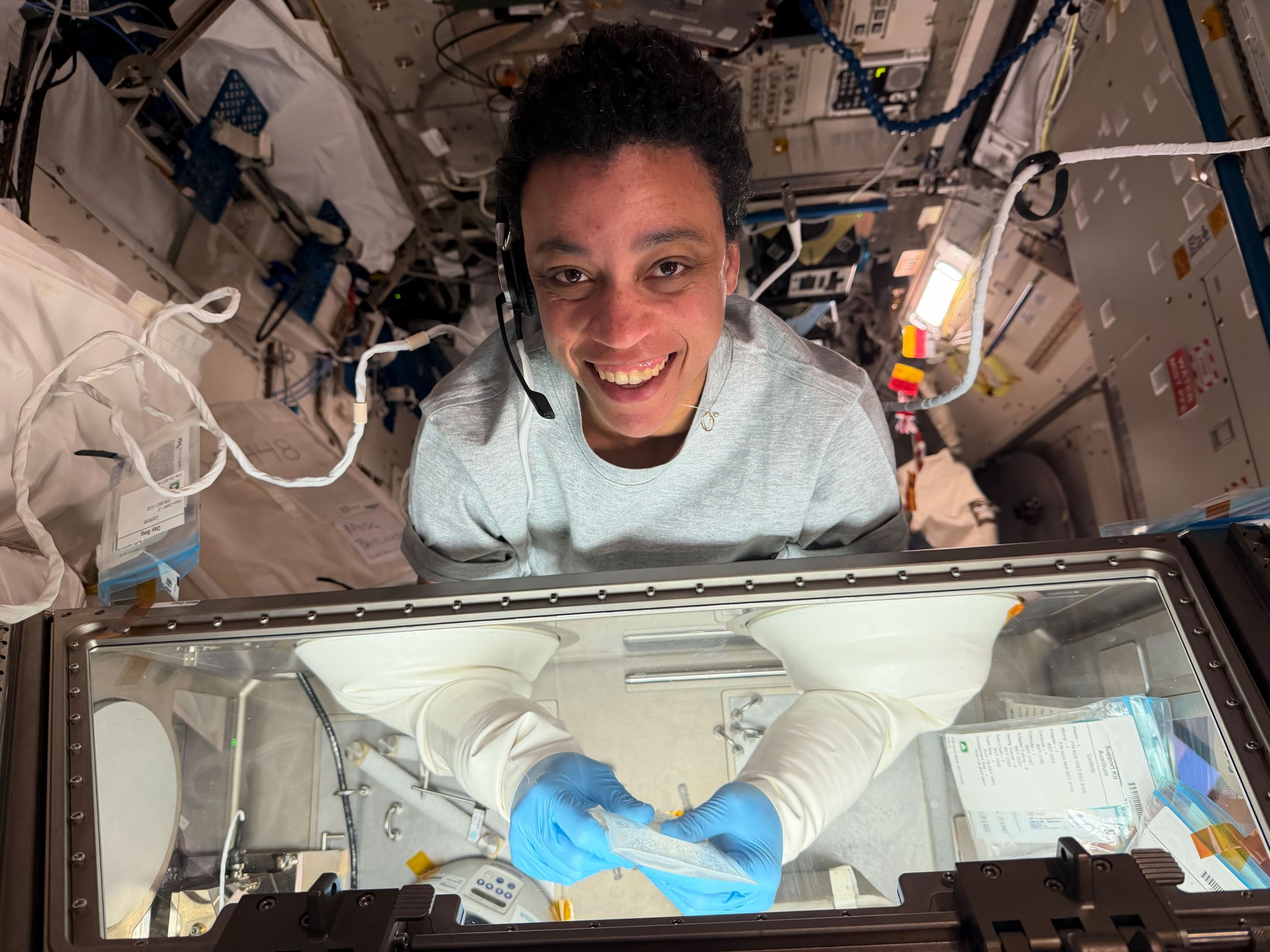
NASA Astronaut Jessica Watkins Prepares Cell-Ink Samples for Space Bioprinting

NASA astronaut Jessica Watkins, serving as a flight engineer on Expedition 75, worked aboard the International Space Station on October 9, 2026. Inside the Kibo laboratory module's Life Science Glovebox, she safely combined living cell samples with a bioink. She then loaded the cell-ink mixture into a specialized cartridge. These operations formed part of the InSPA-Auxilium Bioprinter-Cell Printing investigation, which examines 3D bioprinting in microgravity.

0
SpaceNASA ·

NASA's CASALS Instrument Aims to Fill Gaps in 3D Maps of Earth's Surface

Current space-based laser instruments collect Earth's forest and terrain measurements only along narrow lines, leaving vast areas unmeasured. Millions of acres of land therefore remain without direct scientific observation. NASA's CASALS instrument is designed to address this limitation by pairing machine learning with a compact lidar system. The combination would allow the instrument to adaptively sweep across large sections of the planet's surface. The approach is intended to produce more complete three-dimensional maps of Earth's terrain and vegetation.

NASA's JPL Marks 90 Years, Looking Ahead to Its Next Era of Exploration · ShortSingh