0
SpaceNASA ·
September 2026 Satellite Puzzler
Here’s the August 2026 puzzler. Quick, where is this? And what makes this place interesting or unique?
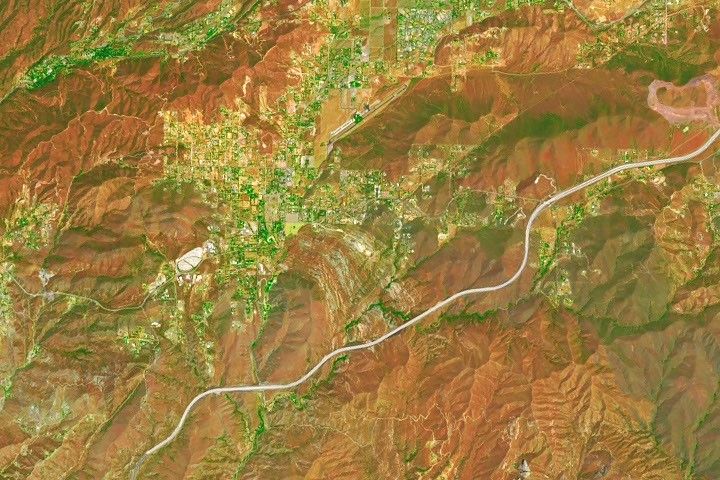
Here’s the August 2026 puzzler. Quick, where is this? And what makes this place interesting or unique?
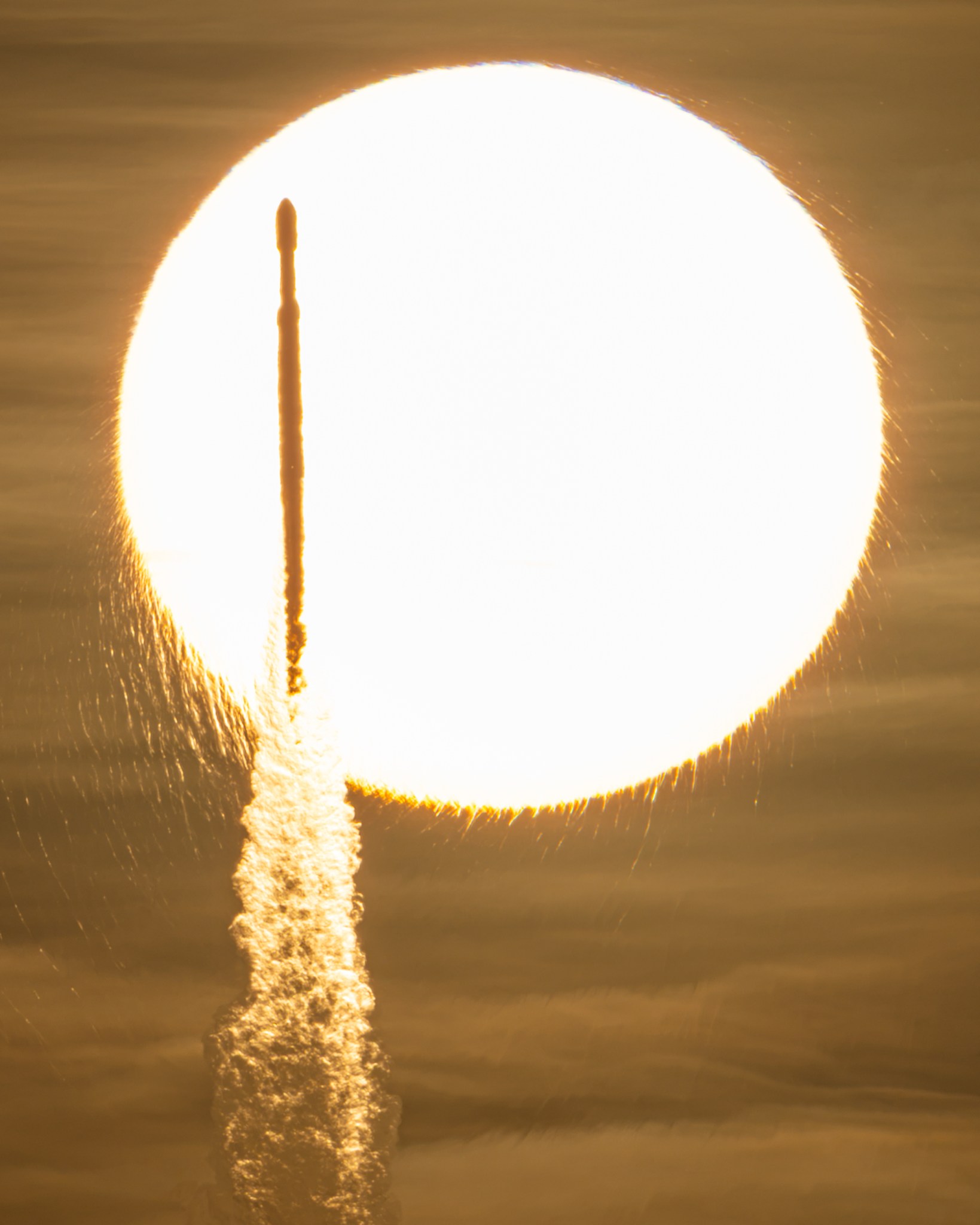
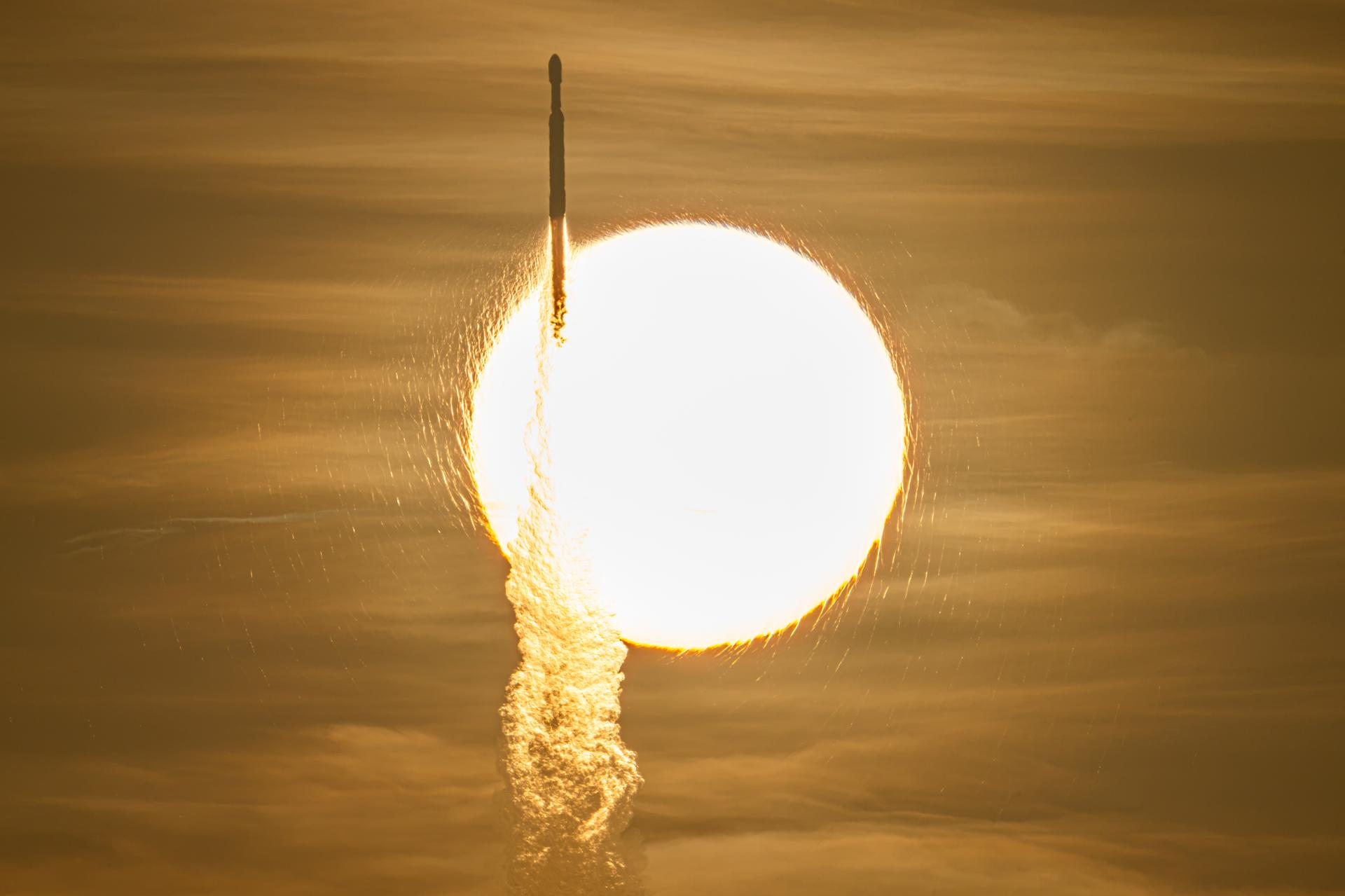
NASA's Nancy Grace Roman Space Telescope lifted off on a SpaceX Falcon Heavy rocket from Kennedy Space Center in Florida on August 30, 2026. The telescope is named after NASA's first chief astronomer, Nancy Grace Roman. Designed for wide-field astronomy, Roman offers a significantly larger field of view than the Hubble Space Telescope. Its primary mission will involve surveying billions of stars and galaxies across the universe.
NASA's Nancy Grace Roman Space Telescope is currently on a three-month journey from Earth to the Sun-Earth Lagrange Point 2 (L2). During this transit, the spacecraft is undergoing a commissioning process in which its systems are being powered on, adjusted, and calibrated. The commissioning phase allows scientists and engineers to verify that Roman is functioning as expected before it begins formal science operations. This critical preparation period ensures the telescope is fully ready to carry out its planned astronomical observations.
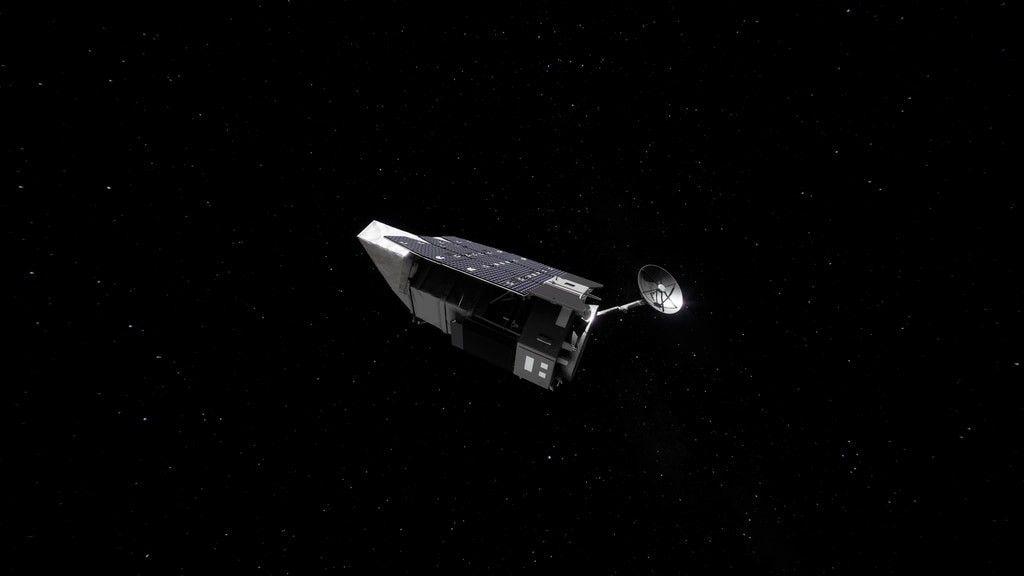
NASA's Nancy Grace Roman Space Telescope launched on August 31, 2026, marking a significant milestone in space astronomy. The event was commemorated as NASA's Astronomy Picture of the Day (APOD), a daily feature showcasing notable cosmic images with expert commentary. Roman is NASA's next-generation wide-field infrared observatory, designed to study dark energy, exoplanets, and the large-scale structure of the universe. The telescope is expected to dramatically expand humanity's view of the cosmos, capturing images far wider than those possible with the Hubble Space Telescope.
NASA officially opened Deep Space Station 23, a newly completed antenna at the Goldstone Deep Space Communications Complex near Barstow, California, on August 25, 2026. The ribbon-cutting ceremony brought together senior leadership from NASA Headquarters, the Jet Propulsion Laboratory, and the Deep Space Network. The new antenna is part of the DSN Aperture Enhancement Project, managed by JPL's Germaine Aziz. Deep Space Station 23 expands the network's capacity to communicate with spacecraft exploring the far reaches of the solar system. The addition strengthens NASA's ability to send and receive data from deep space missions around the globe.
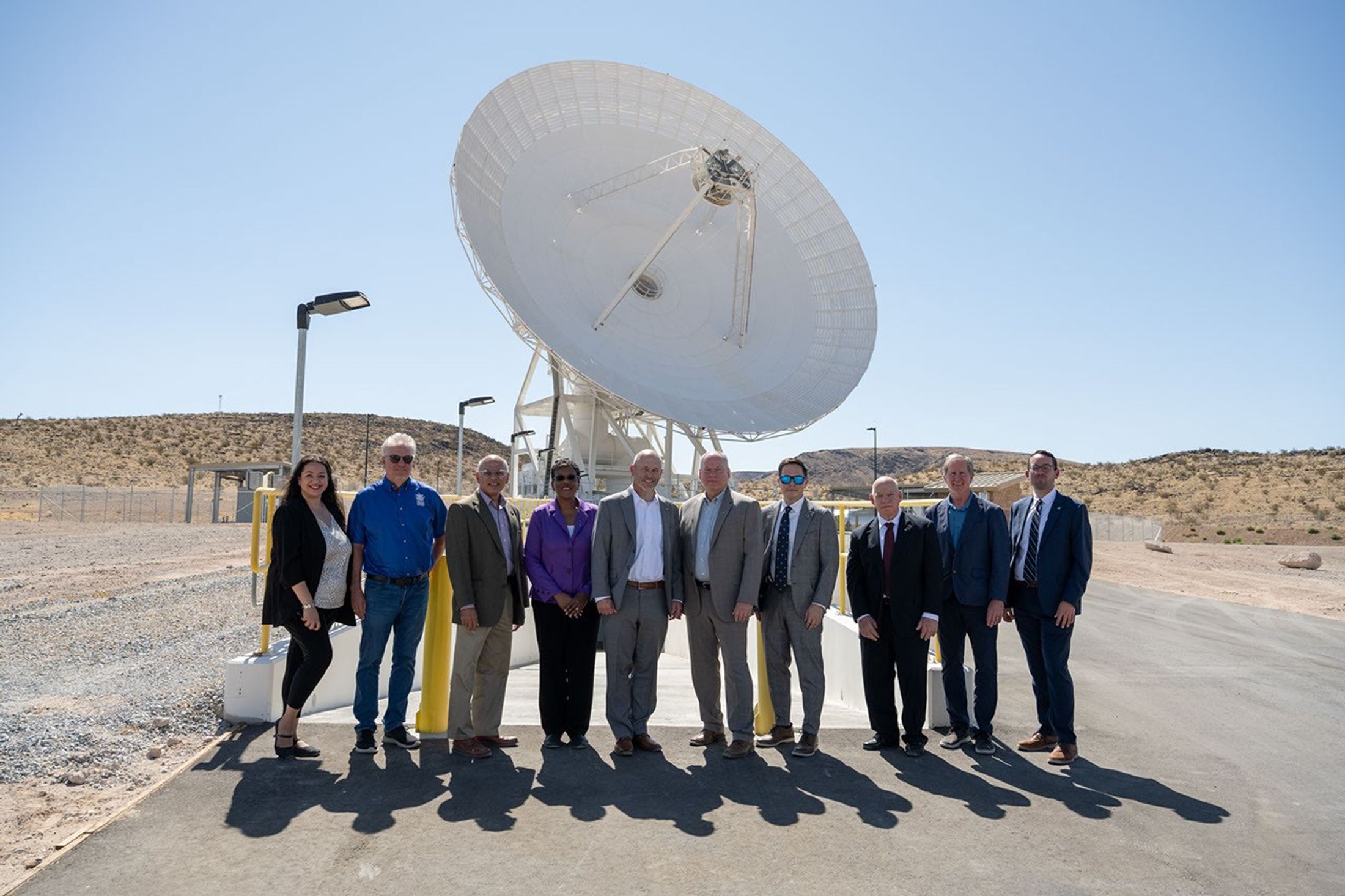
NASA has activated Deep Space Station 23 (DSS-23), a newly completed antenna at the Goldstone complex near Barstow, California. The structure stands 34 meters (114 feet) tall and operates as a multifrequency beam-waveguide antenna. It forms part of NASA's Deep Space Network, the global communications infrastructure used to stay in contact with distant spacecraft. The addition of DSS-23 is intended to expand the network's overall capacity and strengthen deep space communications. NASA expects the antenna to serve those purposes for decades to come.
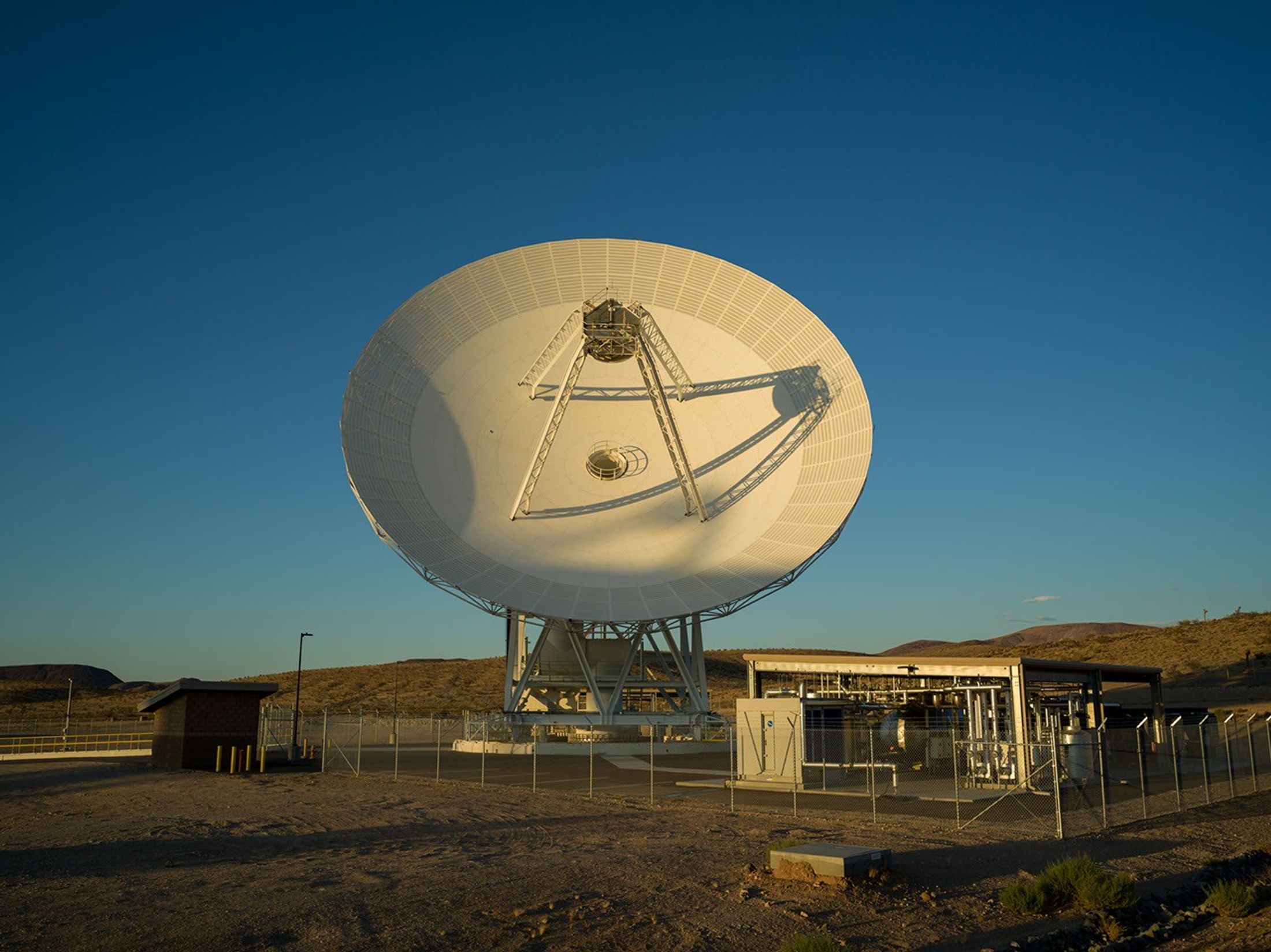
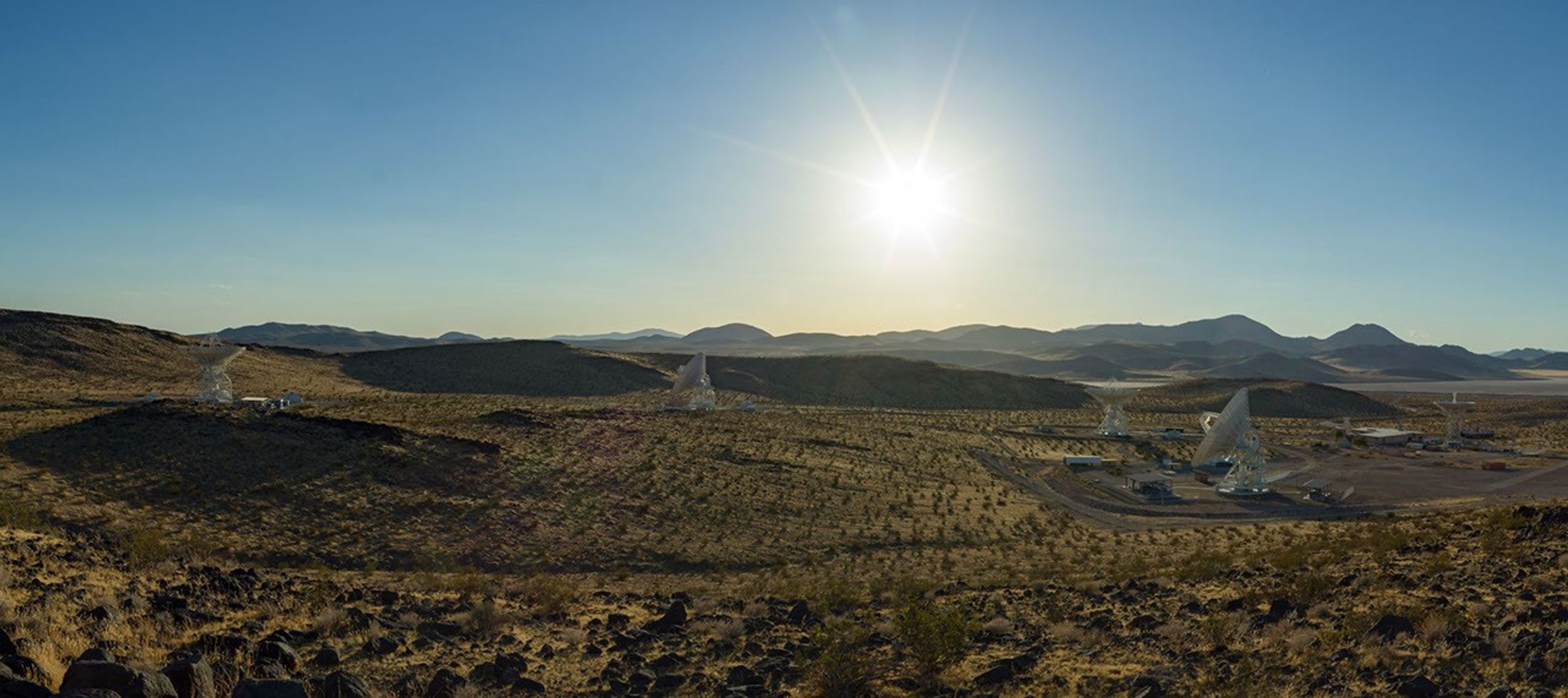
NASA's Deep Space Network Goldstone complex near Barstow, California, now features five antennas following the completion of Deep Space Station 23 in August 2026. The newly built DSS-23 is a 34-meter (114-foot) beam-waveguide antenna designed to support deep space communications. It joins three other 34-meter antennas at the site, including DSS-26 and DSS-25. The Goldstone complex is a key facility in NASA's global network used to communicate with spacecraft exploring the solar system and beyond.
NASA's Nancy Grace Roman Space Telescope lifted off at 7:26 a.m. EDT on Sunday from Launch Complex 39A at Kennedy Space Center in Florida. The telescope was carried into space aboard a SpaceX Falcon Heavy rocket. It is now on a three-month journey spanning approximately one million miles to reach its final orbit. The mission is designed to investigate some of the universe's greatest mysteries, including dark matter and dark energy. Roman's wide field of view is expected to deliver unprecedented observations of the cosmos.
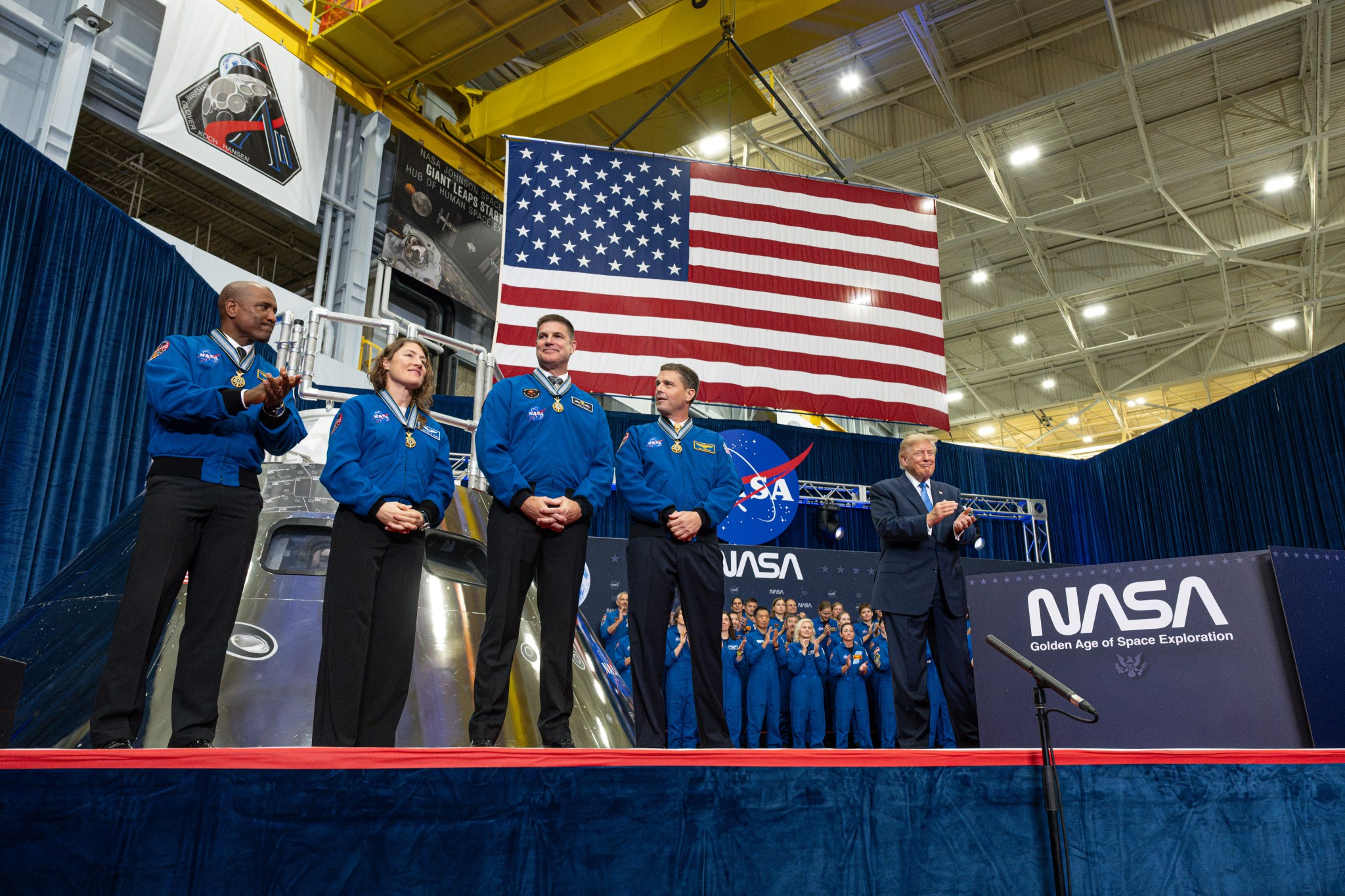
The four-member crew of NASA's Artemis II mission received the Congressional Space Medal of Honor on August 28, 2026. President Donald J. Trump presented the prestigious award to NASA astronauts Reid Wiseman, Victor Glover, and Christina Koch, along with Canadian Space Agency astronaut Jeremy Hansen. The Congressional Space Medal of Honor is among the highest honors bestowed upon individuals for their contributions to space exploration. The recognition celebrates the crew's service during the Artemis II mission, a landmark human spaceflight program aimed at returning astronauts to the Moon.
NASA has awarded first prize in Phase 2 of its LunaRecycle Challenge to a student team from the Massachusetts Institute of Technology. The team, known as CERBERUZ, consists of undergraduate, graduate, and doctoral students who developed a solution for managing waste during lunar and deep space missions. Their technology works by grinding mixed trash — including fabrics, plastics, foam, and metals — into a fine powder for reuse. The winning team received a total of $775,000 in prize money from the agency.

President Donald Trump presented the Congressional Space Medal of Honor to the four-member Artemis II crew on Friday at NASA's Johnson Space Center in Houston. The recipients include NASA astronauts Reid Wiseman, Victor Glover, and Christina Koch, along with Canadian Space Agency astronaut Jeremy Hansen. The Congressional Space Medal of Honor is the highest space-related civilian award in the United States. The ceremony recognized the crew's service during the Artemis II mission, which marked a significant milestone in NASA's lunar exploration program.
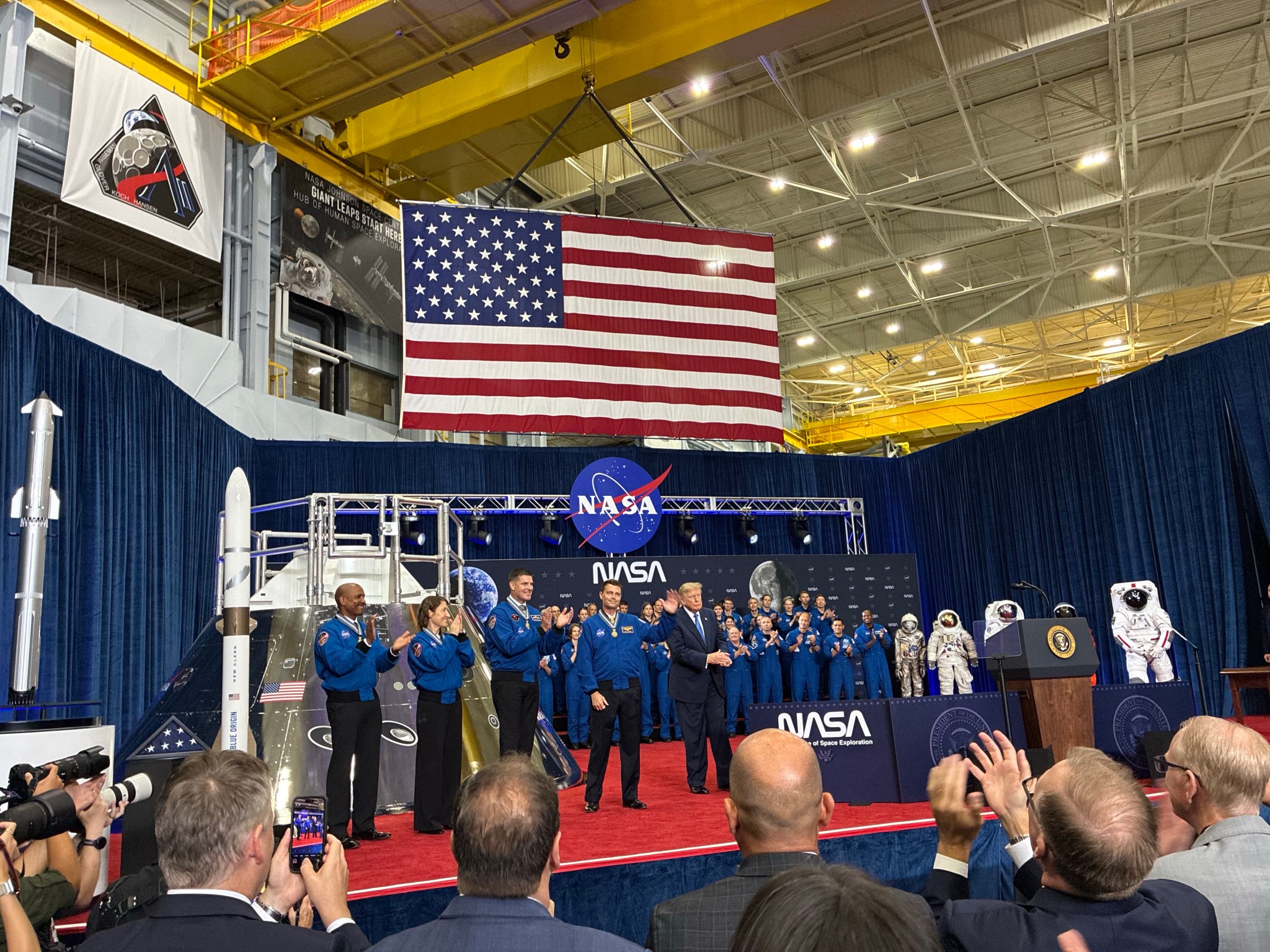
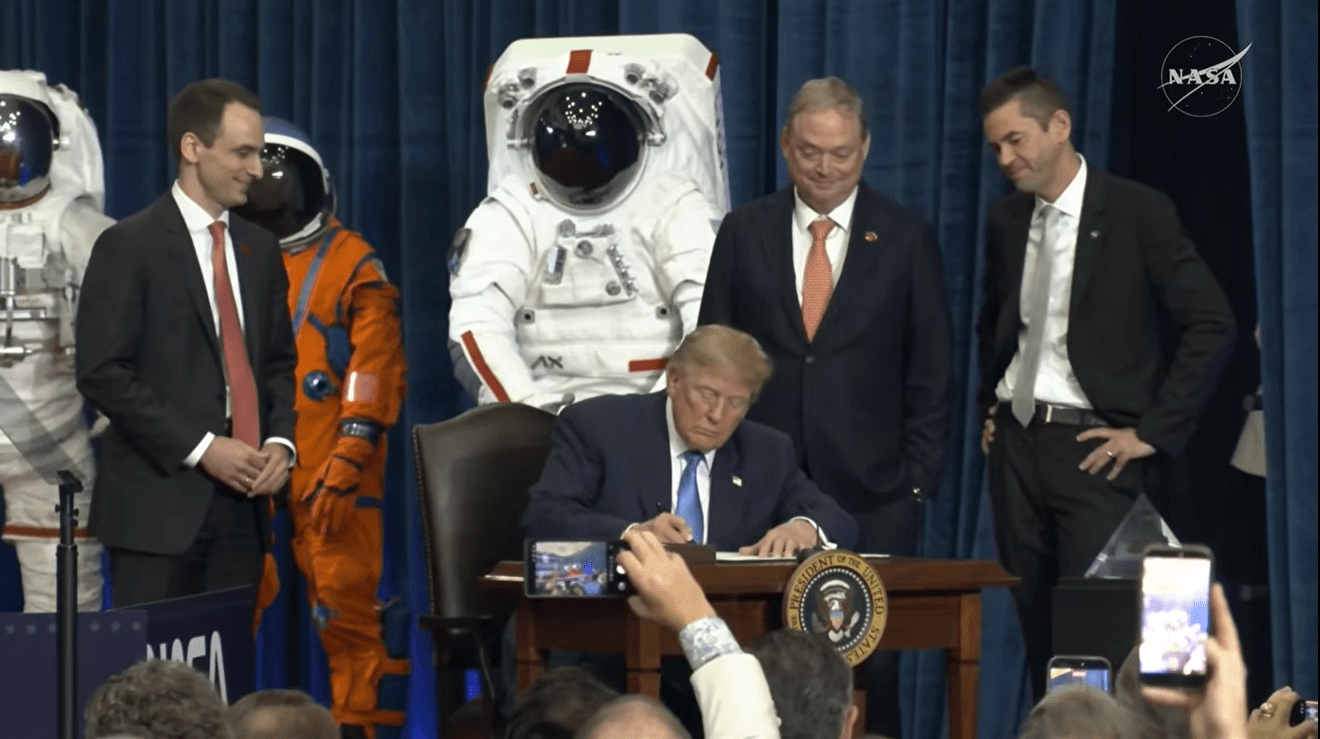
President Donald Trump signed an Executive Order on Friday to create the United States' first-ever Space Academy. The initiative aims to build a skilled space workforce and cultivate future leaders in the sector. The order underscores space as a vital domain for national security, economic growth, scientific advancement, and technological innovation. The academy is intended to ensure American competitiveness and leadership in the increasingly strategic space domain.
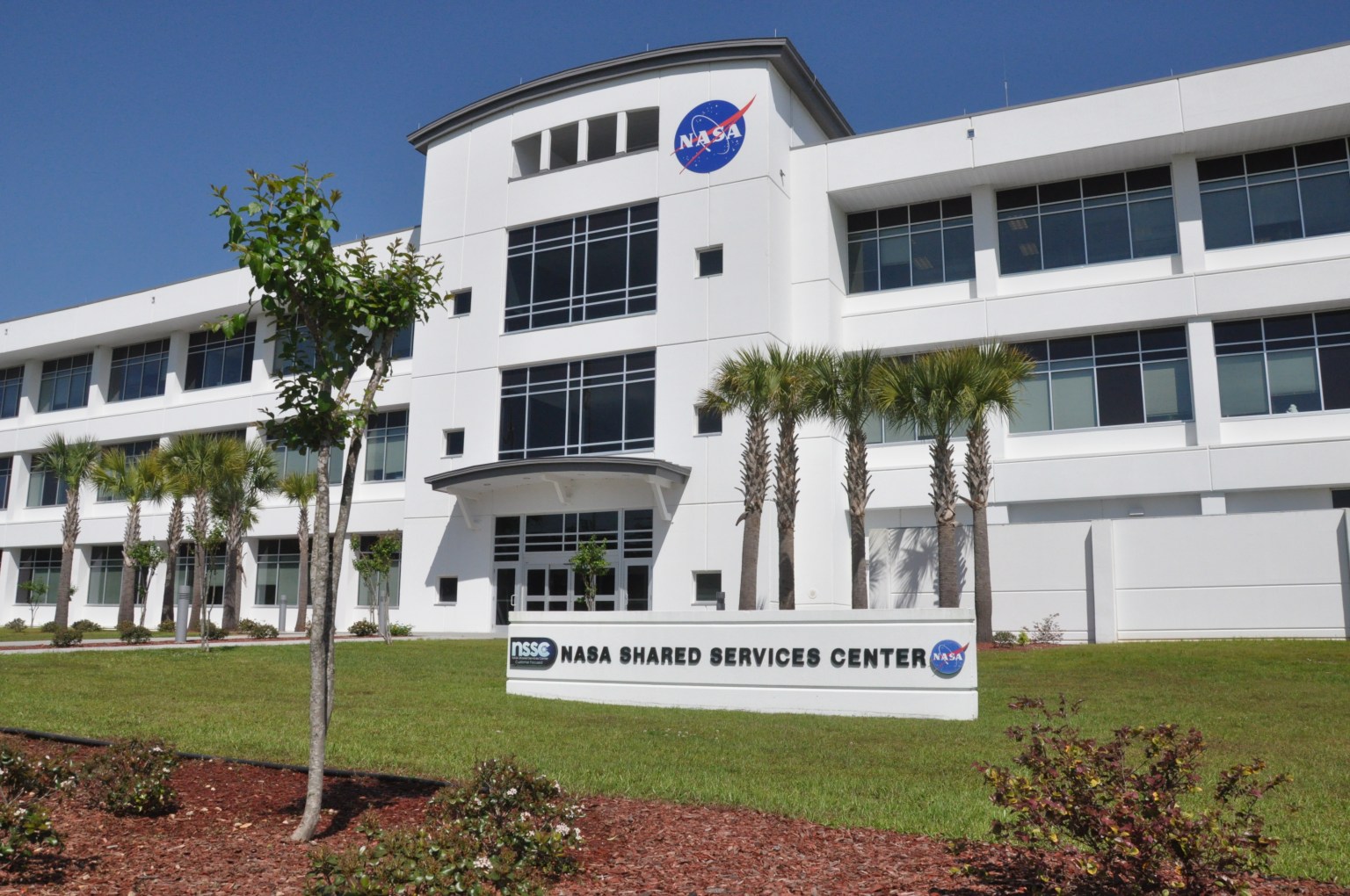
NASA's Payment Management System (PMS) is currently facing a technical issue that is preventing the generation of Federal Financial Reports (FFRs). Grant recipients affected by the outage will not be penalized or considered noncompliant due to the disruption. NASA has acknowledged the problem and is actively working with PMS to find a resolution. Updates on the situation will be posted as they become available.
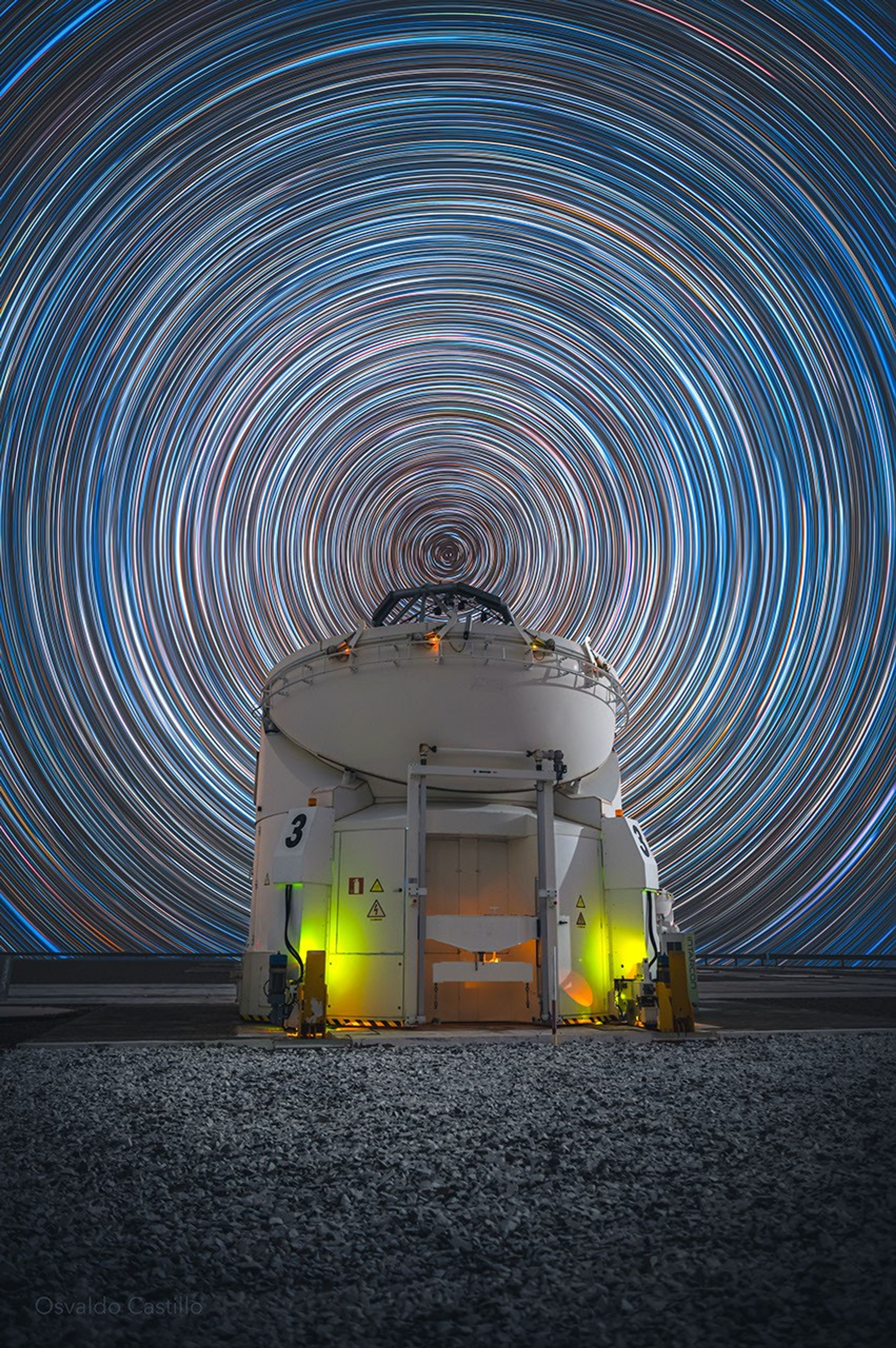
NASA's Astronomy Picture of the Day (APOD) for August 28, 2026 features a striking image of the night sky rotating above the Paranal Observatory in Chile. The photograph captures star trails, a visual effect created when long-exposure photography records the apparent movement of stars due to Earth's rotation. Paranal, home to the European Southern Observatory's Very Large Telescope, is one of the world's premier astronomical sites due to its exceptionally dark and clear skies. APOD is a long-running NASA initiative that publishes a new astronomical image or photograph each day, accompanied by an explanation from a professional astronomer.
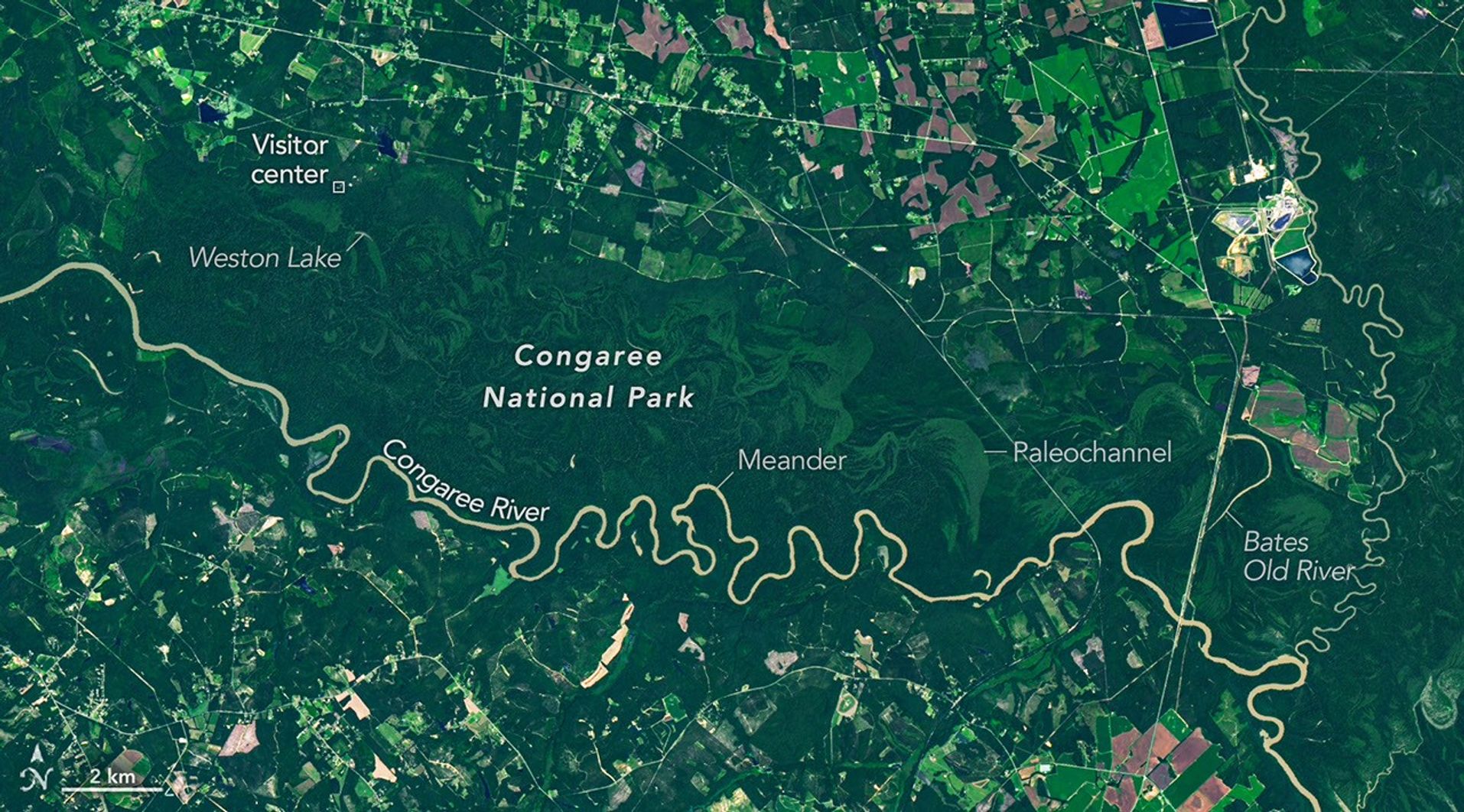
NASA has highlighted the Congaree River in South Carolina as a remarkable natural force shaping its surrounding landscape. The winding river supports towering forest ecosystems within Congaree National Park. As the river shifts course across its floodplain over time, it creates oxbow lakes — curved, isolated water bodies left behind by the changing channel. The interaction between the river and its floodplain makes Congaree a unique ecological environment.
Turkey is set to sign the Artemis Accords on Monday, August 31, making it the 71st country to join the international space exploration agreement. The signing ceremony is scheduled for 2:30 p.m. EDT at NASA Headquarters in Washington. NASA Administrator Jared Isaacman will host the event alongside Turkish Minister of Industry and Technology Mehmet Fatih Kacır. U.S. Department of State officials will also be present at the in-person ceremony.

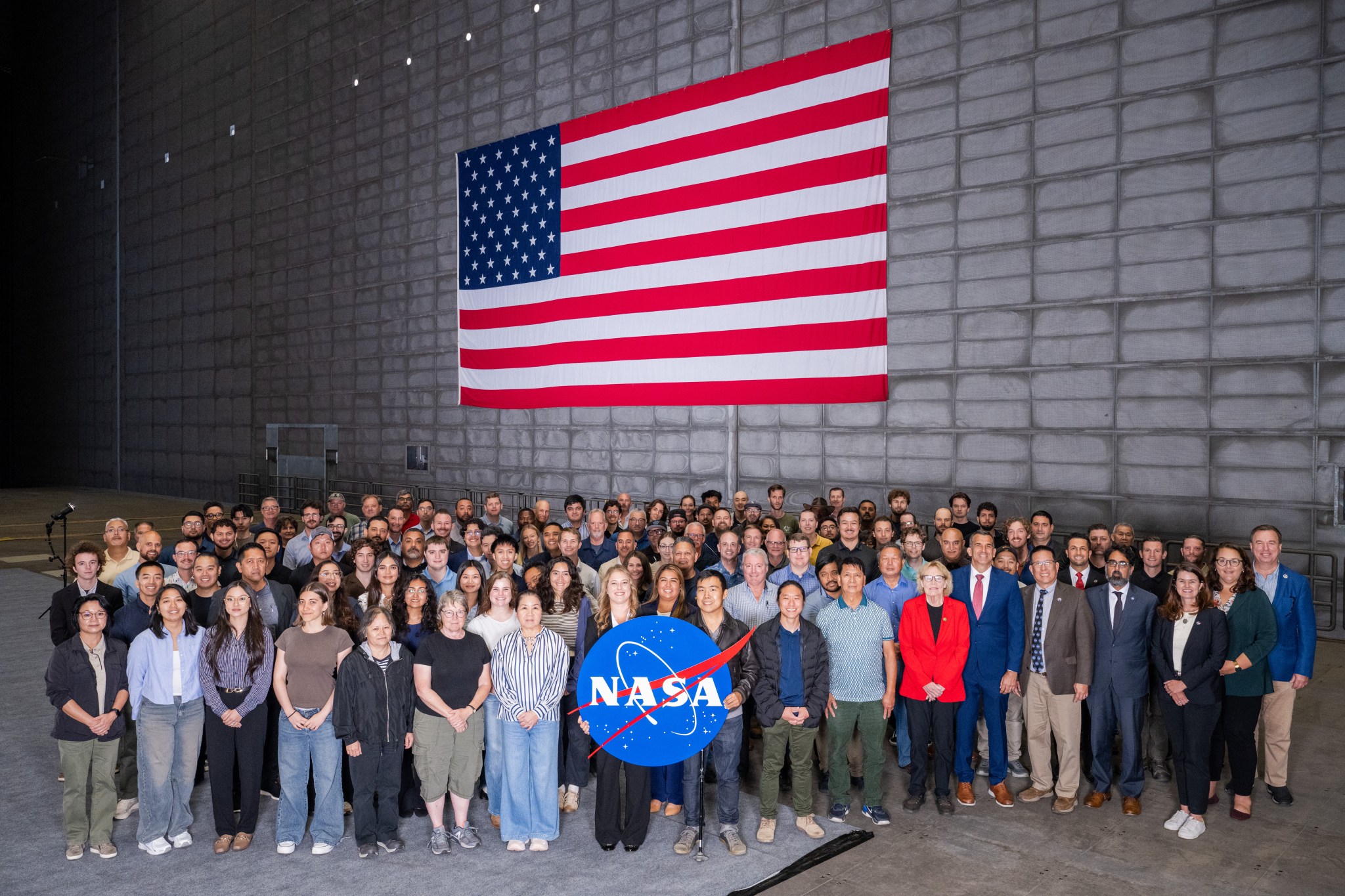
NASA's Ames Research Center in Silicon Valley, California, held its largest-ever civil servant swearing-in ceremony on August 24, 2026. The event welcomed a new cohort of civil servants who were officially sworn into their roles that day. The ceremony took place inside the National Full-Scale Aerodynamics Complex, specifically within its massive 80-by-120-foot test section. New employees and guests gathered alongside NASA and Ames center leadership for the milestone occasion.
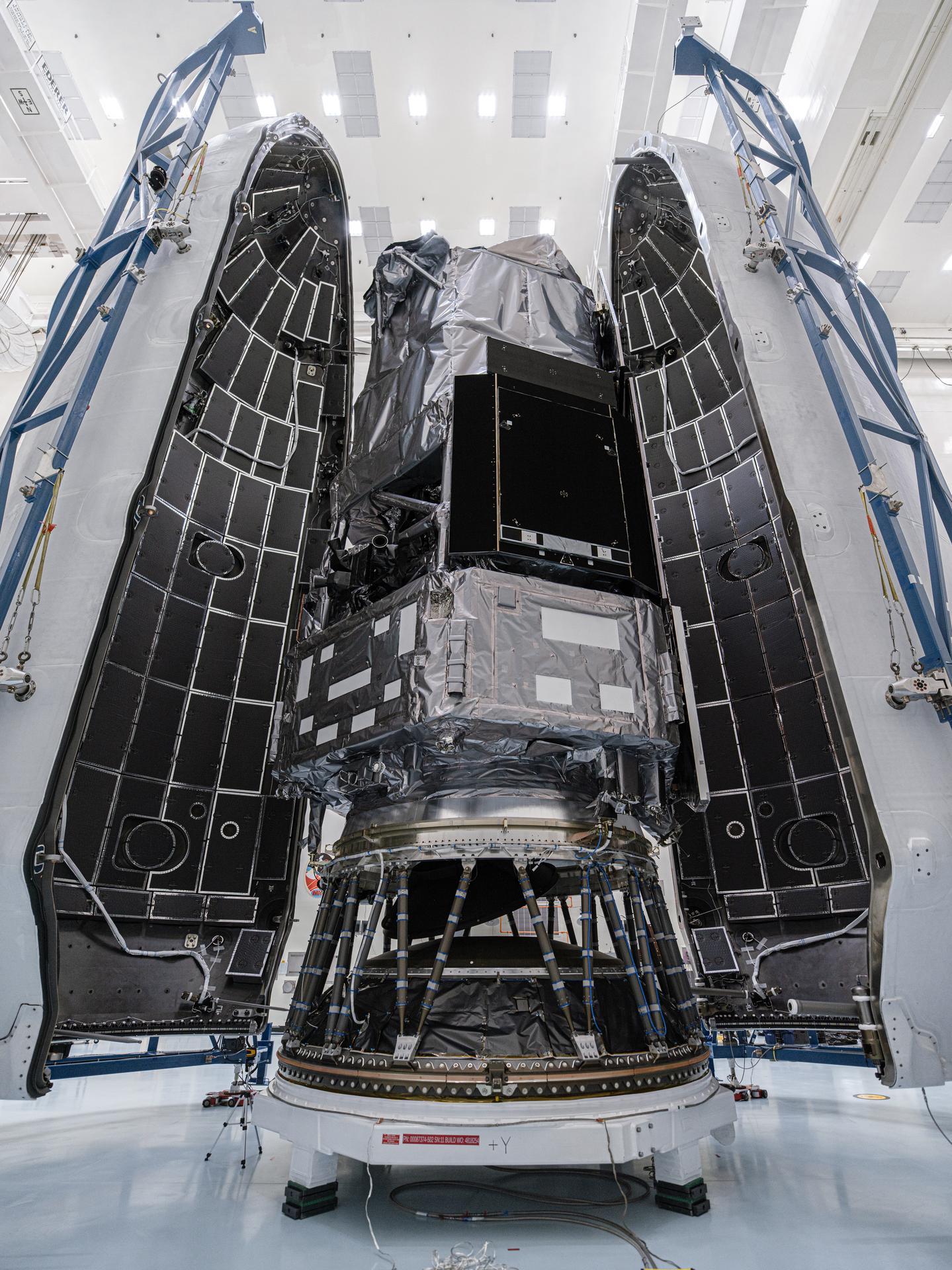
NASA's Nancy Grace Roman Space Telescope is scheduled to lift off at 7:26 a.m. EDT on Sunday, August 30. The observatory is designed as a wide-field mission, capable of surveying large portions of the sky in a single observation. Roman is named after Nancy Grace Roman, NASA's first Chief of Astronomy, who played a key role in developing the Hubble Space Telescope. The mission aims to advance understanding of dark energy, exoplanets, and infrared astrophysics. NASA's Goddard Space Flight Center in Greenbelt, Maryland, is managing the mission.
Astronaut Jonny Kim officially departed NASA on Thursday after nearly a decade with the agency. He completed an eight-month science mission aboard the International Space Station as part of his tenure. Kim had launched to the ISS in April 2025 aboard the Russian Soyuz MS-27 spacecraft. Following his departure, he will continue his career as a lieutenant commander in the U.S. Navy.

NASA's Astronomy Picture of the Day (APOD) for August 27, 2026 features a striking photograph of a colorful aurora borealis captured over a waterfall in Iceland. The image is part of APOD's long-running series, which highlights a different astronomical photograph each day accompanied by an expert explanation. A professional astronomer provided context for the image, as is standard for all APOD features. Iceland is a well-known destination for aurora viewing due to its high-latitude location and minimal light pollution. The photograph showcases the vivid, multicolored light display that occurs when charged solar particles interact with Earth's atmosphere.
