SShortSingh.

Space

0
SpaceNASA ·

Turkey to Become 71st Nation to Sign NASA Artemis Accords on Aug. 31

Turkey is set to sign the Artemis Accords on Monday, August 31, making it the 71st country to join the international space exploration agreement. The signing ceremony is scheduled for 2:30 p.m. EDT at NASA Headquarters in Washington. NASA Administrator Jared Isaacman will host the event alongside Turkish Minister of Industry and Technology Mehmet Fatih Kacır. U.S. Department of State officials will also be present at the in-person ceremony.
0
SpaceNASA ·

NASA Ames Hosts Largest-Ever Civil Servant Swearing-In Ceremony

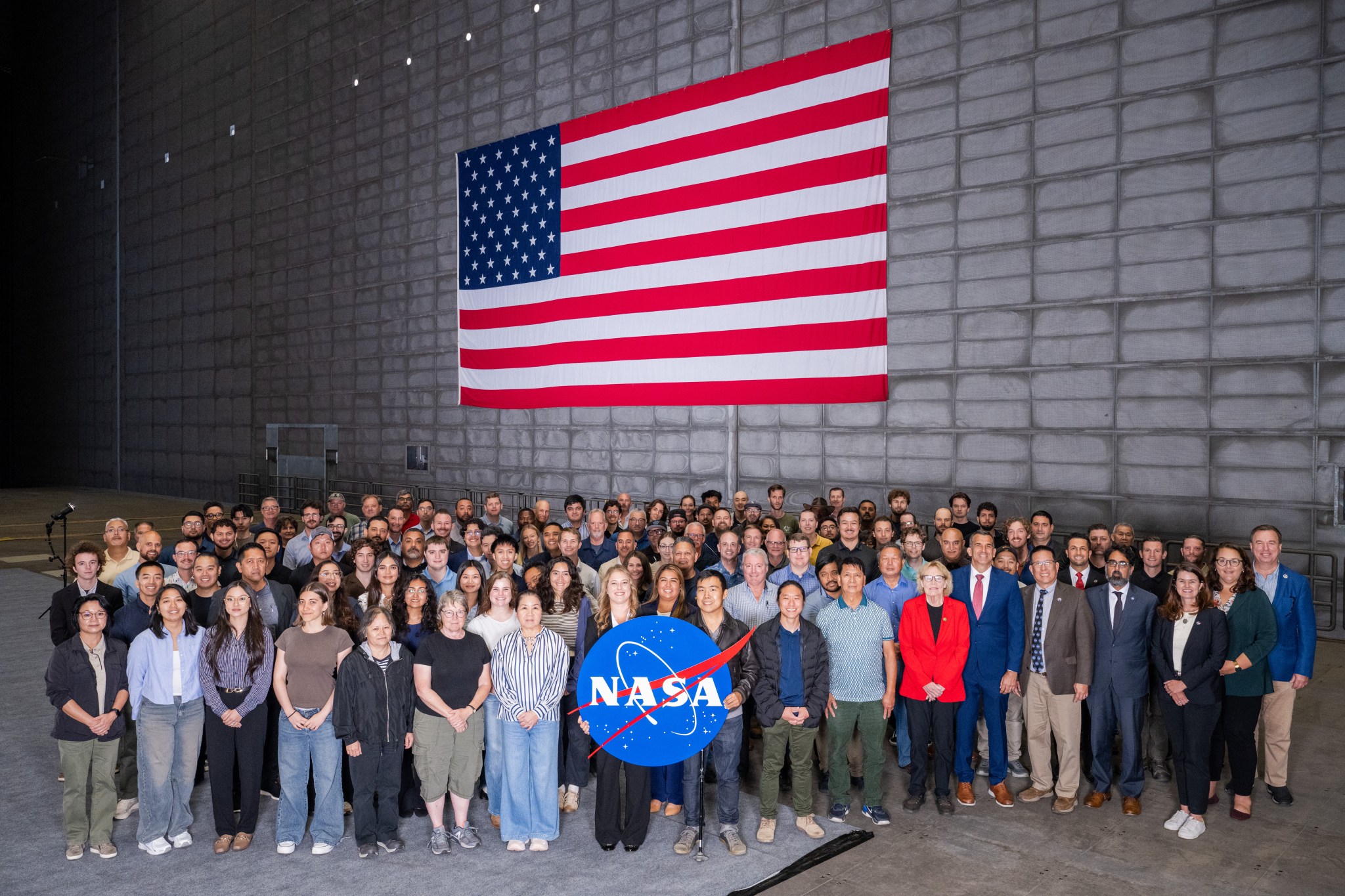
NASA's Ames Research Center in Silicon Valley, California, held its largest-ever civil servant swearing-in ceremony on August 24, 2026. The event welcomed a new cohort of civil servants who were officially sworn into their roles that day. The ceremony took place inside the National Full-Scale Aerodynamics Complex, specifically within its massive 80-by-120-foot test section. New employees and guests gathered alongside NASA and Ames center leadership for the milestone occasion.

0
SpaceNASA ·

NASA's Nancy Grace Roman Space Telescope Set to Launch August 30

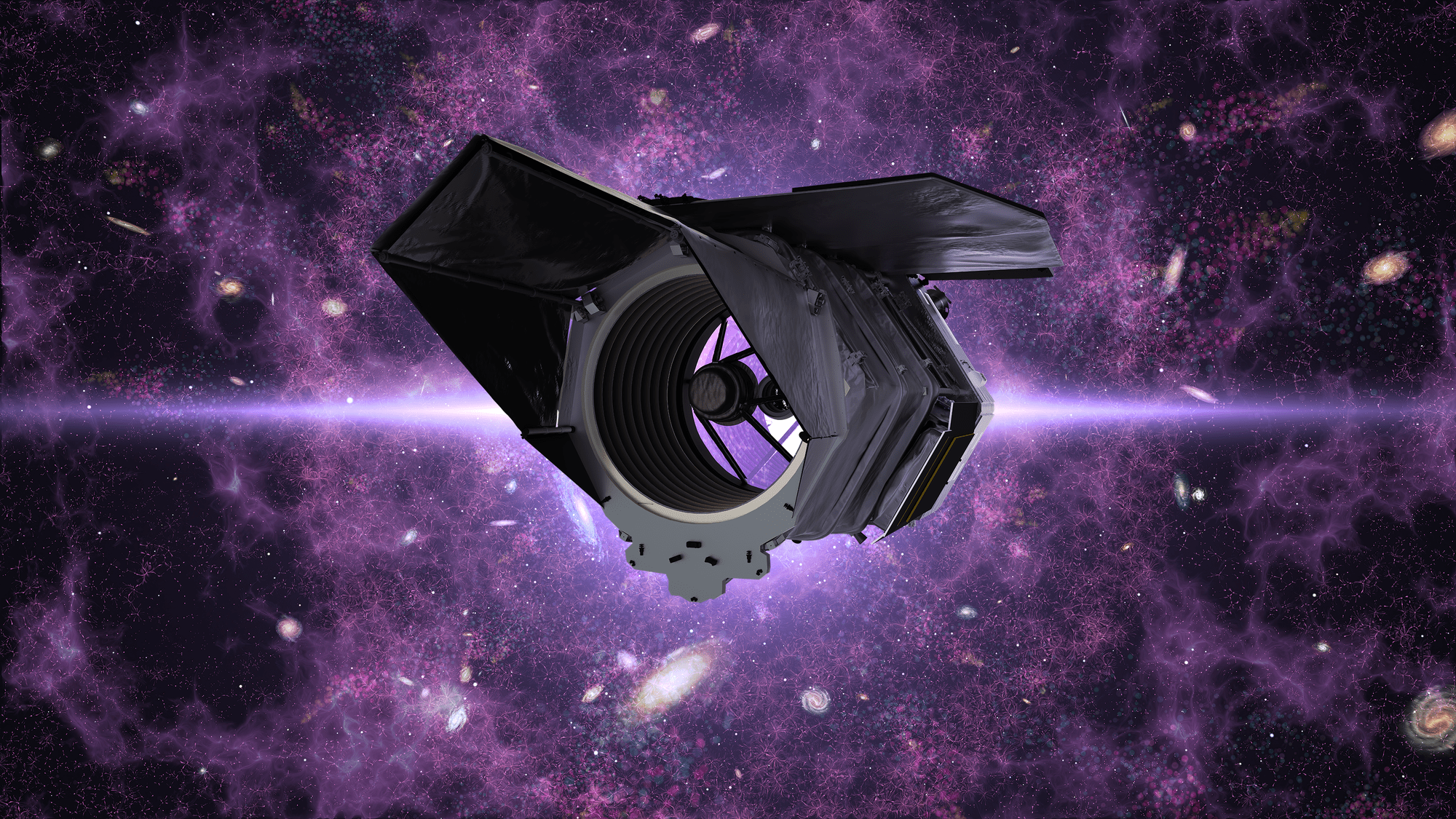
NASA's Nancy Grace Roman Space Telescope is scheduled to lift off at 7:26 a.m. EDT on Sunday, August 30. The observatory is designed as a wide-field mission, capable of surveying large portions of the sky in a single observation. Roman is named after Nancy Grace Roman, NASA's first Chief of Astronomy, who played a key role in developing the Hubble Space Telescope. The mission aims to advance understanding of dark energy, exoplanets, and infrared astrophysics. NASA's Goddard Space Flight Center in Greenbelt, Maryland, is managing the mission.

0
SpaceNASA ·

NASA APOD Showcases Vivid Aurora Borealis Above Icelandic Waterfall

NASA's Astronomy Picture of the Day (APOD) for August 27, 2026 features a striking photograph of a colorful aurora borealis captured over a waterfall in Iceland. The image is part of APOD's long-running series, which highlights a different astronomical photograph each day accompanied by an expert explanation. A professional astronomer provided context for the image, as is standard for all APOD features. Iceland is a well-known destination for aurora viewing due to its high-latitude location and minimal light pollution. The photograph showcases the vivid, multicolored light display that occurs when charged solar particles interact with Earth's atmosphere.

0
SpaceNASA ·

Back-to-Back Winter Storms Blanket Chile's Atacama Desert in Snow

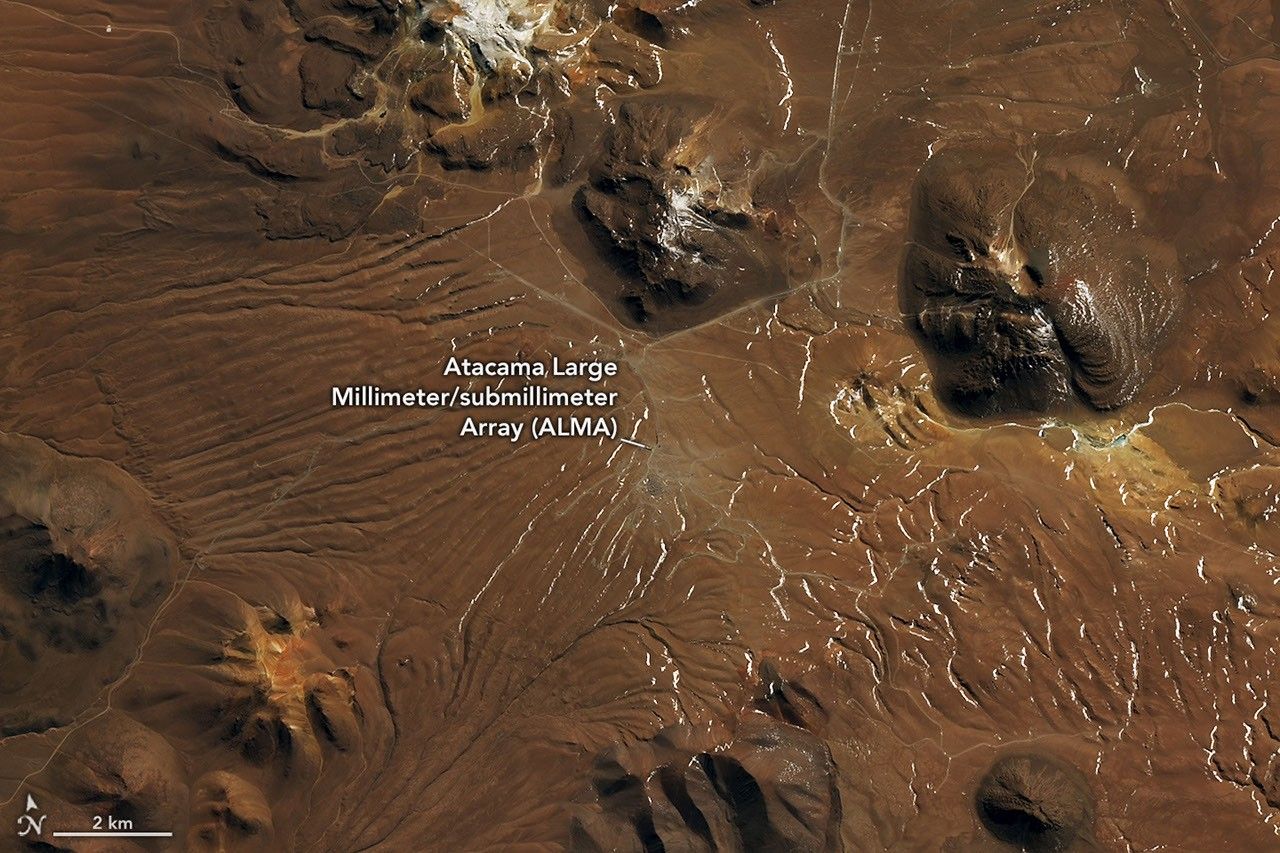
Two consecutive winter storms in August 2026 deposited snow across northern Chile in an unusually widespread event. The snowfall extended from the Andes mountain range all the way toward the Pacific coast. The Atacama Desert, one of the driest places on Earth, rarely sees such extensive snow coverage. NASA documented the rare meteorological occurrence, highlighting its significance given the region's typically arid conditions.

0
SpaceNASA ·

NASA Spotlights Long-Term Planning Challenges Behind Earth Science Missions

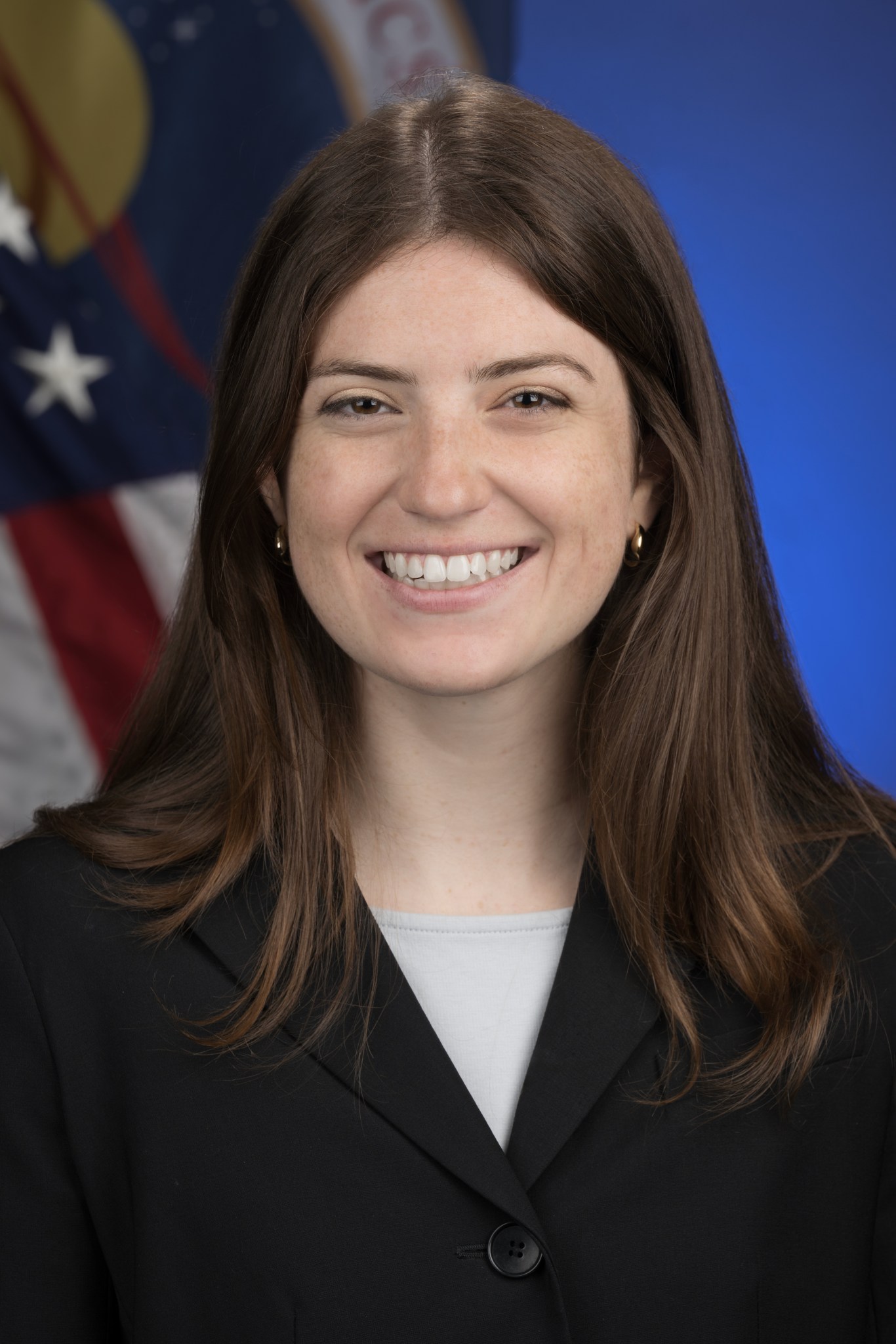
NASA's Earth-observing satellites continuously monitor key planetary features such as aerosols, sea levels, land cover, and cloud cover over long time periods. Maintaining this scientific record demands more than technical expertise — it requires strategic foresight to navigate an uncertain future. Mission delays and other unforeseen challenges must be anticipated to ensure continuity for the scientific and operational communities that rely on this data. Lindsey Jacobson is featured in a NASA discussion highlighting the importance of building that long-term planning capacity within Earth science programs.

0
SpaceNASA ·

NASA Roman Space Telescope Moved to SpaceX Hangar for Falcon Heavy Launch

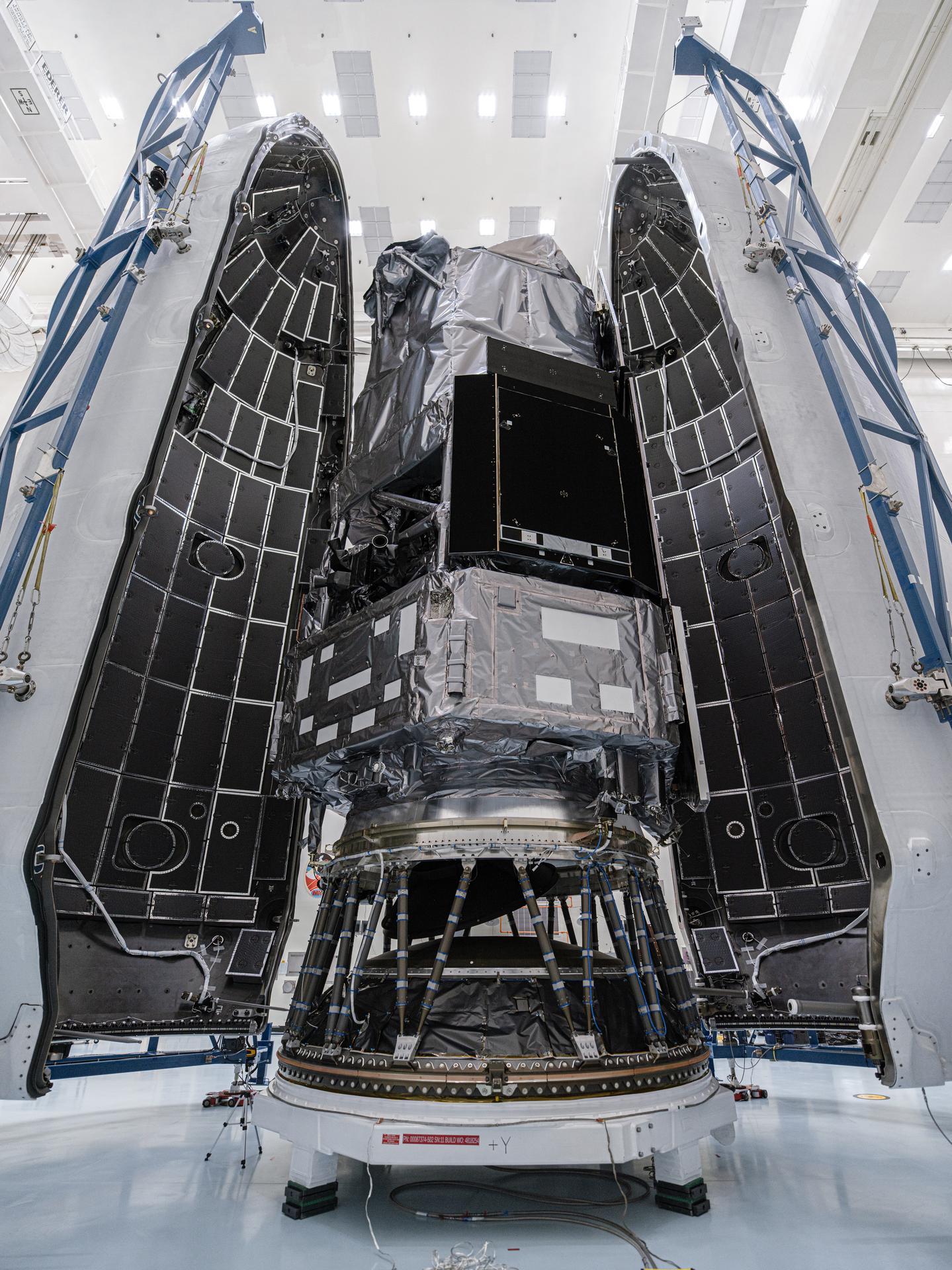
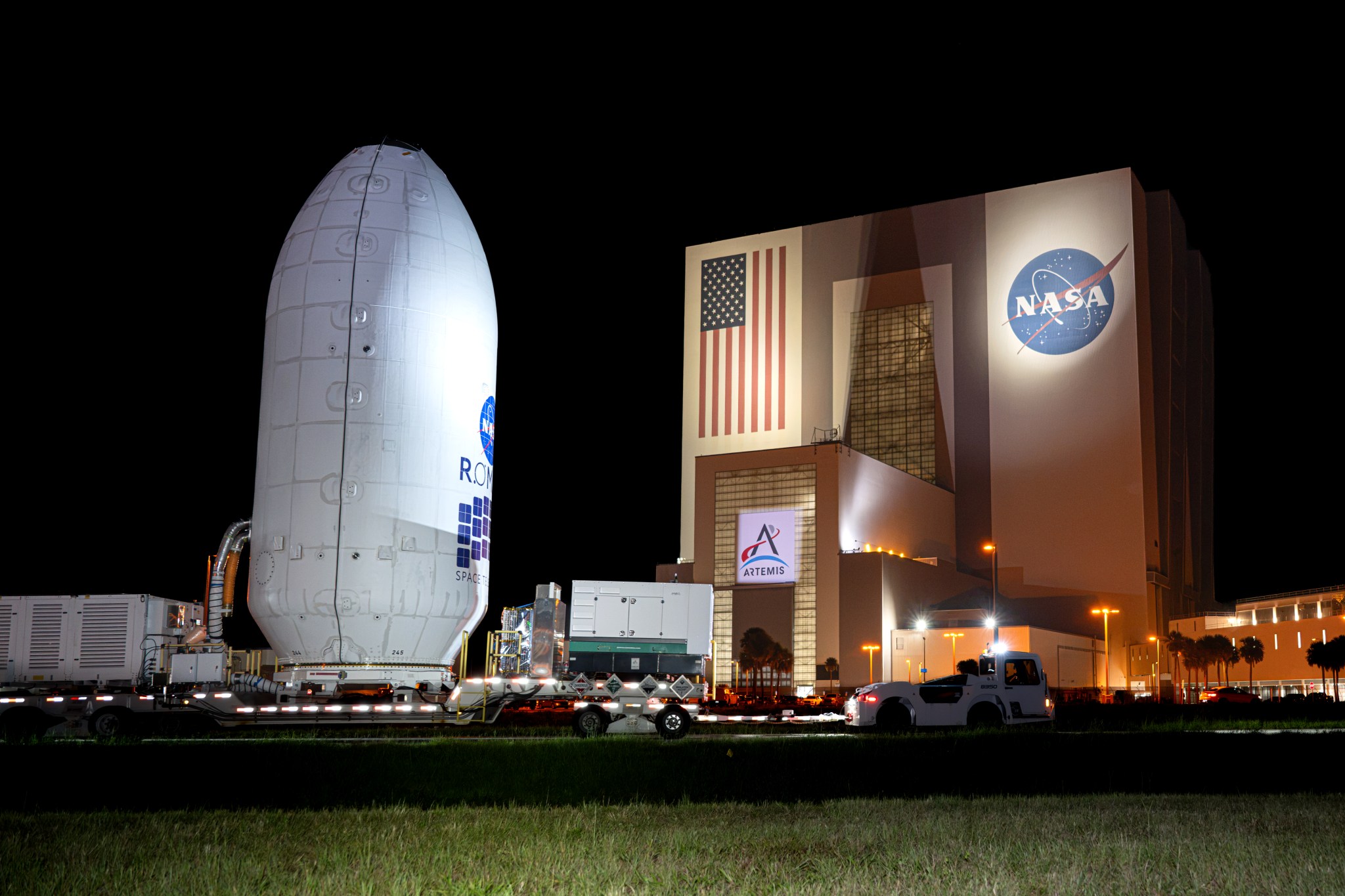
NASA's Nancy Grace Roman Space Telescope was transported to the SpaceX hangar at Launch Complex 39A, Kennedy Space Center, on August 25, 2026. The telescope, enclosed in its payload fairing, was moved from the Payload Hazardous Servicing Facility in preparation for launch. It is set to be mounted atop a SpaceX Falcon Heavy rocket ahead of liftoff. The Roman telescope carries science instruments intended to help researchers investigate dark matter and other cosmic phenomena.

0
SpaceNASA ·

NASA Pilots Flew to Iceland to Study Solar Corona During August Eclipse

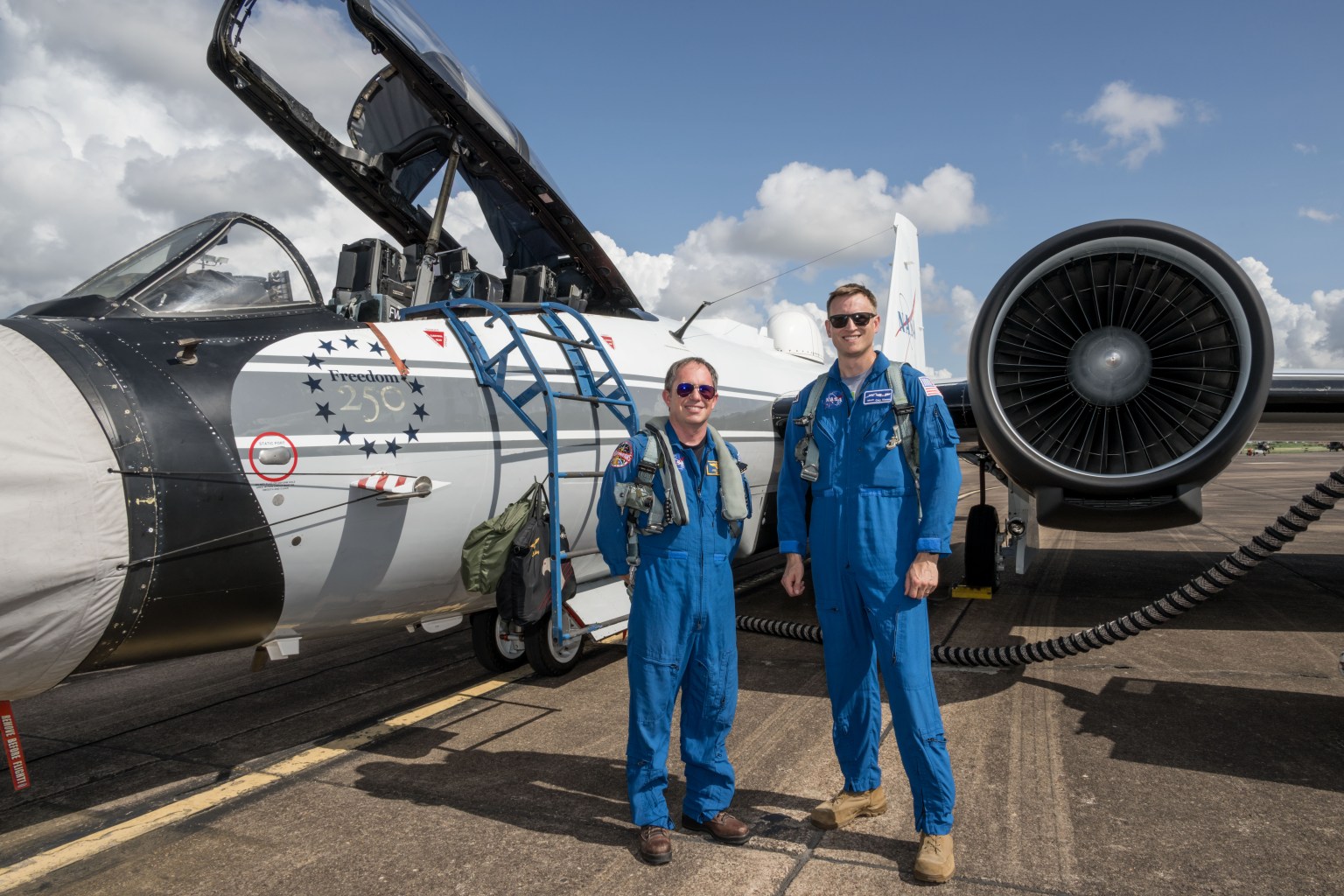
During the total solar eclipse on August 12, NASA scientists targeted a long-standing solar mystery: why the Sun's corona is significantly hotter than its visible surface. To capture the necessary data, researchers needed to be precisely positioned along the eclipse path over Europe. Pilots from NASA's Johnson Space Center flew the high-altitude WB-57F research aircraft from Ellington Field in Houston all the way to Iceland. The mission was designed to take advantage of the rare window of totality to observe the corona under ideal conditions.

0
SpaceNASA ·

NASA Astronauts to Conduct ISS Spacewalk for Navigation Equipment Swap

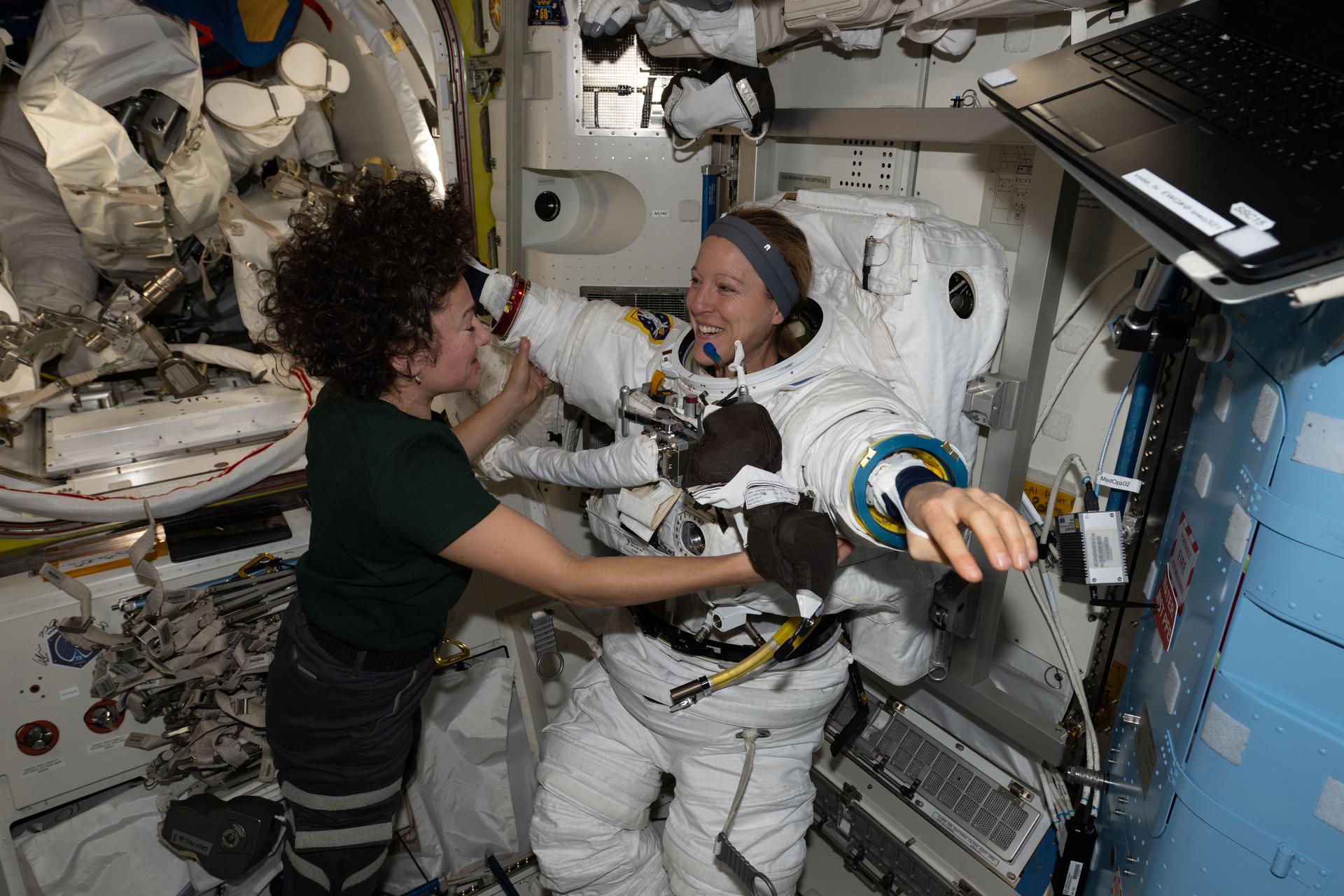
Two NASA astronauts are scheduled to perform a spacewalk outside the International Space Station on Tuesday, September 1. The primary objective is to replace a spacecraft navigational aid, alongside several other station maintenance tasks. The spacewalk is set to begin at approximately 8:30 a.m. EDT and is expected to last several hours. NASA will broadcast live coverage of the event starting at 7 a.m. EDT, ahead of the crew's departure from the station.

0
SpaceNASA ·

NASA Tests How Rocket Plumes Interact With Lunar Surface During Moon Landings

NASA has been conducting plume-surface interaction tests to better understand the hazards that occur when a lander's engine exhaust contacts the Moon's surface. The research is designed to support both NASA missions and commercial lunar landers operating on the Moon. A new phase of testing was launched, with updated findings shared in August 2026, building on work that originally began in December of the prior year. The tests aim to help engineers design safer landing systems by studying how engine plumes disturb lunar soil and create potential risks. Understanding these interactions is considered critical for the success of future crewed and uncrewed Moon landing missions.

0
SpaceNASA ·

Army Veteran Jeret Howard Joins NASA Stennis Space Center as Civil Servant

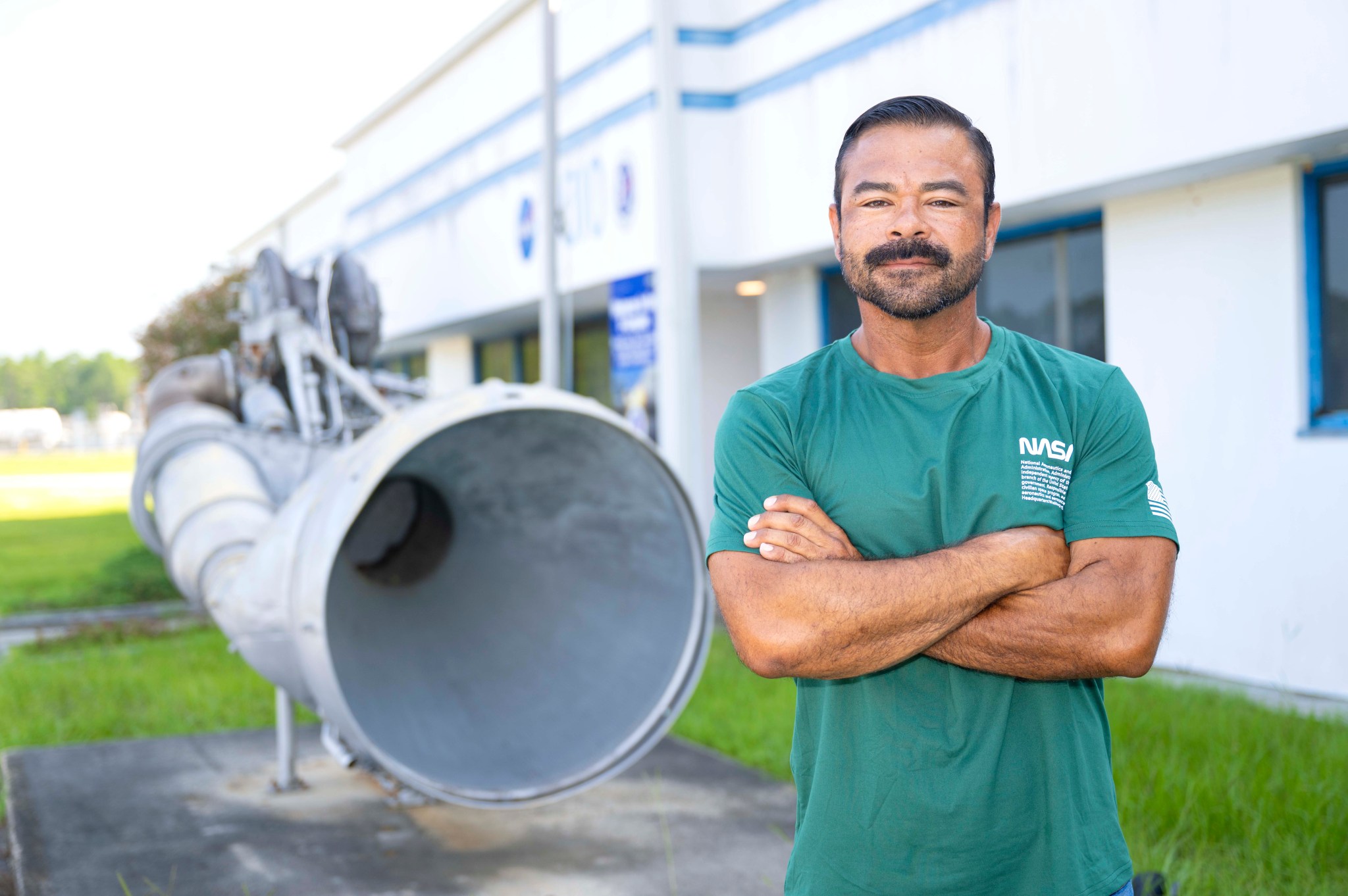
Jeret Howard, a former U.S. Army combat medic who served in Iraq, has been hired as a civil servant at NASA's Stennis Space Center near Bay St. Louis, Mississippi. He was brought on board as part of NASA's workforce directive aimed at restoring core competencies within the agency. Howard had previously worked at Stennis as a contractor before making the transition to a federal civil servant role this past summer. His journey from military service at age 17 to a NASA career reflects the agency's broader effort to build an experienced in-house workforce.

0
SpaceNASA ·

NASA Adds New 34-Metre Antenna to Deep Space Network in California

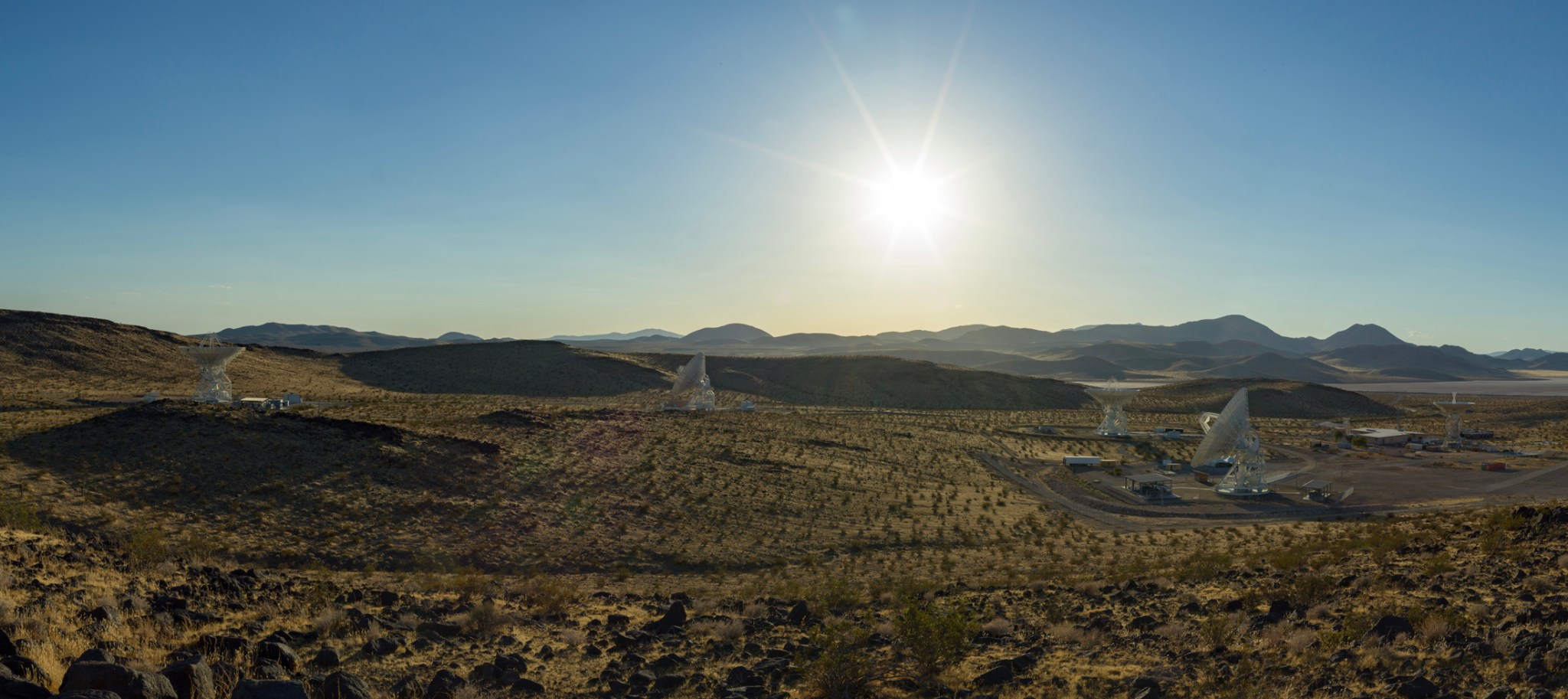
NASA has commissioned a new 34-metre-wide radio frequency antenna at its Deep Space Network facility in California. The Deep Space Network relies on large dish antennas spread across three facilities worldwide to maintain contact with spacecraft across the solar system. The network currently supports communications and navigation for more than 40 active missions, including probes venturing into interstellar space. The addition of the new antenna is intended to strengthen the agency's capacity to handle growing deep space communication demands.

0
SpaceNASA ·

NASA to Announce LunaRecycle Challenge Winners at Alabama University on Aug. 28

NASA will reveal the winners of the final phase of its LunaRecycle Challenge on August 28 at the University of Alabama's Lee Styslinger College of Engineering in Tuscaloosa. The competition, launched in 2024, tasked participants with developing innovative recycling systems for managing non-metabolic waste during future lunar missions. The event marks the conclusion of a multi-phase challenge designed to advance space waste management technology. NASA invited media to attend the announcement at the Tuscaloosa campus.

0
SpaceNASA ·

NASA Roman Space Telescope Set to Launch August 30 to Probe Dark Universe

NASA's Nancy Grace Roman Space Telescope is scheduled to launch on Sunday, August 30, marking a major milestone in space exploration. The observatory will give astronomers the ability to survey large swaths of the universe in unprecedented detail. Among its primary scientific goals are investigating the nature of dark energy and dark matter, two of the most elusive phenomena in modern astrophysics. The mission will also study exoplanets and examine how galaxies have formed and evolved over billions of years. NASA's Ames Research Center has made key contributions to the telescope's overall mission capabilities.

0
SpaceNASA ·

NASA Roman Space Telescope Set for August 2026 Launch from Kennedy Space Center

NASA's Nancy Grace Roman Space Telescope is scheduled to launch on August 30, 2026, from Kennedy Space Center in Florida. The telescope is being developed at NASA's Ames Research Center in Silicon Valley, California. Designed to deliver wide and detailed views of the universe, Roman will help scientists investigate dark energy, exoplanets, and large-scale cosmic structures. NASA is currently inviting media representatives to engage with Ames experts ahead of the mission.

0
SpaceNASA ·

NASA Pandora Satellite Begins Atmospheric Study of 20-Plus Exoplanets

NASA's Pandora mission, the first satellite launched under the agency's Astrophysics Pioneers program, has begun observing planets outside our solar system. The spacecraft is now collecting data on exoplanets and the stars they orbit. A primary goal of the mission is to determine the atmospheric composition of at least 20 exoplanets, including detecting the presence of hazes, clouds, and water. Pandora represents a new class of smaller, cost-effective astrophysics missions aimed at expanding humanity's understanding of distant worlds.

0
SpaceNASA ·

NASA's Chandra Observatory Releases New Gallery of Diverse Galaxy Images

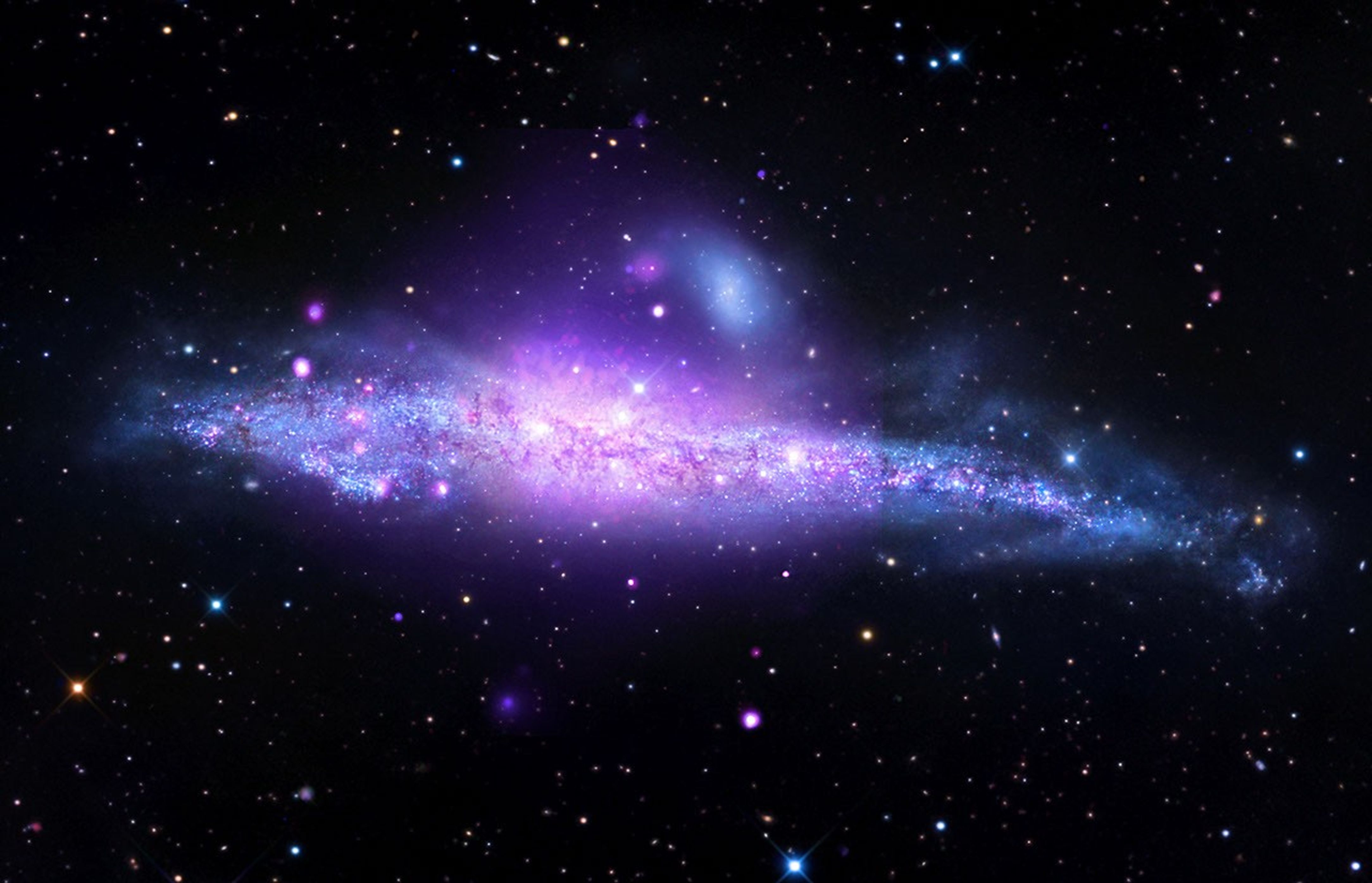
NASA's Chandra X-ray Observatory has released a new gallery of galactic images captured alongside data from other telescopes. The collection highlights the wide variety of galaxies found across the universe, showcasing differences in size, shape, and structure. Astronomers typically classify galaxies into three main categories, including spirals such as our own Milky Way. The gallery aims to illustrate the distinct characteristics that make each galaxy unique.

0
SpaceNASA ·

NASA's Menon and ESA's Adenot Complete 6-Hour Spacewalk Outside ISS

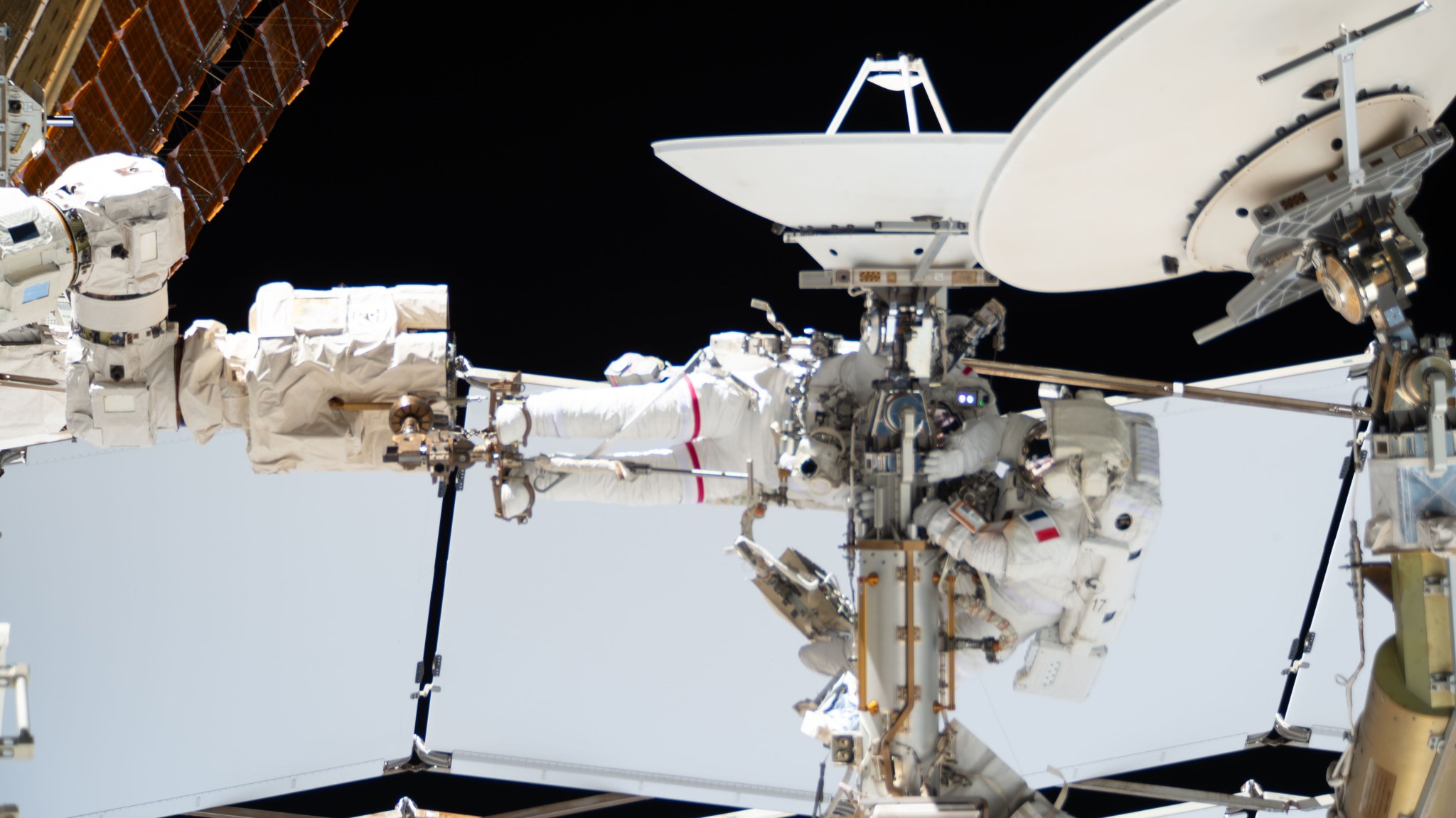
NASA astronaut Anil Menon and ESA astronaut Sophie Adenot conducted a spacewalk outside the International Space Station on August 18, 2026. The outing lasted six hours and 23 minutes, with both serving as Expedition 75 flight engineers. The two worked together on external station tasks, including the partial installation of a high-speed system. The spacewalk represents continued international collaboration between NASA and the European Space Agency aboard the ISS.

← NewerPage 8 of 24Older →