SShortSingh.
Back to feed

Human-set fires spread across New Guinea as drought parches the landscape

0
·1 views
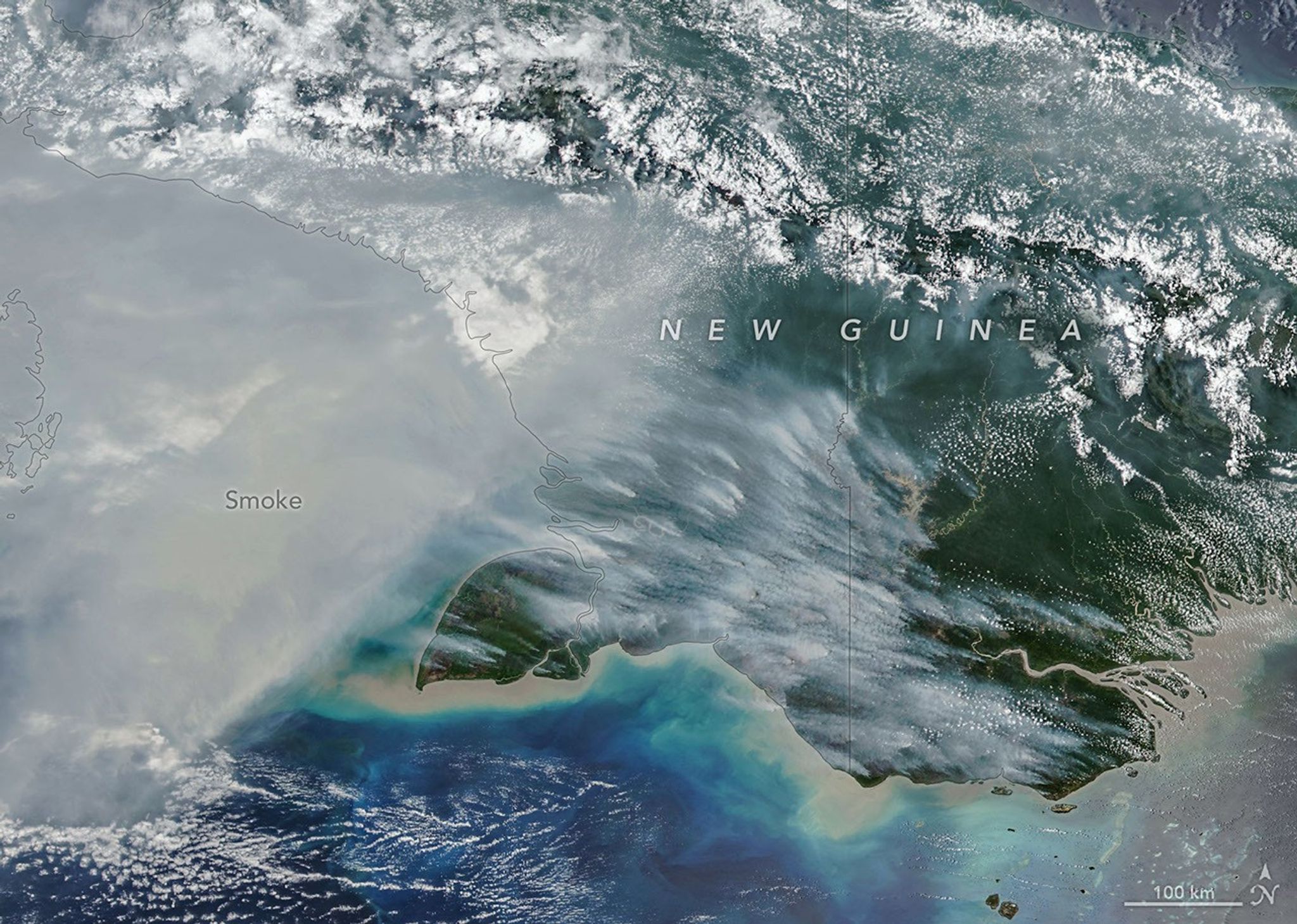
Smoke emissions on both sides of New Guinea have risen to unusually high levels. The increase is linked to fires set by people that are spreading through land dried out by drought. The island's landscape has been left vulnerable by the prolonged dry conditions. The situation highlights how drought can amplify the damage caused by human-ignited blazes.

Read the full story at NASA

This is an AI-generated summary. ShortSingh links to the original source for the complete article.
Discussion (0)

Log in to join the discussion and vote.

Log in

Related stories

0
SpaceNASA ·

NASA's Astronomy Picture of the Day Features the First Green Star, WD J1330+6435

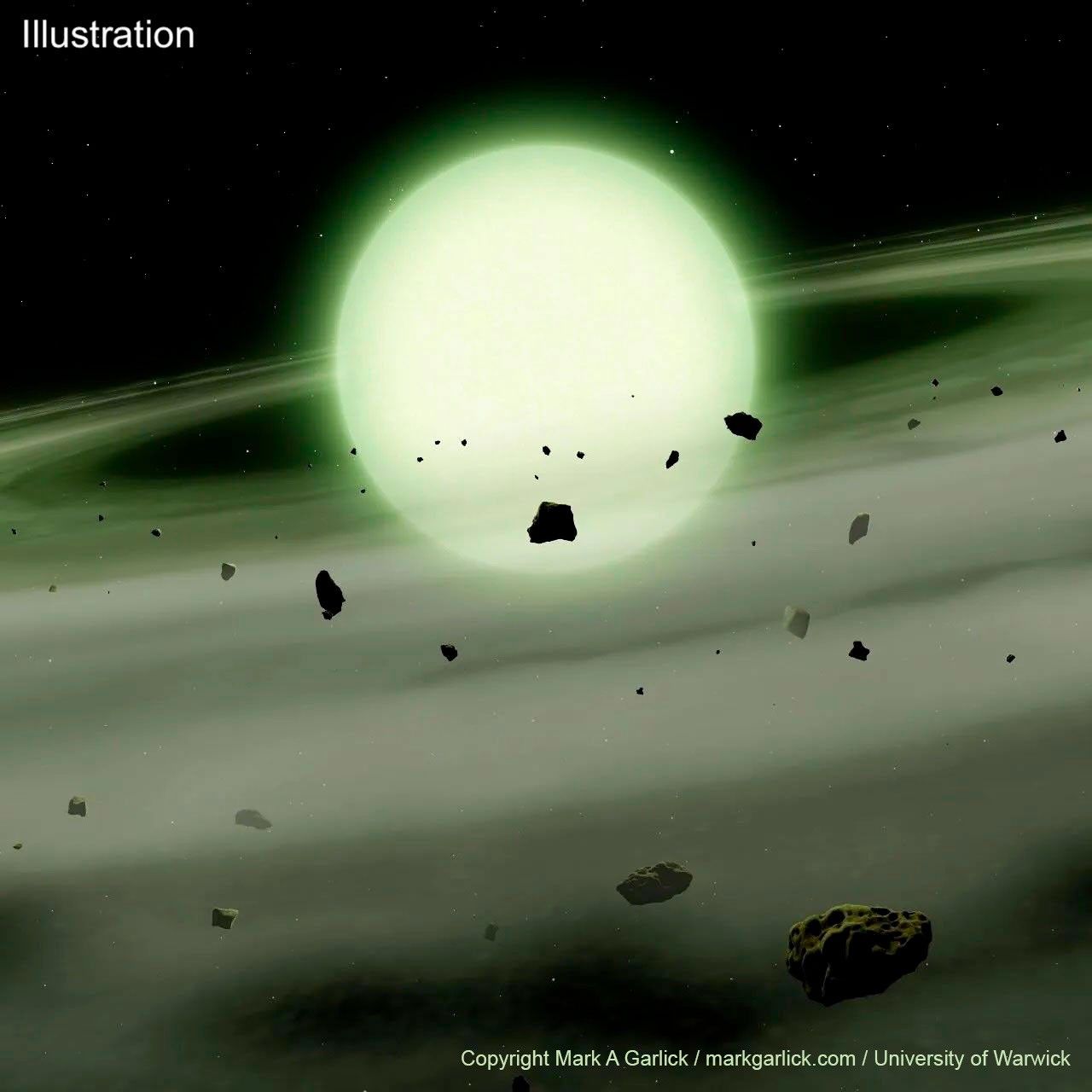
NASA's Astronomy Picture of the Day for October 22, 2026, highlights an object called WD J1330+6435, described as the first green star. The feature pairs an image of the object with a short explanation written by a professional astronomer. The entry is part of NASA's daily series showcasing notable images of the universe. The source text provided is truncated, so further technical details about the star's properties are not available here.

0
SpaceNASA ·

NASA Runs Eight-Minute RS-25 Engine Test at Stennis for Artemis Missions

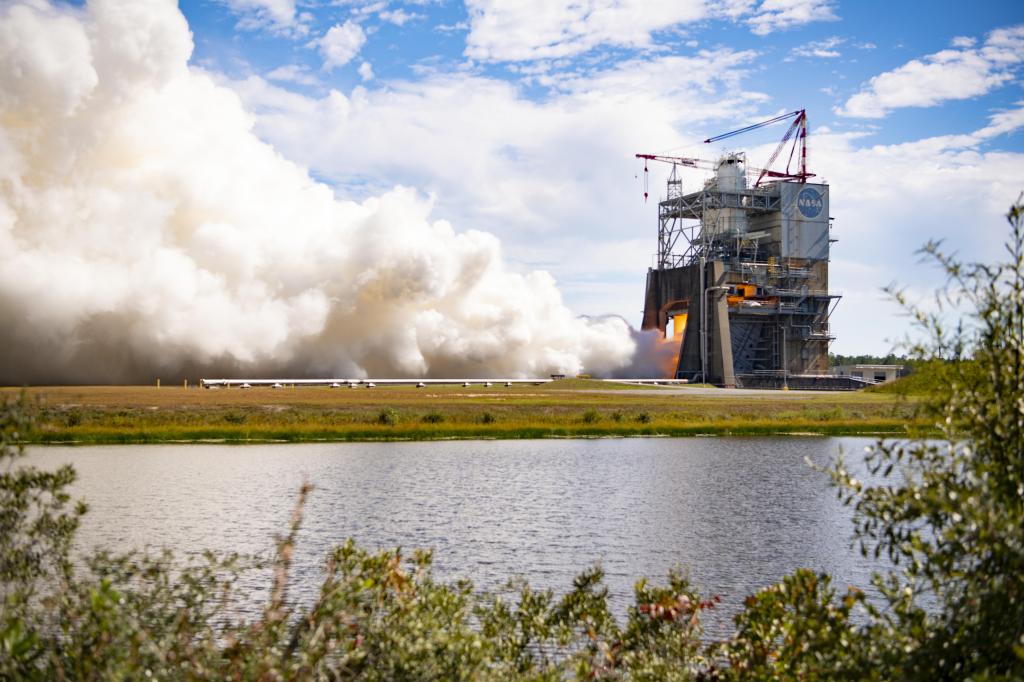
NASA tested developmental RS-25 engine No. 10001 on October 21 at the Fred Haise Test Stand in Mississippi's Stennis Space Center. The engine fired for about 500 seconds, matching the duration it runs during a Space Launch System launch. The test was conducted to support NASA's future Artemis missions. The article text provided was truncated, so further details about the test results are not included here.

0
SpaceNASA ·

NASA's JPL Marks 90 Years, Looking Ahead to Its Next Era of Exploration

The Jet Propulsion Laboratory traces its origins to rocket-propulsion experiments that Caltech graduate students and enthusiasts began in Pasadena's Arroyo Seco on October 31, 1936. Nine decades later, the lab, which Caltech manages on behalf of NASA, is focused on far more ambitious goals. Its planned work spans interstellar probes, lunar drones, and helicopters operating on Mars. The article frames these projects as a continuation of the innovation that began with those early pioneers. The lab's direction for the coming decades is presented as an extension of its long record of exploration.