SShortSingh.
Back to feed

Extratropical Cyclone Sweeps Past Iceland After Forming From Hurricane Remnants

0
·2 views
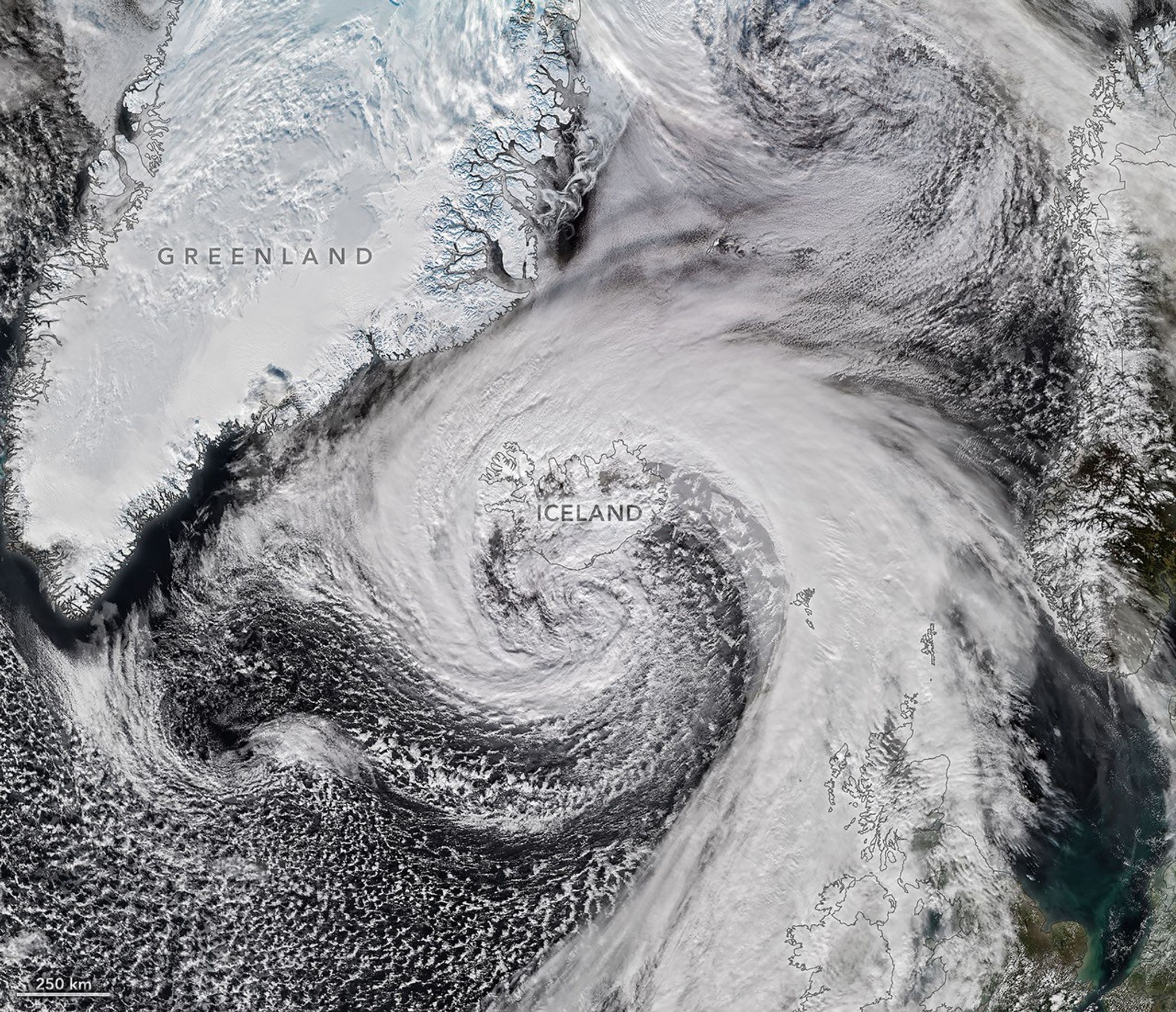
A powerful low-pressure system, known as an extratropical cyclone, has moved past Iceland. It developed over the North Atlantic from the remnants of Hurricane Isaias. The storm's strength drew attention from NASA, which reported on its passage. Details beyond the system's origin and track were not included in the source material.

Read the full story at NASA

This is an AI-generated summary. ShortSingh links to the original source for the complete article.
Discussion (0)

Log in to join the discussion and vote.

Log in

Related stories

0
SpaceNASA ·

NASA's APOD Highlights New Ghostly Structures Revealed in Cassiopeia

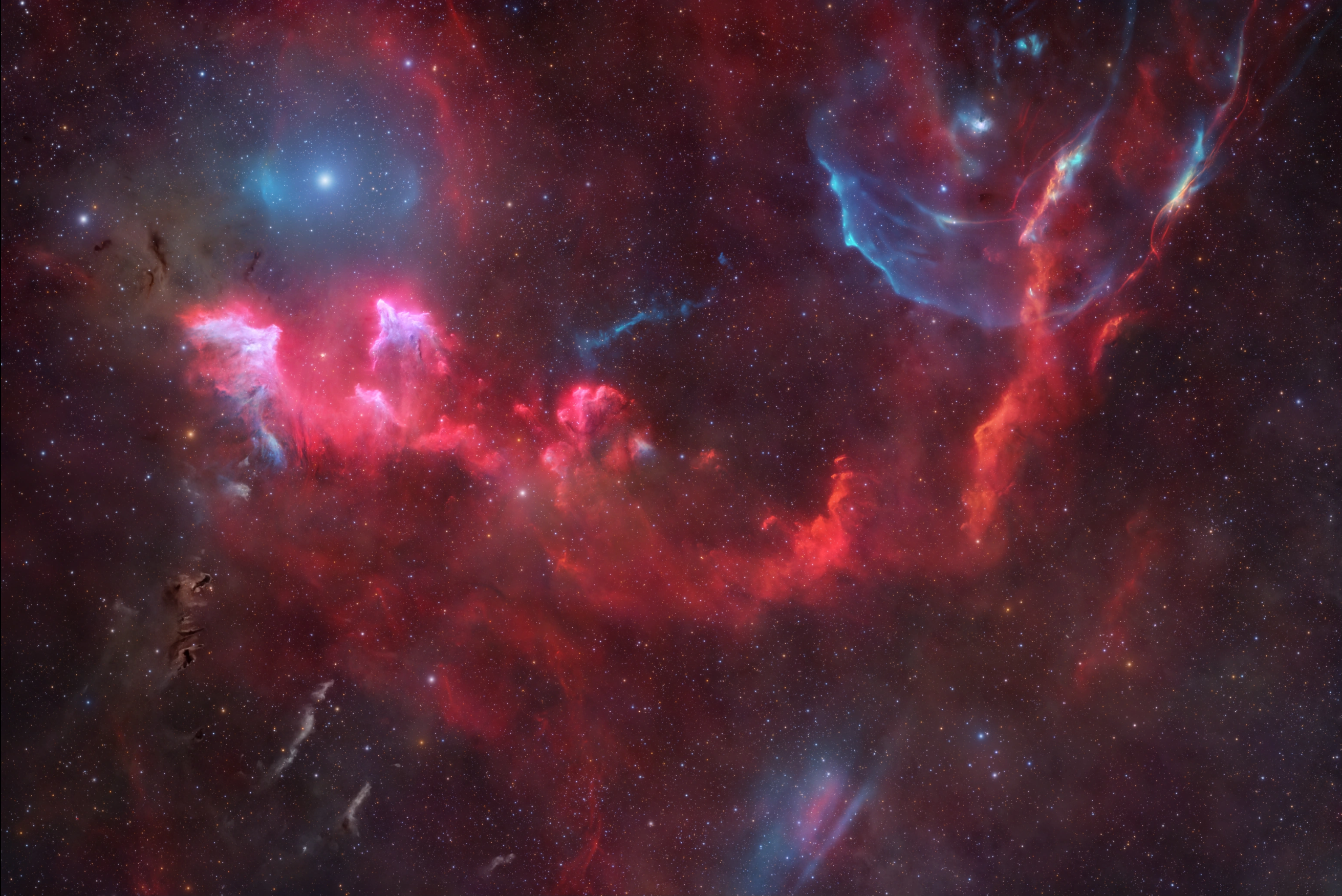
NASA's Astronomy Picture of the Day for October 21, 2026, features newly revealed faint structures in the constellation Cassiopeia. The image is part of NASA's daily APOD series, which pairs one cosmic photograph with a brief explanation written by a professional astronomer. The featured item is described as a set of 'ghosts,' a term used for ethereal, low-brightness features in the region. The source text provided is largely navigation and site boilerplate, so further technical details about the features are not available here.

0
SpaceNASA ·

NASA's SR-1 Freedom Advances Toward First Fission-Powered Deep-Space Flight

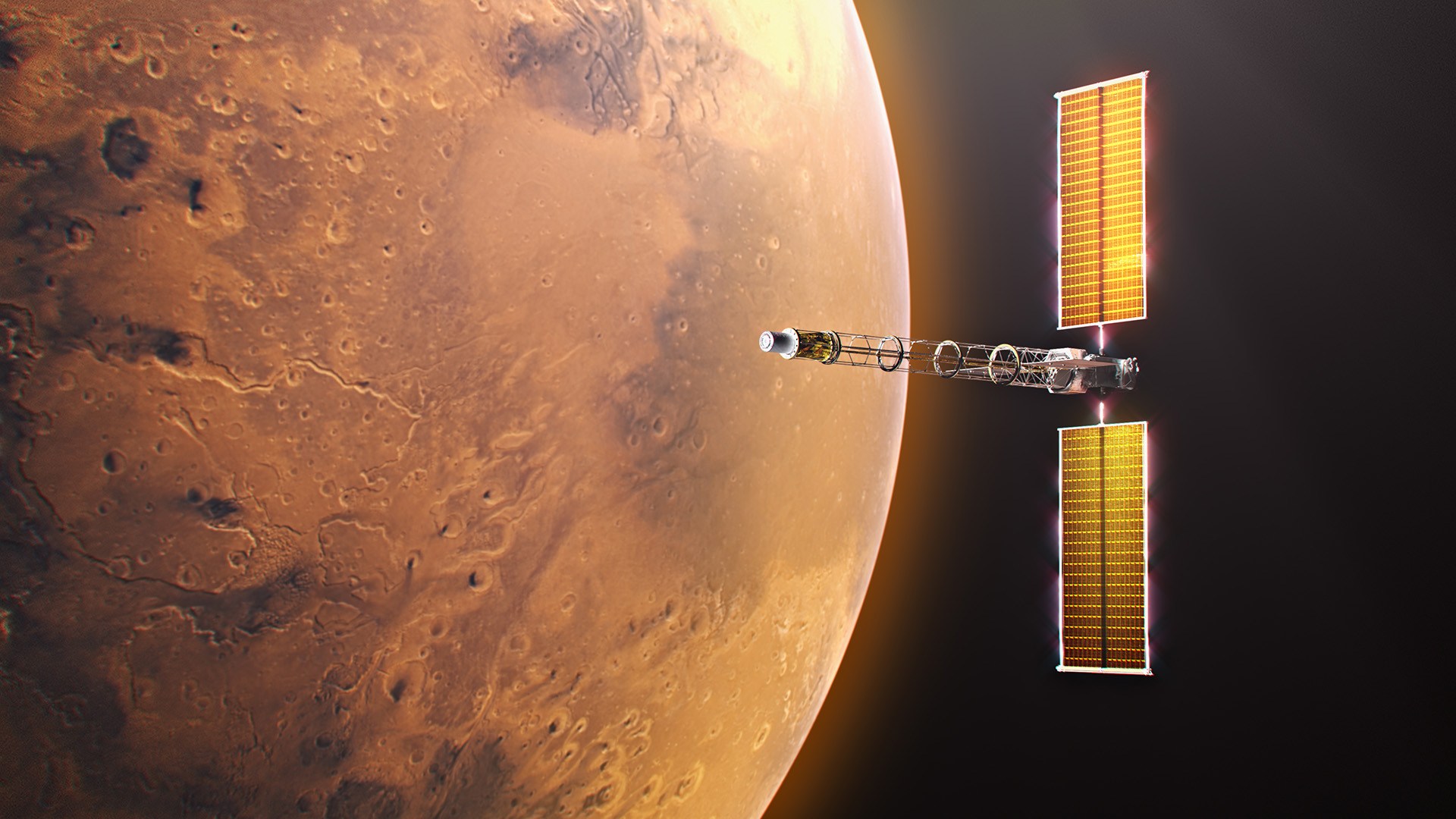
NASA's Space Reactor-1 (SR-1) Freedom is slated to become the first fission-powered spacecraft to travel beyond Earth's orbit, with Mars among its intended destinations. The mission was announced during NASA's "Ignition" event. Its core purpose is to demonstrate nuclear electric propulsion in deep space. Development is currently progressing on the nuclear power module, the spacecraft's key component. The article indicates NASA is taking steps to speed up the spacecraft's development.

0
SpaceNASA ·

NASA Outlines Role of Lunar Rovers in Early Moon Base Development

NASA is working toward establishing a Moon Base, and rovers, both crewed and robotic, are expected to be central to its early phases. These vehicles will support technology demonstrations, transport astronauts, map terrain, carry out scientific research, and search for useful resources. Information gathered during these initial missions is intended to shape future mobility systems and the infrastructure needed for long-term lunar habitation and work. The article provides a progress update on this effort but is cut short in the source text.