SShortSingh.
Back to feed

NASA Astronomy Picture of the Day Features an Anticrepuscular Rainbow Fan

0
·1 views
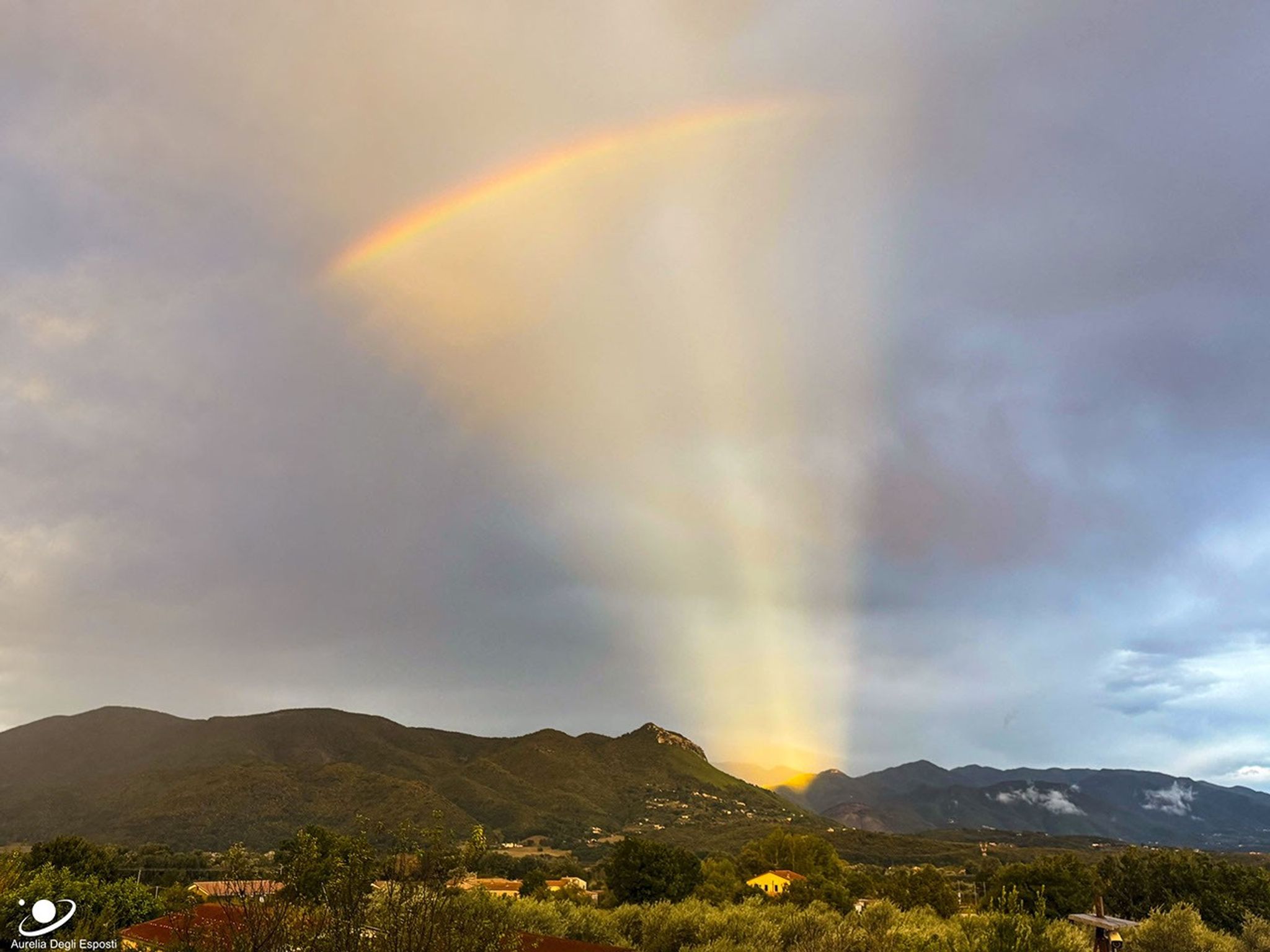
NASA's Astronomy Picture of the Day for October 20, 2026 showcases an anticrepuscular rainbow fan, an atmospheric optical phenomenon. The image was selected as part of NASA's daily series that features striking photographs of the cosmos and nearby natural sights. Each entry is accompanied by a brief explanation written by a professional astronomer. The featured item highlights how sunlight interacting with atmospheric conditions can produce fan-shaped rainbow patterns visible opposite the sun. Further details about the photograph's origin and location are available on NASA's APOD website.

Read the full story at NASA

This is an AI-generated summary. ShortSingh links to the original source for the complete article.

Discussion (0)

Log in to join the discussion and vote.

Log in

Related stories

0
SpaceNASA ·

Human Activity Is Reshaping How Water Moves Across Earth's Continents

Human activities have become closely linked to the way water is distributed across the continents. A newly published study examines these effects in greater detail. The research sheds clearer light on the extent of human influence on the planet's water cycle. The source article provides limited specifics, so the study's exact methods and quantified findings are not detailed here. The report is attributed to NASA.

0
SpaceNASA ·

NASA's Curiosity Rover Logs Martian Clouds and Marks the Start of a New Mars Year

A NASA Curiosity blog post, written by York University atmospheric scientist Alex Innanen, covers rover observations for sols 5036 to 5042. The entry notes that the new Mars year begins at the northern hemisphere's vernal equinox, with seasons tracked by solar longitude. It is dated to an Earth planning date of October 9, 2026. The post focuses on the rover watching clouds drift across the Martian sky during this period.

0
SpaceNASA ·

NASA Upgrades Methods for Analyzing Rocket Shock and Vibration

Rockets shake, vibrate, and flex heavily during launch, and the scientific instruments aboard spacecraft must withstand these forces. Before liftoff, NASA engineers estimate how such stresses will affect each component of a spacecraft. Engineers in the Dynamic Environments Group at NASA's Launch services program carry out this work. The improved analysis helps ensure delicate payloads can survive the demanding conditions of a launch. The article text provided is truncated, so further details on specific methods or results are not available.

0
SpaceNASA ·

NASA Glenn Researchers Build Software to Predict Aircraft Engine Noise

Research teams at NASA's Glenn Research Center are developing both theory and software aimed at forecasting noise produced by aircraft engines. The tools are designed to help engineers design and analyze new and improved aircraft propulsion systems. Copies of the software are available to request through NASA's Software Catalog. The article notes that building jet noise prediction codes involves several interrelated components. The material is presented as an overview of ongoing work rather than a report on a specific event.