SShortSingh.

Space

0
SpaceNASA ·

NASA Selects 2026 NIAC Phase I Projects Including Venus Rover and Sun-Dimming Concepts

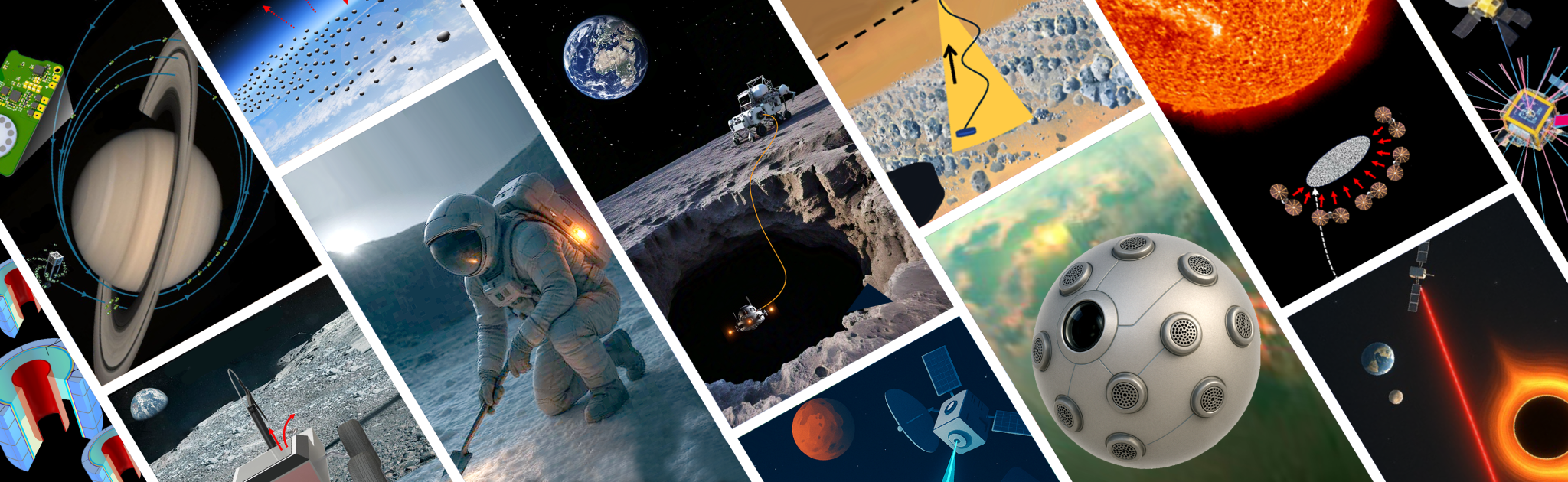
NASA has announced its 2026 selections for the NASA Innovative Advanced Concepts (NIAC) Phase I program, funding early-stage research into bold space technologies. One project, led by Saptarshi Bandyopadhyay at JPL, proposes using a controllable dust cloud to reduce solar insolation in a concept called DimSun. Another JPL proposal by David Bugby, named CANVAS, aims to develop a mobile, survivable architecture capable of operating on the surface of Venus. A third selection from the University of Central Florida, led by Anish Damodaran, seeks to advance submillimeter space interferometry using photonic technologies. The NIAC program supports visionary research that could eventually shape future NASA missions.
0
SpaceNASA ·

NASA Explores Spacecraft-Based Astrometry to Detect Low-Frequency Gravitational Waves

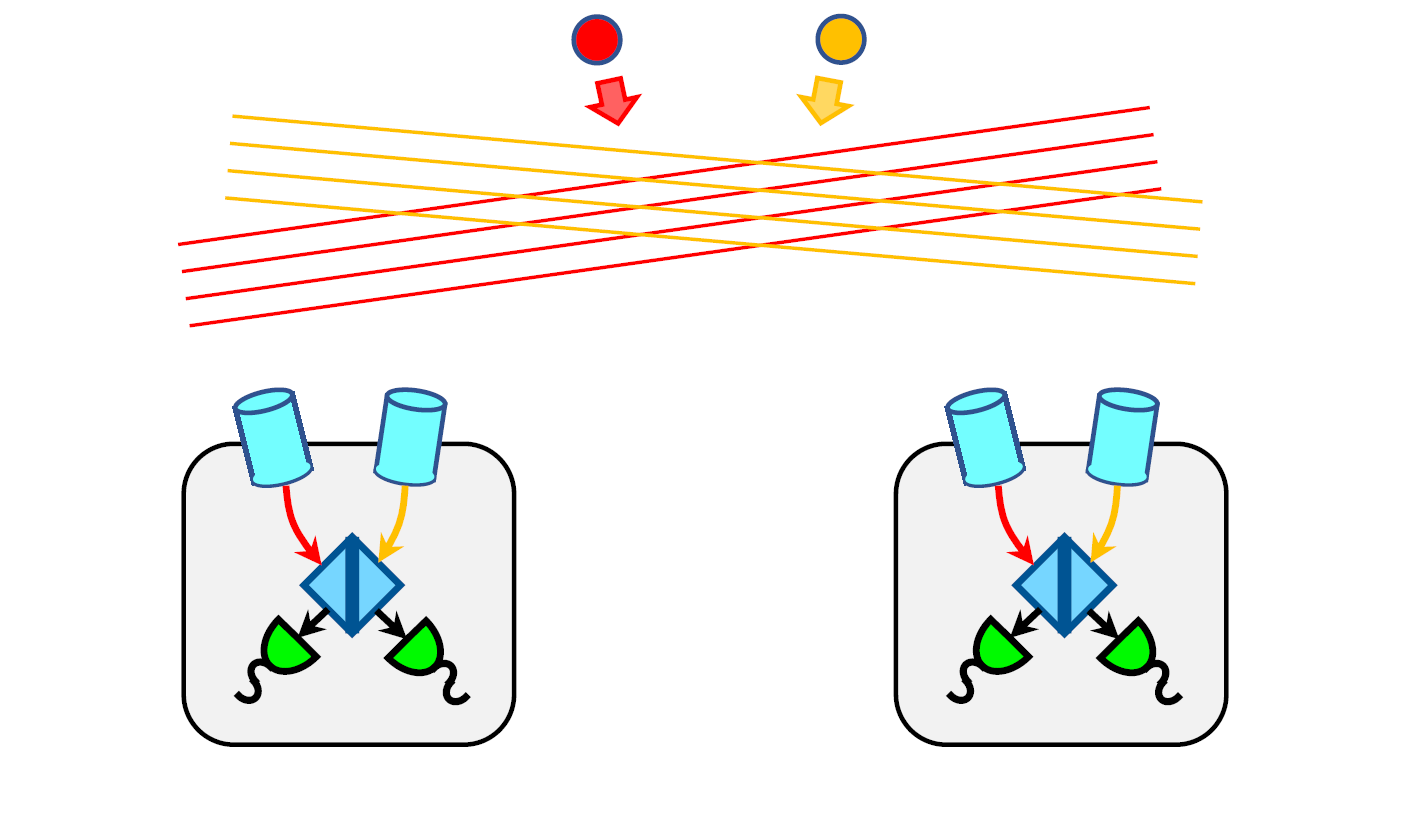
Researchers at Brookhaven Science Associates are developing a new method to detect gravitational waves at low frequencies using precision astrometry. The approach relies on the fact that gravitational waves passing near Earth cause a tiny but coordinated apparent shift in the positions of all objects across the sky. The proposed innovation involves deploying optically independent spacecraft to measure these minute positional changes with high precision. This astrometric technique offers an alternative observational strategy to existing gravitational wave detection methods. The project aims to open a new window into low-frequency gravitational wave astronomy.

0
SpaceNASA ·

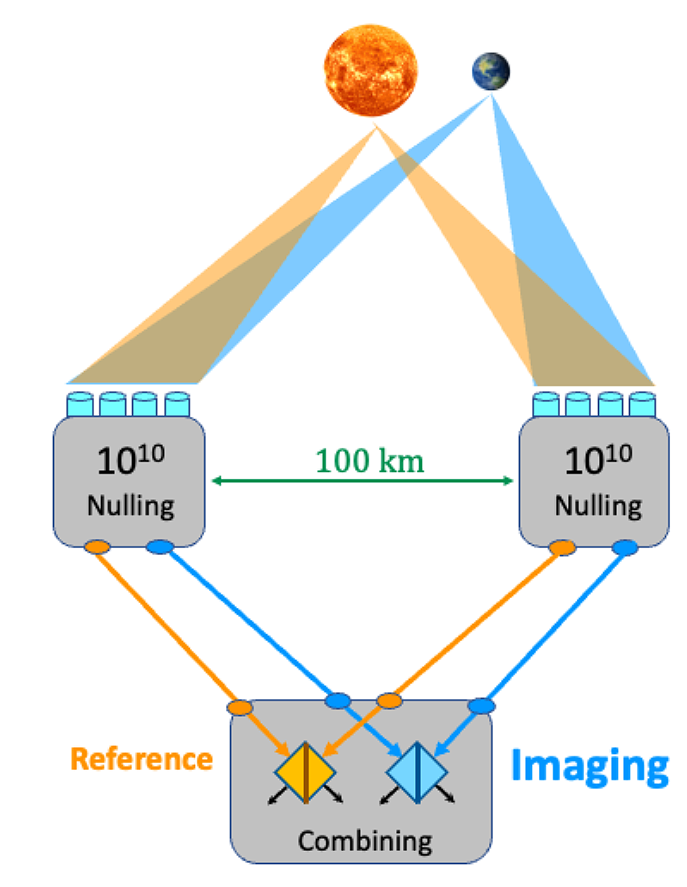
NASA Proposes Optical VLBI Technique to Image Surface Features of Exoplanets

NASA researcher Paul Stankus of Brookhaven Science Associates is working toward capturing visible-light images of Earth-like exoplanets orbiting nearby stars. The project aims to resolve actual surface features — such as continents — on distant worlds, a capability far beyond current technology. The approach involves two key innovations, the first being a new type of nulling interferometer called 'dynamic hierarchical nulling,' which combines multiple telescope inputs to suppress overwhelming starlight. The second stage applies optical Very Long Baseline Interferometry (VLBI) principles to achieve the extreme resolution needed for exoplanet surface mapping. If successful, the technique could mark a landmark advance in humanity's ability to directly study potentially habitable worlds beyond our solar system.

0
SpaceNASA ·

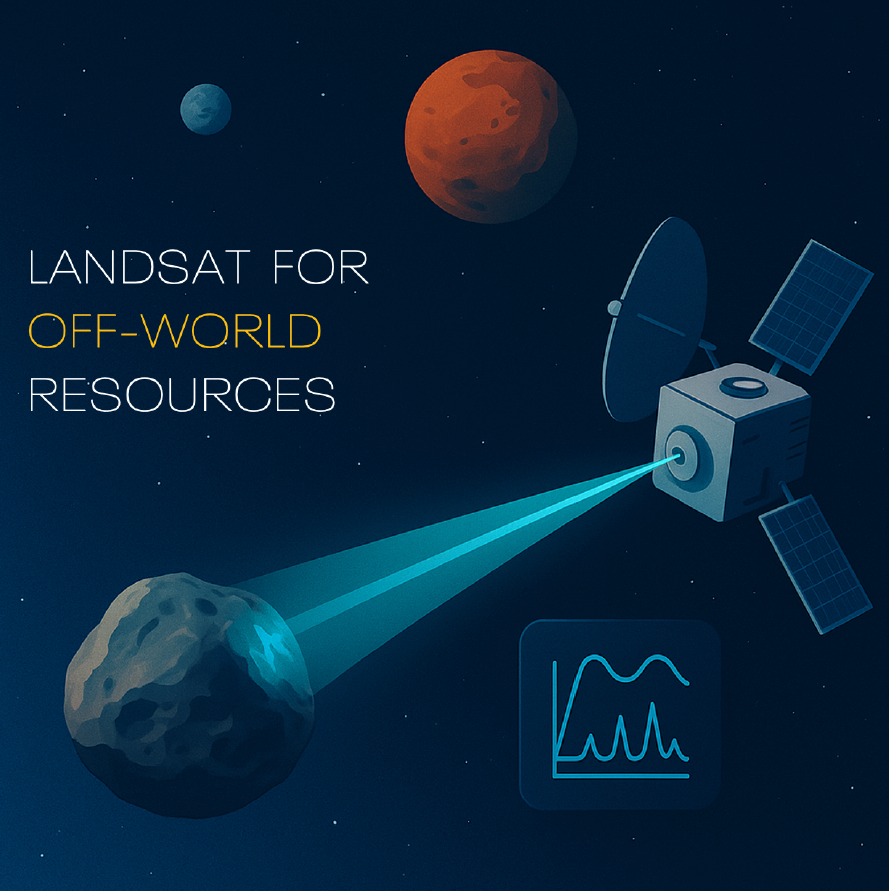
NASA Explores High-Speed Flyby Spacecraft to Map Minerals Across Solar System

NASA is evaluating a new concept for reconnaissance spacecraft capable of mapping mineral resources on planetary bodies during rapid flybys, without landing or collecting samples. The proposal, led by Pablo Sobron Sanchez of the SETI Institute, relies on Raman spectroscopy to identify minerals at high speed from orbit. Target bodies include the Moon, asteroids, and the moons of Mars, where ice, ilmenite, ores, and volatile-bearing minerals would be surveyed. The concept aims to expand NASA's resource assessment capabilities across the solar system in a cost-effective and efficient manner.

0
SpaceNASA ·

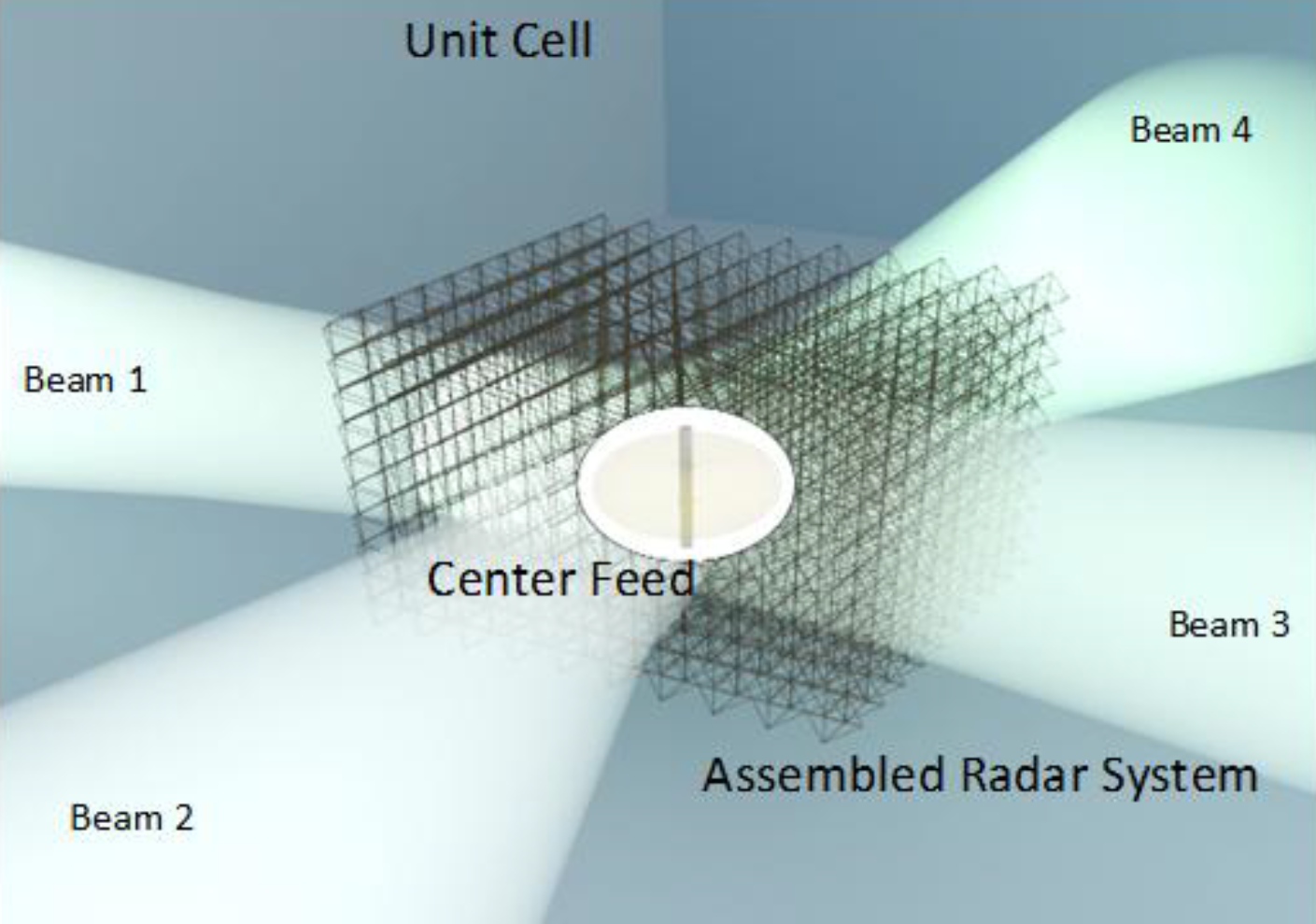
Duke University Develops Robotic Metamaterial Antennas to Boost Space Object Tracking

Duke University researcher David Smith is developing robotically assembled electromagnetic metamaterial systems aimed at improving space situational awareness (SSA). The project addresses the growing challenge of tracking the rising number of satellites and spacecraft in orbit. Current US Space Surveillance Network infrastructure, including the upgraded Space Fence, can detect objects as small as four inches but remains limited to ground-based installations. The new metamaterial-based approach seeks to overcome these constraints by enabling more powerful, potentially space-deployable tracking capabilities. The research is backed by NASA as part of broader efforts to enhance long-range detection of orbital objects.

0
SpaceNASA ·

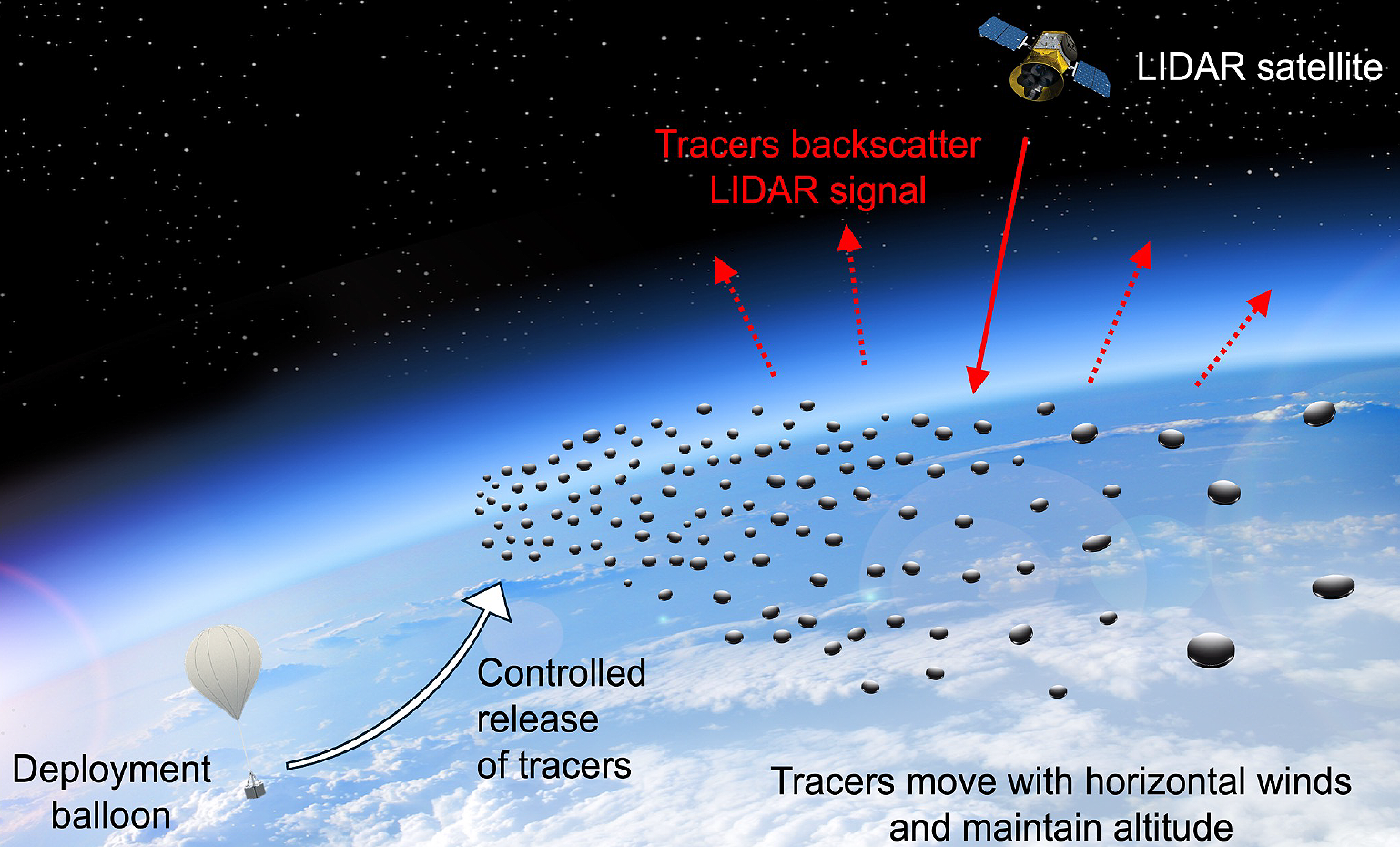
NASA Eyes Light-Levitating Tracers to Sense Atmosphere 30–100 km Up

Rarified Technologies has proposed a novel atmospheric sensing method targeting the largely under-monitored 30–100 km altitude range. The concept involves deploying lightweight tracers that use photophoresis — a process where sunlight exerts force on particles — to remain suspended for potentially months at controlled heights. Unlike natural aerosols, these engineered tracers are designed to produce strong, trackable signals. They would be monitored remotely using satellite-based lidar or radar systems. The proposal was submitted to NASA as part of efforts to improve data collection in a region of the atmosphere that is difficult to study with conventional tools.

0
SpaceNASA ·

NASA Backs Plan to Deploy 10,000 Tiny Steerable Satellites Around Saturn

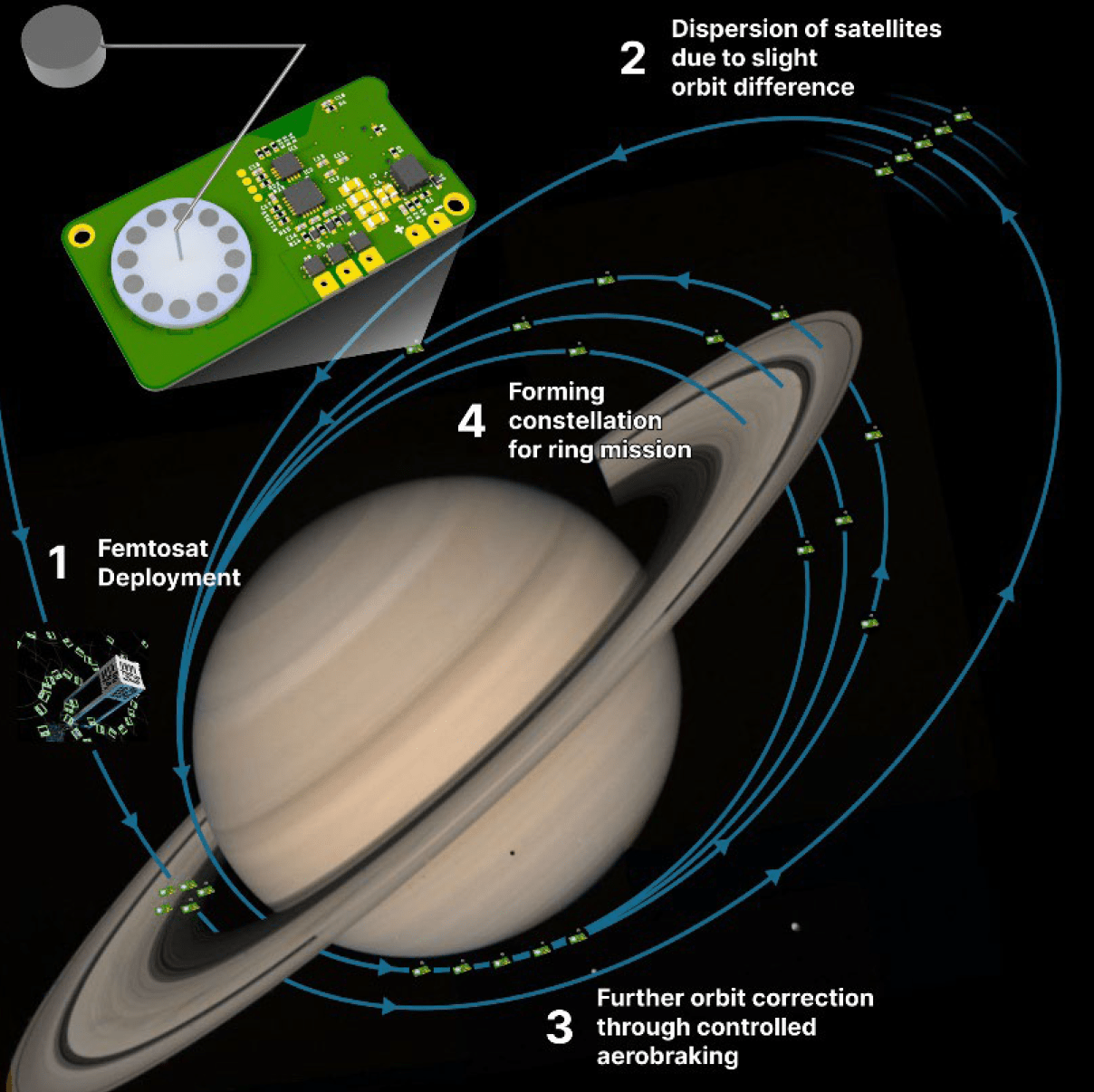
Northwestern University researcher Michael Rubenstein has proposed a NASA mission to deploy approximately 10,000 actively steerable femtosatellites around Saturn. The miniature spacecraft would conduct in-situ surveys of the planet's ring composition, atmospheric density, and magnetic field distribution. The proposal argues that relying on a single large flagship mission, like the Cassini spacecraft, poses an unacceptably high risk of total mission failure. Spreading the workload across thousands of small satellites would provide redundancy and far broader coverage of Saturn's complex environment.

0
SpaceNASA ·

NASA Concept Aims to Autonomously Sample Planetary Ring Particles In Situ

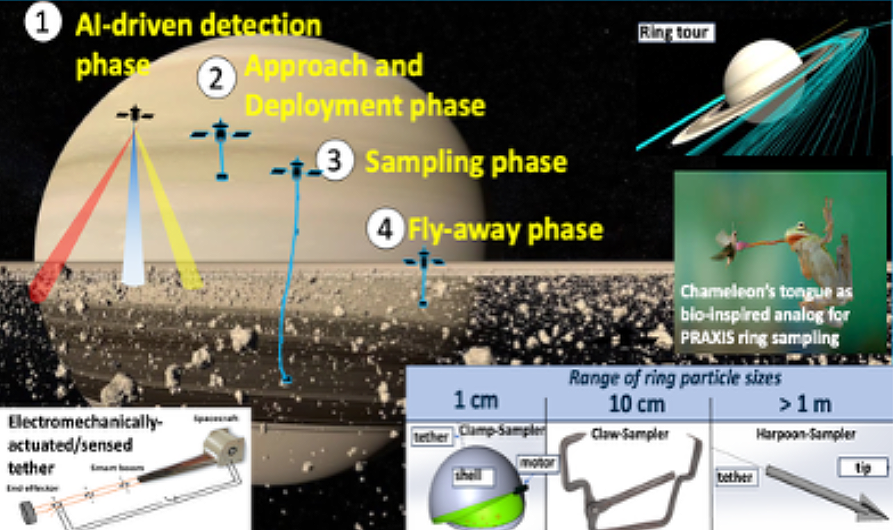
NASA's Jet Propulsion Laboratory is developing a concept called PRAXIS — Planetary Rings Autonomous EXploration with In-situ Sampling — designed to physically collect particles from planetary rings. No spacecraft has ever directly sampled ring material, making this a potential first in space exploration. The mission targets rings across the solar system, including Saturn's dense rings and the tenuous rings of Uranus and Neptune. Smaller bodies such as Centaurs Chariklo and Chiron, which also possess rings, are among the candidate targets. Scientists believe direct sampling could fundamentally transform understanding of how planetary rings form and are structured.

0
SpaceNASA ·

NASA Develops Passive Thermal Control System for Small Lunar Rovers

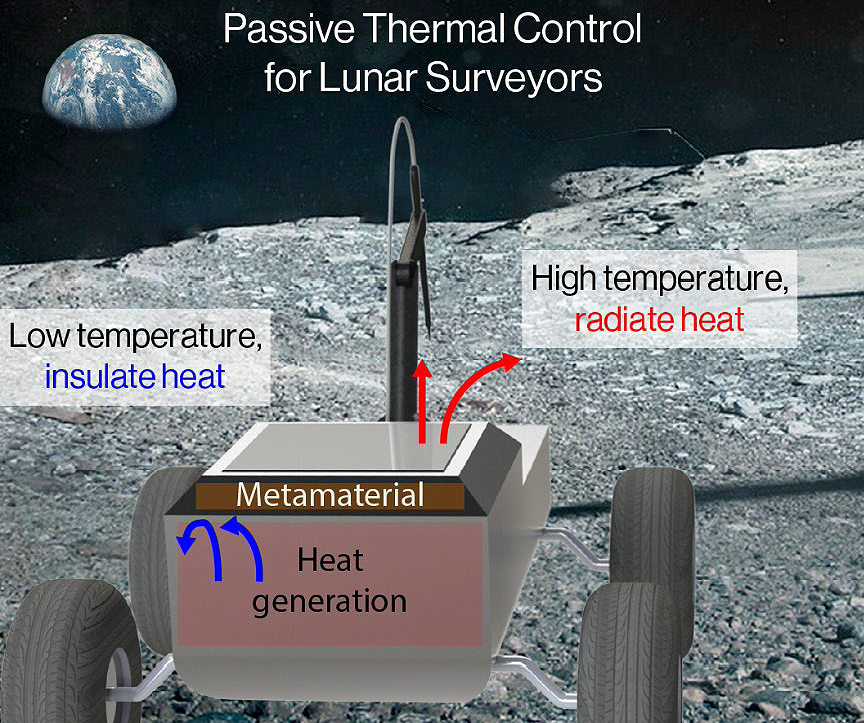
NASA is developing a new thermal management technology called ECLIPSE, designed to regulate temperatures in small, mobile lunar systems. Unlike existing solutions built for large infrastructure, ECLIPSE targets compact, independent devices that must operate without heaters or significant power supplies. The system aims to limit damaging temperature fluctuations that can stress hardware during lunar missions. It was developed in response to growing demand for disaggregated lunar infrastructure, where smaller units function autonomously. The innovation could be key to enabling reliable, low-power operations across future lunar exploration efforts.

0
SpaceNASA ·

NASA Backs Utah Research into High-Efficiency Nuclear Power for Deep Space

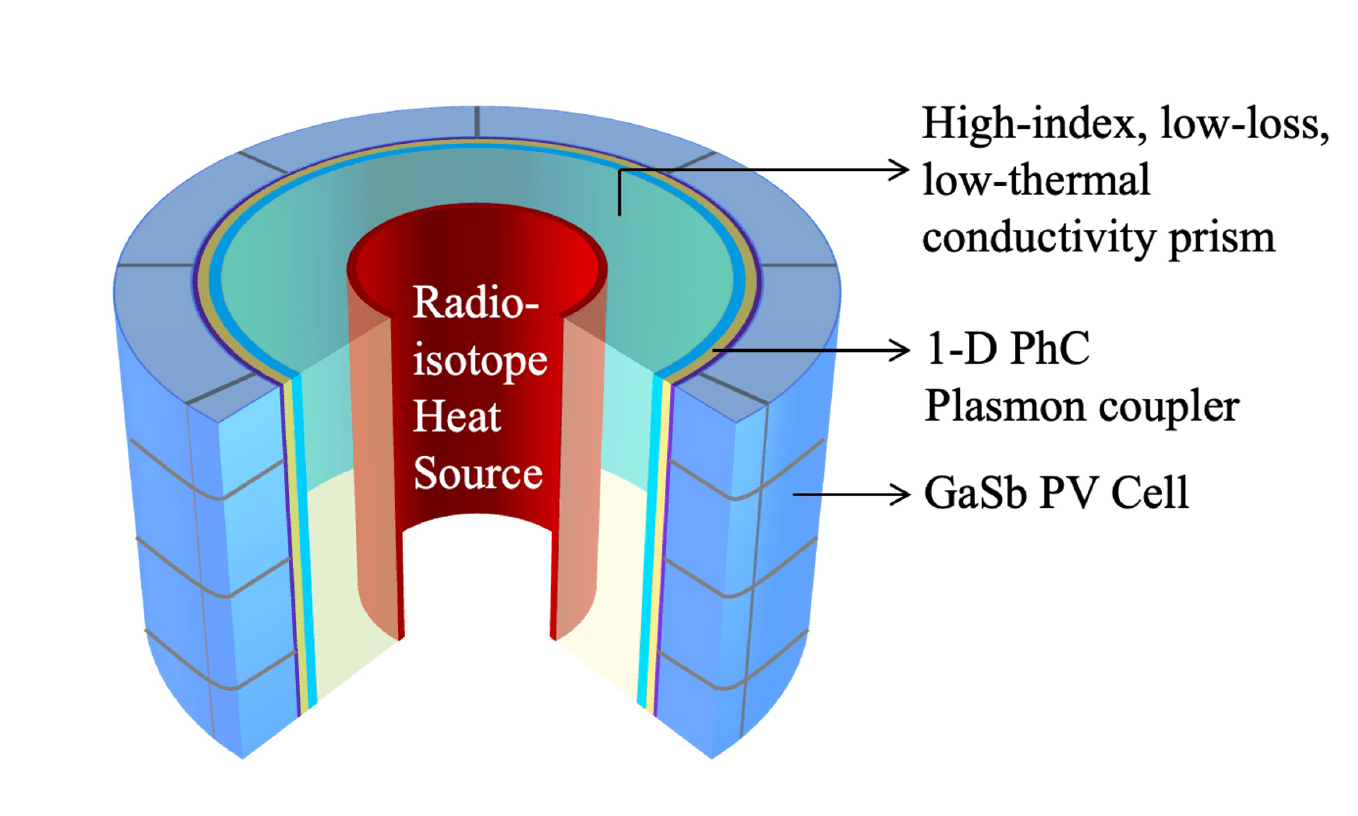
The University of Utah has received NASA backing to develop a new power system called the Plasmon-Enhanced Radioisotope Thermophotovoltaic (PRTPV) generator. The technology is designed to outperform existing Radioisotope Thermoelectric Generators (RTGs) currently used on deep-space missions. The proposed system targets a specific power output of 17 W/kg and a thermal-to-electric conversion efficiency exceeding 40%. These figures would represent a significant leap over the performance of conventional RTG technology. The advancement could make the PRTPV generator a viable power source for future interstellar missions.

0
SpaceNASA ·

NASA Works to Set Safe Dust Exposure Limits for Future Mars Crews

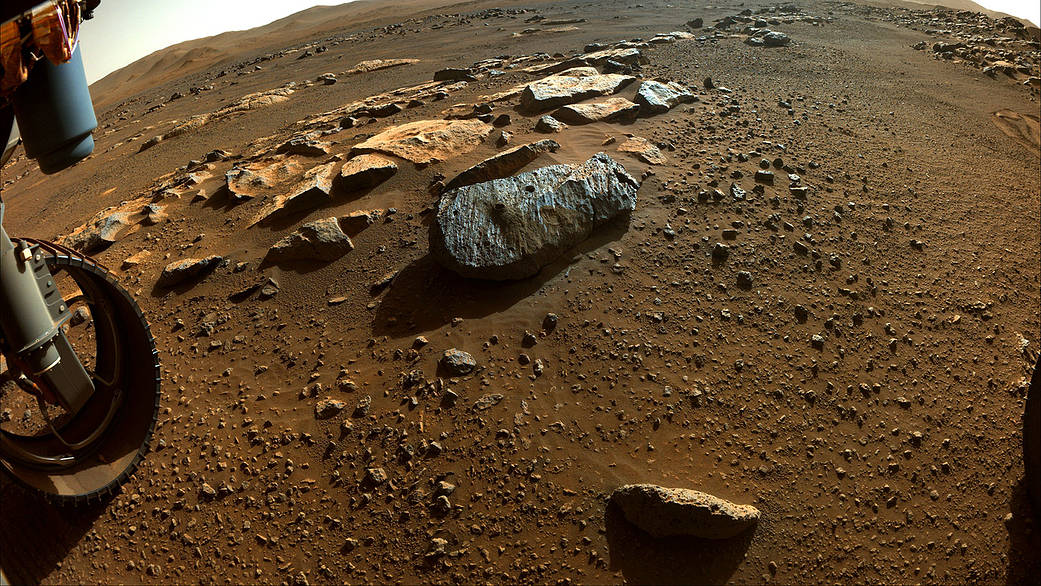
NASA is developing crew exposure limits for Martian dust ahead of future human missions to Mars. The fine particulate environment on Mars poses persistent health risks that are not yet fully understood. Since no actual Martian airborne dust samples have been returned to Earth, researchers are drawing on lunar dust toxicology studies, Martian soil simulants, and data collected by rovers and landers. This geochemical and mineralogical data forms the foundation for assessing the potential health implications of prolonged dust exposure on Mars.

0
SpaceNASA ·

NASA Develops Compact Particle Detection Instrument for CubeSat Missions

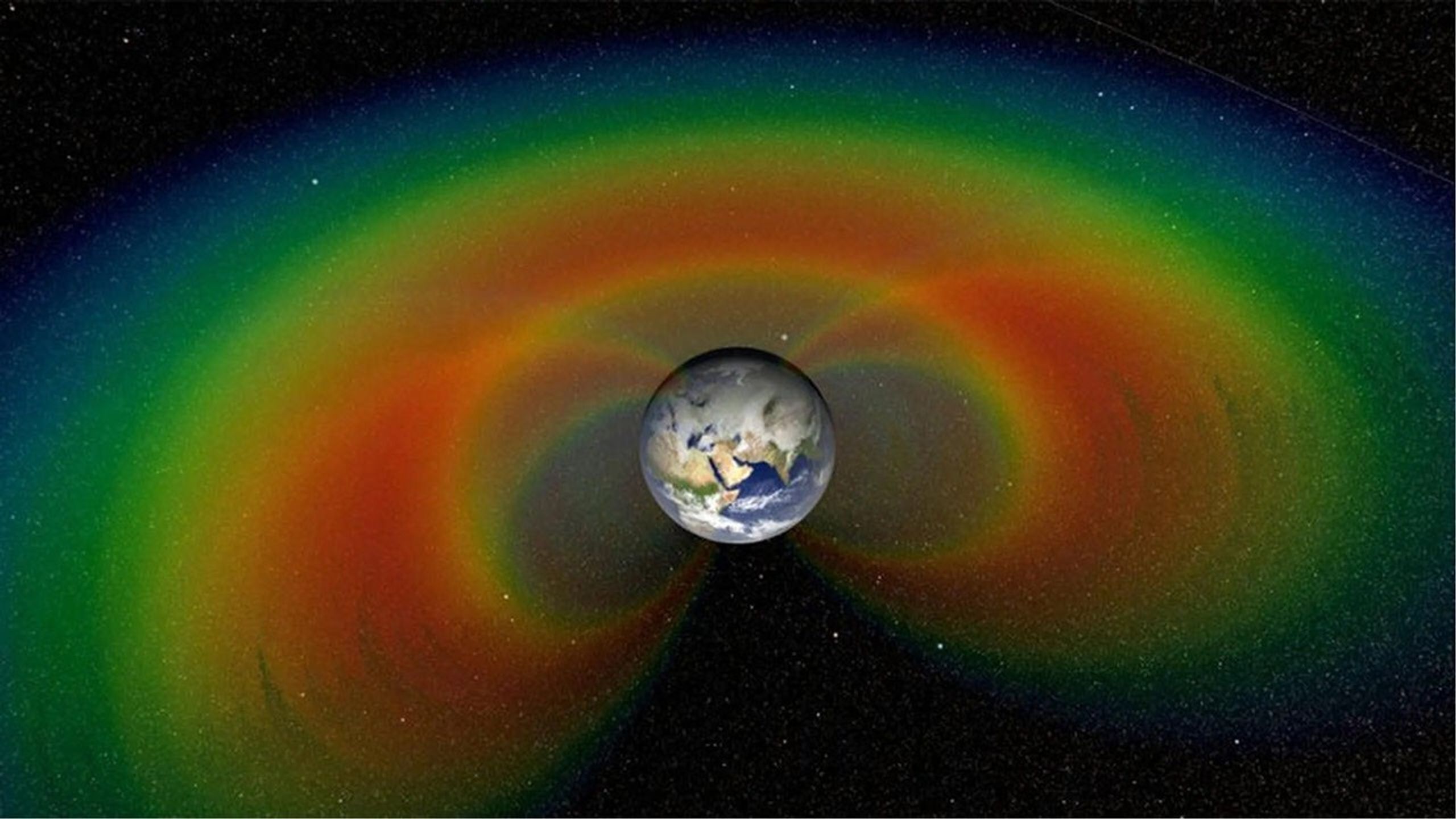
A team of NASA-sponsored researchers has created a new miniaturized instrument designed to measure high-energy particles in near-Earth space. The device uses miniaturized sensors arranged in a multi-view configuration, a design approach not previously seen in such instruments. It was built specifically for NASA's Relativistic Electron Atmospheric Loss (REAL) CubeSat mission. The instrument, also referred to as REAL, is intended to deliver more complete and high-fidelity measurements of energetic particles. Its compact form factor makes it well-suited for deployment on small satellites known as CubeSats.

0
SpaceNASA ·

Bedrock and River Sediment Shape Maine's Contrasting Coastlines

Maine's coastline displays a striking split in character on either side of Portland. West of the city, sandy shorelines dominate, while the northeastern coast turns rocky and jagged. NASA highlights that variations in underlying bedrock geology are a key factor driving this difference. The way rivers carry and deposit sediment also plays a significant role in shaping the smoother western shores. Together, these natural processes explain why two stretches of the same state's coast look so distinct from each other.

0
SpaceNASA ·

NASA to Brief Media on SpaceX Crew-13 Space Station Rotation Mission

NASA and its partners are set to hold two press conferences on Monday, August 3, at Johnson Space Center in Houston regarding an upcoming crew rotation to the International Space Station. The first briefing, scheduled for 12 p.m. EDT, will feature mission leadership providing an overview of the SpaceX Crew-13 mission. A second session will follow, during which the crew members themselves will speak about the mission. The events are part of standard pre-mission communications ahead of the planned crew rotation flight.

0
SpaceNASA ·

NASA and GE Aerospace Fly Megawatt Hybrid-Electric Engine at Farnborough Airshow

NASA and GE Aerospace have successfully demonstrated a megawatt-class hybrid-electric engine in flight, marking a significant milestone in aviation propulsion technology. The experimental engine was mounted to a Saab 340B aircraft for the demonstration. The flight took place at the Farnborough International Air Show in the United Kingdom. The collaboration aims to advance fuel-saving aircraft power systems that could influence future generations of commercial aviation.

0
SpaceNASA ·

NASA Prepares to Launch Six New Airborne Earth Science Campaigns

NASA is gearing up to begin a series of six new airborne science missions focused on studying Earth. The campaigns will be conducted using aircraft equipped with scientific instruments to gather data about our planet. The first of these missions is scheduled to take flight this summer. These airborne campaigns are part of NASA's broader efforts to monitor and better understand Earth's systems and environment.

0
SpaceNASA ·

NASA Langley's Pivotal Role in Viking Mars Landings Marked at 50-Year Anniversary

Fifty years ago, NASA's Viking 1 and 2 spacecraft achieved the first successful landings on Mars, marking a landmark moment in planetary exploration. The missions were significantly supported by engineers and scientists at NASA's Langley Research Center, located in Hampton, Virginia. The Langley team provided critical technical leadership that helped transform an ambitious concept into a fully operational mission. Their contributions were instrumental in ensuring the landers safely reached the Martian surface. The Viking missions fundamentally changed humanity's understanding of Mars and set the foundation for future robotic exploration of the planet.

0
SpaceNASA ·

NASA's Viking 1 Captures First-Ever Images of Mars Surface in 1976

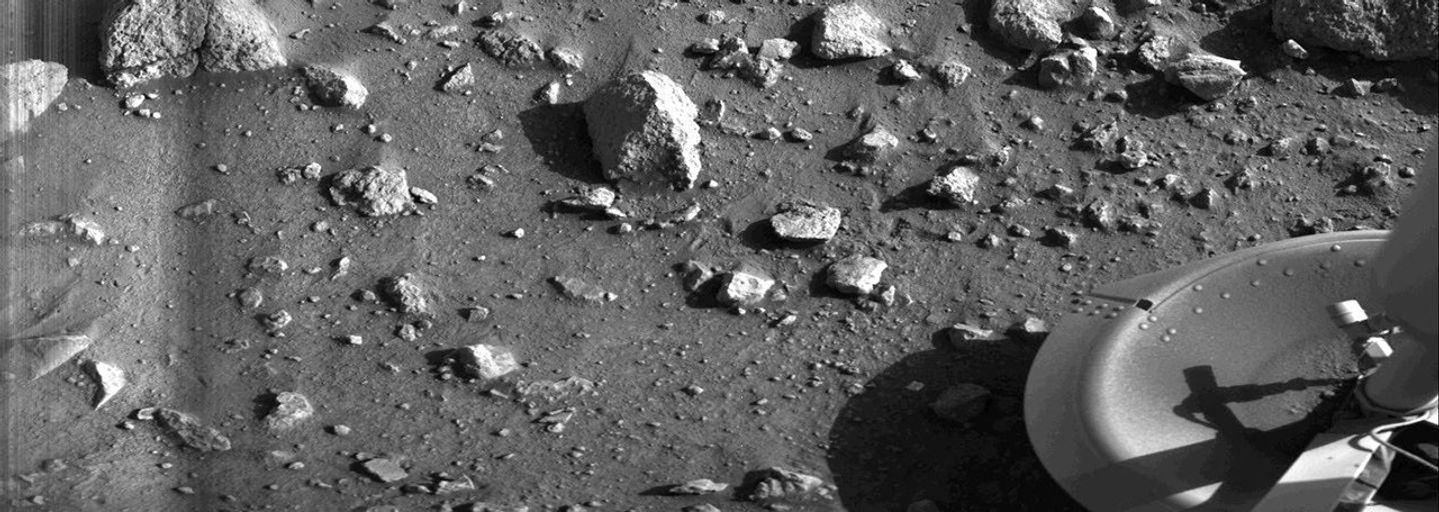
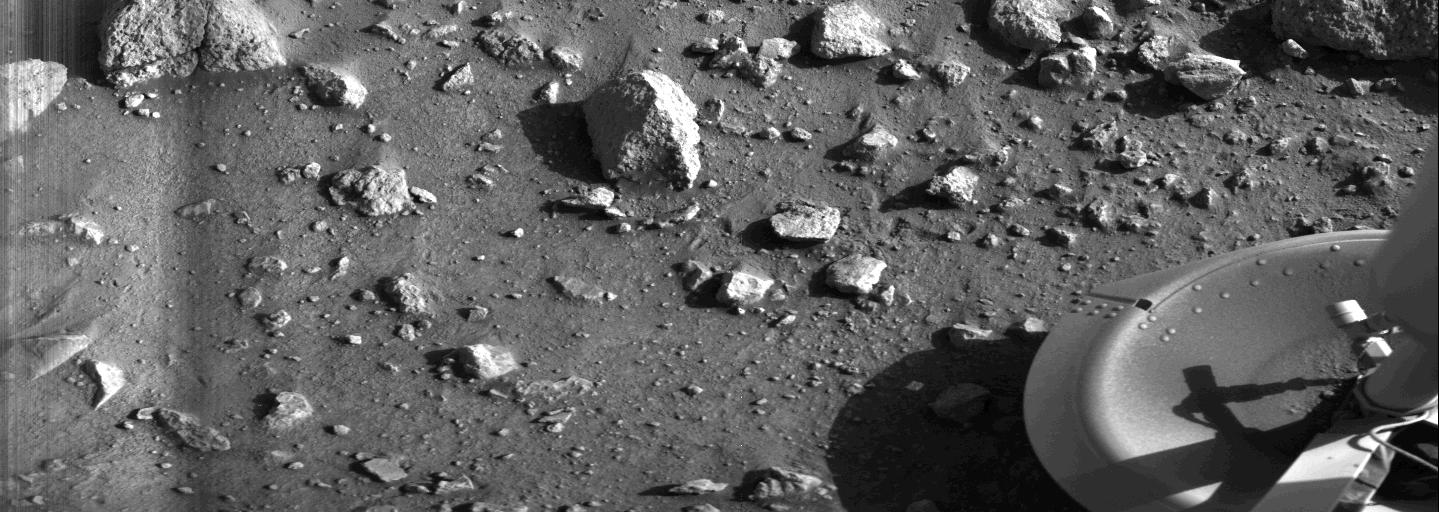
On July 20, 1976, NASA's Viking 1 lander successfully touched down on Mars at 5:12 a.m. PDT, marking a historic milestone in space exploration. Mission controllers at NASA's Jet Propulsion Laboratory celebrated as the spacecraft safely navigated through Mars's thin atmosphere. Approximately 40 minutes after landing, the lander began transmitting its first image of the Martian surface to scientists on Earth. The grainy picture appeared gradually on monitors, offering humanity its first direct visual glimpse of the Martian landscape.

0
SpaceNASA ·

Glaciers and Human Activity Shaped Seattle's Distinctive Landscape

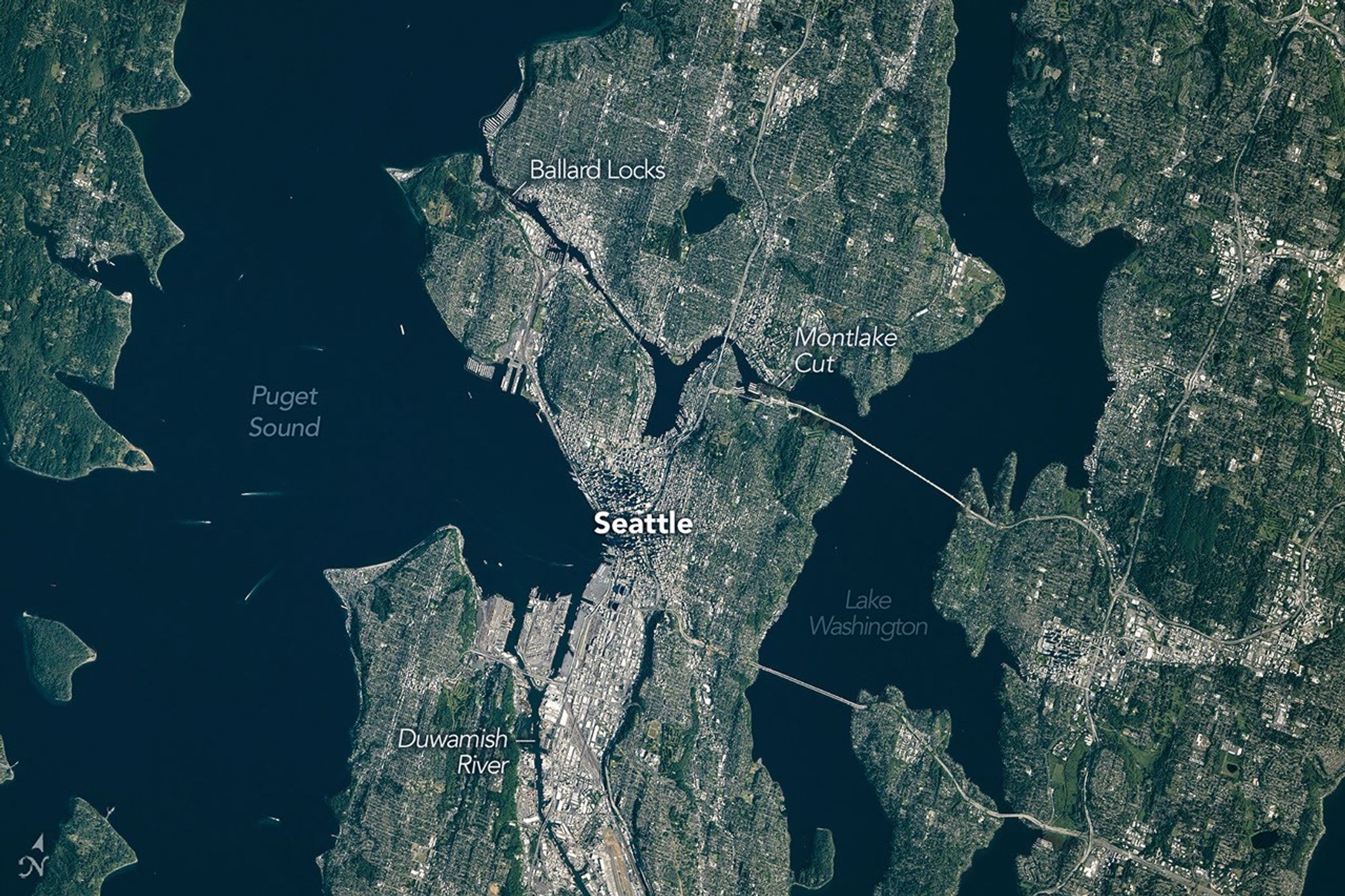
Seattle, Washington, features a terrain of hills and basins that has been formed over time by natural and human forces. Glacial activity played a primary role in carving out the city's characteristic topography. Beyond natural processes, human intervention has further modified the landscape over the years. NASA highlighted Seattle's unique geography, drawing attention to how both geological and man-made factors have defined the region's physical character.

0
SpaceNASA ·

NASA Tests Experimental Truss-Braced Wing Design Beyond Its Structural Limits

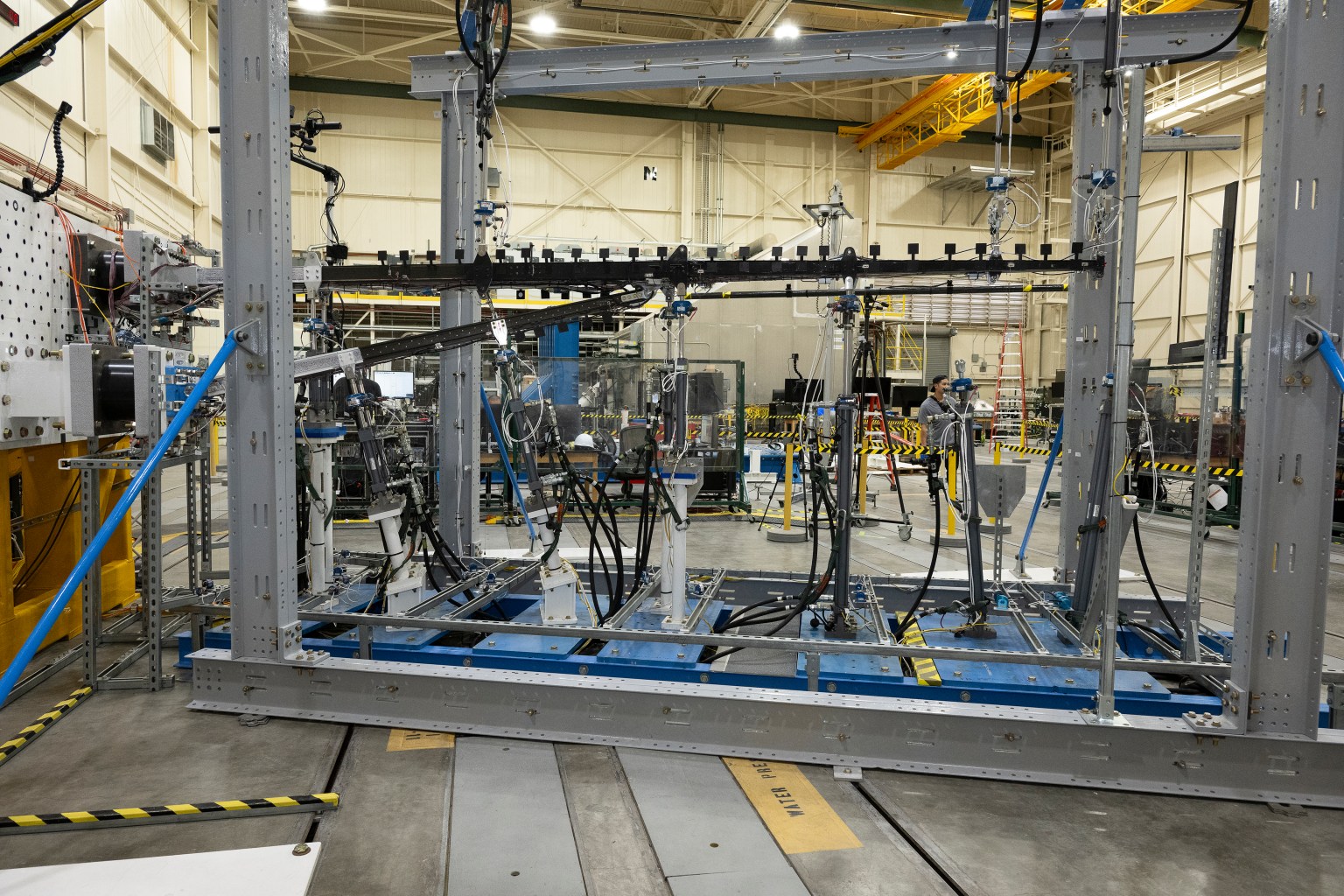
NASA researchers have conducted a series of rigorous structural tests on a new experimental wing design called the Structural Wing Experiment Evaluating Truss-bracing, or SWEET-15. The wing features a long, thin profile with a lightweight truss-braced structure, measuring 15 feet in length. Engineers deliberately pushed the wing beyond its intended operational limits to determine how much stress it could withstand. The results of the tests left the research team encouraged about the design's structural potential and durability. The findings could inform the development of more efficient future aircraft wing configurations.

← NewerPage 19 of 25Older →