SShortSingh.
Back to feed

Giant Greenland Iceberg Collides With Island After Breaking From Glacier

0
·1 views
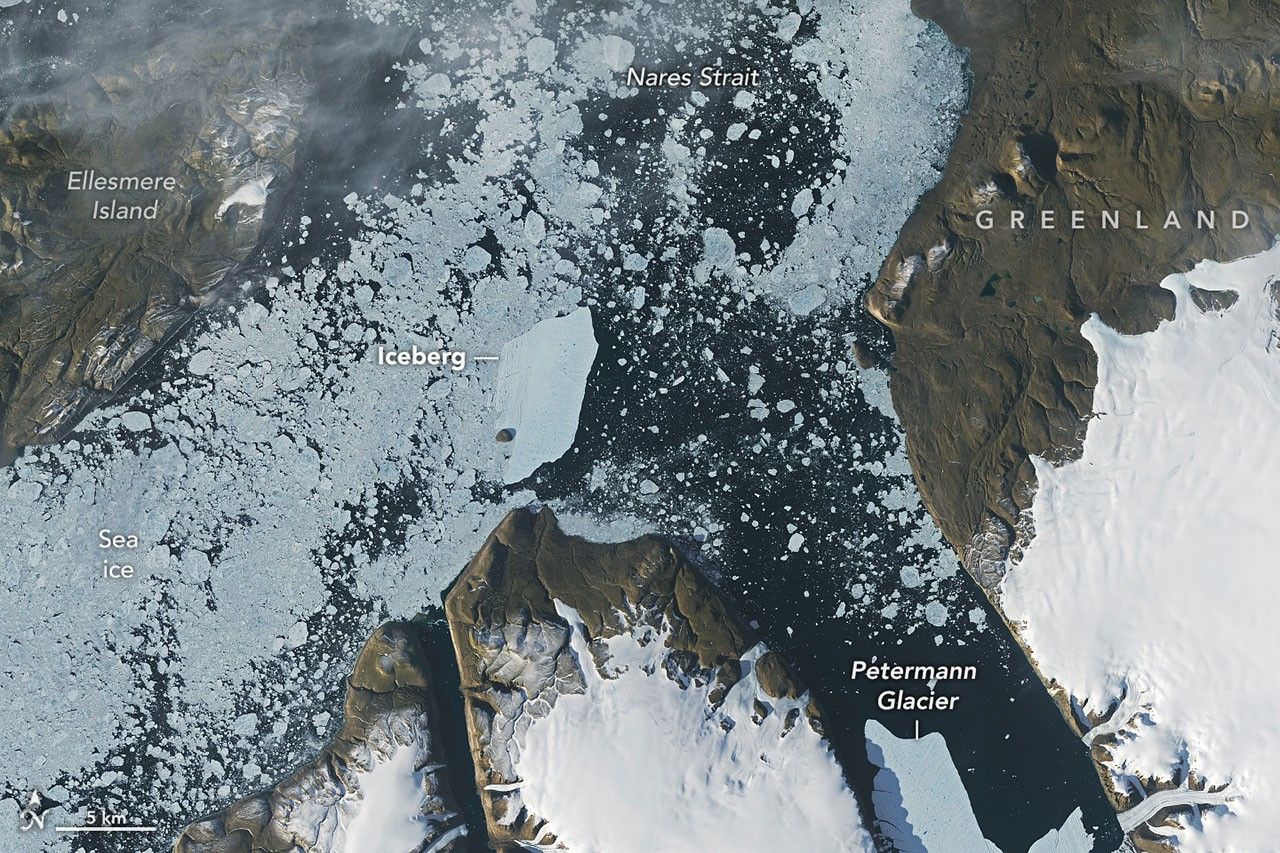
In summer 2026, a large iceberg broke off from Petermann Glacier in northwest Greenland. It quickly drifted into Nares Strait following its calving. During its movement, the iceberg collided with a nearby island. Despite the collision, the iceberg remained largely intact and continued its journey through the strait.

Read the full story at NASA

This is an AI-generated summary. ShortSingh links to the original source for the complete article.
Discussion (0)

Log in to join the discussion and vote.

Log in

Related stories

0
SpaceNASA ·

NASA APOD Features Striking Image of a Planar Lunar Eclipse

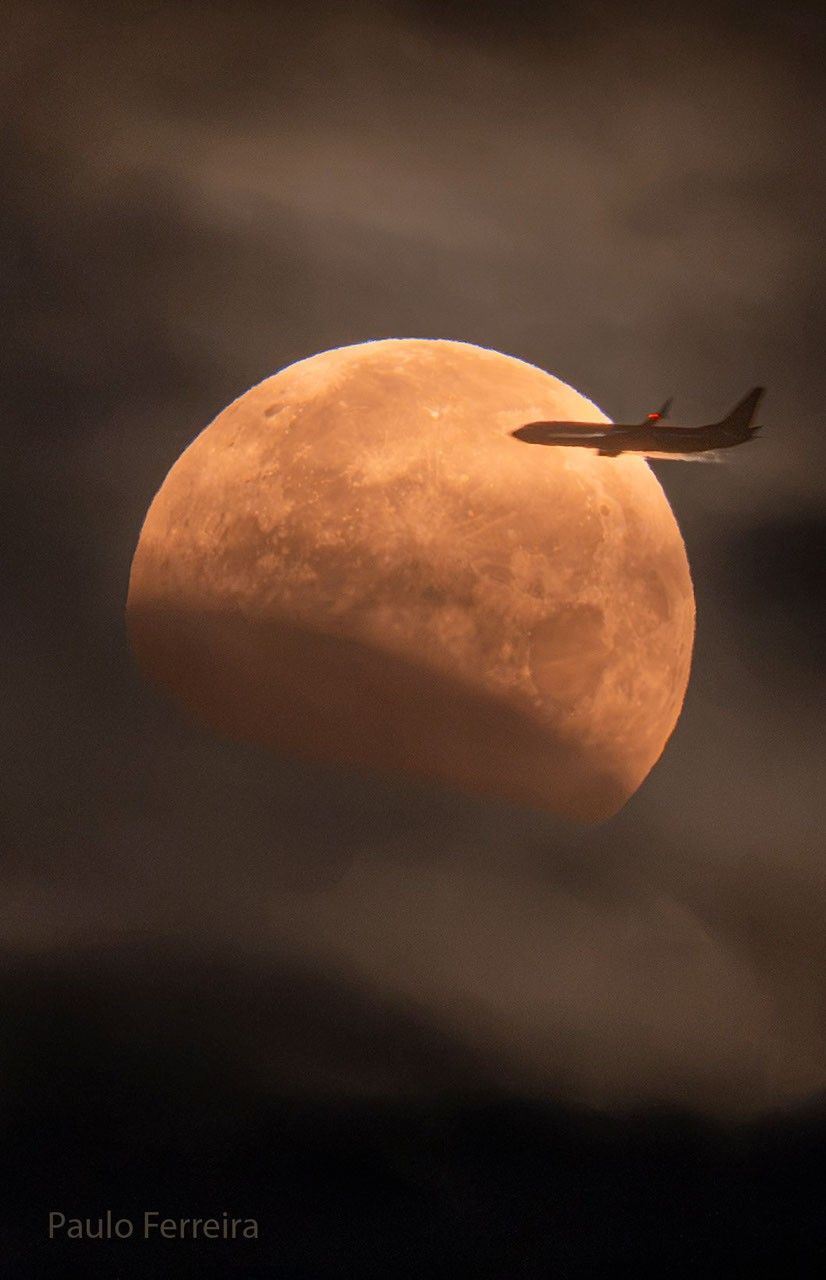
NASA's Astronomy Picture of the Day (APOD) for September 1, 2026, features an image titled 'A Plane Lunar Eclipse.' APOD is a long-running NASA program that publishes a new space image or photograph each day, accompanied by an explanation from a professional astronomer. The featured image appears to capture a lunar eclipse from a unique perspective, though full details of the photograph and its explanation are not available from the provided text. APOD serves as an educational resource aimed at helping the public discover and engage with astronomy and the broader cosmos.

0
SpaceNASA ·

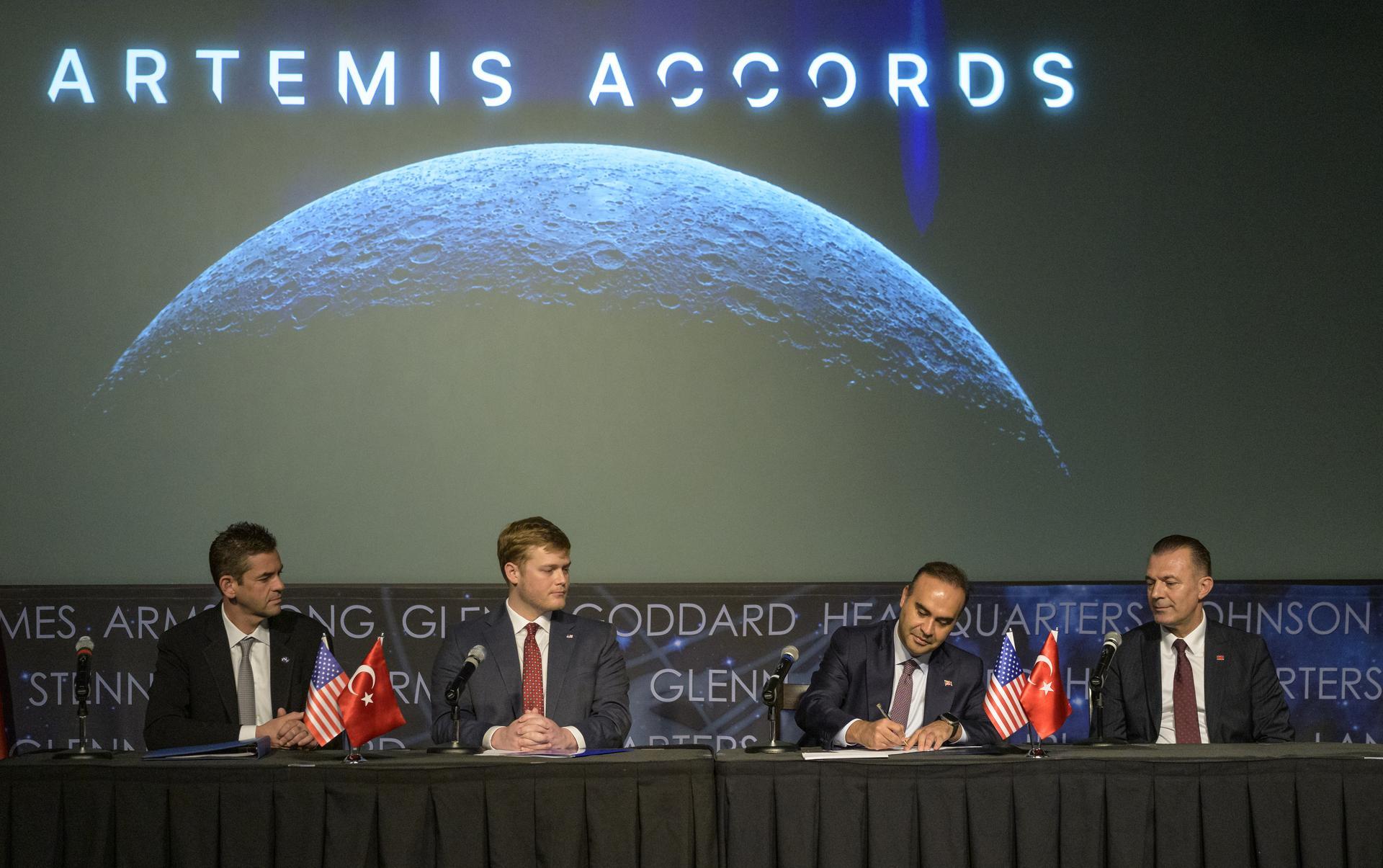
Türkiye Becomes 71st Nation to Sign NASA's Artemis Accords

Türkiye officially joined the Artemis Accords on Monday, becoming the 71st country to sign the international space exploration agreement. The signing ceremony was hosted by NASA Administrator Jared Isaacman at the agency's headquarters in Washington. The Artemis Accords establish principles for peaceful and transparent cooperation in civil space exploration. Türkiye's addition further expands the growing coalition of nations committed to responsible conduct in outer space.

0
SpaceNASA ·

NASA's Nancy Grace Roman Space Telescope Launches Aboard SpaceX Falcon Heavy

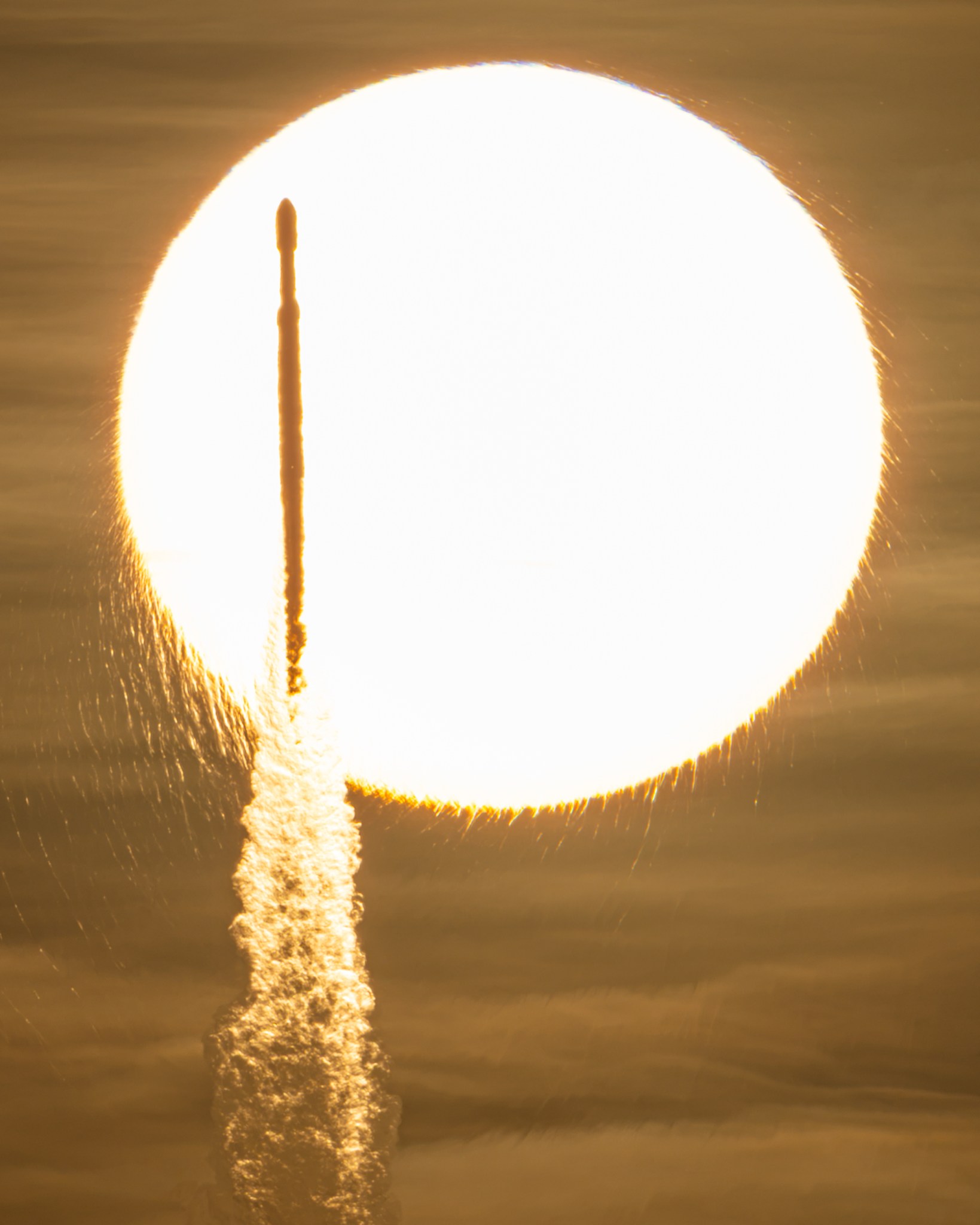
NASA's Nancy Grace Roman Space Telescope lifted off on a SpaceX Falcon Heavy rocket from Kennedy Space Center in Florida on August 30, 2026. The telescope is named after NASA's first chief astronomer, Nancy Grace Roman. Designed for wide-field astronomy, Roman offers a significantly larger field of view than the Hubble Space Telescope. Its primary mission will involve surveying billions of stars and galaxies across the universe.

Giant Greenland Iceberg Collides With Island After Breaking From Glacier · ShortSingh