SShortSingh.

Space

0
SpaceNASA ·

NASA Satellite Data Reveals El Niño Disrupting Pacific Ocean Nutrients

NASA satellite measurements have detected significant changes in chlorophyll levels at the Pacific Ocean's surface in mid-2026. These shifts in chlorophyll concentration serve as indicators of underlying changes in the ocean's nutrient supply. The disruption is linked to El Niño, the periodic climate phenomenon known for altering ocean temperatures and circulation patterns. Such nutrient changes directly affect marine ecosystems, impacting the abundance and distribution of sea life across the Pacific.

0
SpaceNASA ·

NASA Astronomy Picture of the Day Highlights a Stunning View of the Sun

NASA's Astronomy Picture of the Day (APOD) for August 9, 2026, features an image centered on the Sun. The APOD program, a long-running NASA initiative, publishes a new space image each day accompanied by an explanation from a professional astronomer. The featured content invites viewers to explore and reflect on our closest star. APOD serves as an educational resource, making astronomy accessible to a global audience through striking visuals and expert commentary.

0
SpaceNASA ·

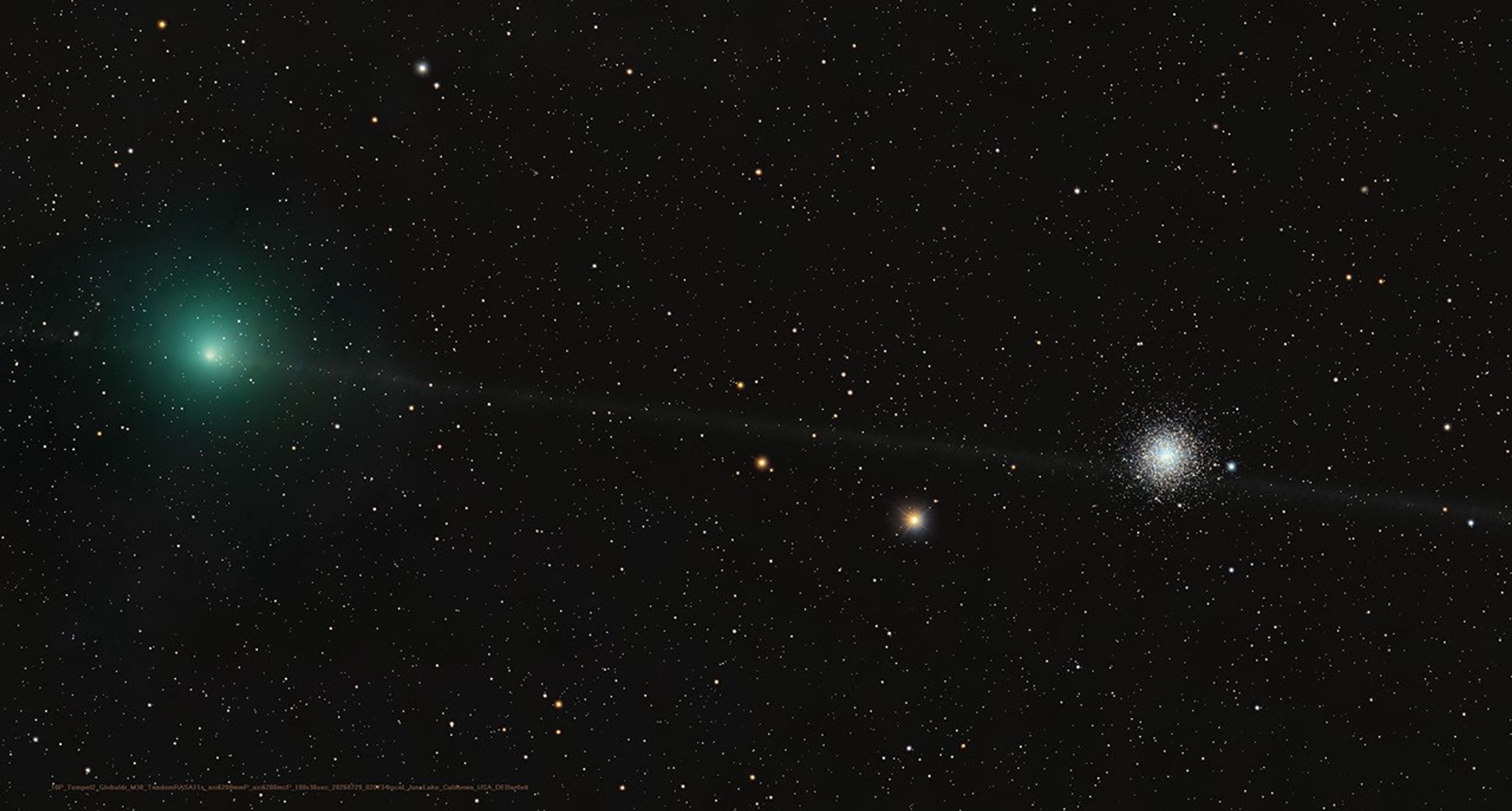
NASA APOD Highlights Comet Tempel 2 in August 2026 Feature

NASA's Astronomy Picture of the Day (APOD) for August 8, 2026, features an image related to Comet Tempel 2, a periodic comet also catalogued in historical astronomical records. APOD is a long-running NASA program that publishes a daily space image accompanied by an explanation from a professional astronomer. The feature draws a connection between the comet and the Messier catalogue, a historic list of astronomical objects compiled by French astronomer Charles Messier. Each APOD entry aims to make space science accessible to the general public through striking visuals and educational commentary. The August 8 entry continues this tradition by spotlighting a comet of both historical and scientific significance.

0
SpaceNASA ·

NASA to Host Earth Science Hyperwall Presentations at IGARSS 2026

NASA will host a series of expert-led Hyperwall presentations at the IGARSS 2026 conference, located at Booth #100 in the Exhibit Hall. The sessions are scheduled across multiple days beginning Monday, August 10, 2026. Opening talks on August 10 will cover topics including future Earth science technologies and new NASA missions, featuring speakers Mike Seablom and Karen St. Germain. Additional sessions are planned for August 11, including a presentation on STELLA, an open-source multisensor platform for real-time data. The event aims to showcase NASA's latest advances in Earth system science and observation technology.

0
SpaceNASA ·

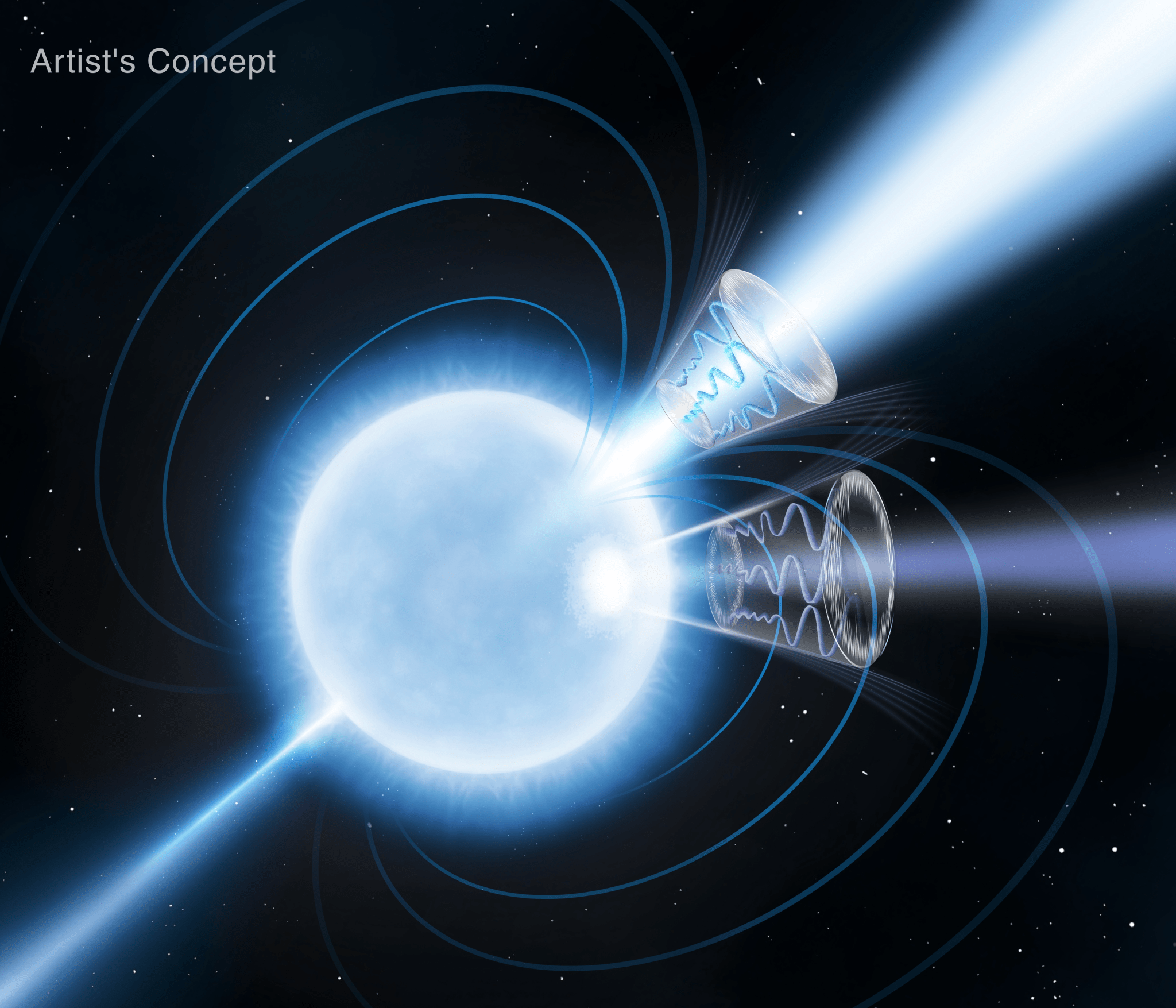
NASA's IXPE May Have Detected 90-Year-Old Physics Phenomenon Near Magnetar

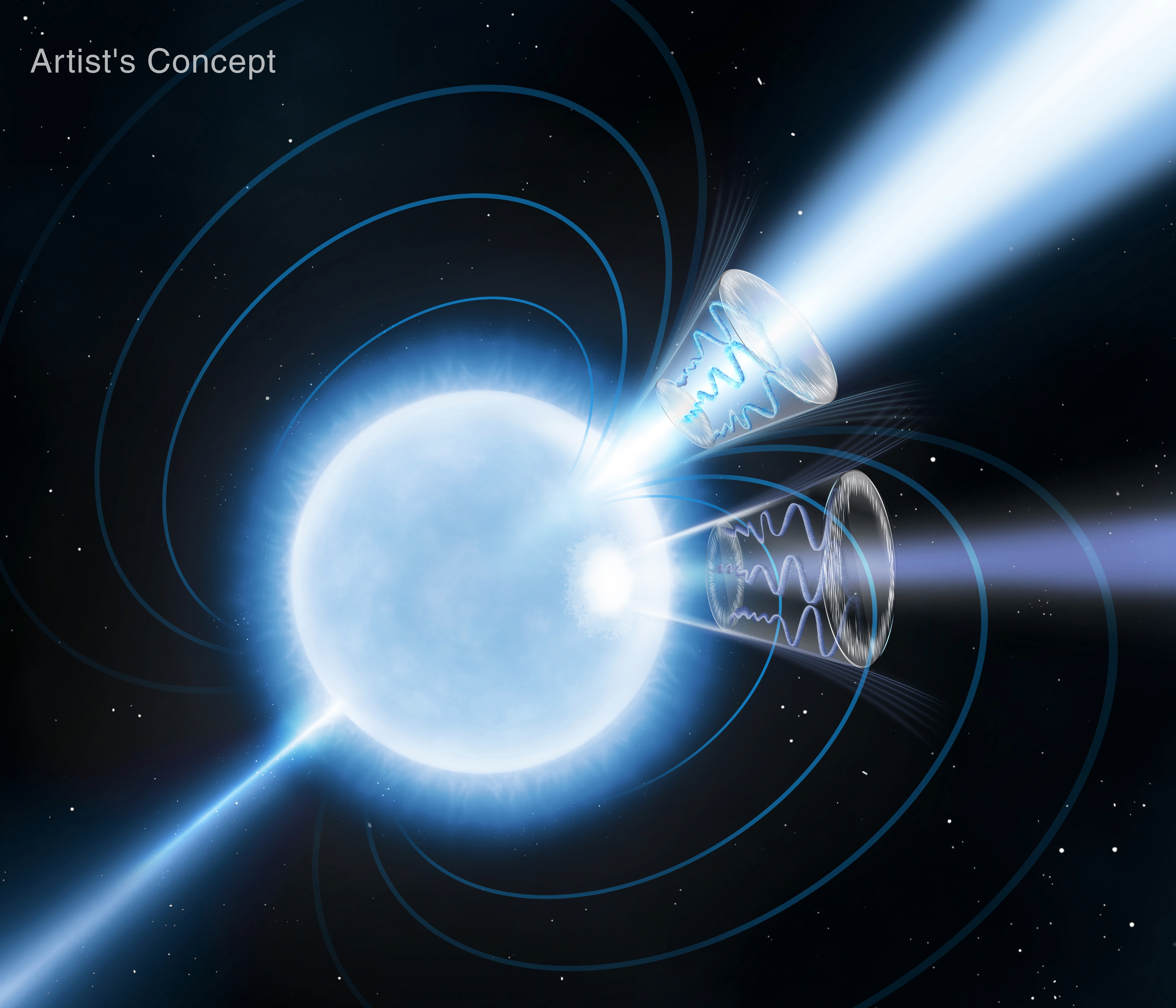
Scientists using NASA's Imaging X-ray Polarimetry Explorer (IXPE) spent over 140 hours observing magnetar 1E 1547-5408 between March and April 2025. The magnetar, a type of highly magnetized neutron star, was the focus of one of the mission's most intensive observation campaigns to date. Researchers believe the data may have captured empty space behaving in a theoretically predicted manner that has never been directly observed before. This phenomenon was first proposed by physicists nearly 90 years ago but has remained unconfirmed through direct evidence until now.

0
SpaceNASA ·

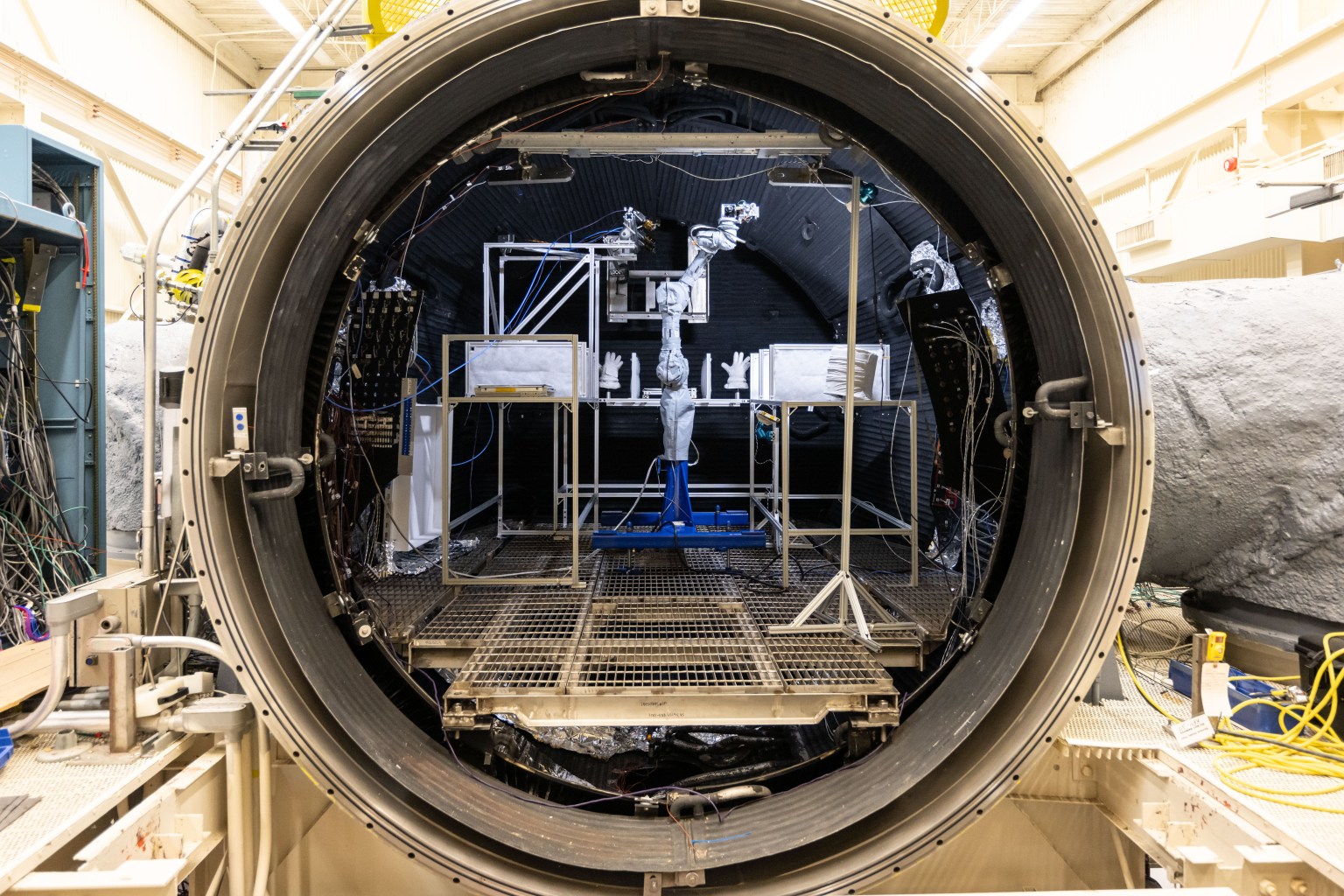
NASA Engineers Test Artemis Moon Hardware Against Harsh Lunar Dust at Johnson Center

NASA's Lunar Development and Test Facility at Johnson Space Center in Houston is rigorously testing hardware intended for use in the Artemis program before astronauts return to the Moon. A central focus of this work is evaluating how equipment holds up against lunar dust, which poses a significant threat to missions. Unlike terrestrial sand, lunar dust is extremely sharp, abrasive, and has a strong tendency to cling to surfaces. Engineers are working to ensure all Artemis hardware can withstand these demanding lunar conditions before it is used in actual missions.

0
SpaceNASA ·

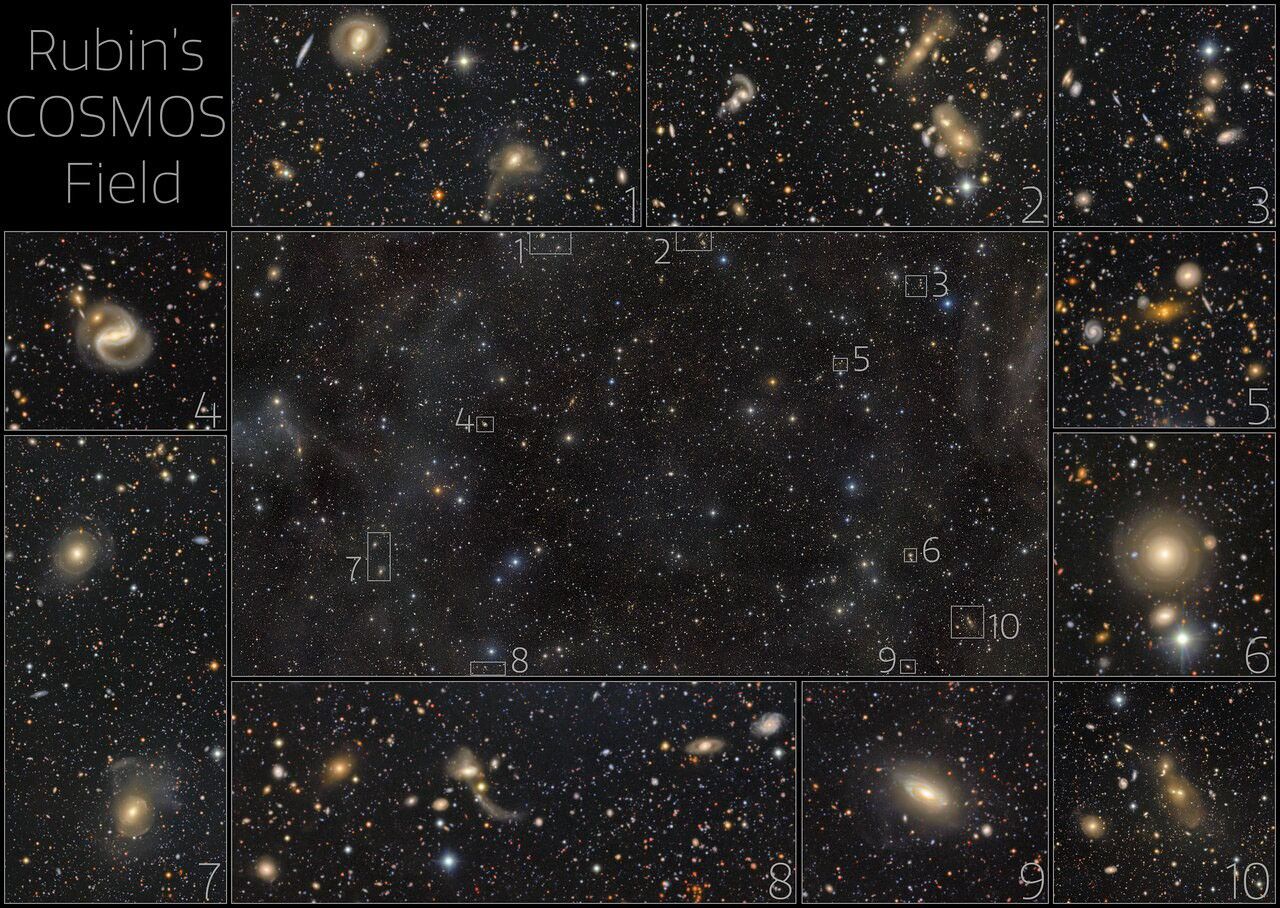
Rubin Observatory Captures Sweeping View of the COSMOS Field

NASA's Astronomy Picture of the Day (APOD) for August 7, 2026, features an image known as Rubin's COSMOS Field. The image was captured by the Rubin Observatory, which is designed to conduct wide-field surveys of the night sky. The COSMOS field is a well-studied region of the universe used by astronomers to observe large-scale cosmic structures. As with all APOD features, the image is accompanied by an explanation written by a professional astronomer. The selection highlights the Rubin Observatory's capability to image vast stretches of the cosmos in detail.

0
SpaceNASA ·

NASA PREFIRE Mission Maps Two Years of Polar Temperature Changes

NASA's PREFIRE mission has released new animations documenting temperature fluctuations at both the Arctic and Antarctic regions. The visualizations capture two full years of seasonal heat variations at Earth's poles. The data was gathered as part of the PREFIRE mission, which focuses on studying thermal energy in polar areas. These findings help scientists better understand how heat moves through some of the planet's most climate-sensitive regions.

0
SpaceNASA ·

NASA and Smithsonian Unite to Teach Teens Air Quality Research Using TEMPO Data

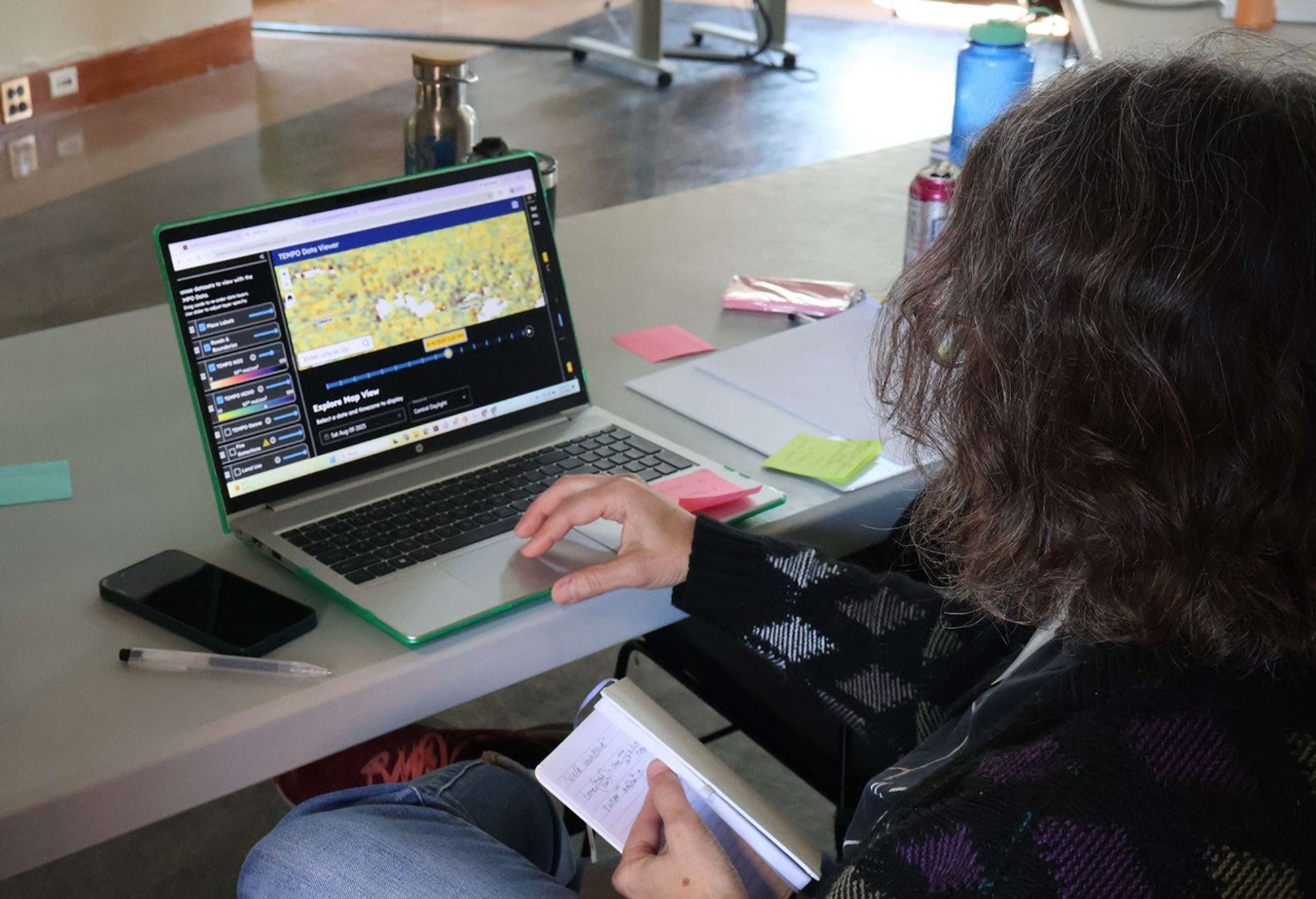
NASA's Cosmic Storytelling with NASA Data project, led by Harvard University, teamed up with the Smithsonian Institution's BEST AQI initiative from July 27–29, 2026. The collaboration aimed to bring real NASA atmospheric data into the hands of educators and teenage learners. The partnership centered on TEMPO satellite data, which monitors air quality across North America. Together, the programs supported hands-on investigations into local air quality conditions, empowering young people with authentic scientific tools and methods.

0
SpaceNASA ·

NASA Concept Shows Three SkyFall Helicopters Surveying Mars Surface and Subsurface

NASA has released an artist's concept illustrating three SkyFall helicopters operating over the Martian surface. The helicopters are depicted equipped with large antennas designed to collect subsurface radar data. They would also gather near-infrared imagery of regolith — the layer of crushed rock and dust — and other surface features. The concept highlights NASA's vision for using a multi-helicopter fleet to conduct comprehensive scientific surveys of Mars.

0
SpaceNASA ·

NASA Engineers Test Radar Antenna for Upcoming SkyFall Mission at JPL

NASA's Jet Propulsion Laboratory in Southern California is conducting antenna testing for its SkyFall mission. Engineer Maya Román connected a coaxial cable to a test antenna inside the Environmental Test Lab's electromagnetic interference testing chamber. The antenna was oriented upward during the test to reduce signal reflections and interference with the antenna pattern measurements. SkyFall is equipped with four instruments, which will support the mission's ground-penetrating radar capabilities.

0
SpaceNASA ·

Meet Tom Percy, the NASA Engineer Steering Artemis Moon Landing Systems

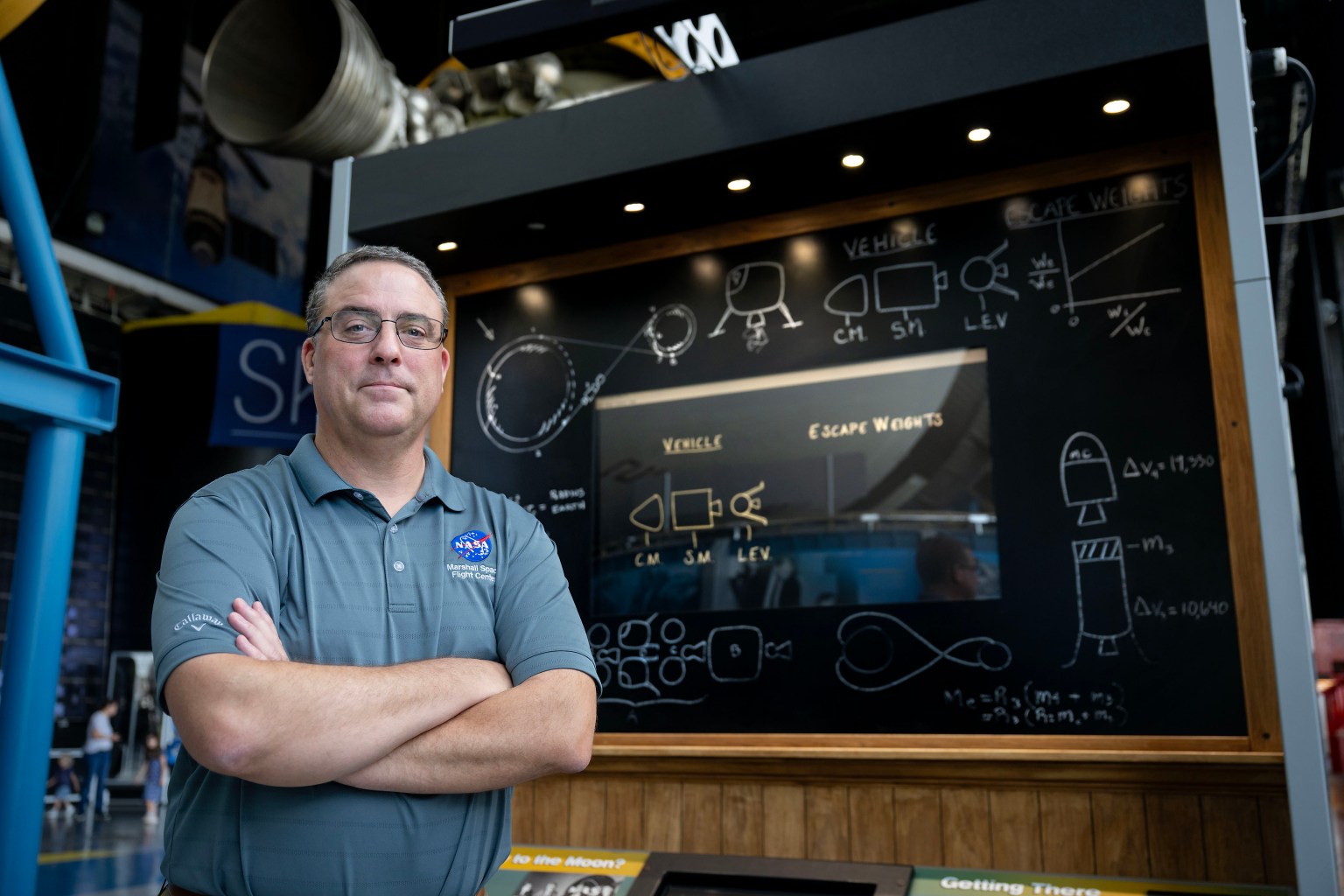
NASA is ramping up its Artemis mission schedule as it pursues long-term exploration of the Moon and Mars. Tom Percy plays a central role in this effort as the manager of systems engineering and integration for NASA's Human Landing System Program. He acts as a key coordinator between NASA and commercial providers, including SpaceX. Percy's work helps ensure the technical systems required for human lunar landings are developed and integrated effectively. His role is critical to translating NASA's deep-space exploration ambitions into operational reality.

0
SpaceNASA ·

NASA Astronaut Trains in High-Altitude WB-57 Flights for Future Space Missions

NASA astronaut Adam Fuhrmann participated in a training flight aboard NASA's WB-57 high-altitude aircraft on July 16, 2026. The training is designed to prepare crew members for operating in confined spaces while wearing a pressure suit. These flights simulate the challenging conditions astronauts will face during real missions. The program readies astronauts for potential assignments to the International Space Station, the Moon, or other future destinations.

0
SpaceNASA ·

NASA Office of General Counsel Seeks Attorney-Adviser Applications

NASA has posted a vacancy announcement for an Attorney-Adviser position within its Office of the General Counsel. The listing is available through USAJobs, the official federal government employment portal. Interested candidates can view the full details of the role on the USAJobs platform. NASA encourages qualified applicants to explore this and all other current agency job openings through the same portal.

0
SpaceNASA ·

NASA Images Capture Tidal Patterns at Germany's Elbe River Mouth

NASA has highlighted the dynamic tidal activity at the mouth of the Elbe River along the German coast. The imagery reveals shifting tidal flats shaped by the natural cycle of ebbing and flowing ocean waters. The area is also notable as a heavily used shipping corridor, reflecting its economic importance. The visuals demonstrate how tidal forces continuously reshape coastal geography in this region.

0
SpaceNASA ·

NASA's IXPE Detects Quantum Vacuum Effect Predicted 90 Years Ago

Scientists using NASA's Imaging X-ray Polarimetry Explorer (IXPE) have made a landmark measurement of a magnetar that may confirm a long-standing physics theory. The observation targets magnetar 1E, with researchers logging over 140 hours of data collection. The findings suggest that empty space itself behaves in a measurable way under extreme magnetic conditions, a phenomenon physicists have theorized for nine decades but never directly observed. The results were published Wednesday in the journal Nature.

0
SpaceNASA ·

Artemis III Orion Crew and Service Modules Mated at Kennedy Space Center

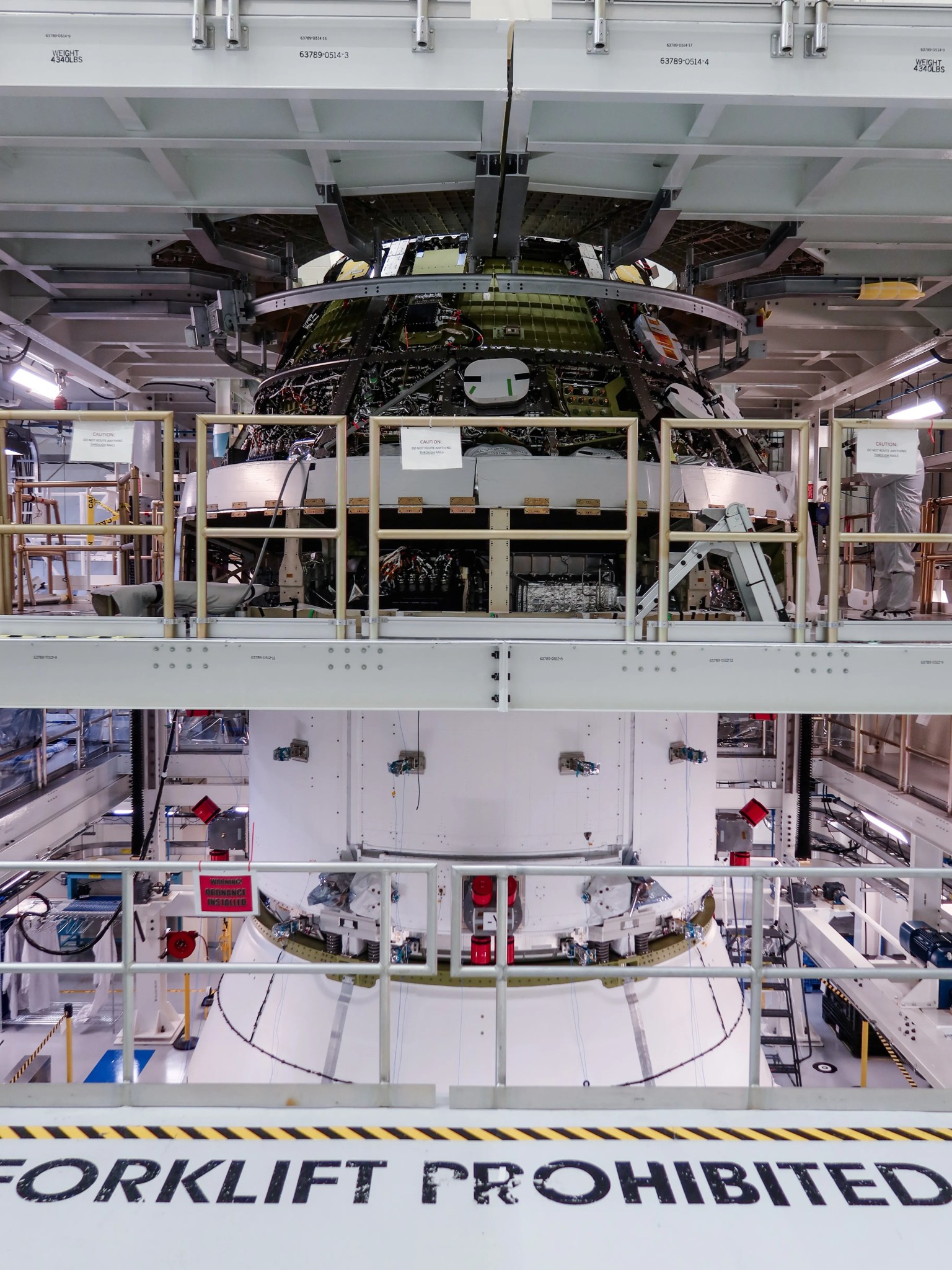
Technicians at NASA's Kennedy Space Center in Florida joined the Orion crew and service modules for the Artemis III mission on July 30, 2026. The work took place inside the Neil Armstrong Operations and Checkout Building. The crew module is designed to carry and sustain four astronauts during the mission. The crew includes NASA astronauts Randy Bresnik, Andre Douglas, and Frank Rubio, along with ESA astronaut Luca Parmitano. This milestone marks a key step in preparing the Orion spacecraft for the Artemis III lunar mission.

0
SpaceNASA ·

Perseverance Rover Films Earth Passing Behind Mars Moon Phobos

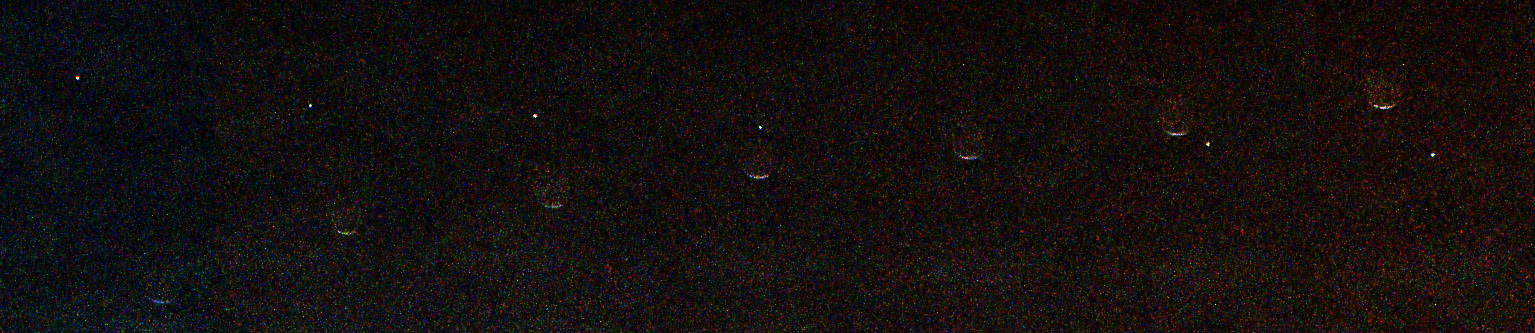
NASA's Perseverance Mars rover captured a rare celestial event on July 2, 2026, during the mission's 1,907th Martian day. Using its Mastcam-Z instrument, the rover recorded a composite of seven images showing Earth appearing as a small bright dot in the Martian sky. The footage shows Earth moving from the upper left to the lower right as it passed behind the Martian moon Phobos. The black background in the composite image is a result of the imaging conditions during the observation.

0
SpaceNASA ·

Perseverance Rover Captures Earth Disappearing Behind Mars Moon Phobos

NASA's Perseverance Mars rover has photographed Earth vanishing behind Phobos, the larger of Mars' two moons. In the images, Earth appears as a small point of light in the Martian sky before being eclipsed by the crescent-shaped moon. This marks the first time such an event has been recorded from the surface of another planet. The milestone adds to Perseverance's growing catalog of unique astronomical observations made from Mars.

← NewerPage 14 of 25Older →