SShortSingh.
Back to feed

NASA's COSI Gamma-Ray Telescope Takes Shape as Assembly Reaches Key Milestone

0
·1 views
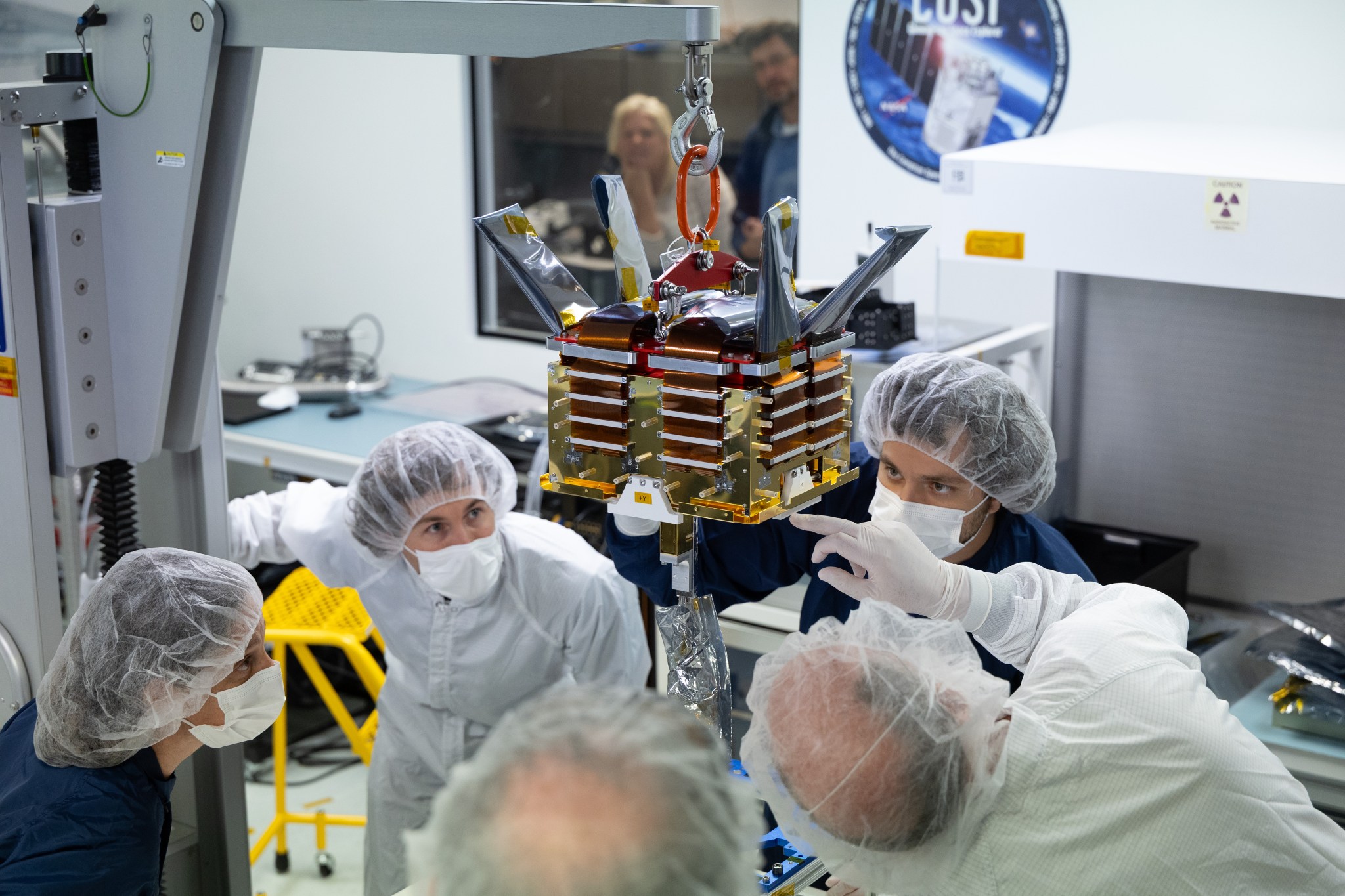
NASA's Compton Spectrometer and Imager (COSI) telescope is progressing through a critical hardware assembly phase. On July 8, 2026, engineers and managers from UC Berkeley oversaw the careful lifting of the COSI detector assembly from a worktable. The detector box features four silver-covered sections that protect flex circuits responsible for transmitting signals from the detectors to readout electronics. The milestone marks a significant step forward in the physical construction of the space telescope. COSI is designed to observe the universe in gamma-ray wavelengths, advancing our understanding of high-energy cosmic phenomena.

Read the full story at NASA

This is an AI-generated summary. ShortSingh links to the original source for the complete article.
Discussion (0)

Log in to join the discussion and vote.

Log in

Related stories

0
SpaceNASA ·

NASA Awards SpaceX Three More Crew Transport Missions to Space Station

NASA has granted SpaceX three additional crewed missions to the International Space Station through a contract modification. The decision ensures continued regular transportation of astronauts to the orbiting laboratory. SpaceX, already a key partner in NASA's commercial crew program, will carry out these flights under the expanded agreement. The move reflects NASA's ongoing reliance on commercial partners to maintain a steady human presence aboard the station.

0
SpaceNASA ·

Hubble Telescope Reveals NGC 4698 Galaxy's Hidden Structural Anomaly

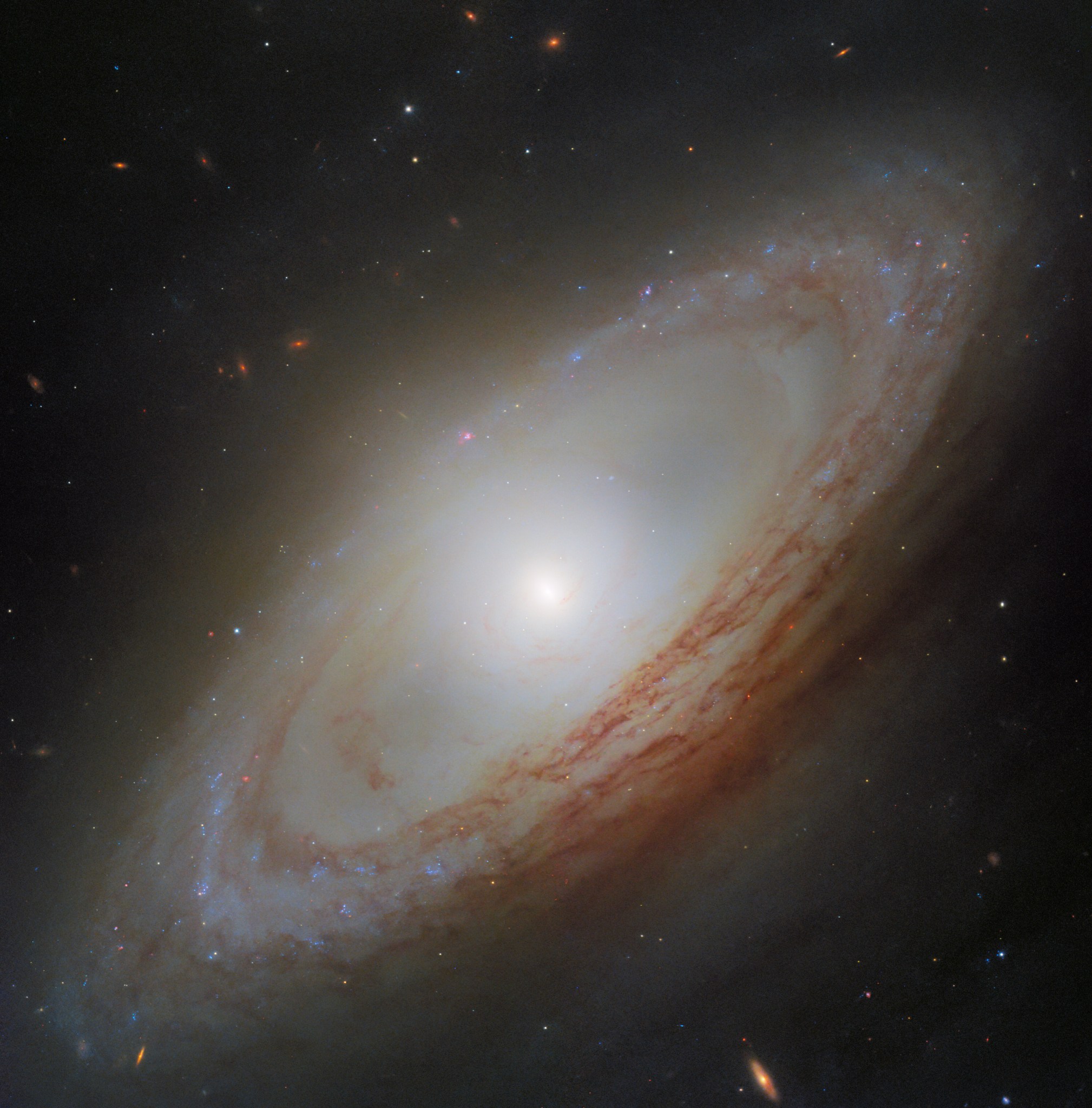
NASA's Hubble Space Telescope has captured a new image of spiral galaxy NGC 4698, located approximately 55 million light-years away in the constellation Virgo. Despite its calm appearance, the galaxy conceals an unusual internal secret described as chaotic in nature. NGC 4698 is one of more than a thousand galaxies that make up the Virgo Cluster, the closest large galaxy cluster to our own. The Virgo Cluster holds its member galaxies together through gravitational forces, making it a key subject of astronomical study.

0
SpaceNASA ·

NASA Astronomy Picture of the Day Spotlights the Triangulum Galaxy

NASA's Astronomy Picture of the Day (APOD) for September 18, 2026, features Messier 33, commonly known as the Triangulum Galaxy. APOD is a long-running NASA initiative that publishes a daily image or photograph of the universe, accompanied by an explanation from a professional astronomer. Messier 33 is a spiral galaxy located in the constellation Triangulum and is one of the closest galaxies to the Milky Way. The feature is part of APOD's ongoing mission to make astronomy accessible and engaging to the general public.

0
SpaceNASA ·

NASA Picks SpaceX Falcon 9 to Launch StarBurst Gamma-Ray Burst Detector

NASA has awarded SpaceX the contract to launch its StarBurst mission, a small satellite built to study neutron star mergers and the origins of short gamma-ray bursts. The spacecraft will ride to orbit aboard a Falcon 9 rocket as part of a Bandwagon rideshare mission. Liftoff is planned from Space Launch Complex 40 at Cape Canaveral Space Force Station in Florida. The StarBurst mission aims to deepen scientific understanding of some of the universe's most energetic and short-lived cosmic events.

NASA's COSI Gamma-Ray Telescope Takes Shape as Assembly Reaches Key Milestone · ShortSingh