SShortSingh.
Back to feed

Hubble Captures Messier 30, a Star Cluster Offering Lessons in Galactic History

0
·1 views
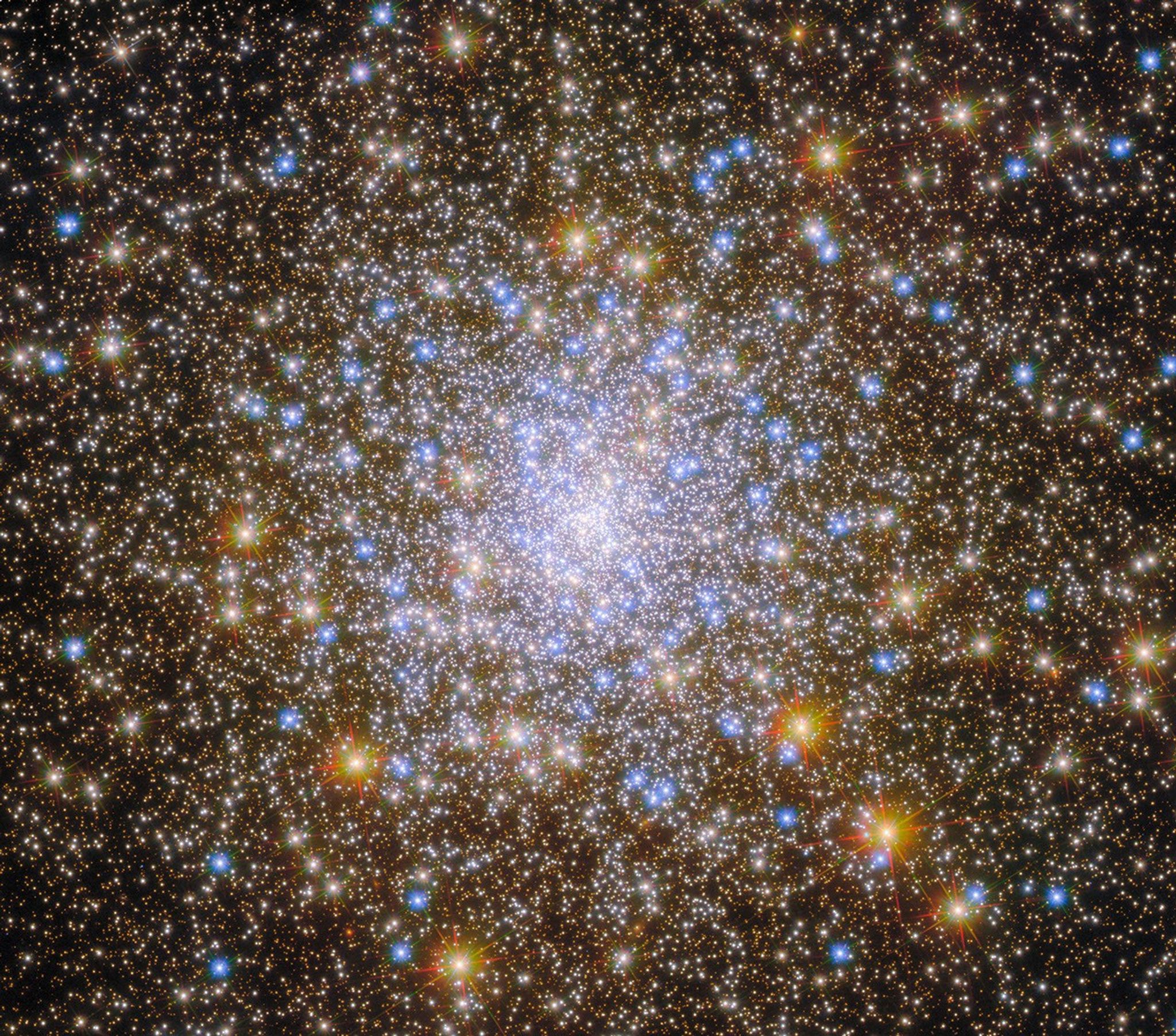
A new Hubble Space Telescope image, released November 5, 2026 by NASA and ESA, shows a sparkling collection of stars. The cluster is called Messier 30 (M30), named after French astronomer Charles Messier. Messier cataloged M30 and other faint, diffuse objects that early telescopes could confuse with comets. The article describes the image as offering insight into galactic history. The source text is truncated, so further details about M30's distance and characteristics are not included here.

Read the full story at NASA

This is an AI-generated summary. ShortSingh links to the original source for the complete article.
Discussion (0)

Log in to join the discussion and vote.

Log in

Related stories

0
SpaceNASA ·

NASA to Present Supercomputing Tech Demos at Booth 4038 During Supercomputing 2026

NASA experts will give presentations at Booth #4038 in the Exhibit Hall during the Supercomputing 2026 conference. A full schedule of technology demonstrations has been published by the agency. The listed sessions begin Tuesday, November 17, and include talks on type-safe templates in Fortran 2028 given by Tom Clune. Additional sessions cover mixing and matching multiple software versions, presented by Brad Richardson. The schedule is intended to let attendees plan which NASA demonstrations to see.

0
SpaceNASA ·

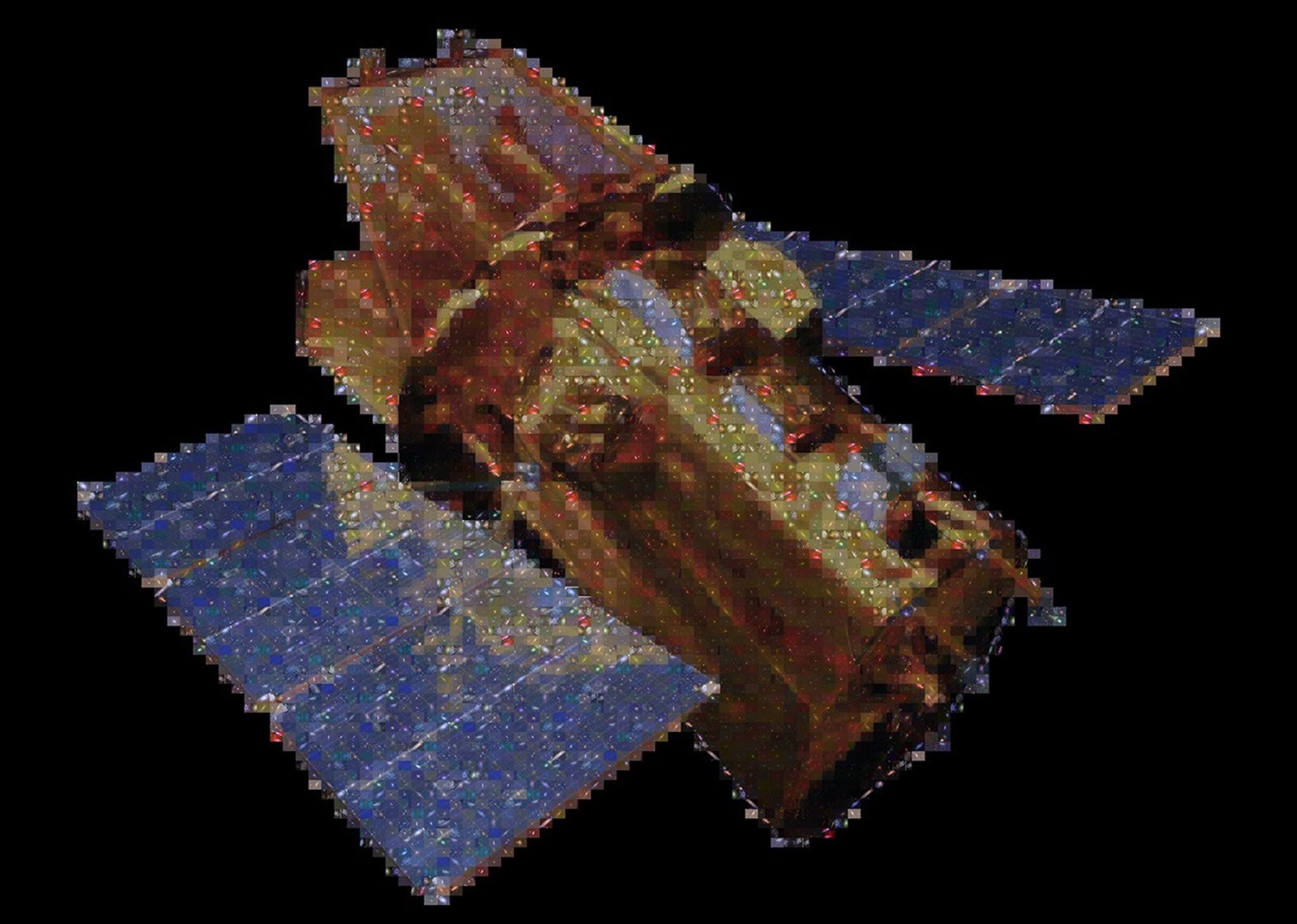
APOD: 2026 November 6 – A Farewell to Swift

APOD Science APOD APOD: 2026 November 6 – A… Today’s APOD Archive Submissions Index Search Calendar RSS Education About Discuss APOD Astronomy Picture of the Day Discover the cosmos! Each day a different image or photograph of our fascinating universe is featured, along with a brief explanation written by a professional astronomer. A Farewell […]

0
SpaceNASA ·

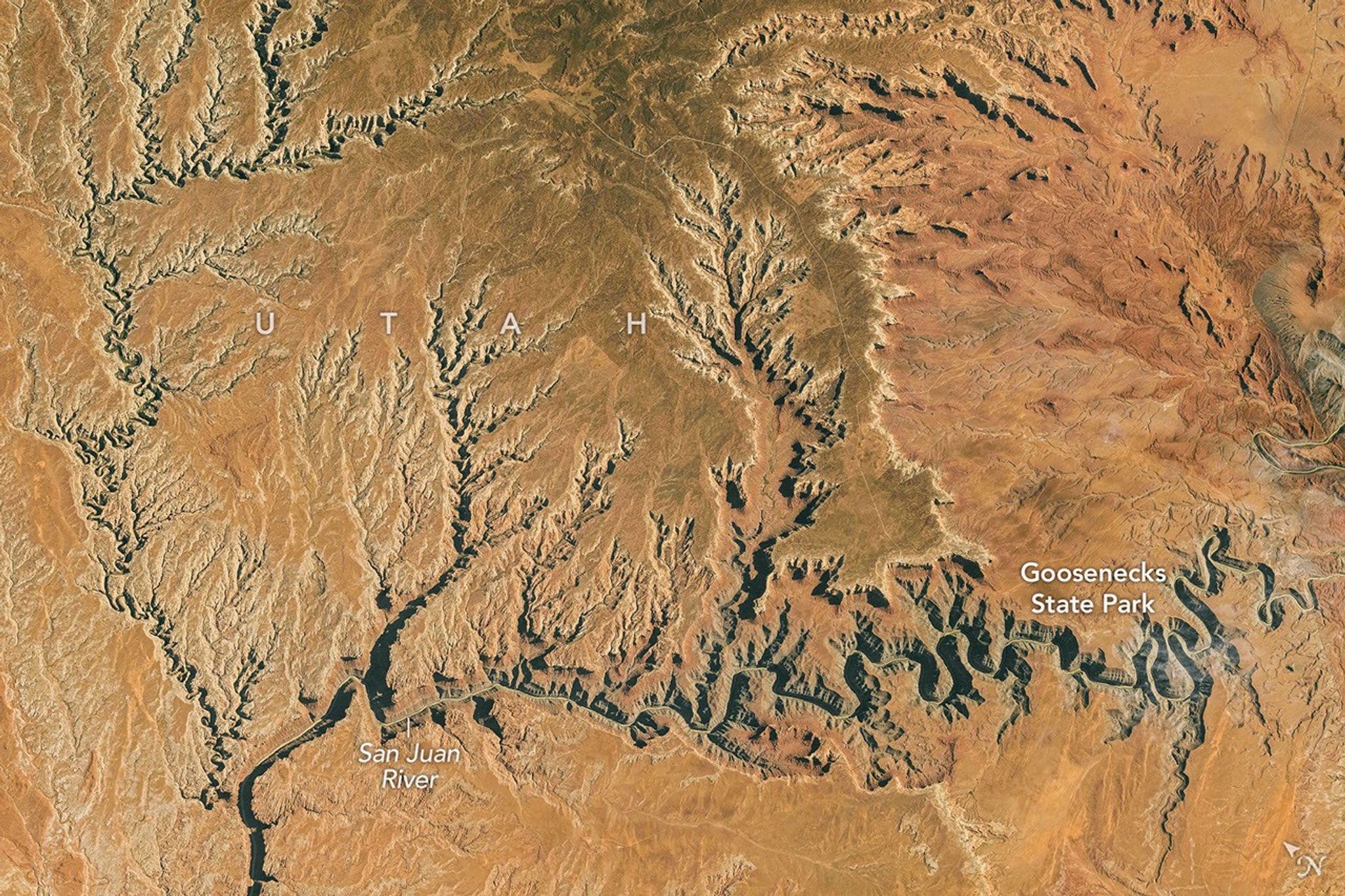
NASA Photo Highlights the Goosenecks of Utah's San Juan River

NASA has shared an image showing the San Juan River winding through the desert of Utah. The river has cut deep, unusually curved meanders into the landscape over time. These formations, known as the Goosenecks, are visible from space. The imagery highlights how erosion by flowing water can reshape arid terrain. The item was published by NASA as part of its Earth observation content.

Hubble Captures Messier 30, a Star Cluster Offering Lessons in Galactic History · ShortSingh