Spring or Fall, Equinoxes Have Guided Human Astronomy for Millennia
0
·1 views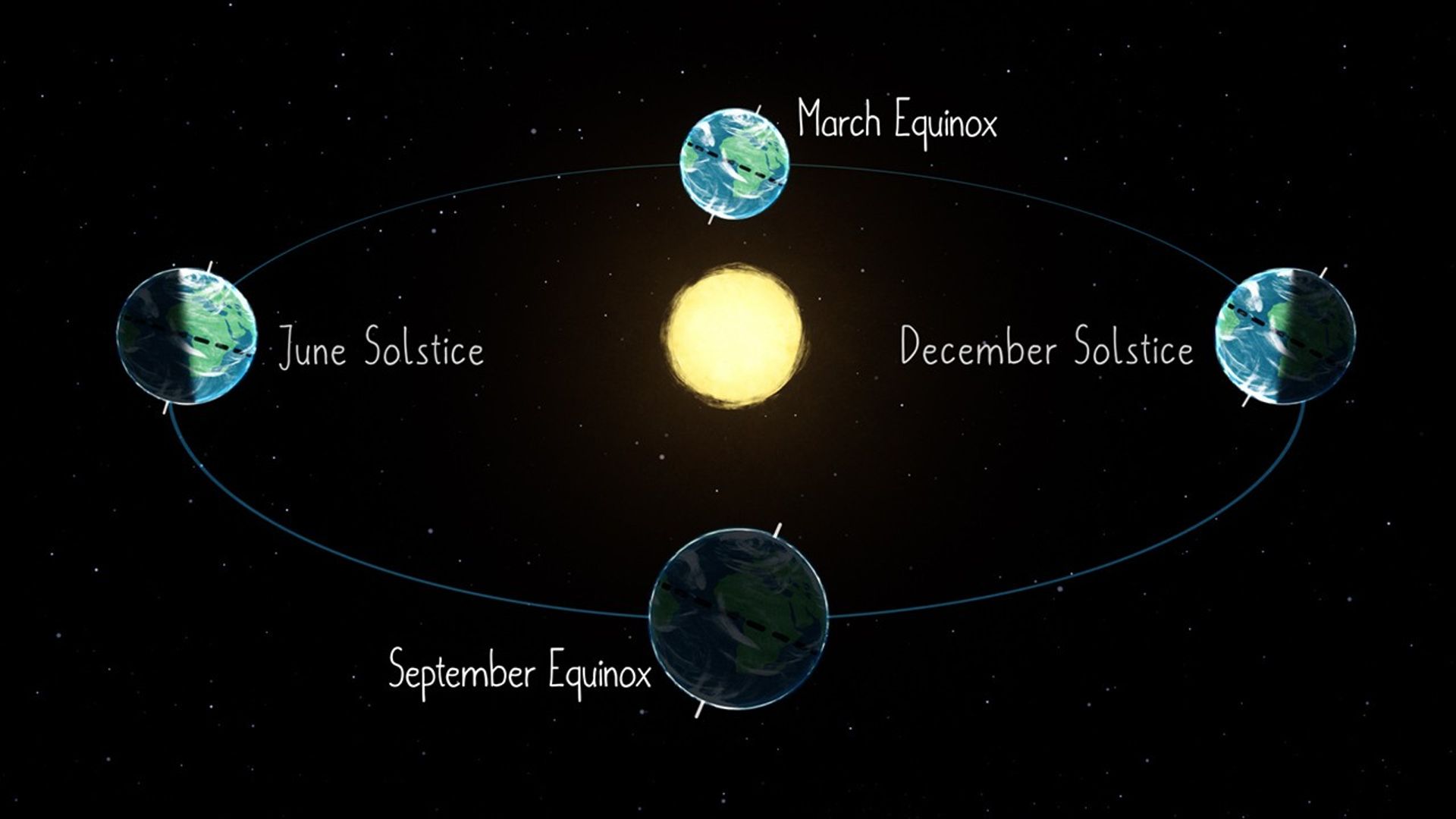
An equinox marks the point in Earth's orbit when day and night are roughly equal in length, occurring twice each year. The significance of equinoxes varies by region, with some cultures associating them with the arrival of warmer weather and others with longer, darker nights. Tracking and predicting equinoxes is considered one of the oldest practices in human astronomy. Ancient observatories across the world were built or used to monitor equinoxes alongside the more visually dramatic solstices. NASA highlights this long astronomical tradition as humanity continues to observe these celestial events today.
This is an AI-generated summary. ShortSingh links to the original source for the complete article.



Discussion (0)
Log in to join the discussion and vote.
Log in