SShortSingh.
Back to feed

NASA's Perseverance Rover Detects Ruby-Associated Minerals on Mars

0
·1 views
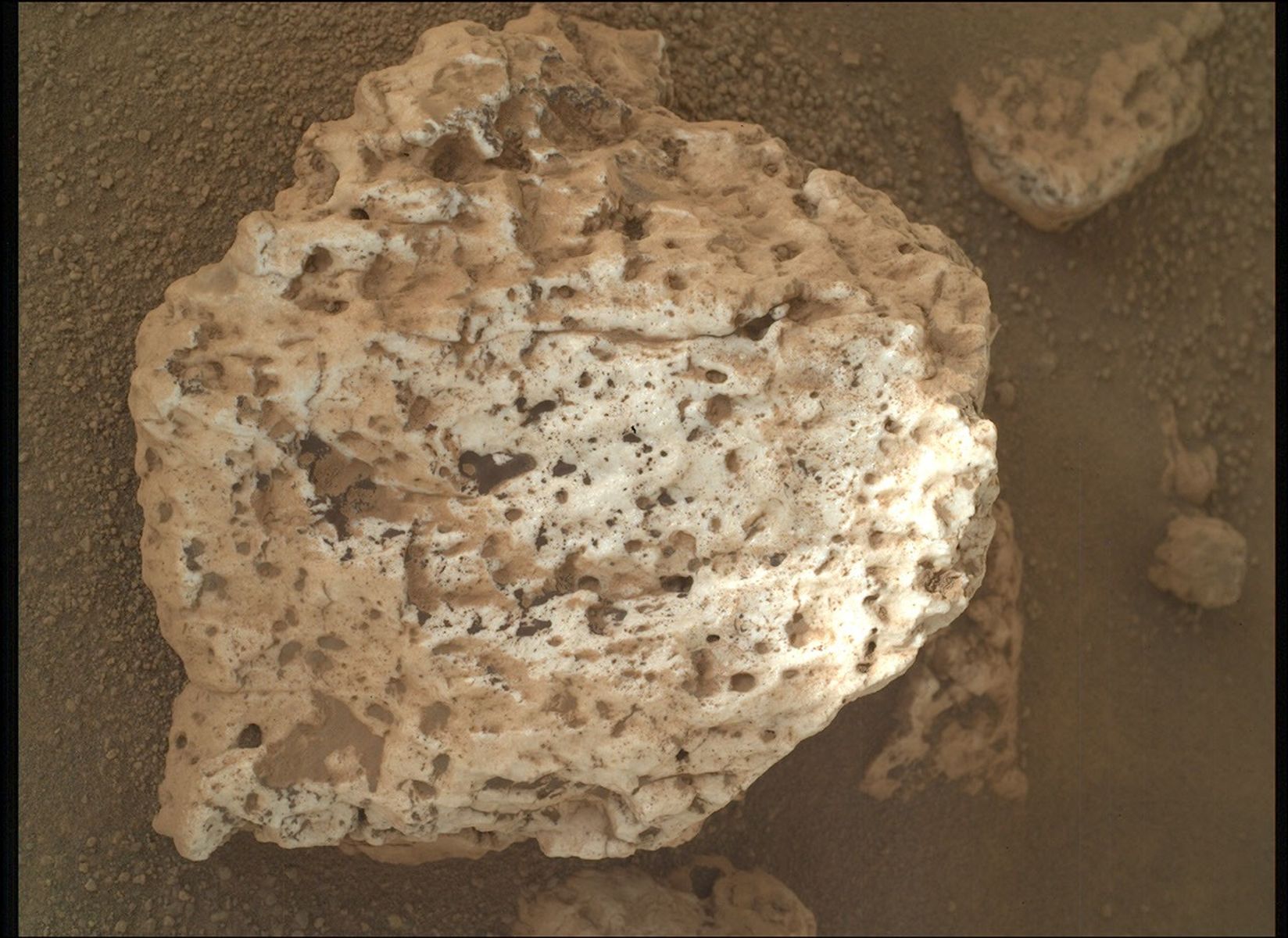
NASA's Perseverance rover, equipped with the PIXL and SuperCam instruments, has been studying the rock record of ancient Mars. SuperCam Principal Investigator Roger C. Wiens of Purdue University wrote about the mission's findings in an article dated November 4, 2026. The instruments are designed to detect a wide range of materials, and exploration has produced unexpected discoveries. The article's excerpt is truncated, so the specific details of the ruby-related findings are not fully available in the source text.

Read the full story at NASA

This is an AI-generated summary. ShortSingh links to the original source for the complete article.

Discussion (0)

Log in to join the discussion and vote.

Log in

Related stories

0
SpaceNASA ·

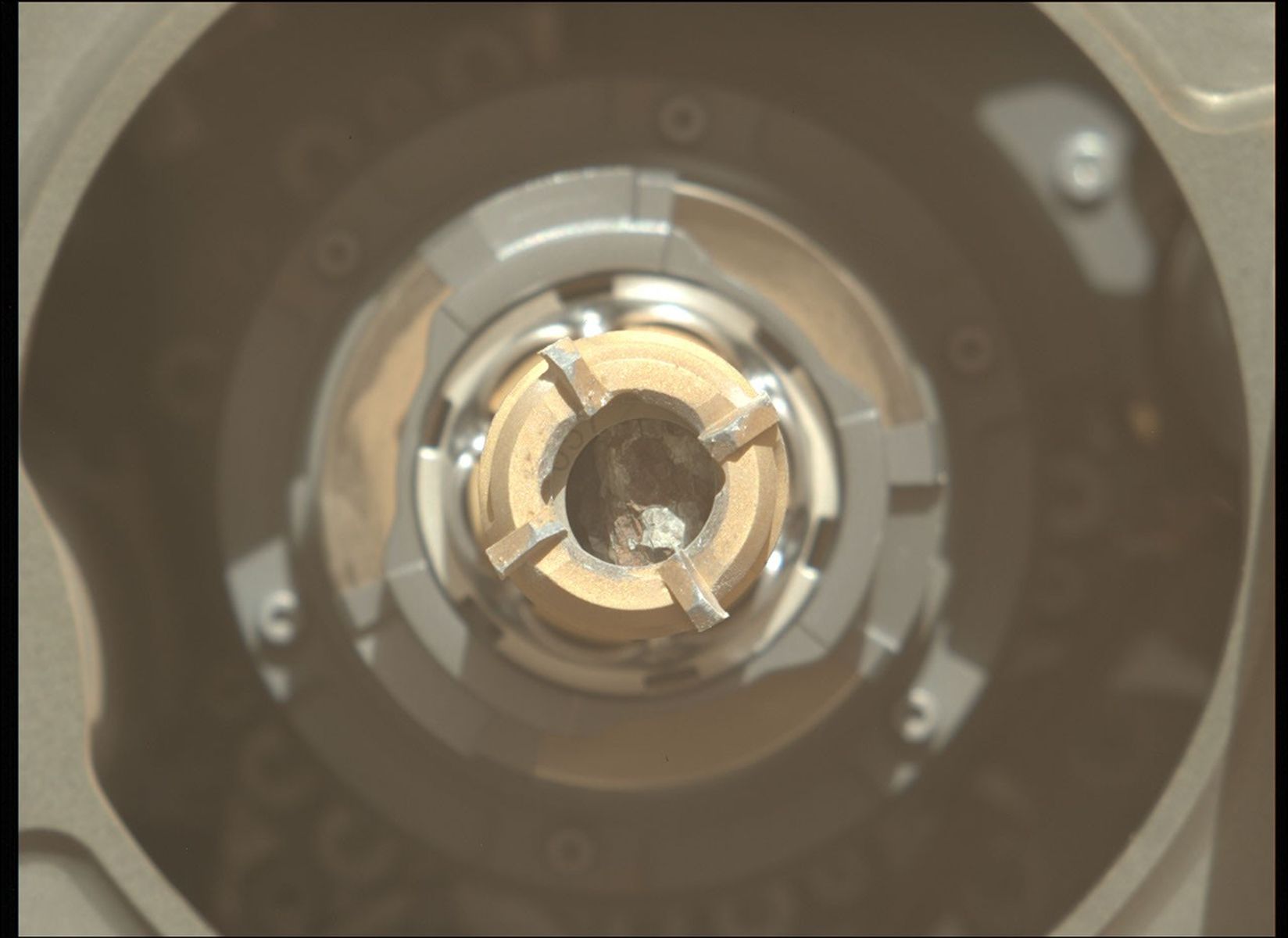
Perseverance's Newest Rock Abrasion Mirrors an Earlier Target

NASA's Perseverance rover recently completed an abrasion on a rock nicknamed "Pumbe," which closely resembles a previous target called "Badger Peak." The similarity is not accidental, as Badger Peak had been found too hard for the rover to core. Nevertheless, the science team judged the rock worth the effort to study. The article was written by Tasha Coelho, a Mastcam-Z student collaborator at Arizona State University, and published on November 1, 2026.

0
SpaceNASA ·

NASA opens applications for its next class of astronauts

NASA is recruiting new explorers to help shape the next chapter of crewed spaceflight. The application window for the agency's upcoming astronaut class is now open. The selected candidates will join NASA as the United States returns to human space exploration. The article text is truncated, so further details about eligibility and timelines are not available here.

0
SpaceNASA ·

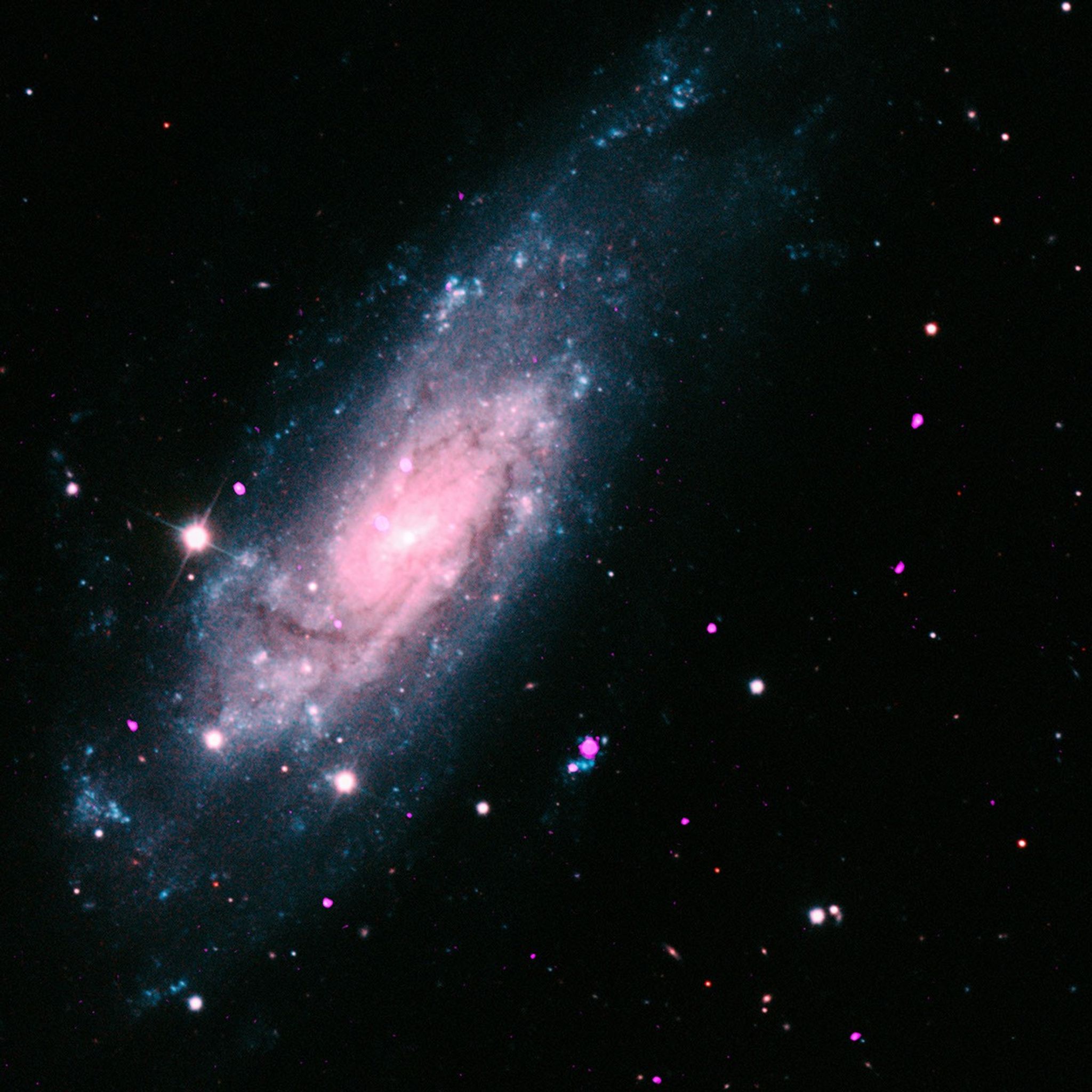
NASA's Chandra Reveals Hidden Companion Behind Giant Star's Repeated Outbursts

Astronomers using NASA's Chandra X-ray Observatory have identified the cause of repeated outbursts from a massive, unstable star. A newly published study in The Astrophysical Journal describes a previously hidden companion object. The companion periodically draws material away from the giant star as the two objects orbit each other every 113 days. The findings explain the regular pattern of the star's eruptions that had puzzled researchers.

0
SpaceNASA ·

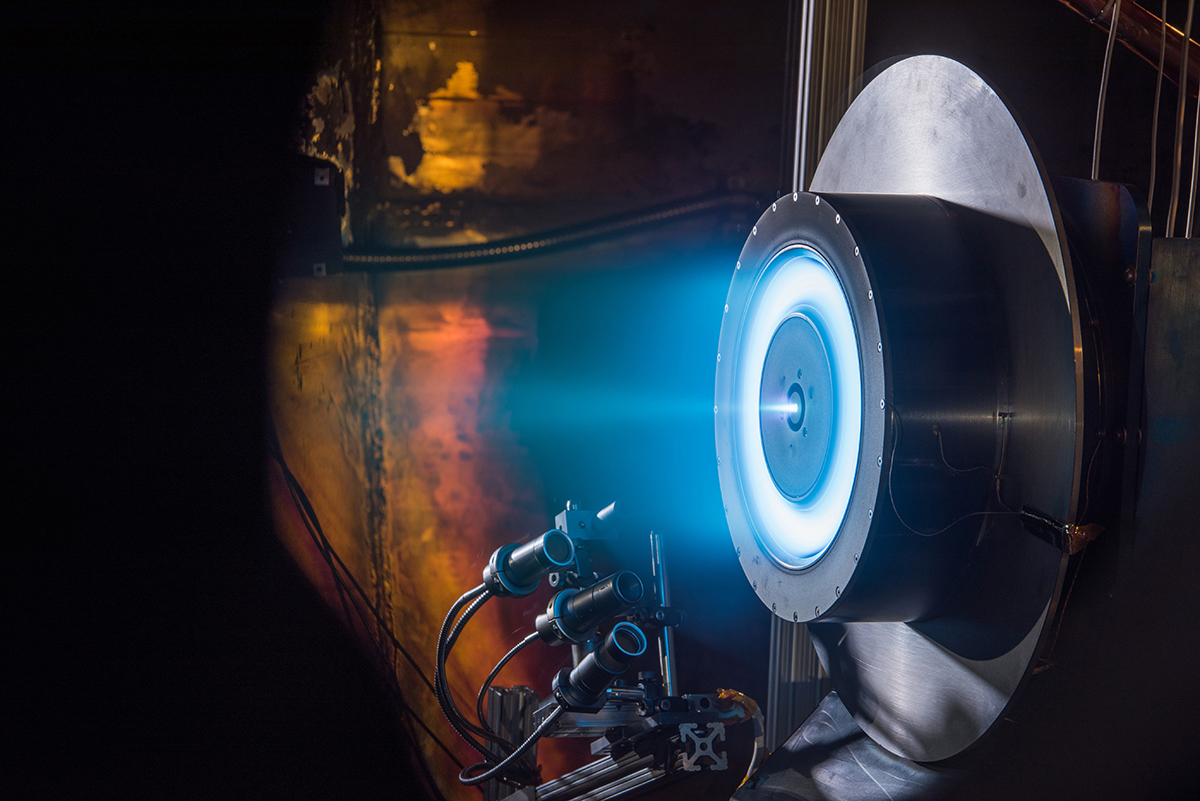
NASA Launches AMPERE Challenge for Mid-Power Electric Rocket Development

NASA has announced the Advanced Mid-Power Electric Rocket (AMPERE) Challenge to advance a technology deemed important by government and industry. Mid-power Hall effect thruster systems, rated at roughly 3 to 7 kilowatts, are seen as essential for satellite, defense, and exploration missions. The challenge invites U.S. commercial companies to design and demonstrate such propulsion systems. The initiative responds to a stated need for this capability across multiple sectors. The source article text is truncated, so further details on timelines or awards are not included here.