SShortSingh.
Back to feed

Arctic Sea Ice Melt Season Length Has Plateaued Since 2010

0
·1 views
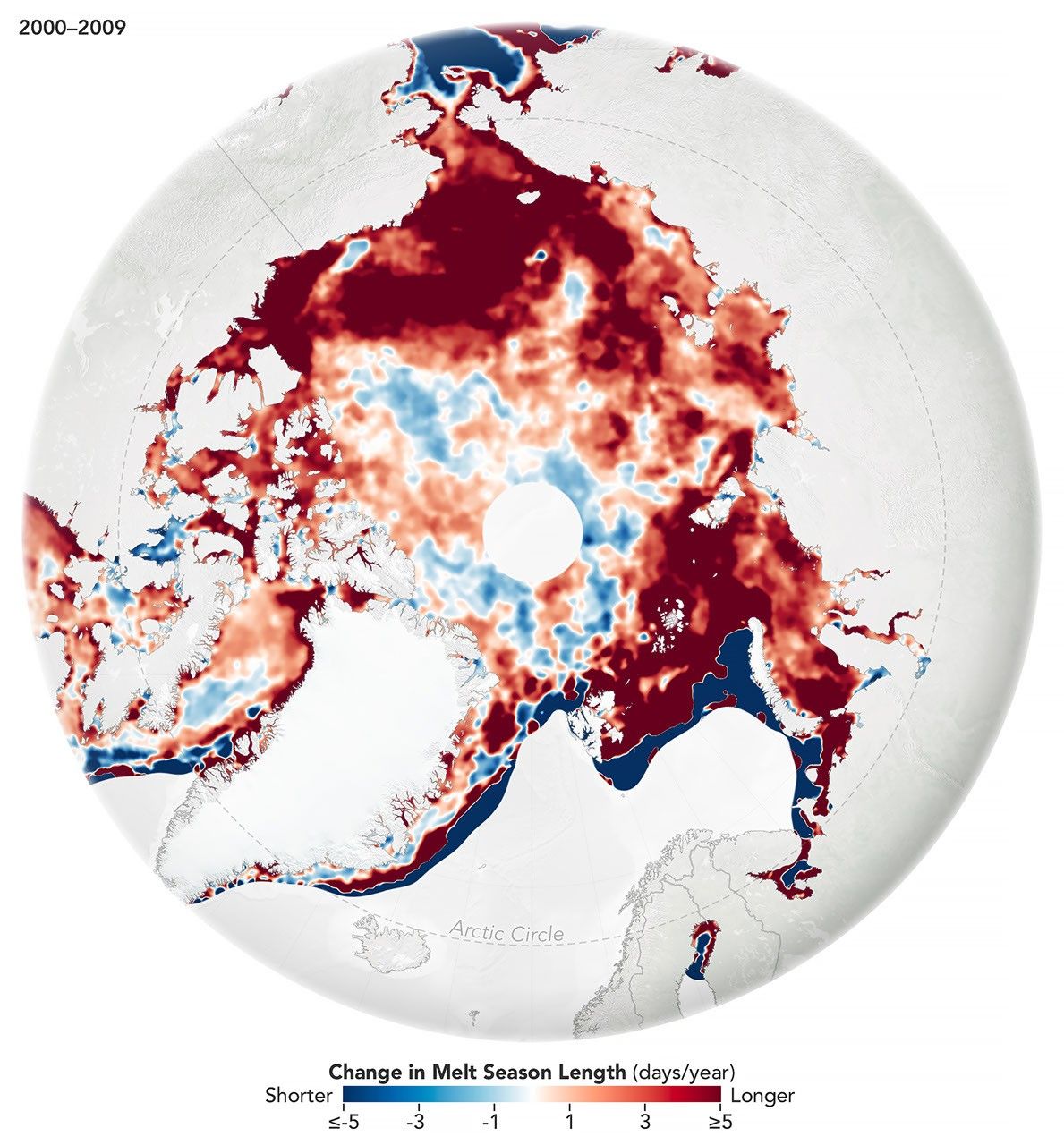
NASA research has found that the Arctic sea ice melt season, which had been growing significantly longer throughout most of the satellite observation era, unexpectedly stopped extending around 2010. The trend toward longer melt seasons had been a major indicator of climate change in the polar region. Scientists noted the stabilization as an surprising development given the decades-long pattern of acceleration. The cause of this plateau is under investigation, as it represents an unexpected shift in a previously consistent trend.

Read the full story at NASA

This is an AI-generated summary. ShortSingh links to the original source for the complete article.

Discussion (0)

Log in to join the discussion and vote.

Log in

Related stories

0
SpaceNASA ·

NASA Approves Staff Attendance at Major Space and Aerospace Events in 2026

NASA has released a list of Widely Attended Gatherings (WAGs) determinations, green-lighting employee participation at a series of space and aerospace events scheduled throughout 2026. The approved events span from mid-July to late September and include industry galas, business roundtables, and public celebrations. Notable gatherings include the Farnborough Airshow, the Roman Space Telescope Event, a Smithsonian National Air and Space Museum event with Blue Origin, and the National Aviation Hall of Fame Enshrinement Ceremony. The WAG designation is a formal ethics process that allows federal employees to attend certain events where attendance is broad and the cost is nominal. The approvals cover venues and organizations across Maryland, Virginia, and international locations.

0
SpaceNASA ·

NASA Johnson Space Center Showcases Space Exploration at Houston Japan Festival

NASA's Johnson Space Center participated in Houston's 33rd Annual Japan Festival, held on September 12–13 at Hermann Park. Employees from the center brought interactive space exploration exhibits to the long-running cultural event. The festival, now in its 33rd year, traditionally celebrates Japanese culture through food, dance, martial arts, and music. Johnson Space Center has supported the event as an exhibitor for multiple years, extending its community outreach beyond the space industry.

0
SpaceNASA ·

NASA APOD Highlights the Cocoon Nebula in a Stunning Wide-Field View

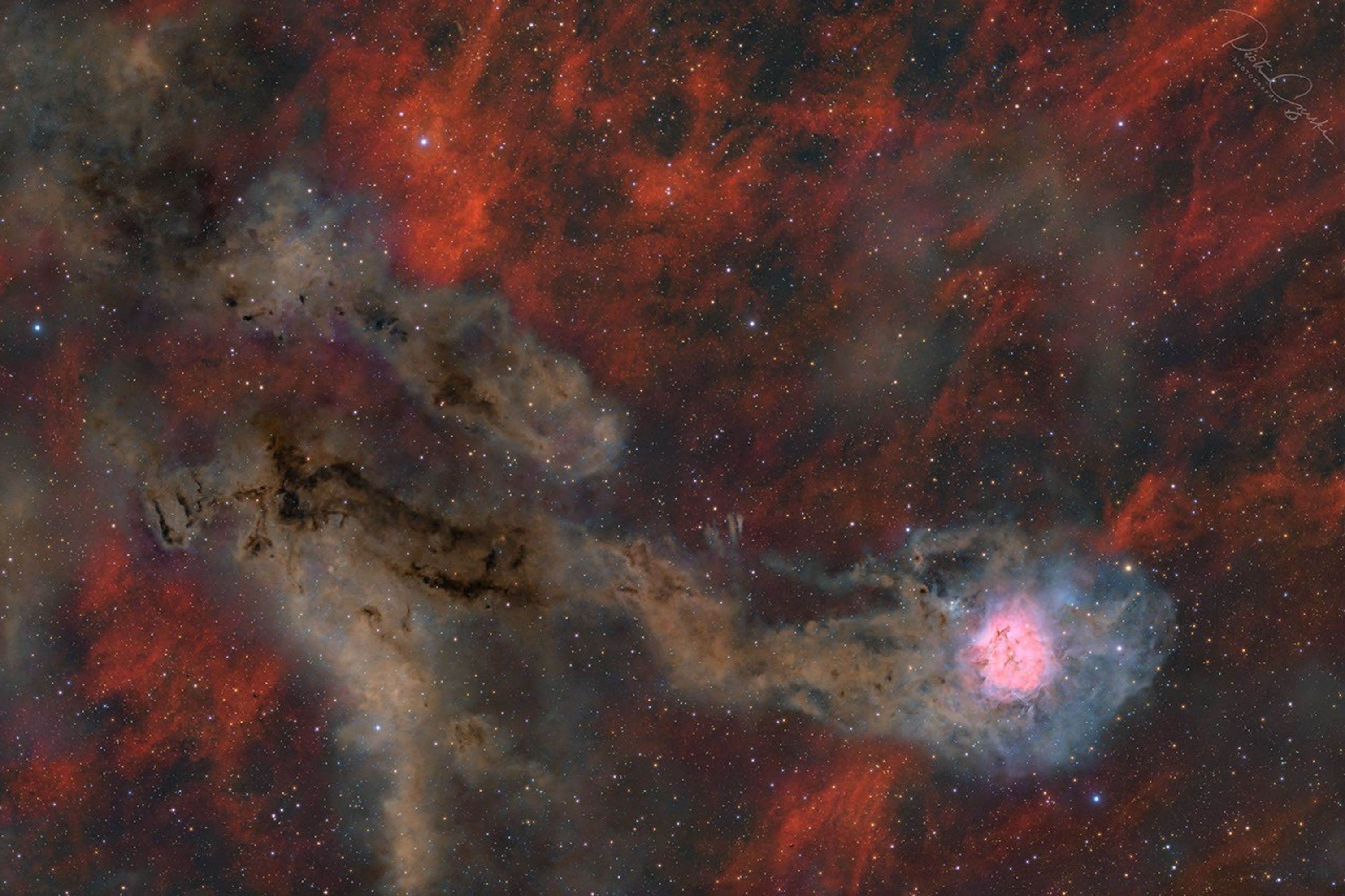
NASA's Astronomy Picture of the Day (APOD) for September 21, 2026, features a wide-field image of the Cocoon Nebula. The daily program showcases a different astronomical image or photograph each day, accompanied by an explanation from a professional astronomer. The Cocoon Nebula is the subject of this particular feature, presented in a broad field-of-view format. APOD has long served as a popular educational resource for space enthusiasts and astronomy learners worldwide.

Arctic Sea Ice Melt Season Length Has Plateaued Since 2010 · ShortSingh