SShortSingh.

Space

0
SpaceNASA ·

NASA Tests Fire-Resistant Webbings for Future Lunar and Mars Missions

NASA has published flammability test results for commercial off-the-shelf webbings intended for use in the elevated oxygen environments expected during future lunar and Martian missions. The testing evaluated whether these materials meet NASA's flammability requirements under such conditions. A webbing made from a 60% Kevlar and 40% polybenzimidazole (PBI) blend, manufactured by Sturges Manufacturing Company, successfully passed flammability testing per NASA-STD-6001B Test 1. Notably, the natural version of this specific webbing was the variant that met the required safety standard.

0
SpaceNASA ·

NASA and SpaceX Complete Wind Tunnel Tests on Starship Booster for Artemis III

NASA and SpaceX have conducted wind tunnel tests on the Super Heavy Version 3 rocket booster as part of preparations for the Artemis III mission planned for next year. The tests were carried out at NASA's Ames Research Center, located in California's Silicon Valley. Researchers focused on analyzing the intense aerodynamic forces the booster could encounter during atmospheric re-entry. The findings are intended to improve the safety and performance of the vehicle ahead of the upcoming lunar demonstration mission.

0
SpaceNASA ·

NASA Inaugurates New Flight Dynamics Research Facility at Langley

NASA has officially opened the Flight Dynamics Research Facility, a new wind tunnel, at its Langley Research Center in Hampton, Virginia. The facility was inaugurated on Friday and is designed to serve both NASA and its industry partners. It will be used to evaluate the safety and performance of next-generation aircraft, rockets, and space exploration vehicles. The new resource is expected to support continued advances in aerospace research and development.

0
SpaceNASA ·

NASA's Curiosity Rover May Be Nearing a Gap in Mars's Rock Record

NASA's Curiosity rover spent the week of July 24, 2026, continuing its ascent up Mount Sharp on Mars. The rover has been systematically studying the mountain's sedimentary rock layers, which serve as a record of Martian geological history. Scientists at the Jet Propulsion Laboratory noted that Curiosity has reached a layer of particular scientific interest. Deputy Project Scientist Abigail Fraeman indicated the rover may be approaching what could be a significant break in the planet's preserved rock record.

0
SpaceNASA ·

NASA Installs Memory Card With 1.35 Million Names on Roman Space Telescope

On July 27, technicians at NASA's Kennedy Space Center in Florida installed a memory card onto the Nancy Grace Roman Space Telescope as part of a commemorative plaque. The card holds 1,350,144 names submitted by people from around the world. Among the contributors are astronauts selected for the Artemis II and Artemis III missions. The memory card will remain aboard the Roman observatory as it travels into deep space.

0
SpaceNASA ·

NASA APOD Highlights Globular Cluster NGC 4372 and the Dark Doodad Nebula

NASA's Astronomy Picture of the Day (APOD) for July 31, 2026 features NGC 4372, a globular cluster located in the southern constellation Musca. The image also showcases the Dark Doodad, a striking dark nebula that stretches across the same region of sky. Each APOD post is accompanied by an explanation written by a professional astronomer, aimed at making astronomy accessible to the public. The daily program has long served as an educational resource, offering curated cosmic imagery from telescopes and observatories around the world.

0
SpaceNASA ·

Wildfires Ravage Spain and France During Intense Summer Heat

Destructive wildfires swept through parts of western Europe, significantly disrupting the summer season. Spain and France were among the hardest-hit countries as the blazes caused widespread damage. The fires were fueled by sweltering heat waves that gripped the region. Prolonged drought conditions further worsened the situation, leaving vegetation dry and highly combustible.

0
SpaceNASA ·

NASA Students Launch Ozone-Measuring Balloons Over Texas Gulf Coast

NASA's Student Airborne Research Program (SARP) wrapped up its summer session on July 27, giving students hands-on experience in airborne field research. Participants launched ozonesondes — balloon-borne scientific instruments designed to measure atmospheric ozone — above the Texas Gulf Coast. Students had to contend with strong winds while handling the large balloons during the launches. The program provides young researchers with real-world exposure to atmospheric data collection techniques used by NASA scientists.

0
SpaceNASA ·

NASA Astronaut Deniz Burnham Assigned to ISS Expedition 76 Mission

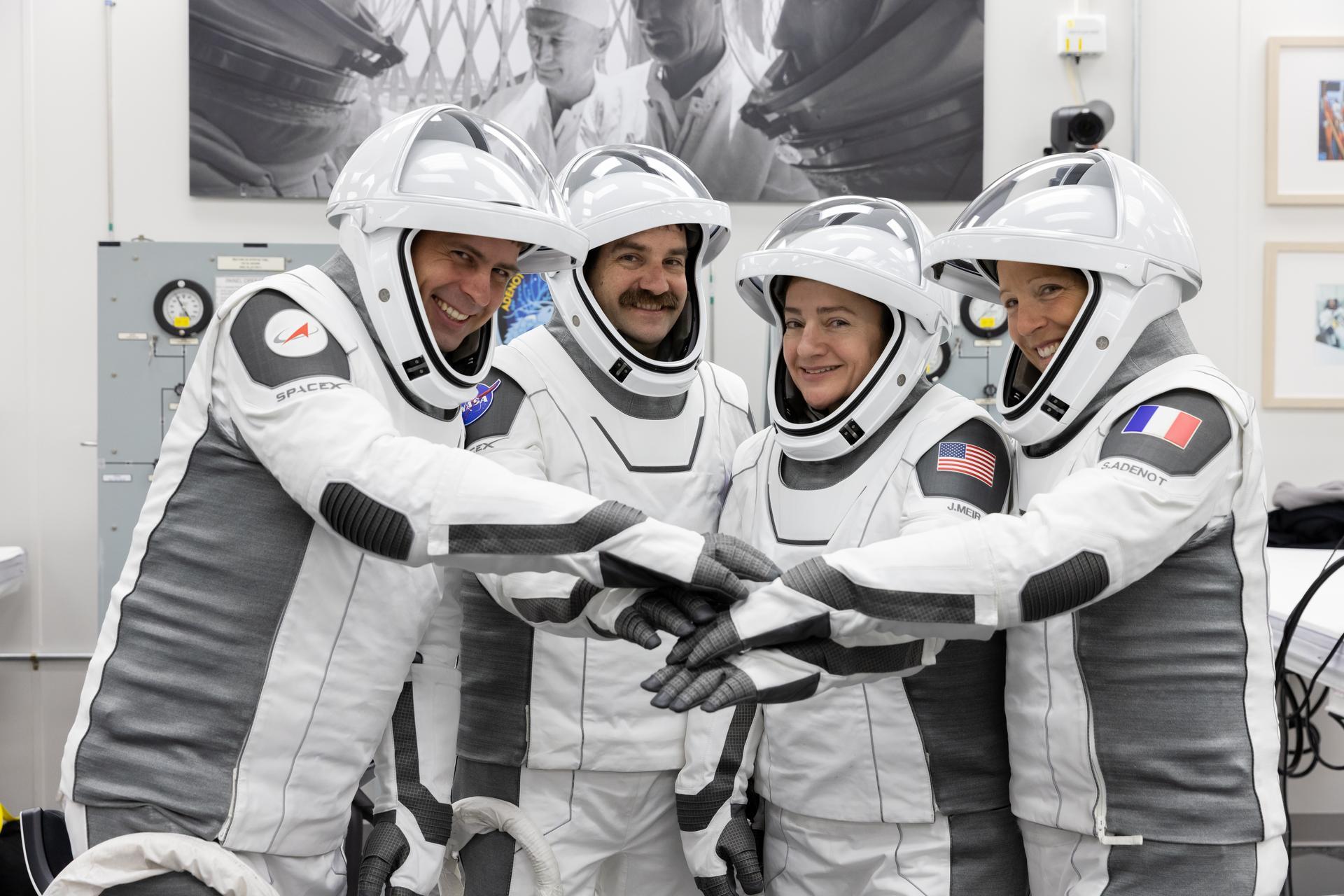
NASA has assigned astronaut Deniz Burnham to her first International Space Station mission as a flight engineer on Expedition 76. She will travel to the station aboard the Roscosmos Soyuz MS-30 spacecraft alongside Russian cosmonauts Dmitri Petelin and Konstantin Borisov. The mission is scheduled to launch in March 2027 from the Baikonur Cosmodrome in Kazakhstan. The three crew members will spend an extended period aboard the ISS as part of the joint mission.

0
SpaceNASA ·

Webb Telescope Captures Detailed Mid-Infrared View of Active Galaxy Centaurus A

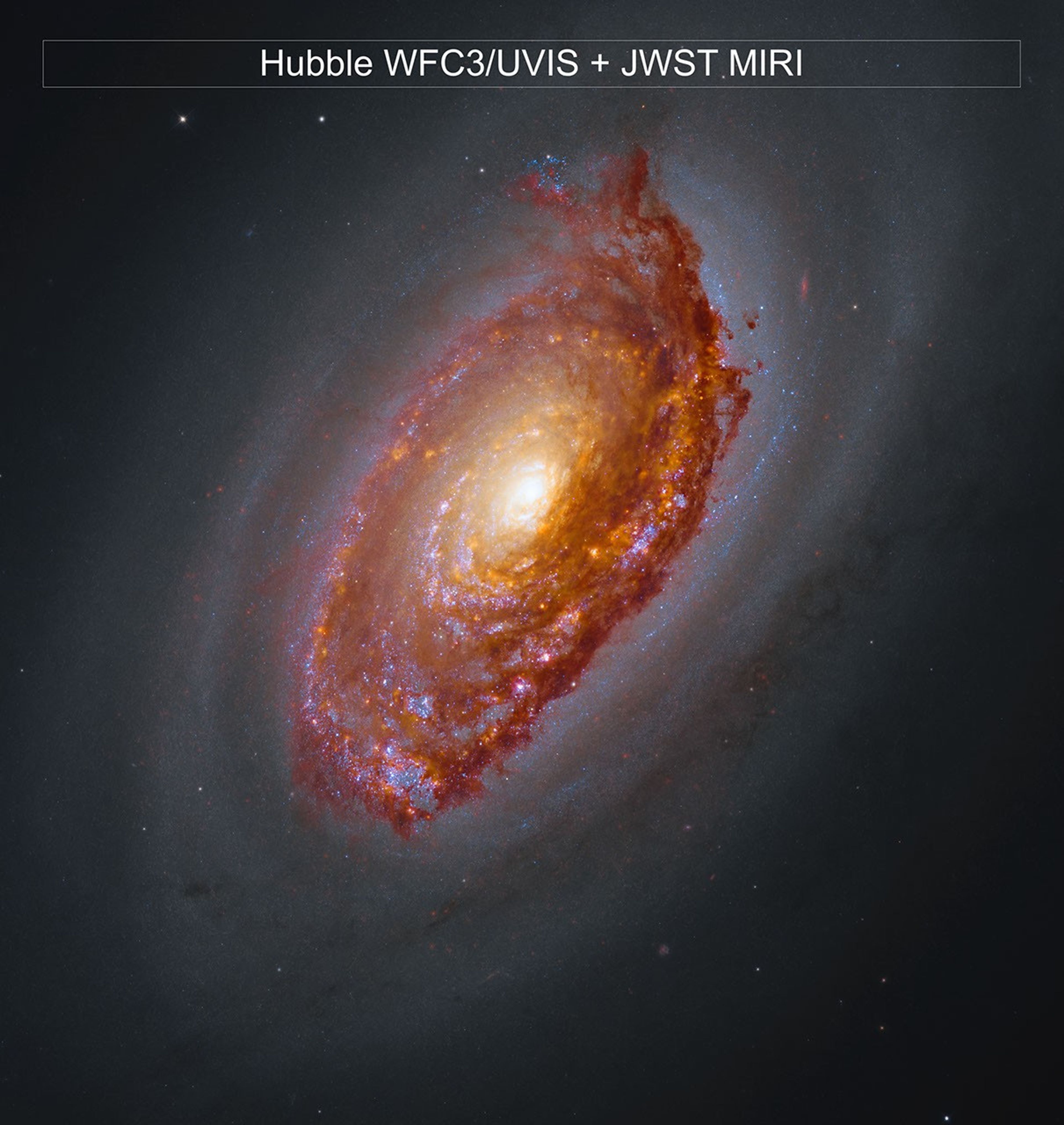
NASA's James Webb Space Telescope used its Mid-Infrared Instrument (MIRI) to image Centaurus A, a nearby but unusually active galaxy. The image, captured on July 6, 2026, reveals dusty structures and hidden activity within the galaxy system. Centaurus A lies approximately 11 million light-years from Earth, making it relatively close by cosmic standards. Despite its proximity, it stands out from most neighboring galaxies due to its high level of activity. The MIRI observations offer new insight into the forces shaping this distinctive galactic system.

0
SpaceNASA ·

NASA Johnson Space Center Interns Gain Hands-On Experience on Real Missions

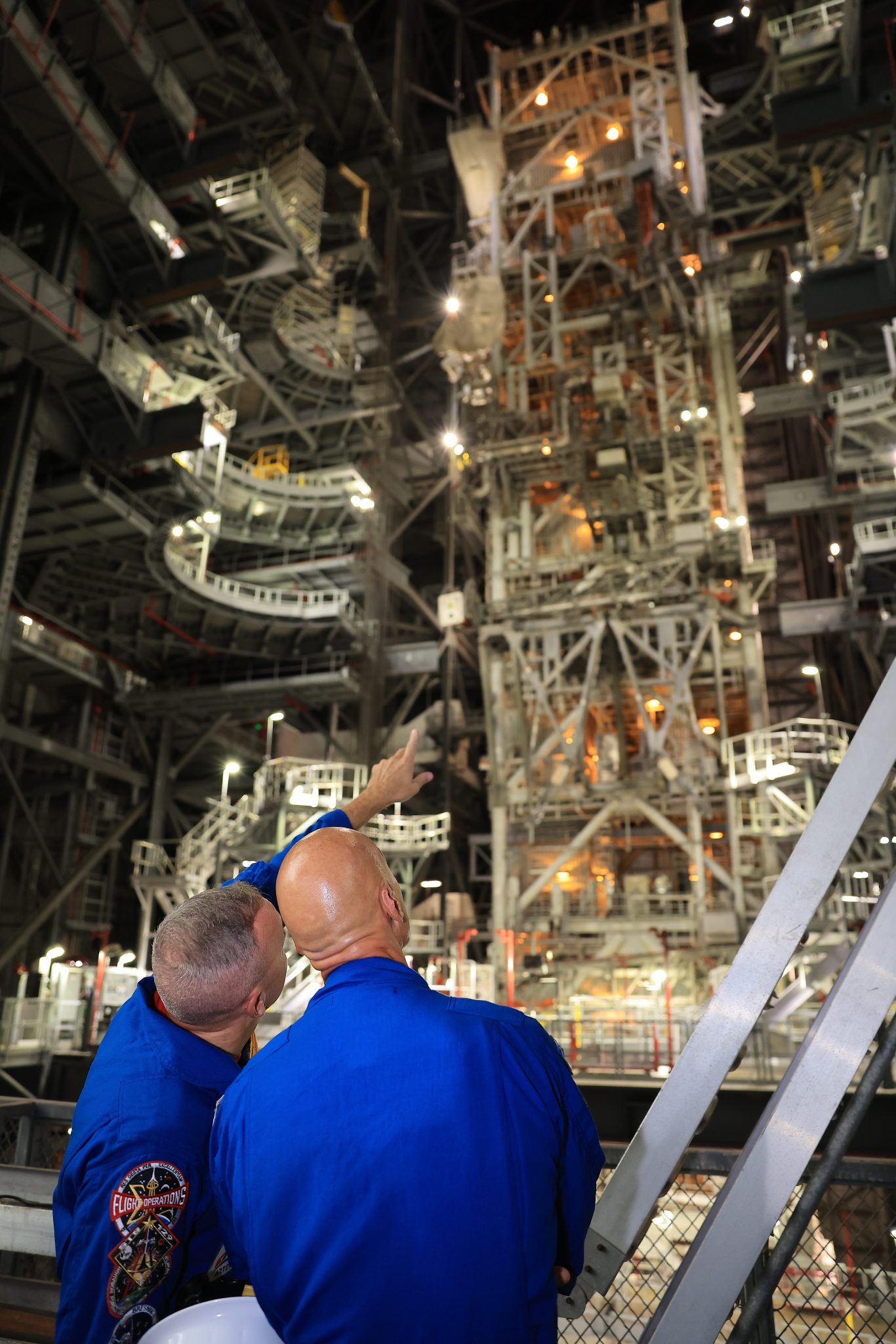
Interns at NASA's Johnson Space Center are working directly on active projects alongside professional engineers, scientists, and communicators. The students are contributing meaningfully to human spaceflight missions rather than performing purely observational roles. Through this experience, they are building practical skills aimed at preparing them for careers in the competitive aerospace industry. NASA highlighted these interns to showcase how the next generation of talent is being developed within its ranks.

0
SpaceNASA ·

NASA APOD Features Red Sun Phenomenon Caused by Wildfire Smoke

NASA's Astronomy Picture of the Day (APOD) for July 30 showcased a striking image of the Sun appearing red due to wildfire smoke in the atmosphere. The daily feature highlights a different astronomical image or photograph each day, accompanied by explanations from professional astronomers. Wildfire smoke particles scatter shorter wavelengths of light, allowing longer red wavelengths to pass through and giving the Sun its unusual crimson appearance. The APOD program aims to educate the public about astronomy and cosmic phenomena by presenting visually compelling images with scientific context.

0
SpaceNASA ·

NASA Captures New Zealand's Stewart Island in Stunning Satellite View

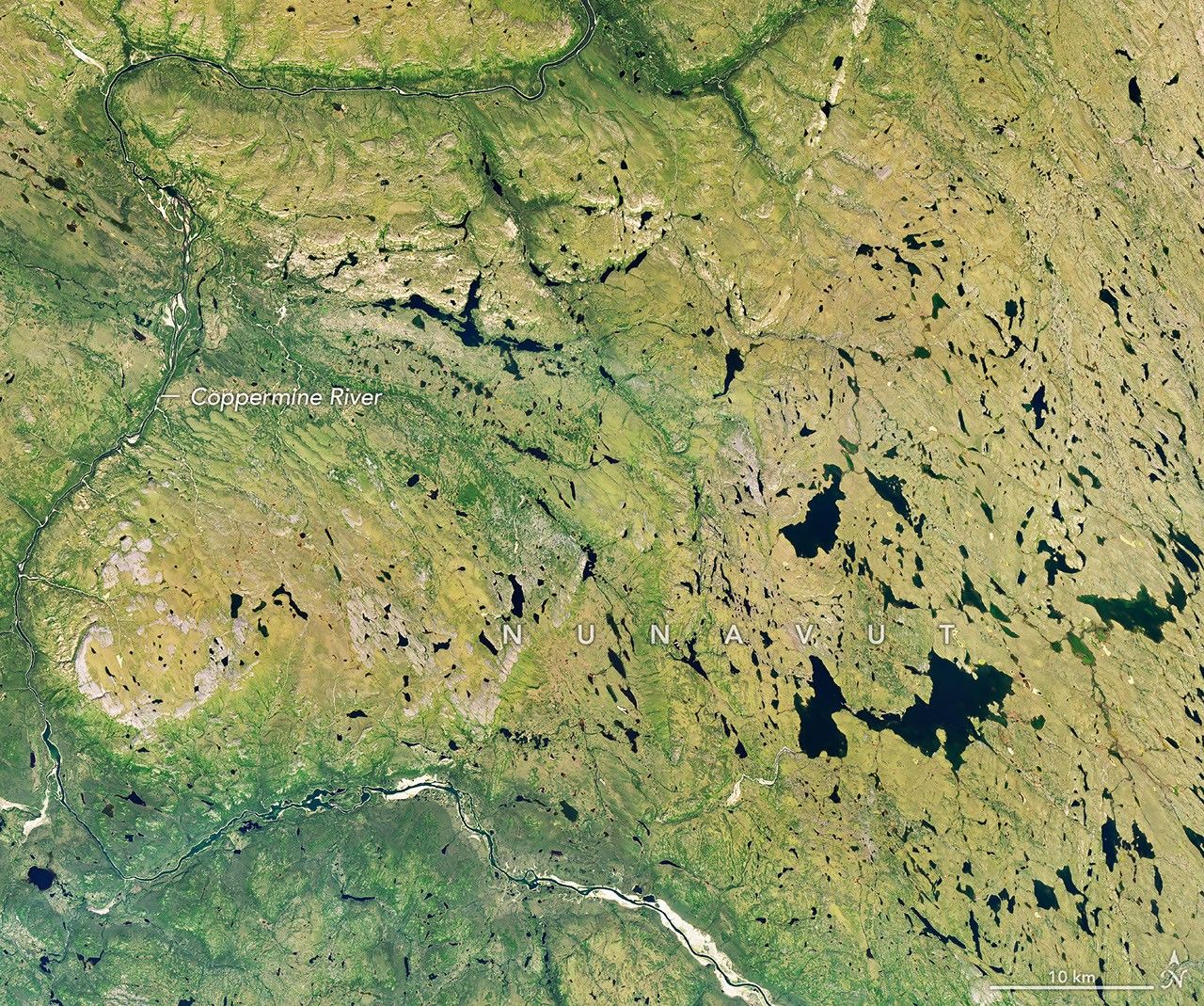
Stewart Island, also known as Rakiura, is New Zealand's third-largest island and a celebrated natural wilderness. The island is renowned for its rich birdlife and distinctive forest ecosystems. Its remote beaches and pristine landscapes make it a standout destination for nature enthusiasts. The island also offers rare opportunities for clear views of the night sky, adding to its appeal as an unspoiled natural retreat.

0
SpaceNASA ·

NASA Awards $3.2M to 18 Innovative Aerospace Concepts for 2026

NASA's Innovative Advanced Concepts (NIAC) program has announced 18 new Phase I awards totaling $3.2 million to fund forward-looking aerospace research. Each recipient will receive up to $175,000 to conduct a nine-month preliminary investigation into their proposed concept. The selected ideas span a broad range of aerospace applications, from solar system exploration to deepening our understanding of the universe. The awards are designed to nurture visionary early-stage technologies that could shape the future of space exploration.

0
SpaceNASA ·

NASA to Live Stream Total Solar Eclipse Crossing Europe and Arctic in August

A total solar eclipse will occur on Wednesday, August 12, crossing parts of Greenland, Iceland, northern Russia, the Atlantic Ocean, Spain, and a small section of Portugal. NASA plans to broadcast the event live, offering viewers coverage from multiple points along the eclipse's path. The stream will also feature interviews with scientific experts to provide context and insight into the phenomenon. NASA will make the coverage available across several online platforms for audiences worldwide.

0
SpaceNASA ·

Curiosity Rover Photographs 20-Foot Sand-Capped Martian Butte Named Miraflores

NASA's Curiosity Mars rover captured an image of a sand-topped rock formation on June 11, 2026, marking the 4,923rd Martian day of the mission. The feature, informally named 'Miraflores,' stands approximately 20 feet (6 meters) tall. The image was taken using the rover's Mast Camera, known as Mastcam. The butte formed as the softer rock surrounding it gradually eroded away, leaving the more resistant structure standing in a broad valley.

0
SpaceNASA ·

Curiosity Rover Finds Largest Concentration of Polygons on Mars Surface

NASA's Curiosity Mars rover captured a 360-degree panorama of a vast terrain covered in polygon-shaped surface features on June 19–20, 2026. The images were taken on the 4,930th and 4,931st Martian days, known as sols, of the mission. While Curiosity has previously encountered polygons on Mars, scientists noted this is the largest concentration of such formations the rover has ever observed in a single location. These geometric surface patterns are of scientific interest as they can indicate past freeze-thaw cycles or drying of ancient wet material.

0
SpaceNASA ·

NASA Curiosity Rover Spots Honeycomb-Like Rock Patterns on Mars

NASA's Curiosity rover has photographed a field of honeycomb-shaped geometric patterns while climbing a Martian valley known as 'Valle Grande.' The structures, called polygonal fractures, measure roughly 1.5 to 3 inches across. Mission scientists recognized the formations, having encountered smaller patches of similar shapes on previous occasions. The discovery adds to Curiosity's ongoing geological survey of the Martian surface.

0
SpaceNASA ·

NASA's Psyche Spacecraft Uses Mars Flyby for Gravity Assist

NASA's Psyche spacecraft performed a gravity assist maneuver using Mars as part of its ongoing mission. The flyby allowed the spacecraft to gain additional velocity by harnessing Mars's gravitational pull. This technique is commonly used to propel spacecraft deeper into the solar system without expending extra fuel. The event was captured in video footage documenting the historic flyby. Psyche is ultimately headed toward the metal-rich asteroid 16 Psyche in the main asteroid belt.

0
SpaceNASA ·

NASA MAVEN Reveals How Solar Storms Trigger Auroras on Mars

NASA's MAVEN mission has provided new insights into how certain auroras form on Mars. Scientists found that these Martian auroras are generated in a way similar to known auroral processes, driven by charged particles from solar storms. The research also connects aurora formation to the broader process of atmospheric loss on Mars, whereby solar activity strips charged particles from the planet's atmosphere. MAVEN, which stands for Mars Atmosphere and Volatile Evolution, has been studying these atmospheric and space weather interactions around Mars. The findings help deepen understanding of how solar storms shape the Martian environment over time.

← NewerPage 3 of 11Older →