SShortSingh.

Space

0
SpaceNASA ·

NASA Curiosity Rover Spots Honeycomb-Like Rock Patterns on Mars

NASA's Curiosity rover has photographed a field of honeycomb-shaped geometric patterns while climbing a Martian valley known as 'Valle Grande.' The structures, called polygonal fractures, measure roughly 1.5 to 3 inches across. Mission scientists recognized the formations, having encountered smaller patches of similar shapes on previous occasions. The discovery adds to Curiosity's ongoing geological survey of the Martian surface.

0
SpaceNASA ·

NASA's Psyche Spacecraft Uses Mars Flyby for Gravity Assist

NASA's Psyche spacecraft performed a gravity assist maneuver using Mars as part of its ongoing mission. The flyby allowed the spacecraft to gain additional velocity by harnessing Mars's gravitational pull. This technique is commonly used to propel spacecraft deeper into the solar system without expending extra fuel. The event was captured in video footage documenting the historic flyby. Psyche is ultimately headed toward the metal-rich asteroid 16 Psyche in the main asteroid belt.

0
SpaceNASA ·

NASA MAVEN Reveals How Solar Storms Trigger Auroras on Mars

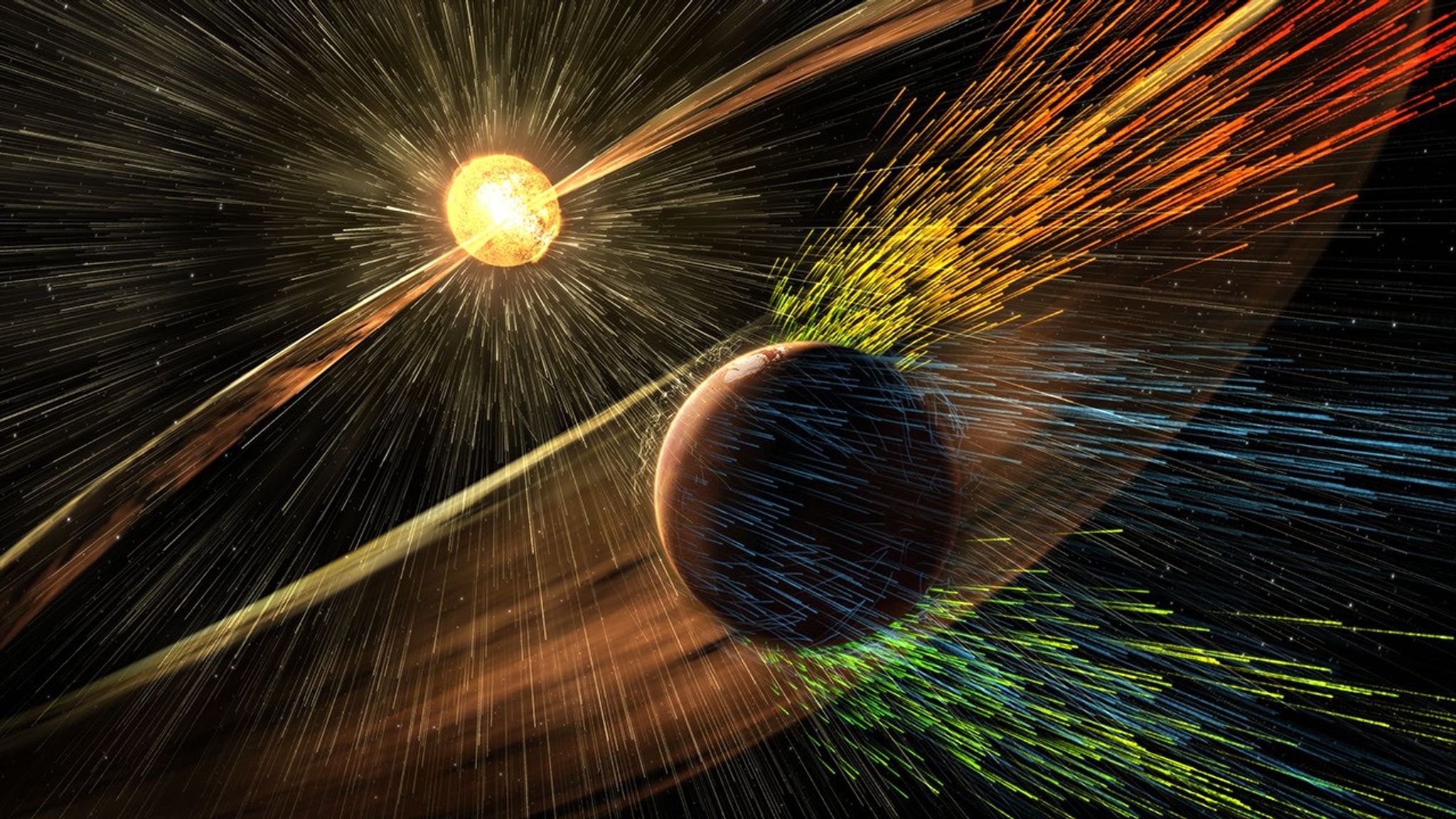
NASA's MAVEN mission has provided new insights into how certain auroras form on Mars. Scientists found that these Martian auroras are generated in a way similar to known auroral processes, driven by charged particles from solar storms. The research also connects aurora formation to the broader process of atmospheric loss on Mars, whereby solar activity strips charged particles from the planet's atmosphere. MAVEN, which stands for Mars Atmosphere and Volatile Evolution, has been studying these atmospheric and space weather interactions around Mars. The findings help deepen understanding of how solar storms shape the Martian environment over time.

0
SpaceNASA ·

NASA Webb Telescope Probes Origins of Mysterious 'Little Red Dots' in Deep Space

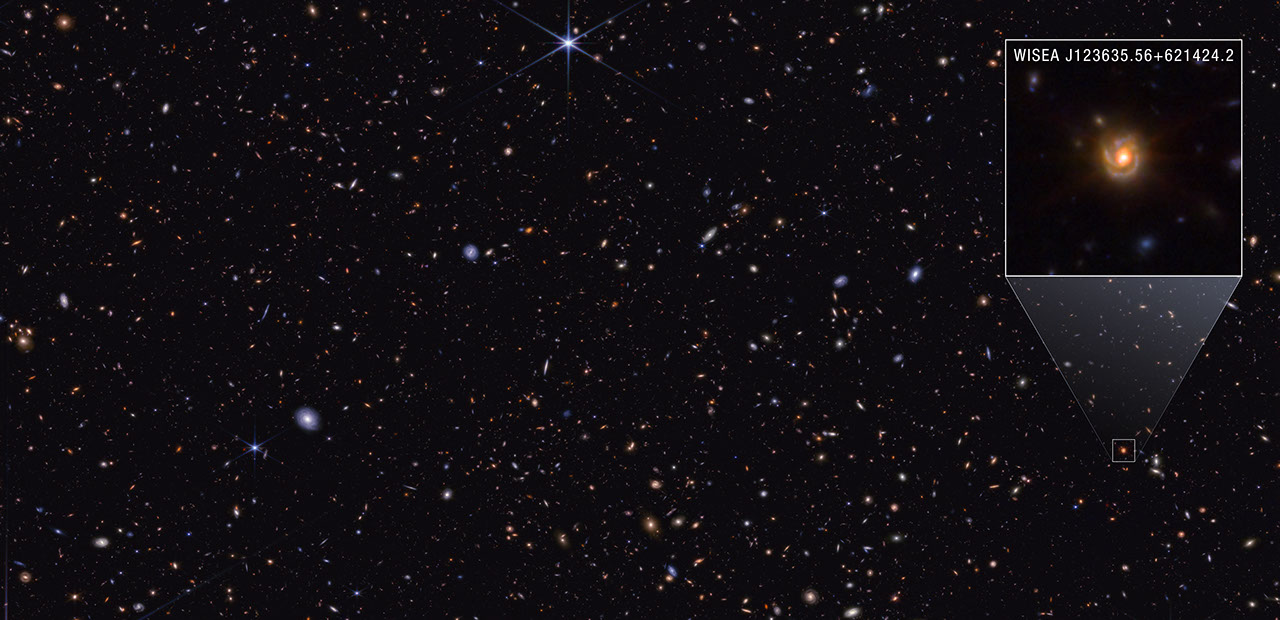
NASA's James Webb Space Telescope first detected a class of distant, compact red objects nicknamed 'little red dots' (LRDs) in 2022, sparking significant interest among astronomers. These sources are located extremely far from Earth, making their true nature difficult to determine. Scientists have been working to understand what LRDs actually are, with one leading hypothesis suggesting they could be supermassive black holes known as active galactic nuclei. Webb's advanced observational capabilities are now being used to investigate the origins and characteristics of these enigmatic objects. The ongoing research aims to build a clearer picture of how LRDs fit into the broader story of early galaxy and black hole formation.

0
SpaceNASA ·

NASA Converts Contractor Ray Williams to Civil Servant at Stennis Space Center

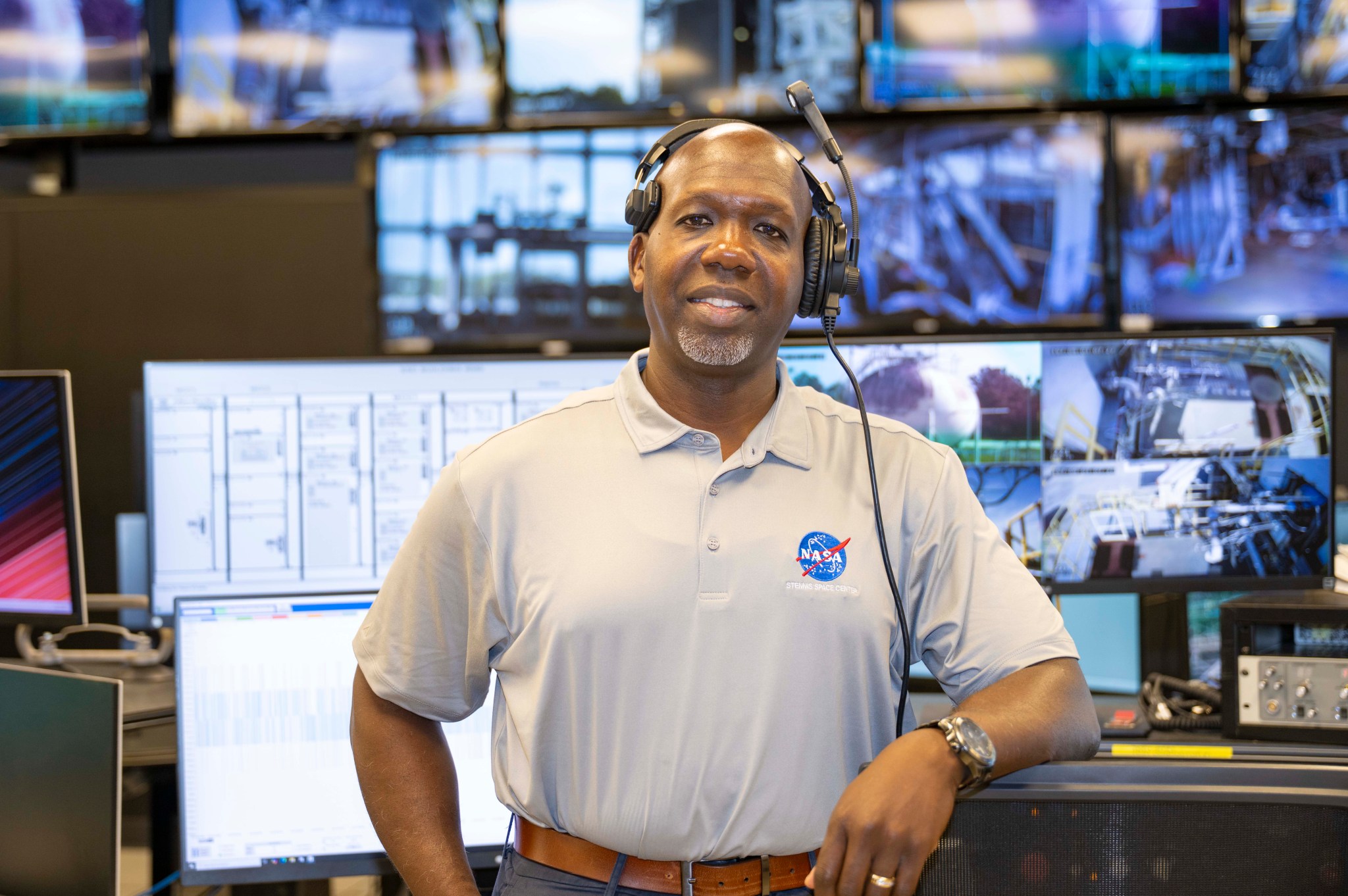
Ray Williams, a New Orleans native and Grambling State University graduate, has transitioned from contractor to civil servant at NASA's Stennis Space Center near Bay St. Louis, Mississippi. He now serves as a supervisor for test operations support at the facility. His appointment is part of a broader NASA initiative aimed at restoring core competencies within the agency by converting contractors into civil service roles. Williams' prior experience working at Stennis as a contractor is seen as strong preparation for his new supervisory position.

0
SpaceNASA ·

Atlantic Sargassum Belt Reaches Near-Record Levels in June 2026

The Great Atlantic Sargassum Belt swelled to near-record proportions in June 2026, according to NASA. Both the Caribbean Sea and the Gulf of America recorded all-time high concentrations of the floating seaweed. The belt is a massive seasonal accumulation of sargassum stretching across the Atlantic Ocean. These elevated levels raise concerns about potential impacts on coastal ecosystems and shorelines in affected regions.

0
SpaceNASA ·

NASA APOD Features Barnard's Loop Glowing Over Twin Volcanoes

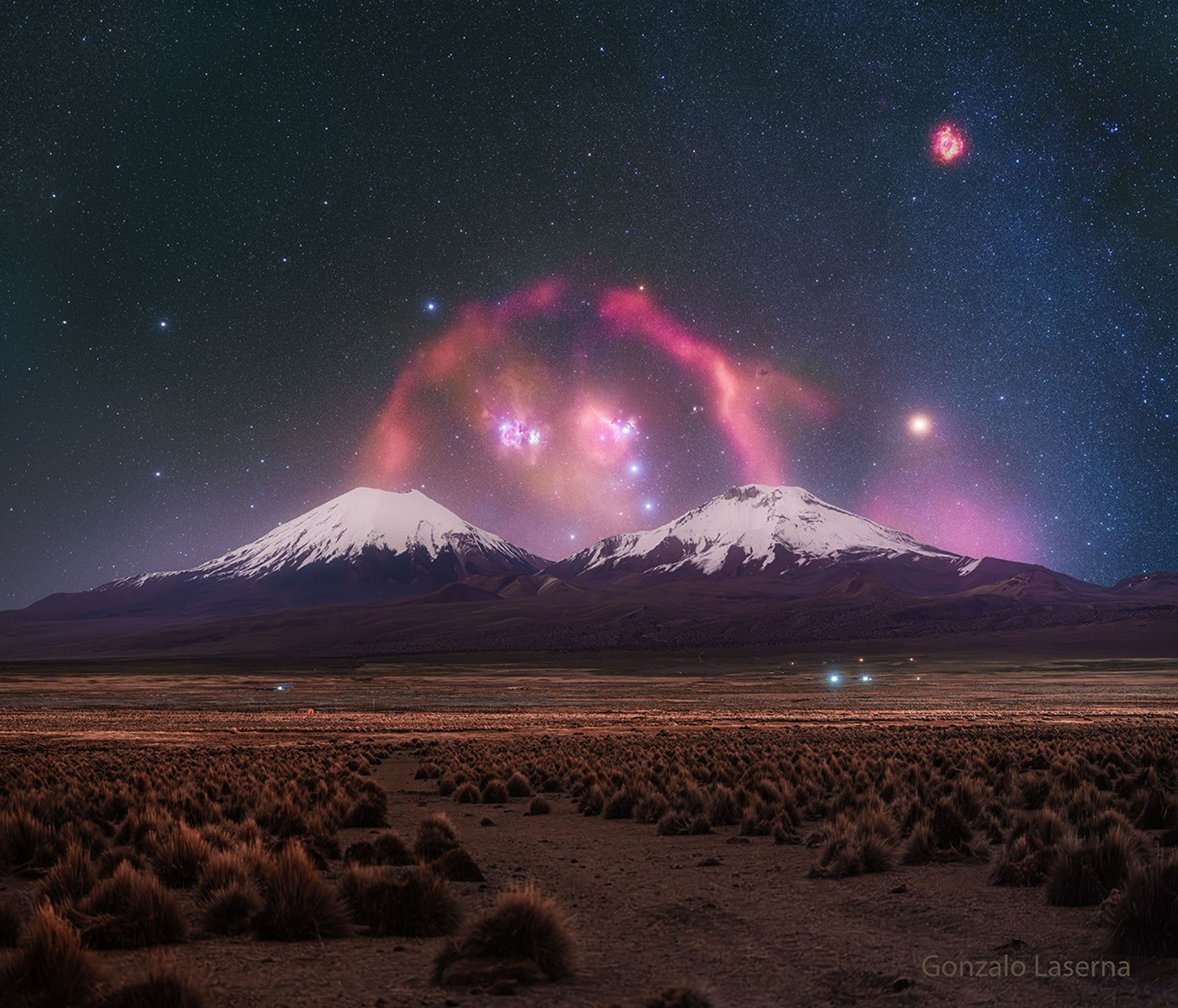
NASA's Astronomy Picture of the Day (APOD) for July 28, 2026, showcases an image of Barnard's Loop set against a backdrop featuring twin volcanoes. APOD is a long-running NASA program that highlights a different astronomical image each day, accompanied by an explanation from a professional astronomer. Barnard's Loop is a large emission nebula located in the constellation Orion, faintly visible as a sweeping arc of glowing hydrogen gas. The featured image appears in both original and annotated versions, helping viewers identify key celestial features.

0
SpaceNASA ·

NASA Astronaut Chris Williams to Brief Media on Eight-Month ISS Mission

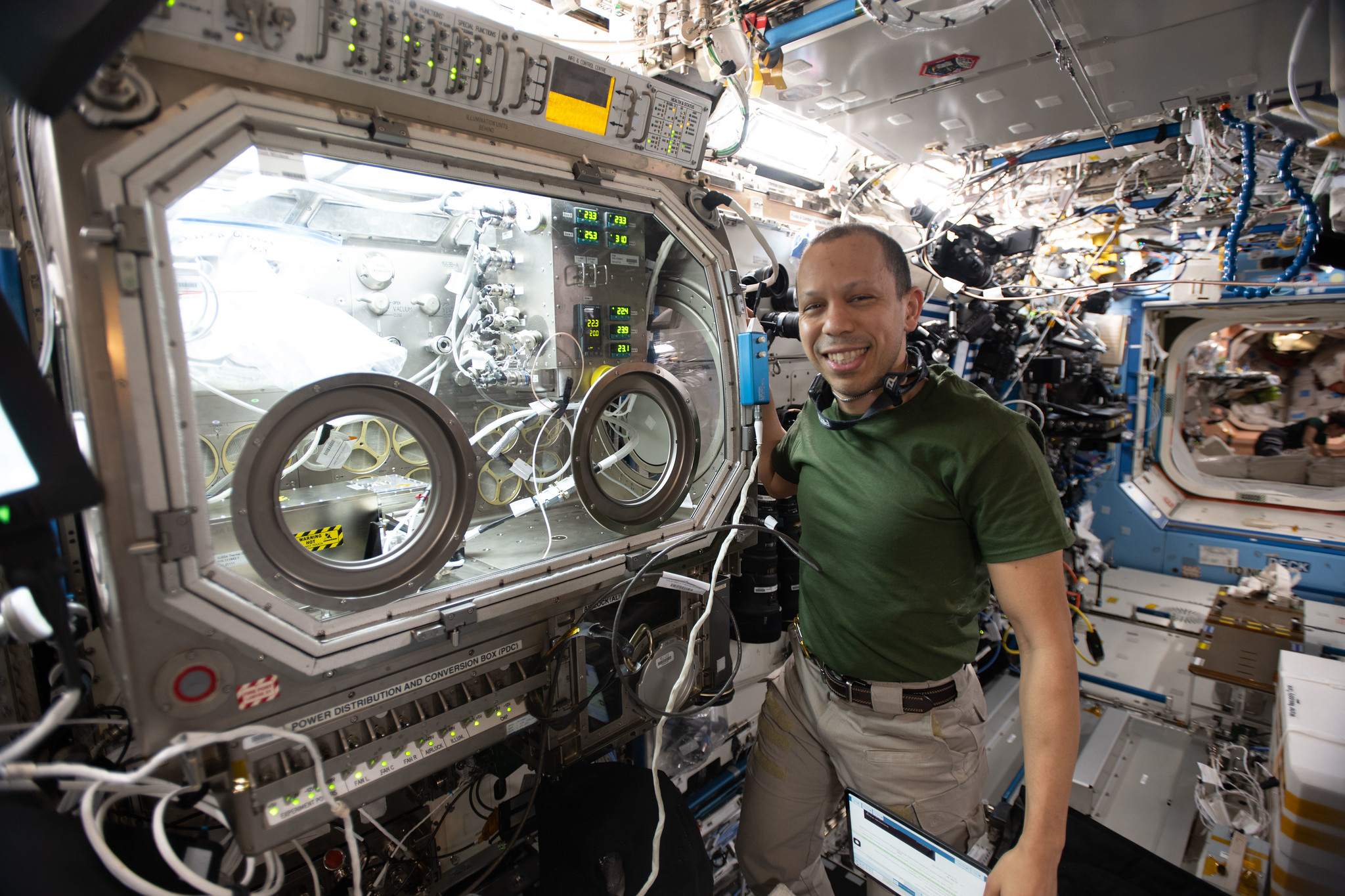
NASA astronaut Chris Williams will hold a post-mission news conference on Tuesday, August 4, at 2:45 p.m. EDT. The event will take place at NASA's Johnson Space Center in Houston, Texas. Williams will discuss highlights and findings from his recent eight-month stay aboard the International Space Station. The briefing will be streamed live across multiple online platforms via NASA's official channels.

0
SpaceNASA ·

NASA to Conduct Solar Science During August Total Eclipse Over Greenland and Iceland

A total solar eclipse will sweep over Greenland, Iceland, and surrounding regions on Wednesday, August 12, offering scientists a rare observational opportunity. During a total solar eclipse, the Moon completely blocks the Sun, temporarily darkening daytime skies and exposing the Sun's outer atmosphere, known as the corona. NASA plans to use this event to conduct scientific research aimed at better understanding the Sun and its effects on Earth. Such eclipses are considered valuable windows for solar study, as the corona is otherwise difficult to observe due to the Sun's overwhelming brightness.

0
SpaceNASA ·

NASA Astronaut Chris Williams Returns After 8-Month ISS Mission

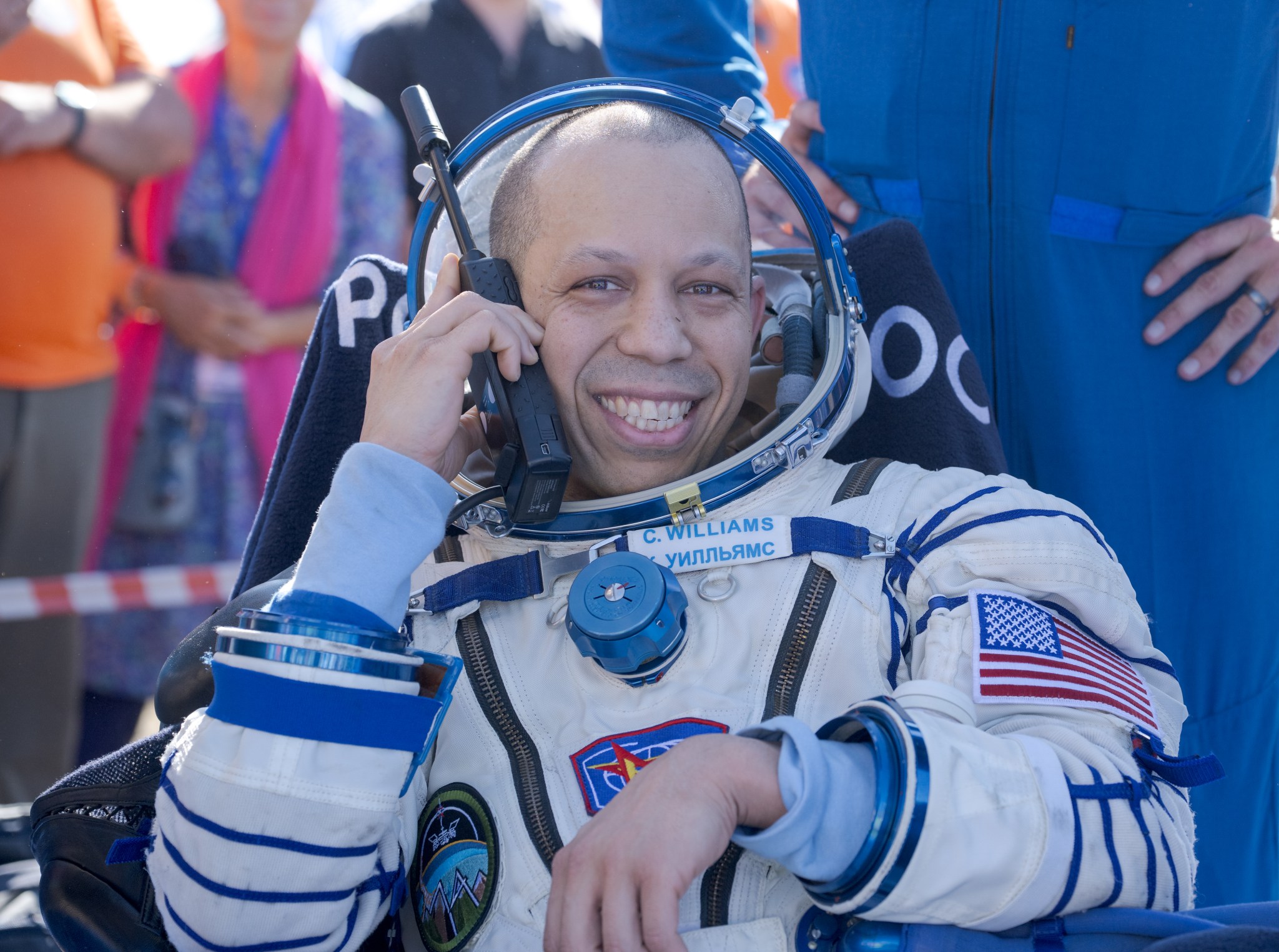
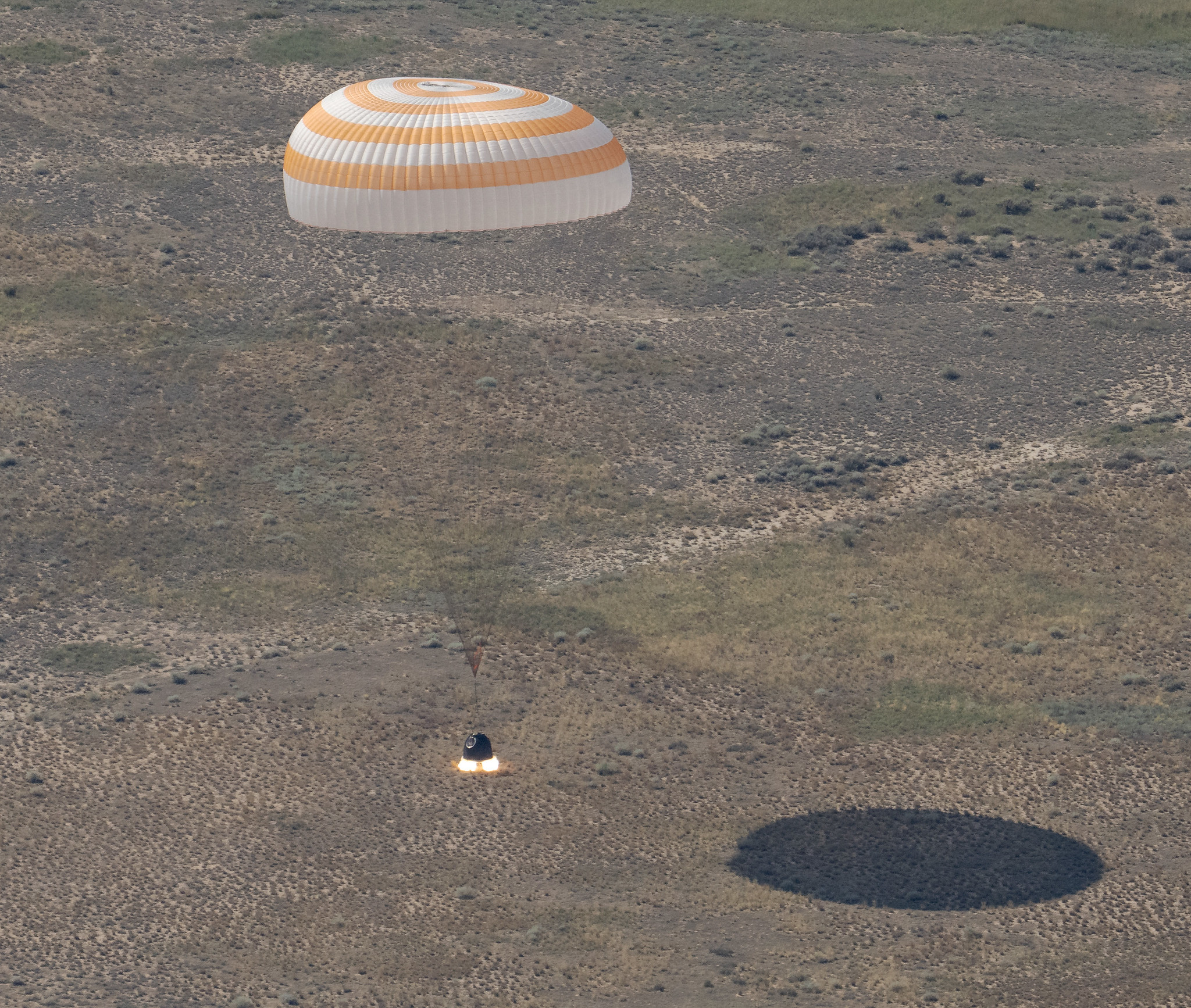
NASA astronaut Chris Williams landed in Kazakhstan on July 26, 2026, alongside Roscosmos cosmonauts Sergey Kud-Sverchkov and Sergei Mikaev. The trio were part of the Expedition 74 crew returning from the International Space Station. This marked Williams' first spaceflight mission. During his eight months aboard the ISS, Williams contributed to a variety of scientific research projects and technology demonstrations.

0
SpaceNASA ·

NASA Captures Rare Black Hole Devouring Star Far Outside Galaxy's Core

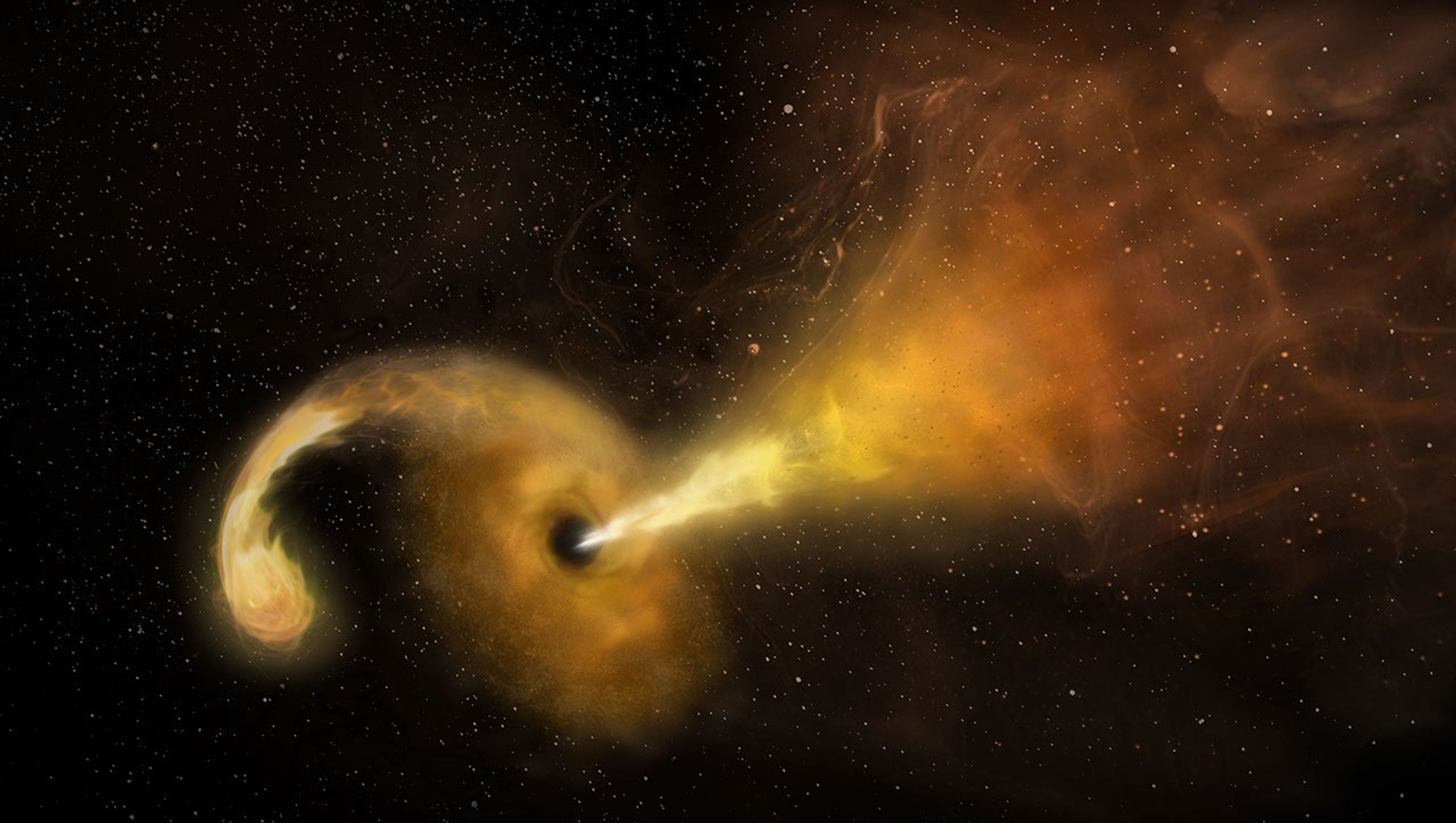
NASA's Neil Gehrels Swift Observatory has detected an unusual event involving a wandering black hole destroying a nearby star on the fringes of a distant galaxy. The phenomenon, known as a tidal disruption event, occurs when a star passes too close to a black hole and gets torn apart. While such events have been observed before, this marks the first time one has been recorded so far from a galaxy's central region. The black hole involved is described as an 'orphan' or 'wandering' mega black hole, drifting far from its galaxy's core. Scientists had been actively searching for such star-shredding events as a method to detect and study isolated black holes in the universe.

0
SpaceNASA ·

NASA Plans Three ISS Spacewalks in August to Upgrade Solar Arrays and Systems

NASA astronauts are scheduled to conduct three spacewalks outside the International Space Station in August 2025. The missions will focus on upgrading solar arrays, replacing a communications antenna, and connecting power and data cables. These activities are aimed at supporting ongoing space station operations. NASA experts held a preview news conference on Thursday, July 30, at 2 p.m. EDT to brief the public ahead of the planned excursions.

0
SpaceNASA ·

Hubble Telescope Reveals Star Formation in Andromeda Galaxy in 500M-Year Decline

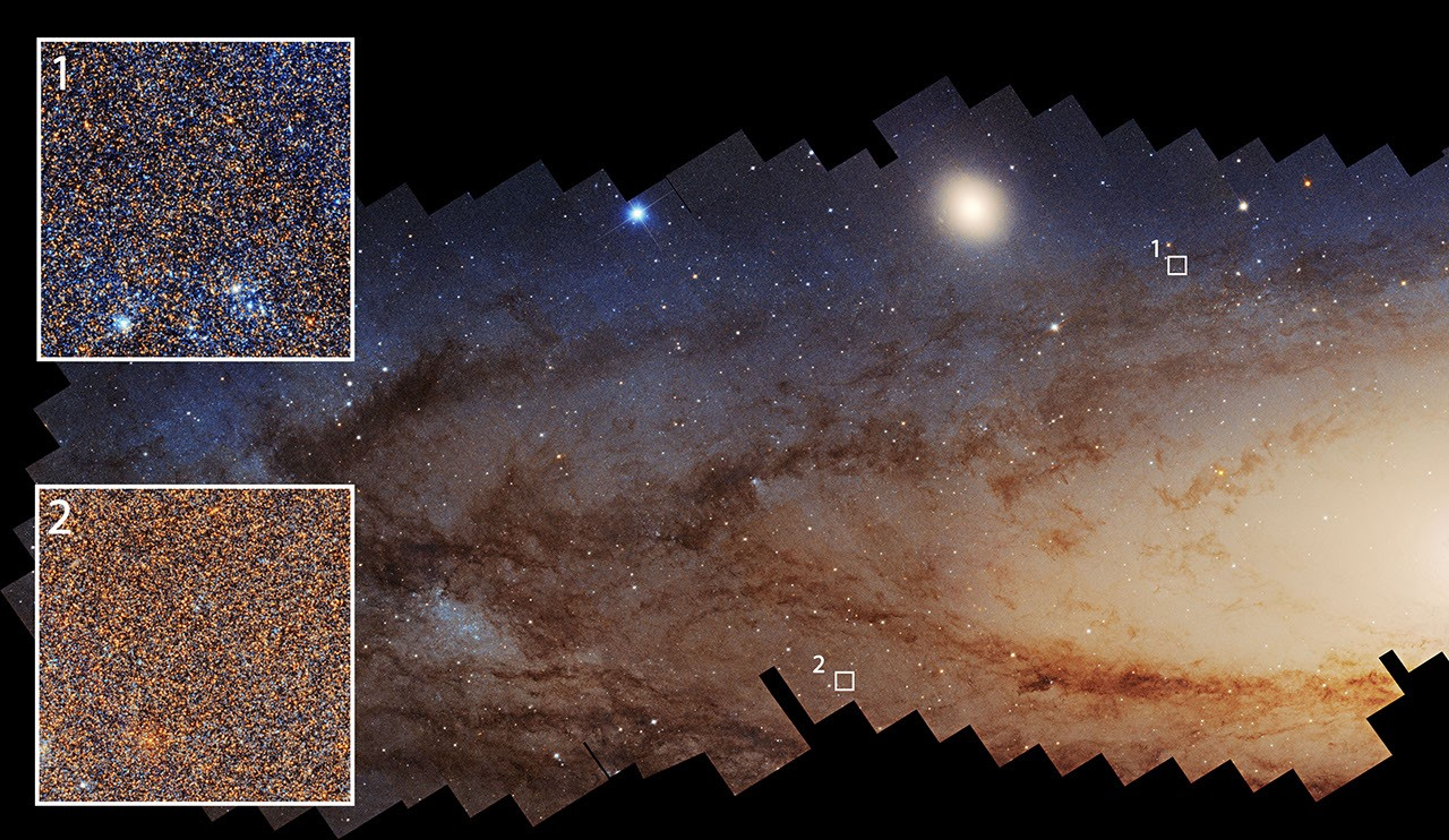
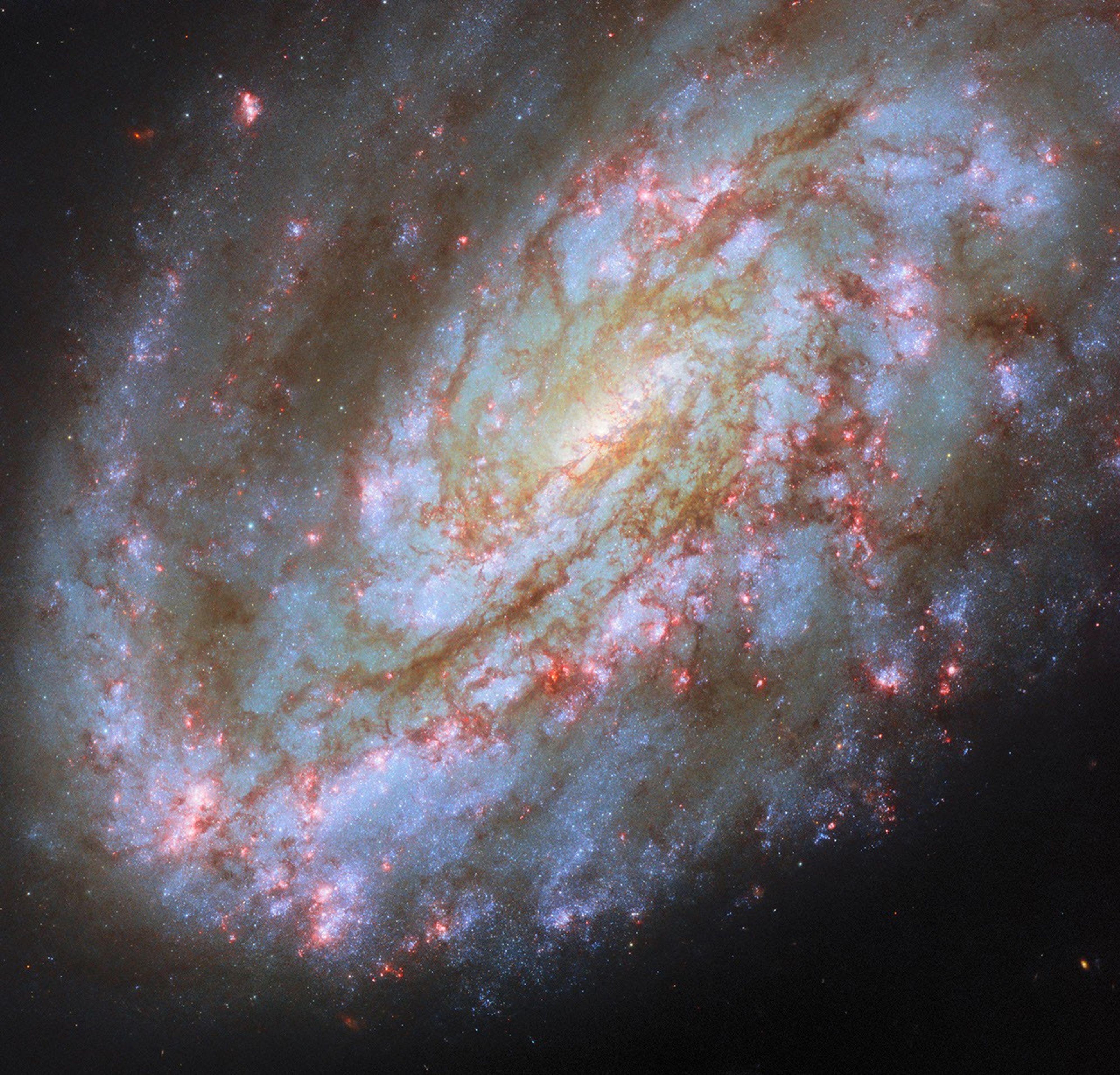
NASA's Hubble Space Telescope has uncovered evidence that star formation in the Andromeda galaxy has been steadily declining over the past 500 million years. Andromeda, the nearest large spiral galaxy to our Milky Way, appears to be gradually winding down its stellar birth activity. The findings were made possible through Hubble's powerful observational capabilities, which allow scientists to study galactic evolution in detail. This prolonged decline suggests that Andromeda may eventually cease producing new stars altogether. The discovery offers valuable insights into the life cycles of galaxies and the long-term fate of our cosmic neighborhood.

0
SpaceNASA ·

NASA Astronaut Chris Williams Returns to Earth After 8-Month ISS Mission

NASA astronaut Chris Williams has returned to Earth following an eight-month science mission aboard the International Space Station. He was accompanied by Roscosmos cosmonauts Sergey Kud-Sverchkov and Sergei Mikaev on the journey home. The crew departed the ISS at 2:03 a.m. CDT and completed a parachute-assisted landing at 5:27 a.m. CDT on Sunday. The spacecraft touched down southeast of Dzhezkazgan, Kazakhstan, at 3:27 p.m. local time.

0
SpaceNASA ·

NASA's ESCAPADE Spacecraft Photographs Earth and Moon from Deep Space

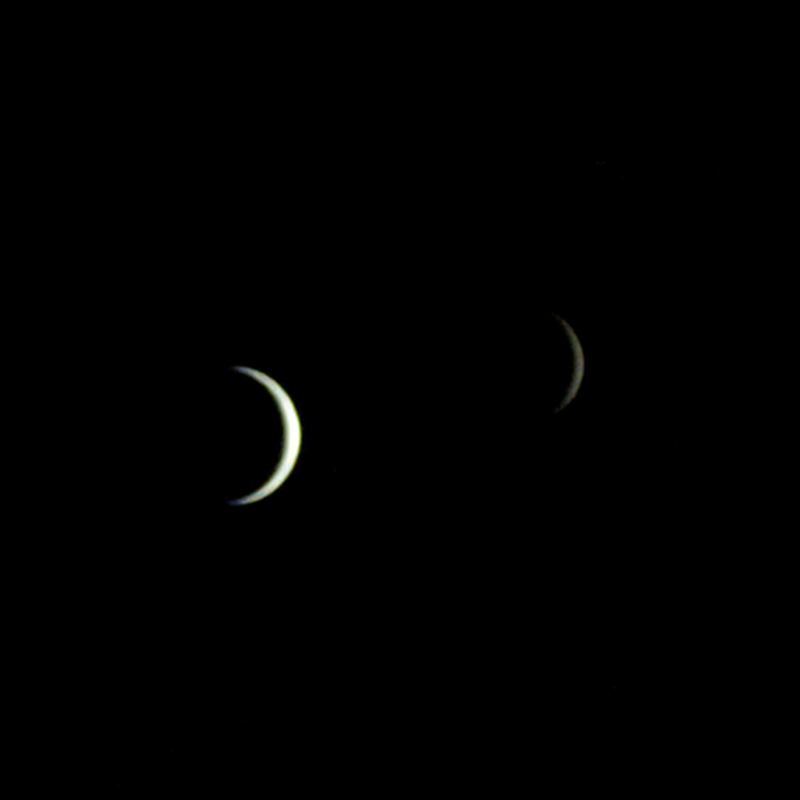
On July 3, one of NASA's two ESCAPADE spacecraft captured images of Earth and the Moon while en route to Mars. The probe photographed both celestial bodies in visible light and thermal infrared wavelengths. At the time of imaging, the spacecraft was approximately 363,250 miles from Earth and 115,600 miles from the Moon. ESCAPADE, which stands for Escape and Plasma Acceleration and Dynamics Explorers, is a dual-spacecraft mission ultimately destined for Mars.

0
SpaceNASA ·

Three Astronauts Join ISS Crew After Baikonur Launch in July 2026

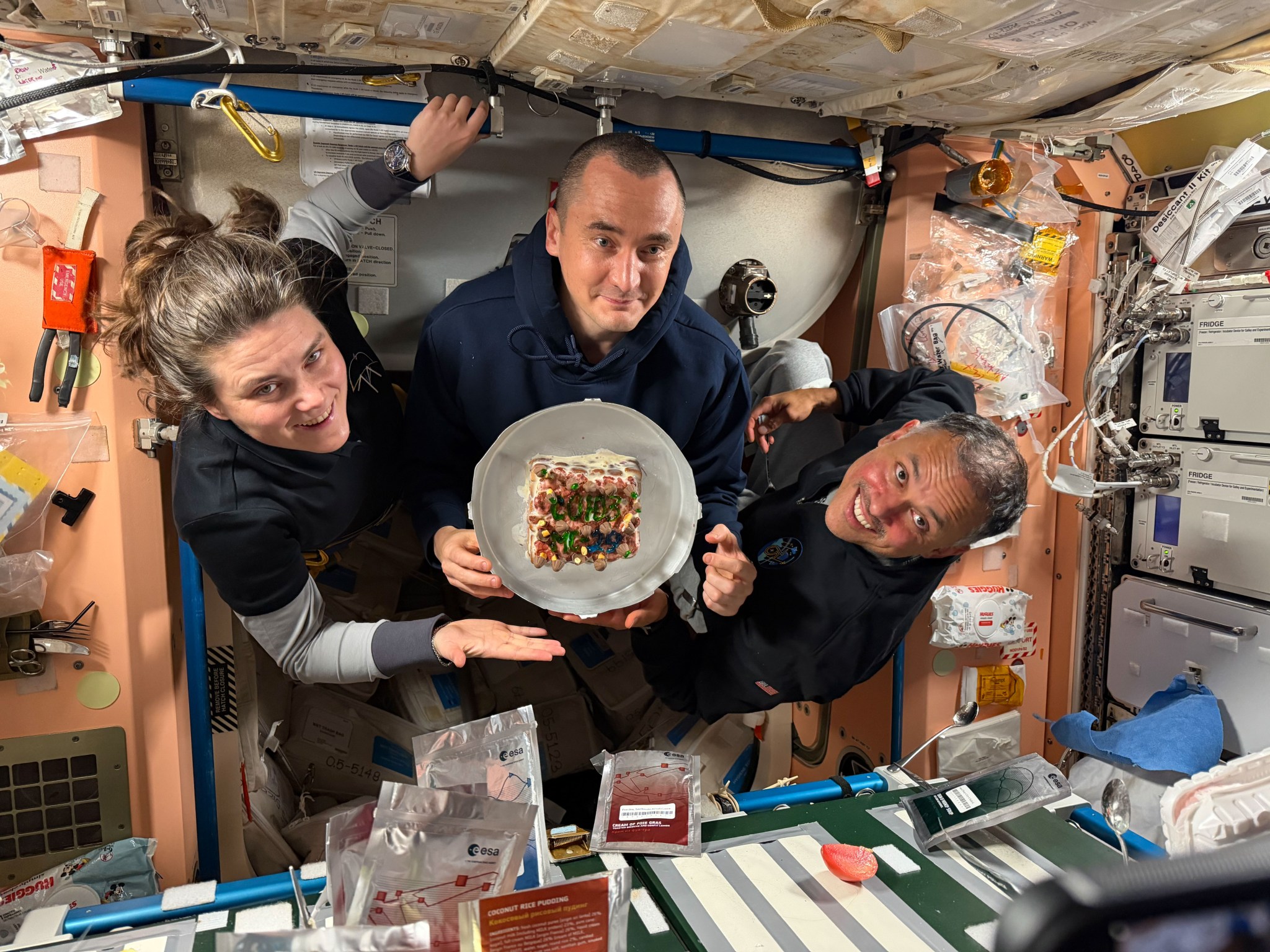
Three new crew members have joined the International Space Station as part of Expedition 74. NASA astronaut Anil Menon and Roscosmos cosmonauts Anna Kikina and Pyotr Dubrov arrived at the ISS on July 14, 2026. The trio launched from the Baikonur Cosmodrome prior to their docking with the station. A photo taken on July 18, 2026, shows the three flight engineers celebrating their arrival with a cake aboard the ISS.

0
SpaceNASA ·

NASA Awards Contract for CAPSTONE 02 Moon Mission to Test Cislunar Tech

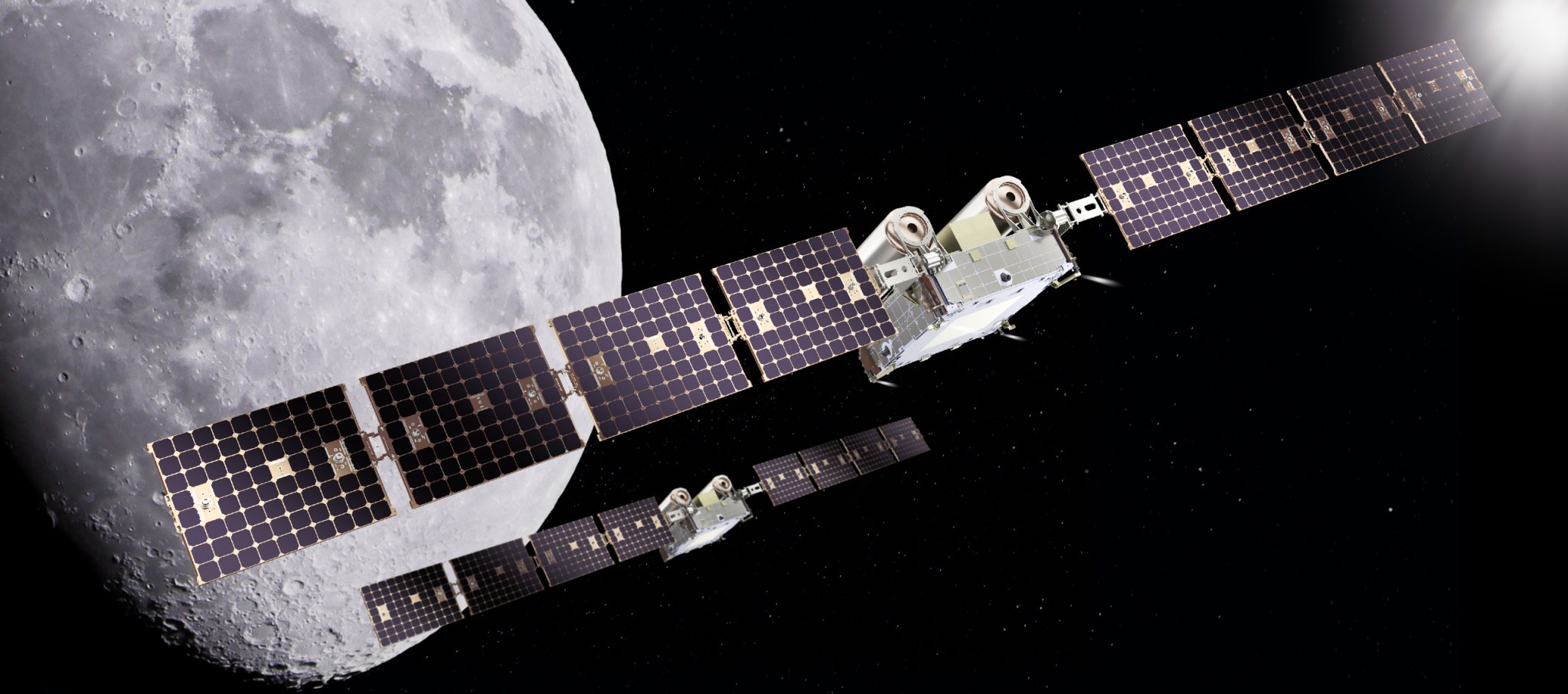
NASA has announced the CAPSTONE 02 mission, awarding a contract to Advanced Space to advance cislunar infrastructure development. The mission is part of the agency's broader Artemis program and Moon Base initiative. CAPSTONE 02 will demonstrate key capabilities including rendezvous and proximity operations, autonomous navigation, and cislunar communications. The mission builds on earlier cislunar work and is aimed at developing orbital assets critical to future lunar operations.

0
SpaceNASA ·

NASA to Host Blue Origin New Glenn Second Stage Tests at Stennis Center

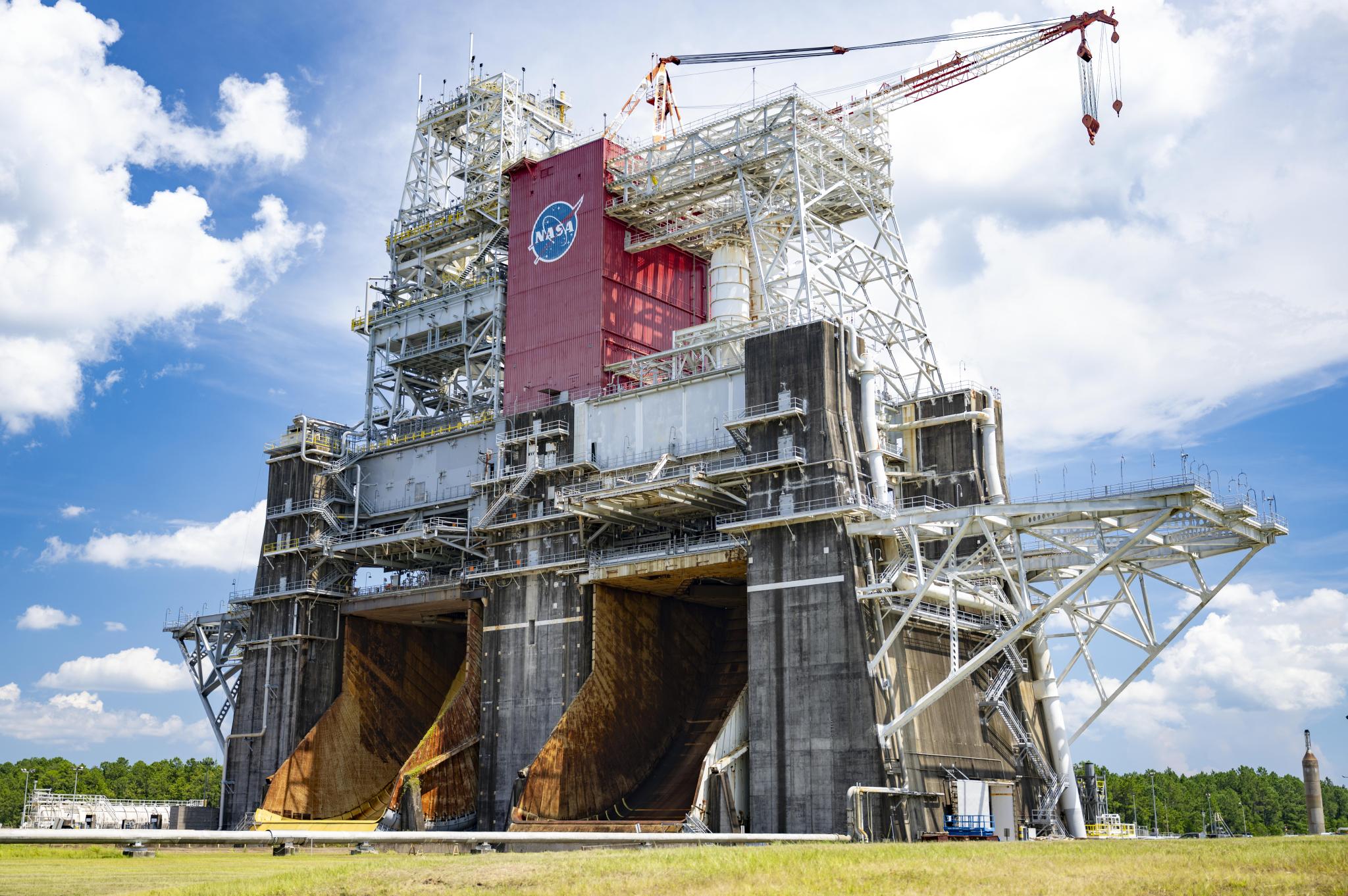
NASA and Blue Origin have agreed to conduct second stage hot fire testing for the New Glenn rocket at the B-2 test stand at NASA's Stennis Space Center in Bay St. Louis, Mississippi. The agreement was formalized through an annex to a reimbursable Space Act Agreement signed earlier this month. The collaboration underscores NASA's broader commitment to supporting commercial launch capabilities. The arrangement also aligns with the agency's ongoing Artemis program goals of advancing rocket testing infrastructure.

← NewerPage 17 of 25Older →