SShortSingh.
Back to feed

NASA-Developed Search and Rescue Technology Saves Five Lives

0
·55 views

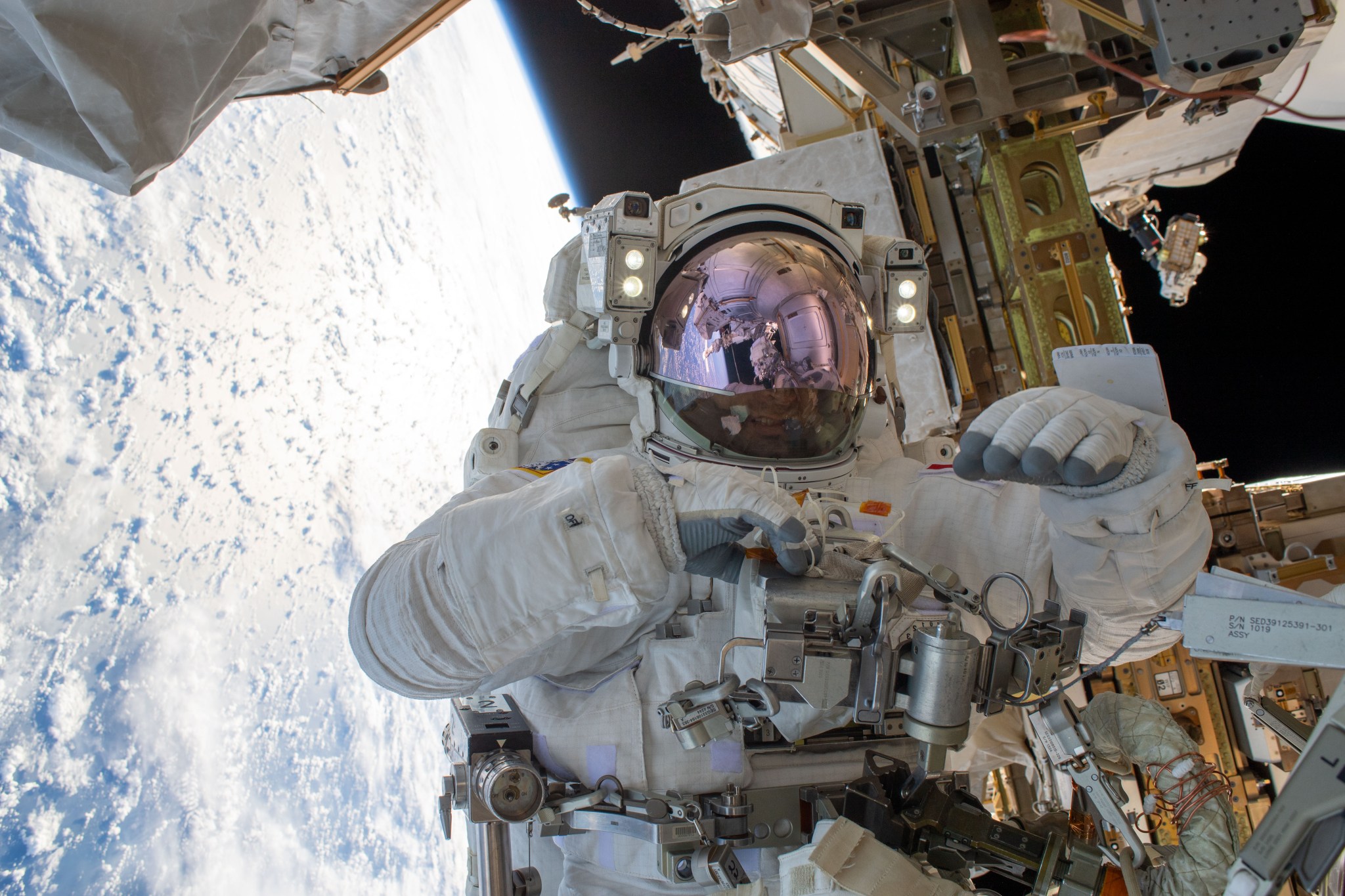
A search and rescue technology developed with NASA's involvement has successfully saved five lives. The system is designed to operate in areas where conventional cell phone signals are unavailable, making it critical for remote emergencies. NASA contributed to the development of this life-saving technology as part of its broader mission to apply space-age innovations to real-world problems. The technology fills a crucial gap in emergency response capabilities where standard communication infrastructure does not reach.

Read the full story at NASA

This is an AI-generated summary. ShortSingh links to the original source for the complete article.

Discussion (0)

Log in to join the discussion and vote.

Log in

Related stories

0
SpaceNASA ·

NASA's Astronomy Picture of the Day Spotlights the Galaxy IC 342

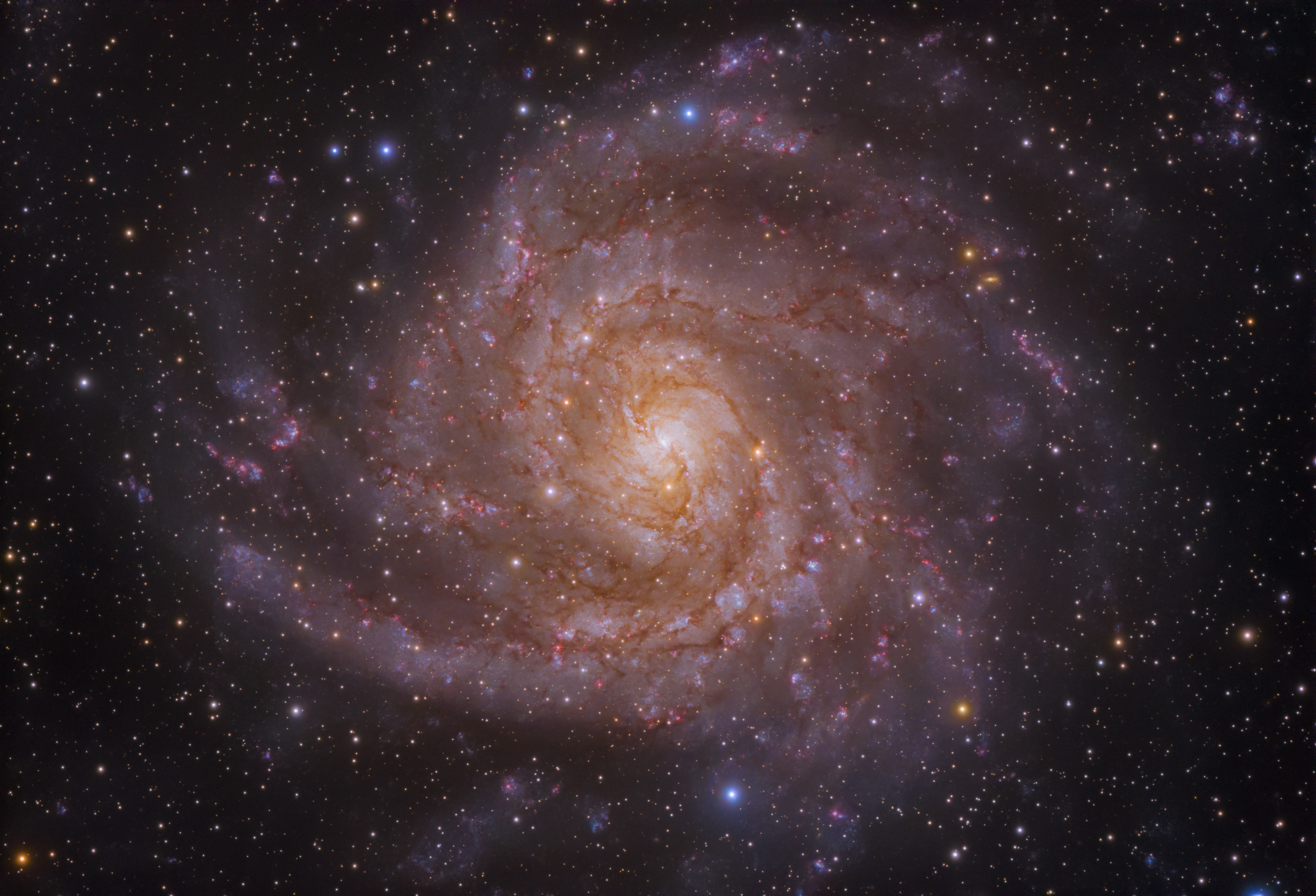
NASA's Astronomy Picture of the Day for November 4, 2026 features the galaxy IC 342. The entry is titled 'The Not-So-Hidden Galaxy,' reflecting the object's relative obscurity despite its visibility. Each daily feature pairs an image of the universe with a short explanation written by a professional astronomer. The source text provided is largely navigation and site boilerplate, so further details about the galaxy's properties could not be confirmed from it.

0
SpaceNASA ·

Astronauts Capture Pre-Dawn Lights Over America's Midwest

With almost no clouds in the sky, astronauts aboard the International Space Station had a wide view of nighttime illumination across the U.S. Midwest. The clear conditions allowed the city and town lights of the region to stand out sharply from the darkness below. The imagery reflects the vantage point crews have from orbit as they pass over the country before sunrise. The article presents the scene as a visual snapshot rather than reporting on any particular event.

0
SpaceNASA ·

NASA Bulletin Flags Chip Resistor Body Cracking in Printed Circuit Board Assemblies

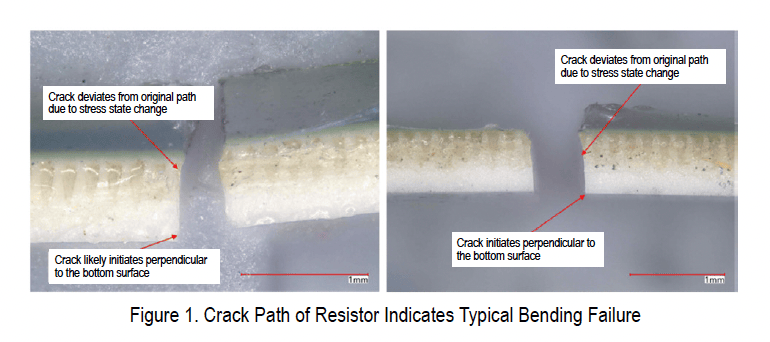
NASA has issued a technical bulletin on cracking in chip resistor bodies found in printed circuit board assemblies. Chip resistors are widely used across the agency's projects, but alumina substrate cracking during environmental testing has been uncommon. Two cases of thick-film chip resistor cracking were recorded during thermal cycling performed after vibration testing. The fractures ran across the short axis of the components. The bulletin was published by NASA's Langley Research Center, which has provided a contact for further information.