SShortSingh.
Back to feed

Unseasonal Dust Storm Blankets Mali and Neighboring West African Nations

0
·1 views
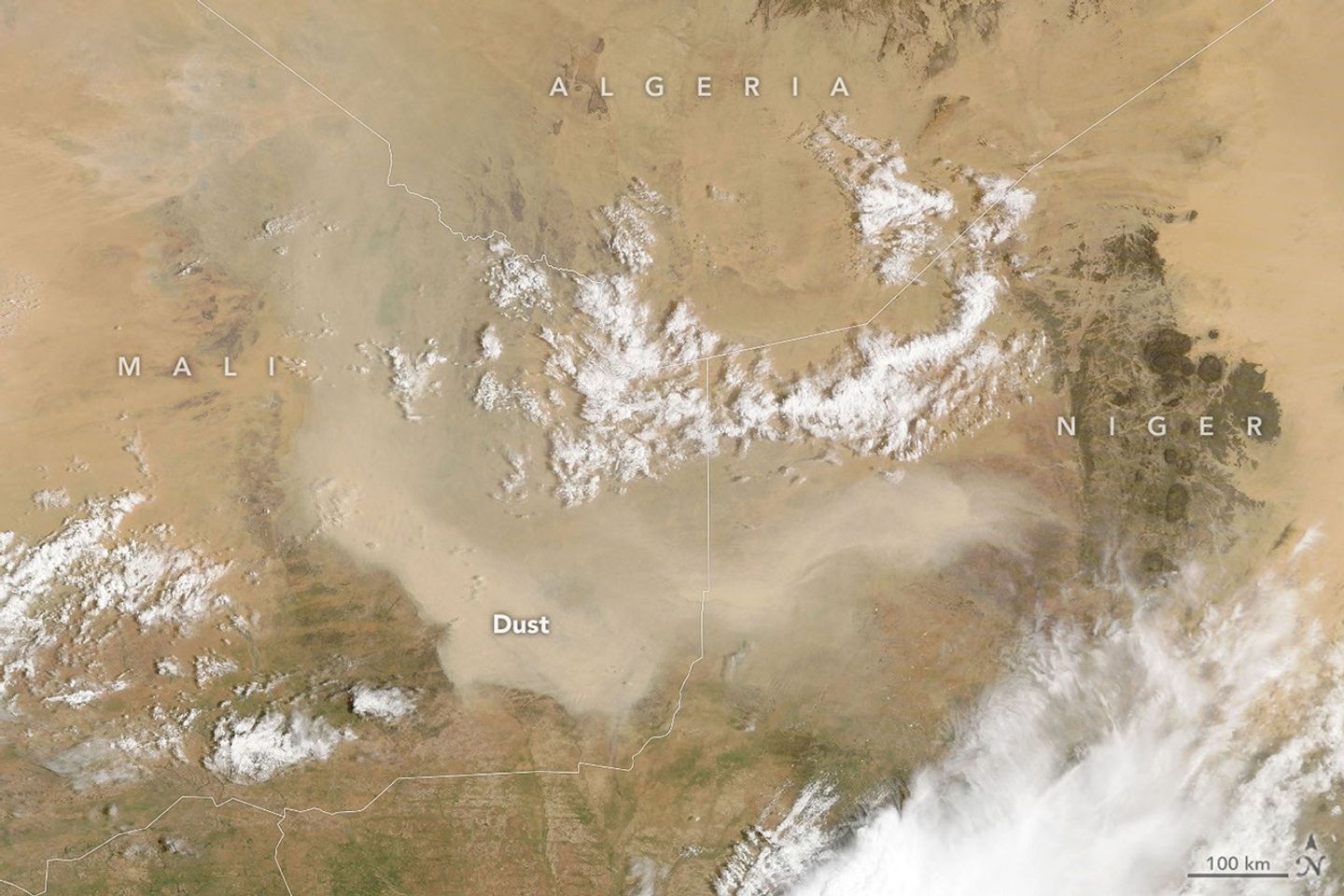
A large dust plume has swept across Mali and parts of neighboring countries in West Africa. The storm is notable because it occurred during a period when such dust activity typically decreases. NASA documented the event, highlighting its unusual timing within the seasonal cycle. The dust blanket covered significant portions of the region, affecting multiple nations simultaneously.

Read the full story at NASA

This is an AI-generated summary. ShortSingh links to the original source for the complete article.
Discussion (0)

Log in to join the discussion and vote.

Log in

Related stories

0
SpaceNASA ·

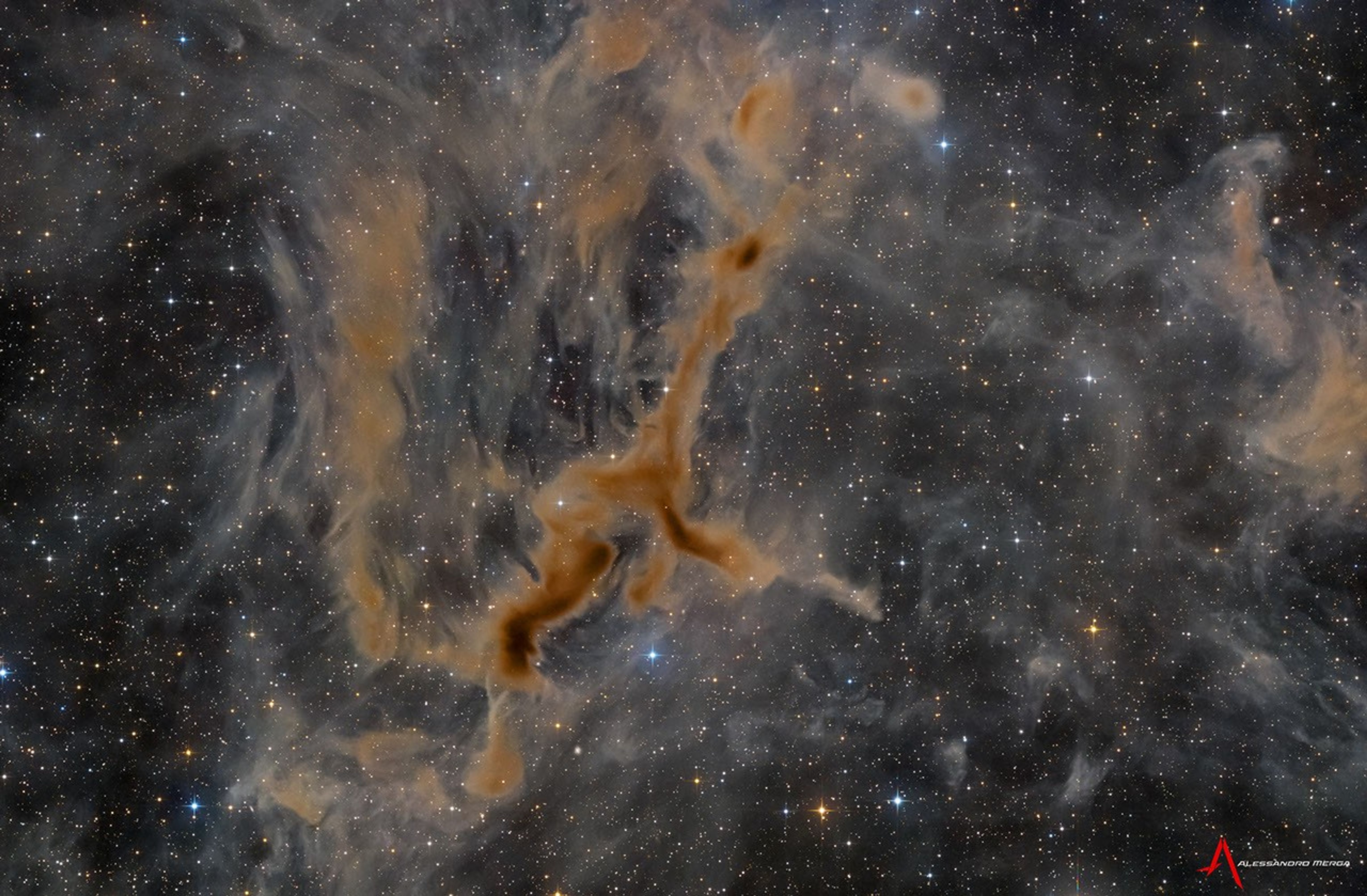
NASA APOD Highlights LDN 1295, a Dark Nebula Nicknamed the Giraffe Nebula

NASA's Astronomy Picture of the Day (APOD) for September 10, 2026, features LDN 1295, a dark nebula commonly referred to as the Giraffe Nebula. The APOD program, run by NASA, showcases a different image or photograph of the universe each day alongside an explanation written by a professional astronomer. LDN 1295 is a catalogued dark nebula, a type of dense interstellar cloud that obscures background starlight. The feature is part of APOD's ongoing mission to make astronomy accessible and engaging to the general public.

0
SpaceNASA ·

NASA Awards Relativity Space Terran R Rocket a Launch Services Contract

NASA has added Relativity Space Inc. and its Terran R rocket to its Launch Services (NLS) II contract through the agreement's on-ramp provision. The NLS II is a multiple-award, indefinite-delivery and indefinite-quantity contract structure that allows NASA to engage several launch providers. With this addition, the Terran R launch service becomes available for NASA to utilize on future missions. The move expands NASA's roster of contracted commercial launch options as it plans upcoming science and exploration missions.

0
SpaceNASA ·

NASA Chandra Telescope Discovers New Class of Mysterious X-Ray Objects

Scientists using NASA's Chandra X-ray Observatory have identified a new class of cosmic objects exhibiting behavior unlike anything previously observed. The objects, detected in distant galaxies, emit unusually low-energy X-rays alongside exceptionally intense ultraviolet radiation. Astronomers believe these findings could simultaneously address two longstanding unsolved questions in astrophysics. The discovery marks a significant development in space science, offering fresh avenues for understanding extreme cosmic phenomena.

0
SpaceNASA ·

NASA and Europe's Twin Satellites Track Hurricanes Amid Historic El Niño Season

NASA and its European partners launched the Sentinel-6B satellite in November to enhance hurricane forecasting and support infrastructure protection and commercial shipping. The new satellite now orbits just 30 seconds behind its predecessor, Sentinel-6 Michael Freilich, forming a closely coordinated pair. Together, the two satellites are delivering precise sea level height measurements during what oceanographers anticipate will be a historically significant El Niño event. The data collected is expected to improve understanding of how El Niño-driven ocean conditions influence hurricane development and intensity.

Unseasonal Dust Storm Blankets Mali and Neighboring West African Nations · ShortSingh