0
0
ProgrammingDEV Community ·
Docker multi-stage builds cut image size from 823MB to 11MB
Docker images built with a single-stage Dockerfile often ship unnecessary build tools — such as compilers and dev dependencies — that are not required at runtime, bloating production images significantly. Multi-stage builds solve this by allowing developers to use separate environments for building and running an application within a single Dockerfile. Each stage starts with its own isolated filesystem via a new FROM instruction, and only selected files are copied into the final image using COPY --from. A Go application that produced an 823MB single-stage image can be reduced to around 11MB by compiling in a builder stage and copying only the binary into a minimal base image like FROM scratch. For applications requiring SSL certificates or basic runtime libraries, options like Google's distroless images offer a middle ground between a bare binary and a full operating system.
0
Crypto & Web3CoinDesk ·
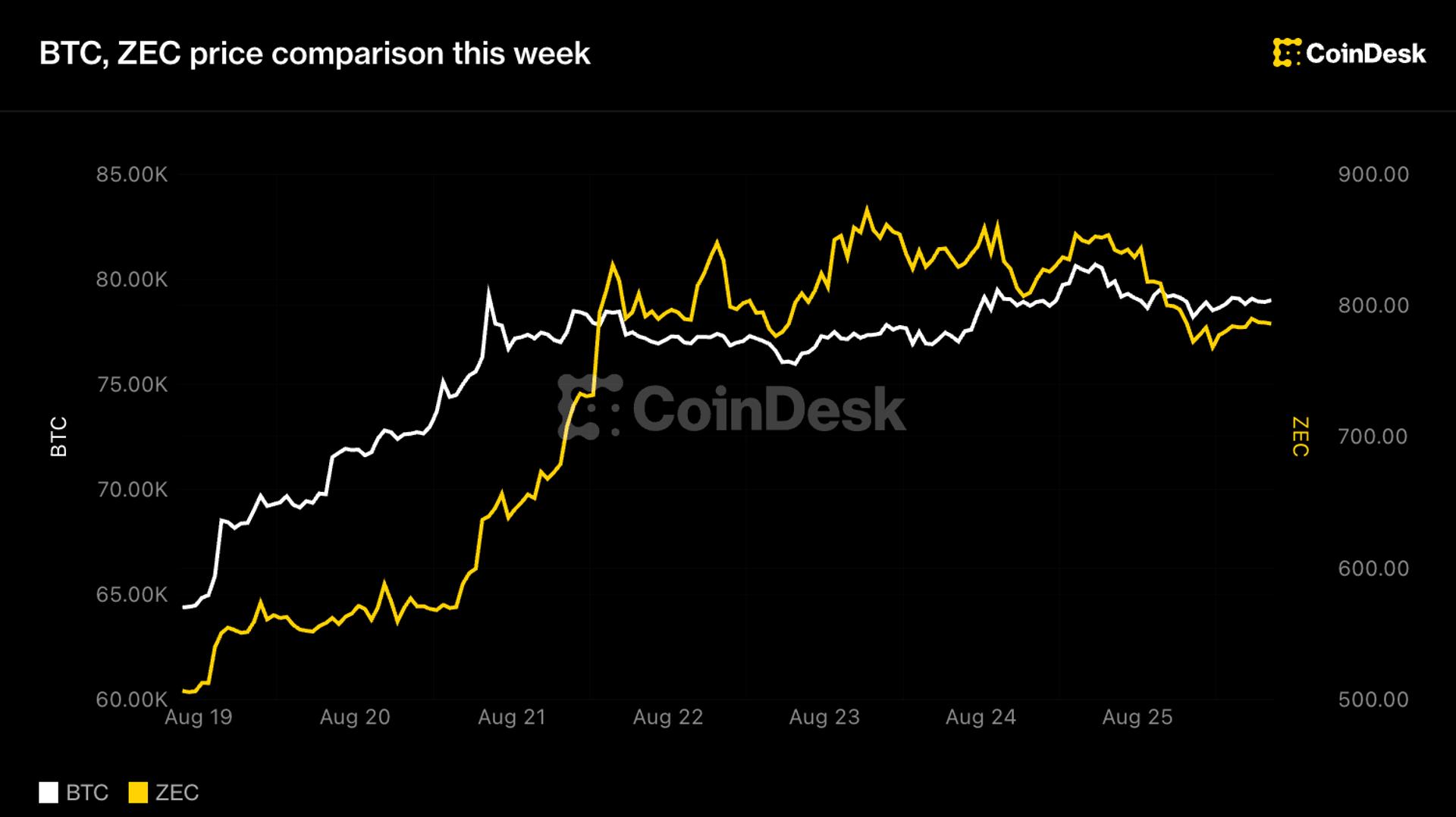
Zcash drops 8% as Grayscale spot ETF debuts on NYSE after 60% rally
Zcash, a privacy-focused cryptocurrency, fell approximately 8% on Tuesday after its Grayscale spot ETF began trading on the New York Stock Exchange. The ETF launch had been a key driver behind Zcash's surge to an eight-year price high. Traders appear to be engaging in classic 'sell the news' behavior following the highly anticipated event. The pullback is compounded by significant leverage that had built up during the rally leading to the listing.
0
IndiaTimes of India ·
India's Rice Exports to Iran Likely to Continue Despite US Sanctions Pressure
India's rice exports to Iran are expected to remain largely unaffected despite the threat of tightened US sanctions. Iran continues to show strong demand for Indian rice, driven primarily by food security needs. Indian exporters have adapted by routing payments through third-party countries such as Turkey and the UAE. Essential commodities like rice and pharmaceuticals are generally less vulnerable to trade disruptions under such sanctions. However, overall bilateral trade between India and Iran has already fallen considerably from its historical peak.
0
ProgrammingDEV Community ·
EU Cyber Resilience Act reporting obligations become enforceable on September 11
The European Union's Cyber Resilience Act (CRA) begins enforcing its incident and vulnerability reporting requirements on September 11, 2025, ahead of the full compliance deadline of December 11, 2027. Manufacturers of 'products with digital elements' must now report actively exploited vulnerabilities within 24 hours, provide fuller notifications within 72 hours, and submit final reports within 14 days to a month. Non-compliance with reporting rules can result in fines of up to €15 million or 2.5% of global annual turnover. Pure browser-based SaaS products generally fall outside CRA scope and under NIS2 instead, but companies shipping installable components such as desktop apps, SDKs, browser extensions, or on-premise agents are likely covered. Security experts warn that many B2B SaaS firms may unknowingly fall within scope due to supplementary installable tools alongside their core web products.
0
IndiaNDTV ·
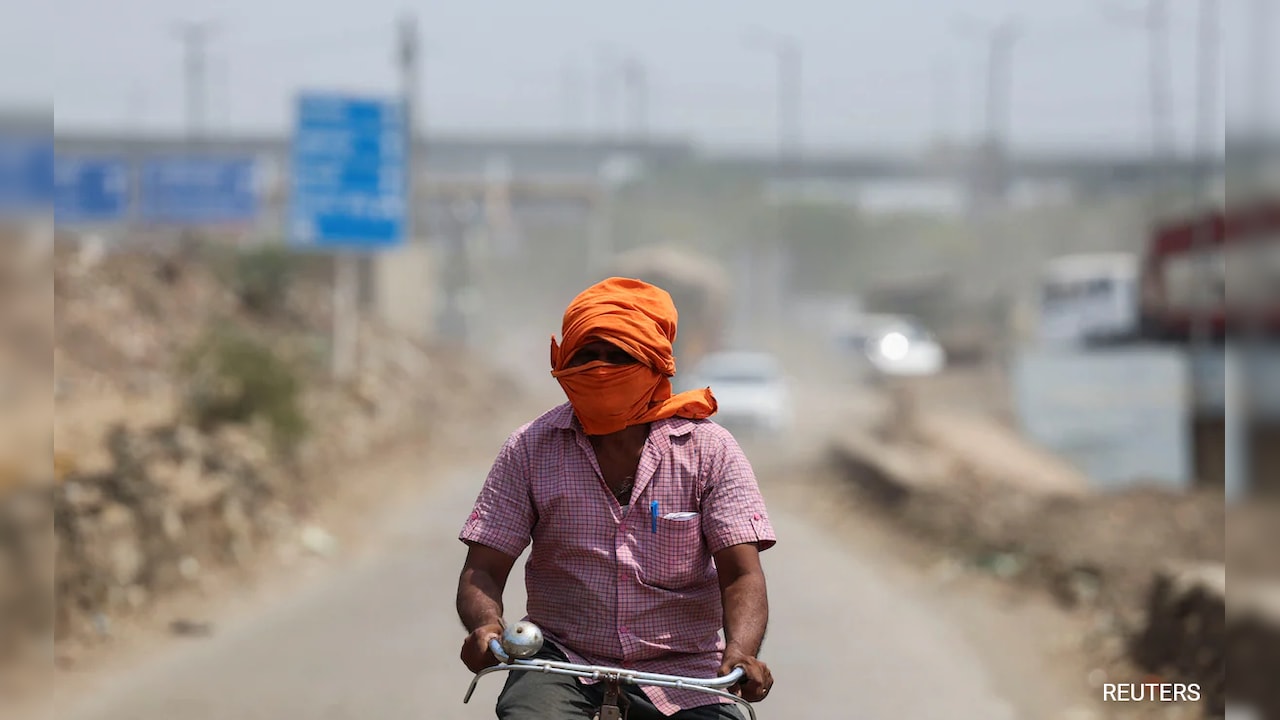
India Stays Cooler Amid Global Warming: Scientists Probe the Anomaly
While the rest of the world experiences intensifying heat, India has been recording comparatively cooler conditions, presenting an unusual climate anomaly. Europe, which is warming at more than twice the global average, is preparing for increasingly severe climate impacts. Scientists and climate experts are trying to understand the factors behind India's relative coolness against a backdrop of global heating. The phenomenon is considered unexpected given broader warming trends affecting most regions of the world.
0
WorldBBC World ·
Canada and Iran Push Back Against Trump's Pressure Tactics
The Trump administration has been leveraging US economic and political dominance to challenge both allies and adversaries. Canada, traditionally a close US partner, has responded with retaliatory measures to counter American pressure. Iran has similarly found ways to resist US coercion despite longstanding sanctions and diplomatic isolation. Both nations demonstrate that even powerful US leverage has practical limits when targeted countries choose to fight back. The developments signal a broader test of how far American influence can stretch under Trump's assertive foreign policy approach.

0
IndiaNDTV ·
Flash Floods Kill at Least 8 in Nepal's Rasuwa District, Rescue Ops Underway
Sudden flash floods have struck Nepal's Rasuwa district, leaving at least eight people dead. The disaster caused significant destruction across the affected area. Rescue operations have been launched in response to the flooding. Authorities and emergency teams are actively working to assist those impacted by the disaster.

0
0
IndiaNDTV ·
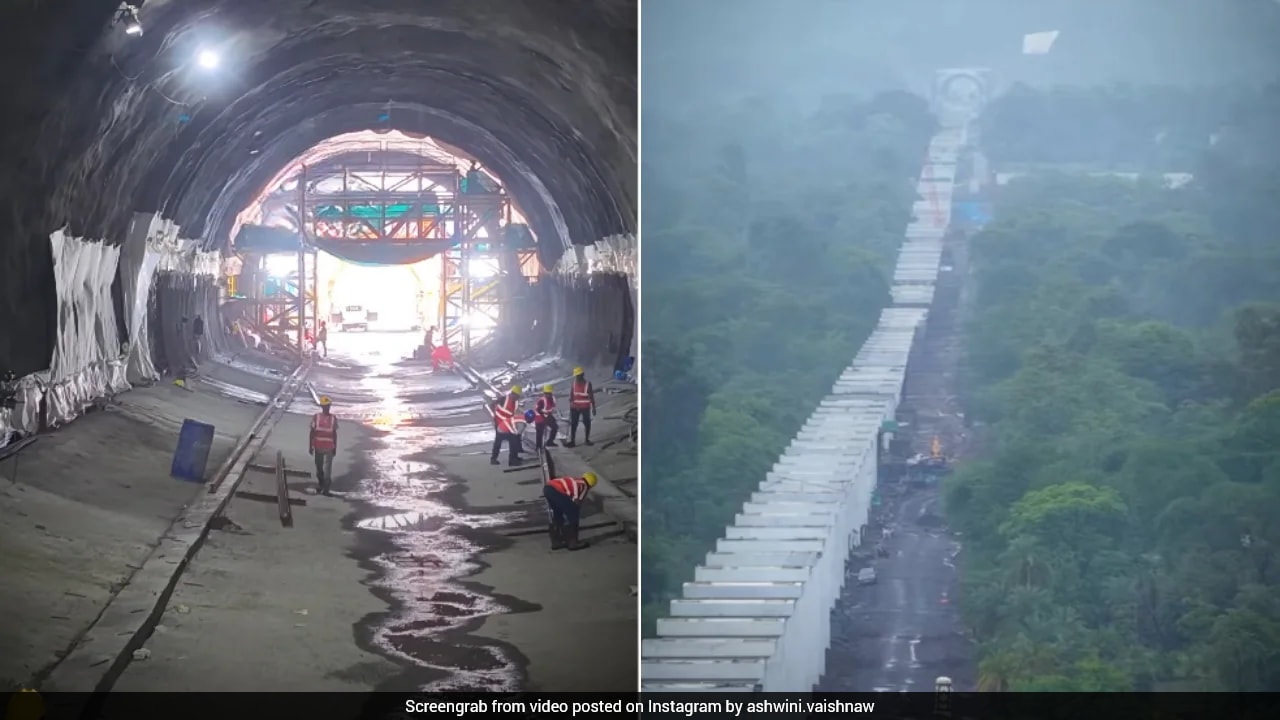
India's First Bullet Train Takes Shape Along 135-km Elevated Corridor
Construction is actively underway on India's first bullet train project, spanning a 135.45-kilometre elevated stretch. The corridor runs from Shilphata in Thane district to Zaroli village, located near the Maharashtra-Gujarat border. The project traverses diverse and scenic terrain across the two states. The elevated alignment reflects the engineering scale of this landmark infrastructure initiative.
0
ProgrammingDEV Community ·
Developer Shares Python Script to Quickly Audit Any New Server or Dev Machine
A developer named Arthur has published a beginner-friendly Python tutorial on DEV Community showing how to build a Developer Environment Checker tool. The script collects key system details — including OS type, CPU cores, RAM, disk usage, Python version, and local IP address — from a single run. It relies on standard Python modules such as platform, socket, shutil, and sys, along with the lightweight third-party package psutil. The tool is designed to save time when setting up or auditing a new server, VPS, or development environment by replacing multiple manual commands. Arthur presents the project as both a practical utility and a learning exercise covering concepts relevant to real-world server administration.
0
0
ProgrammingHacker News ·
RAG Explained: Why Retrieval-Augmented Generation Is More Accessible Than Expected
A recent article published in the Lighthouse Newsletter argues that Retrieval-Augmented Generation (RAG) is less complex than many developers assume. RAG is a technique that enhances large language models by allowing them to retrieve relevant external information before generating responses. The piece aims to demystify the concept, suggesting that its core components are straightforward to understand and implement. The article gained traction on Hacker News, accumulating 16 points and reader discussion. It appears aimed at developers or AI practitioners who may have been deterred by the perceived complexity of RAG systems.
0
IndiaNDTV ·
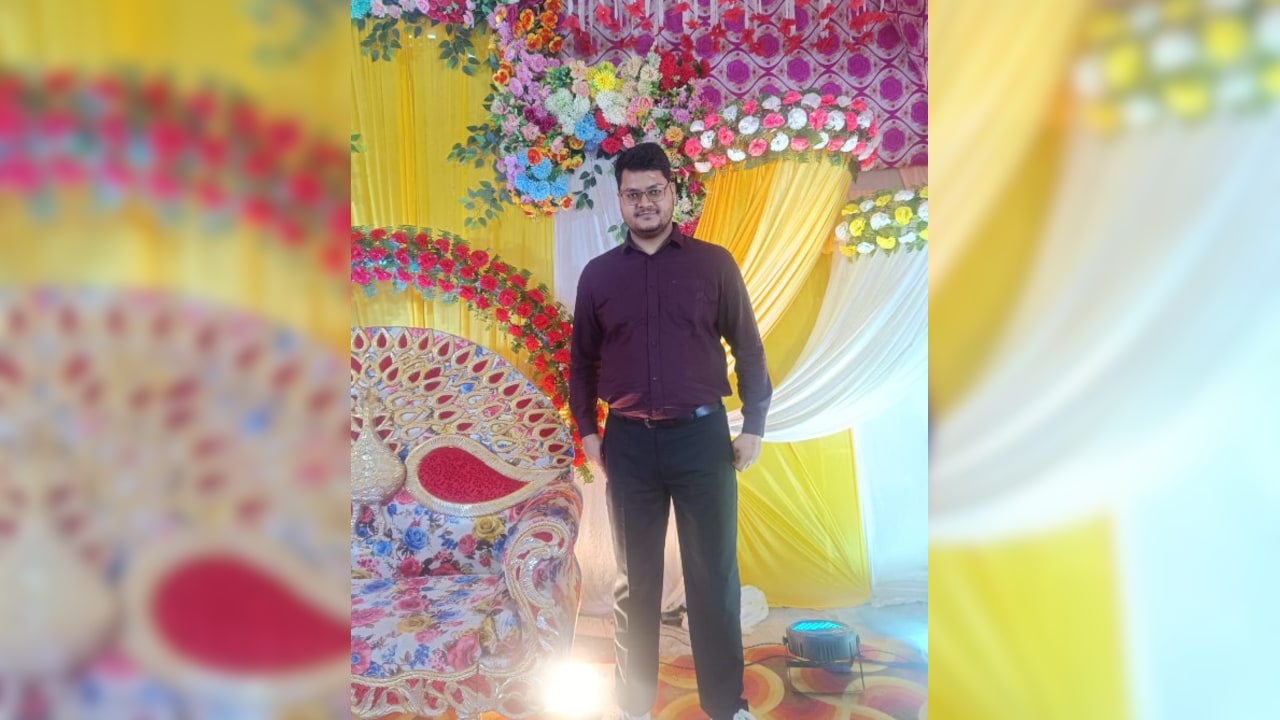
IIT Student Dies by Suicide After Telling Mother He Was in Pain
An IIT student named Rishikesh died by suicide after confiding in his mother about his distress. His brother Abhishek Kumar revealed that Rishikesh had told their mother he was experiencing suicidal thoughts. The student had reportedly expressed that he was hurting before his death. The case has drawn attention to the mental health pressures faced by students at premier technical institutions in India.
0
ProgrammingHacker News ·
The End of Programming
Article URL: https://pauldix.com/the-end-of-programming Comments URL: https://news.ycombinator.com/item?id=49445717 Points: 4 # Comments: 0
0
ProgrammingDEV Community ·
OpenAI's data center chief exits amid wave of 13 senior departures in 2026
Chris Malone, who led data center operations at OpenAI, departed the company in August 2026 after roughly 16 months in the role, according to a TechCrunch report. His exit is part of a broader pattern of senior leadership turnover at OpenAI, with at least 13 executives leaving in 2026, including its chief revenue officer, chief operating officer, and head of product. Malone's team, responsible for physical infrastructure such as power, land, and cooling, was reorganized before his departure, with oversight shifting to VP Sachin Katti. The leadership churn comes as OpenAI is central to the large-scale Stargate infrastructure build-out involving Oracle, Nvidia, SoftBank, and Microsoft, and as its IPO has been pushed from 2026 to 2027. Analysts warn that instability in infrastructure leadership could affect AI capacity timelines, with downstream effects such as rate limits, regional access gaps, and price changes for developers relying on OpenAI services.
0
ProgrammingDEV Community ·
Nuxt Endpoints module brings Hono-style RPC type safety without rewriting routes
A new Nuxt module called Nuxt Endpoints introduces Hono RPC-style type safety to Nuxt server routes without requiring any router migration or directory restructuring. Developers replace defineEventHandler with defineEndpoint, co-locating request validation, client types, and OpenAPI documentation in a single declaration. Routes retain their existing file paths, HTTP methods, and Nitro routing, remaining callable as plain HTTP endpoints. The module is designed for incremental adoption — routes without response schemas still benefit from inferred typing, just like Nuxt's built-in typed $fetch. Only routes that explicitly use defineEndpoint join the shared contract, leaving all other Nitro routes untouched.
0
0
IndiaNDTV ·
Flash Floods Devastate Nepal Villages, At Least 8 Dead
Flash floods have struck villages in Nepal, killing at least eight people whose bodies have been recovered so far. The disaster caused widespread destruction, washing away settlements in the affected areas. Nepal's Prime Minister Balendra Shah confirmed that authorities have mobilized a large-scale emergency response. Rescue and relief teams, along with police and military personnel, have been deployed to the affected regions. Efforts are ongoing to assist survivors and assess the full extent of the damage.