SShortSingh.

Technology

0
TechnologyTechCrunch ·

Corridor Raises $25M Seed to Bring Health Benefits Brokerage to Small Businesses

Corridor, a health benefits brokerage startup, has raised $25 million in seed funding. The company is specifically targeting small and medium-sized businesses (SMBs), a segment it says is frequently underserved by traditional brokerages. The reason for this neglect, according to Corridor, is that smaller accounts yield lower commissions compared to larger enterprise clients. The startup aims to fill this gap by providing dedicated brokerage services tailored to the needs of SMBs.

0
TechnologyThe Verge ·

Apple's $250M Siri Settlement Opens Claims for Eligible iPhone Owners

Apple has agreed to pay $250 million to settle a lawsuit alleging it failed to deliver promised AI upgrades to Siri. US residents who purchased an iPhone 15 Pro, iPhone 15 Pro Max, or any iPhone 16 model between June 10, 2024, and March 29, 2025, are eligible to file a claim. Claimants can receive an estimated $25 per qualifying device, with the amount potentially rising to $95 depending on total claim volume. To submit a claim, eligible users must provide their name, contact details, and iPhone serial number on the settlement's official website.

0
TechnologyThe Verge ·

Vivo X500 Pro Max debuts with Sony LOFIC sensor and 17-stop dynamic range

Vivo has launched its new X500 flagship smartphone lineup in China, with a fresh top-tier model called the X500 Pro Max leading the range. The device is the first phone to combine Sony's new Lytia L910 image sensor — which uses LOFIC technology for expanded dynamic range — with MediaTek silicon. Vivo claims the 50-megapixel sensor achieves 17 EV of dynamic range, edging out the 16.5 stops touted by the Xiaomi 17 Ultra. The phone also supports 4K slow-motion video at 240 frames per second, alongside a 200-megapixel 3.7x telephoto camera. All three X500 models are compatible with at least one of Vivo's optional teleconverter lenses.

0
TechnologyThe Verge ·

Google launches first five Googlebook laptops priced from $899

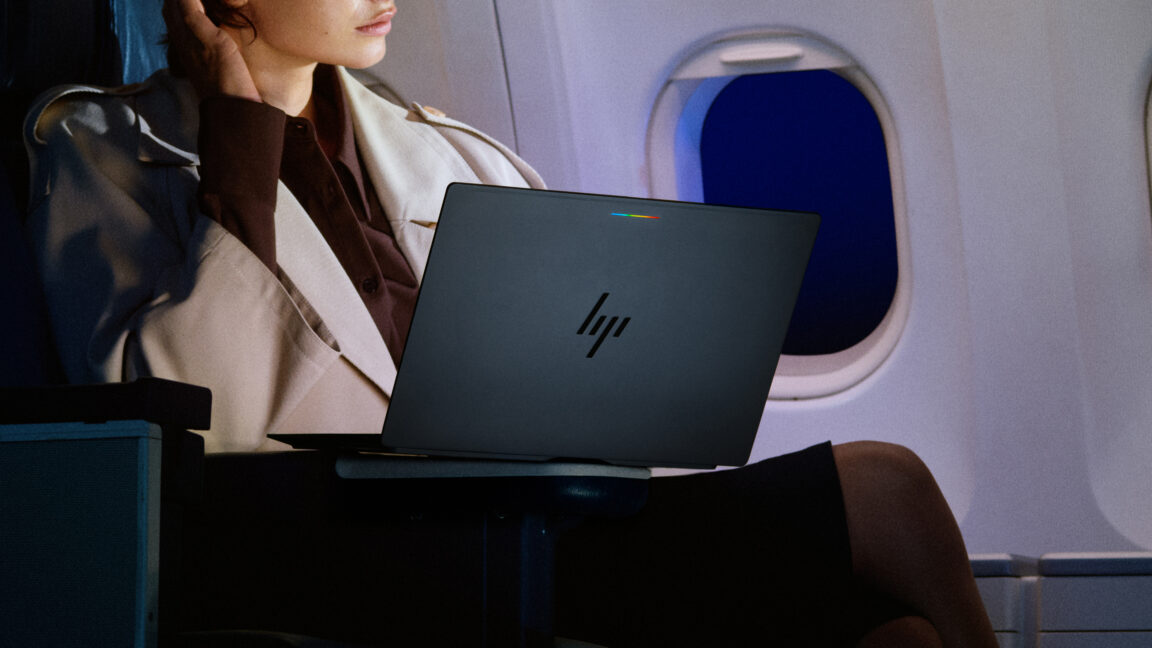
Google and four hardware partners — Acer, Asus, Dell, HP, and Lenovo — have unveiled the first five laptops under the new Googlebook brand. The devices are available for preorder immediately, with in-store availability set for October 4th. Prices range from $899 to $1,299, positioning Googlebooks alongside the MacBook Air and mid-range Windows laptops. Every model includes a 12-month Google AI Pro subscription with 5TB of cloud storage, plus three-month trials of YouTube Premium, Adobe Photoshop, and CapCut. Google is also committing to up to 10 years of software updates for the new lineup.

0
TechnologyThe Verge ·

Google's ChromeOS Vision: From Sundar Pichai's 2010 Bet to Dell's XPS Googlebook

In late 2010, then-rising Google executive Sundar Pichai unveiled a bold vision for laptops built entirely around the web browser, arguing that cloud computing would eliminate the need for local storage or powerful hardware. The resulting operating system, Chrome OS, was a major wager that web-based applications would eventually dominate personal computing. Over the years, Chrome OS evolved into ChromeOS and expanded across a range of devices from multiple manufacturers. Dell's XPS Googlebook represents one of the latest hardware bets on that long-standing vision. The platform's journey reflects both the progress and the ongoing challenges Google faces in making ChromeOS a mainstream computing choice.

0
TechnologyThe Verge ·

Google launches Googlebooks, Android-based laptops that sync deeply with your phone

Google has officially launched Googlebooks, a new line of Android-based laptops first announced in May. The devices are built on existing laptop hardware and run a Chromebook-like operating system, making them feel familiar to users. A standout feature is deep integration with Android phones, blurring the line between the two devices. Five initial Googlebook models are available at launch. A hands-on preview left at least one reviewer impressed after initial skepticism about the concept.

0
TechnologyThe Verge ·

Apple Mac Mini Gets M6 Chip Upgrade but Comes at a Higher Price

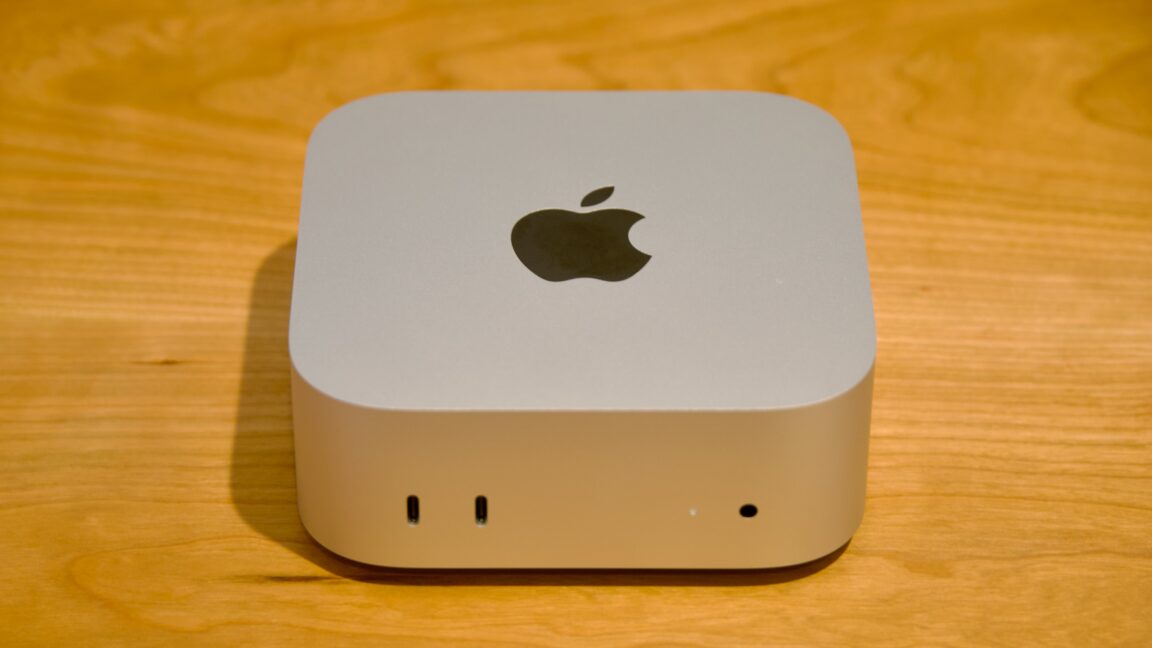
Apple has updated the Mac Mini with its new M6 chip, making it the first Mac to feature the latest silicon. The M6 offers more cores and a greater variety of core types compared to the outgoing M4 model. The compact desktop, redesigned in 2024, measures just 0.82 litres and can be mounted behind a monitor or under a desk. Despite its small footprint, the machine retains multiple high-speed ports, including a front-facing headphone jack. However, the performance upgrades come with a steeper price tag than its predecessor.

0
TechnologyThe Verge ·

Apple M5 Ultra Mac Studio with 256GB RAM starts shipping at $12,299

Apple has begun shipping the new Mac Studio, its most powerful desktop computer, featuring the M5 Ultra chip with a 36-core CPU and 80-core GPU. The top-end configuration reviewed by The Verge includes 256GB of RAM and 4TB of storage, priced at $12,299. Apple positions the machine not for typical creative workflows but for AI developers and high-end 3D visual effects studios. The Mac Studio retains the same physical design introduced in 2022, while pushing performance and pricing significantly higher than previous generations.

0
TechnologyThe Verge ·

Google's Googlebook Laptops Designed to Mirror iPhone-MacBook Experience for Android Users

Google has unveiled a new line of laptops called Googlebooks, running an operating system that blends ChromeOS and Android. The devices are designed to integrate deeply with Android smartphones, according to John Maletis, Google's head of laptops and tablets. Users can seamlessly transition apps from their phone to the laptop, access phone files, run mobile apps on the computer, and manage notifications in one place. Google's pitch positions the Googlebook as the Android equivalent of the tight ecosystem Apple offers between the iPhone and MacBook.

0
TechnologyThe Verge ·

Apple uses firmware trick to ship iPhone 18 Pro Max with oversized battery legally

Apple has devised a software-based workaround to ship the iPhone 18 Pro Max without falling foul of international regulations that cap single-cell battery capacity at 20Wh. A firmware lock temporarily restricts the battery below this threshold during transit, according to Apple's support page. Once a user powers on the device for the first time, the lock is automatically lifted. After activation, the battery operates at its full rated capacity — approximately 21.75Wh for US eSIM-only models and 21.06Wh for European variants with a physical SIM.

0
TechnologyThe Verge ·

iFixit teardown reveals hair-thin blades inside iPhone 18 Pro's variable aperture lens

Repair and teardown specialist iFixit has published a detailed breakdown of the iPhone 18 Pro and 18 Pro Max's new variable aperture camera system. The main camera features a mechanical iris with six overlapping leaf-shaped blades, each approximately as thin as a human hair. The iris opens and closes magnetically to regulate the amount of light reaching the sensor. Apple managed to fit this mechanism within the same camera footprint used by the iPhone 17 Pro series. The teardown also highlights several repair considerations that users and technicians should keep in mind.

0
TechnologyThe Verge ·

UN Panel Urges Governments to Regulate AI Before Risks Are Fully Known

A United Nations scientific panel has warned that governments must act to control increasingly capable AI systems even before their full risks are understood. The report marks the UN's first major assessment of AI and arrives as world leaders gather in New York for the UN General Assembly. US and China are also holding separate talks on AI this week, highlighting the issue's growing place on the global diplomatic agenda. UN Secretary General António Guterres last week urged international cooperation on AI safety, cautioning against a global race to lower standards. The panel's findings signal mounting pressure on governments to establish AI safeguards without waiting for scientific certainty.

0
TechnologyThe Verge ·

Amazon blocks Meta's Muse AI agent over privacy and unauthorized access concerns

Amazon has blocked Meta's Muse AI agent from making purchases on its platform on behalf of users, GeekWire reported. A popup message began appearing for Muse users on Sunday, stating that unauthorized AI agent access violates Amazon's Conditions of Use. Meta reportedly did not inform Amazon before Muse began accessing its store. Amazon raised privacy and security concerns, citing that Muse failed to identify itself while browsing and appeared to capture customer credentials. The dispute highlights growing tensions around third-party AI agents conducting transactions on major e-commerce platforms without prior authorization.

0
TechnologyNYT Technology ·

AI Boom Fuels Rise of Tech Group Houses in Bay Area, With a Troubling Side

A wave of group tech houses has emerged across the San Francisco Bay Area amid the ongoing artificial intelligence boom. These communal living spaces are designed to help residents build professional networks within the tech industry. One of the most prominent such houses has accumulated a significant police record alongside its reputation. The dual nature of these spaces highlights both the networking appeal and the potential social risks they carry.

0
TechnologyThe Verge ·

Music History Podcast No Dogs in Space Returns with Punk-Focused Season 4

Popular music history podcast No Dogs in Space has returned after a more than two-year hiatus with its fourth season, titled Punk 2.0. Hosts Carolina Hidalgo and Marcus Parks chose punk rock as the season's focus, citing it as the area where their passion and expertise are strongest. The season opened this week with the first episode of a multi-part series on the New York Dolls. The band's frontman David Johansen hails from Staten Island, New York. The new season marks a deliberate return to basics for the long-running show.

0
TechnologyTechCrunch ·

Boring Company Pitches Hyperloop Link Between Austin and San Antonio

Elon Musk's tunneling venture, The Boring Company, has proposed a Hyperloop connection between Austin and San Antonio, Texas. The pitch represents the company's latest infrastructure ambition in the state. The Boring Company has a mixed track record, with several of its previously announced projects failing to move forward. The new proposal adds to a long list of ventures the company has floated but not always delivered on.

0
TechnologyTechCrunch ·

AI Industry Debates Whether Executives Truly Want to Slow Development

A recent discussion on the Equity podcast examined whether artificial intelligence executives are genuinely committed to slowing down AI development. The debate centers on the sincerity of calls for restraint coming from within the AI industry itself. Industry leaders have publicly voiced concerns about the pace of AI advancement, yet questions remain about whether these statements reflect real intent. The conversation highlights a growing tension between stated caution and the competitive pressures driving rapid AI growth.

0
TechnologyThe Verge ·

Nvidia's Jensen Huang dismisses AI existential fears and calls for regulation

Nvidia CEO Jensen Huang stated in a CBS Sunday Morning interview that there is a '0% chance' of AI ending the world. He criticized those warning about AI dangers, calling such alarm-raising unnecessary and irresponsible. Huang also pushed back against fellow tech CEOs like Anthropic's Dario Amodei and OpenAI's Sam Altman, saying their calls to slow AI development are not grounded in science. He further argued that new rules, laws, or guidelines governing AI are not needed. Huang's comments have drawn scrutiny given that Nvidia is among the biggest financial beneficiaries of the ongoing AI boom.

← NewerPage 76 of 286Older →