SShortSingh.

Space

0
SpaceNASA ·

NASA Opens First Major New Wind Tunnel in Over 40 Years at Langley

NASA's Langley Research Center in Hampton, Virginia, has inaugurated the Flight Dynamics Research Facility (FDRF), its first major new wind tunnel constructed in more than four decades. The facility takes over from two long-serving tunnels — the 12-Foot Low-Speed Tunnel and the 20-Foot Vertical Spin Tunnel — which are being retired. Langley has operated wind tunnels for over a century, using them to advance aeronautical research and shape the development of flight. The FDRF represents a significant modernization of NASA's aerodynamic testing capabilities as the agency looks toward the future of aviation.

0
SpaceNASA ·

NASA Astronaut Chris Williams Prepares for Upcoming ISS Spacewalk

NASA flight engineer Chris Williams conducted a spacesuit fitting on June 23, 2026, aboard the International Space Station in preparation for an upcoming spacewalk. ESA flight engineer Sophie Adenot assisted Williams during the session inside the station's Quest airlock. The fitting involved testing the suit's comfort, mobility, communications, and life support systems. The checks are standard procedure to ensure the astronaut's safety and equipment readiness before an extravehicular activity.

0
SpaceNASA ·

NASA Earth Science Division Maps Decades of Global Environmental Satellite Data

NASA's Earth-observing satellites continuously monitor a wide range of environmental phenomena, including atmospheric aerosols, soil moisture, and long-term land-cover changes. This data is considered among the most impactful NASA produces, with applications spanning climate research, agriculture, science, and public policy worldwide. NASA's Earth Science Division (ESD) is responsible for overseeing this extensive and complex data portfolio. Betsy Ford is featured in connection with the division's efforts to manage and communicate these observations.

0
SpaceNASA ·

NASA Seeks Industry Concepts to Advance Key Lunar Surface Technologies

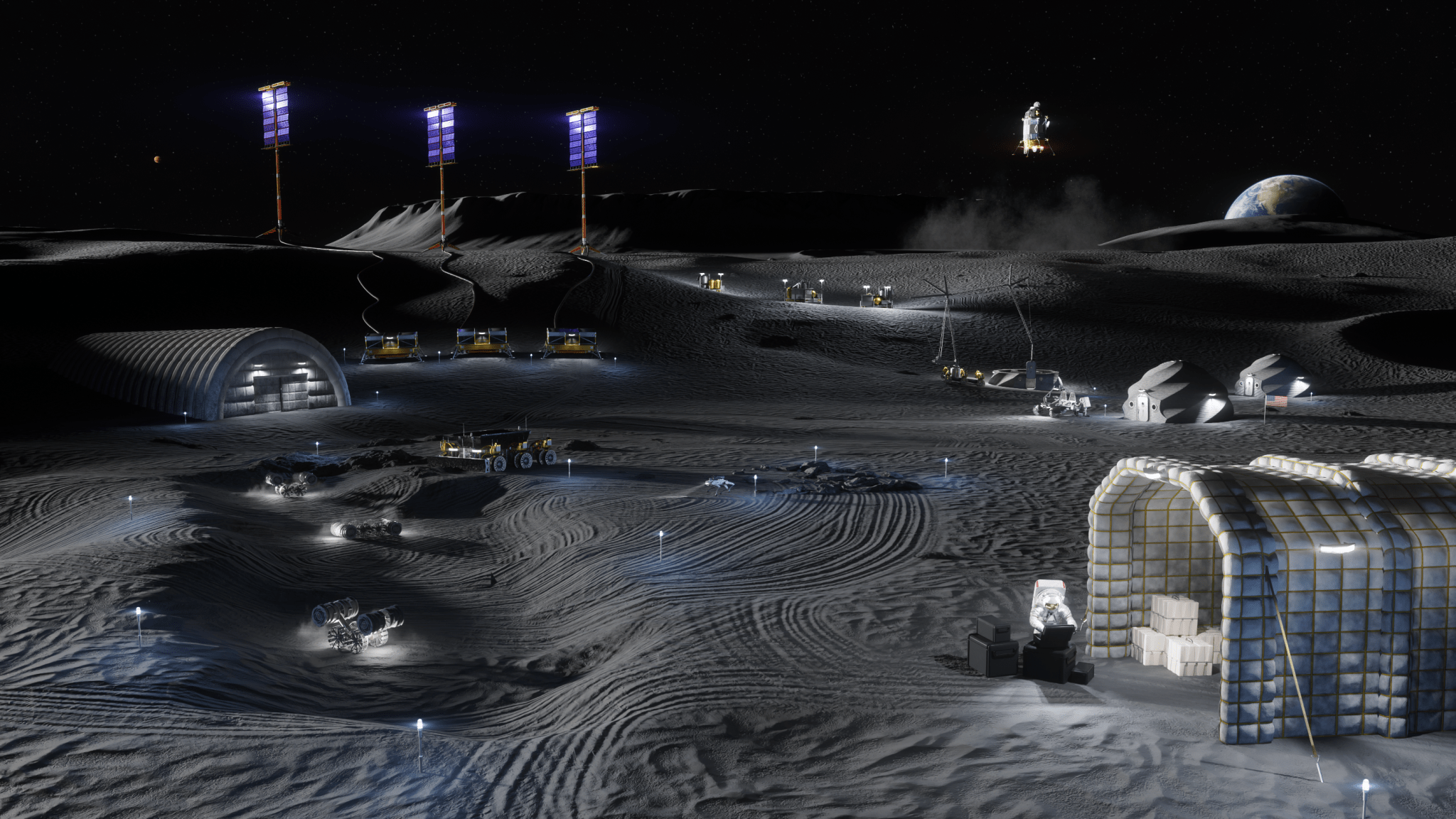
NASA released a draft Broad Agency Announcement on June 29, 2026, under its NextSTEP-3 Appendix A program. The solicitation aims to accelerate the development of critical technologies needed for lunar surface and cislunar operations. Key areas of focus include vertical solar arrays, in-situ resource utilization oxygen production systems, and Stirling radioisotope generators. The initiative is designed to close existing technology gaps and raise the readiness level of systems essential to sustained lunar presence.

0
SpaceNASA ·

NASA Invites Industry Feedback to Speed Up Lunar Surface Technology Development

NASA is seeking input from private industry to accelerate the development of critical technologies needed for long-term lunar surface exploration. The agency has released a draft solicitation asking for feedback on innovative solutions that can support U.S. space priorities. NASA emphasizes that sustainable lunar operations require technology, infrastructure, and systems that work cohesively together on the Moon's surface. The initiative aims to reduce risk by fostering collaboration between NASA and industry partners across design, development, testing, and evaluation phases.

0
SpaceNASA ·

NASA Announces Winners for 2026 Human Lander Challenge

NASA has announced the top student-developed solutions for environmental control and life support systems in future crewed lunar landers from participants in the 2026 Human Lander Challenge. The announcement marks the culmination of months of research by university teams working to advance technologies supporting the agency’s Artemis program that will return American astronauts to the […]

0
SpaceNASA ·

NASA Identifies More Than 40 Space Technologies for Collaboration

NASA selected 41 proposals from 37 companies to advance technologies in support of the agency’s goals to establish a long-term presence on the Moon and enable human exploration of Mars. These American companies, picked from NASA’s 2025 Announcement of Collaboration Opportunity (ACO), will mature technologies creating solutions for space transportation, planetary surface operations, and lunar […]

0
SpaceNASA ·

Euclid Sees Heart of Milky Way

Euclid, an ESA (European Space Agency) mission with NASA contributions, took a new look at the heart of our Milky Way galaxy, seen in this image released on June 24, 2026. This observation overlaps with a region scientists will observe with NASA’s Nancy Grace Roman Space Telescope, launching later this summer. This sneak peek gives […]

0
SpaceNASA ·

Bringing Signals to NASA

Growing up on the central California coast, watching rocket launches with his father was part of Eric Fernandez’s childhood routine. Fernandez had posters of rockets on the wall, but despite being fascinated by them, he never imagined one day this would be his career. Because both of his grandparents had served at Vandenberg Air Force […]

0
SpaceNASA ·

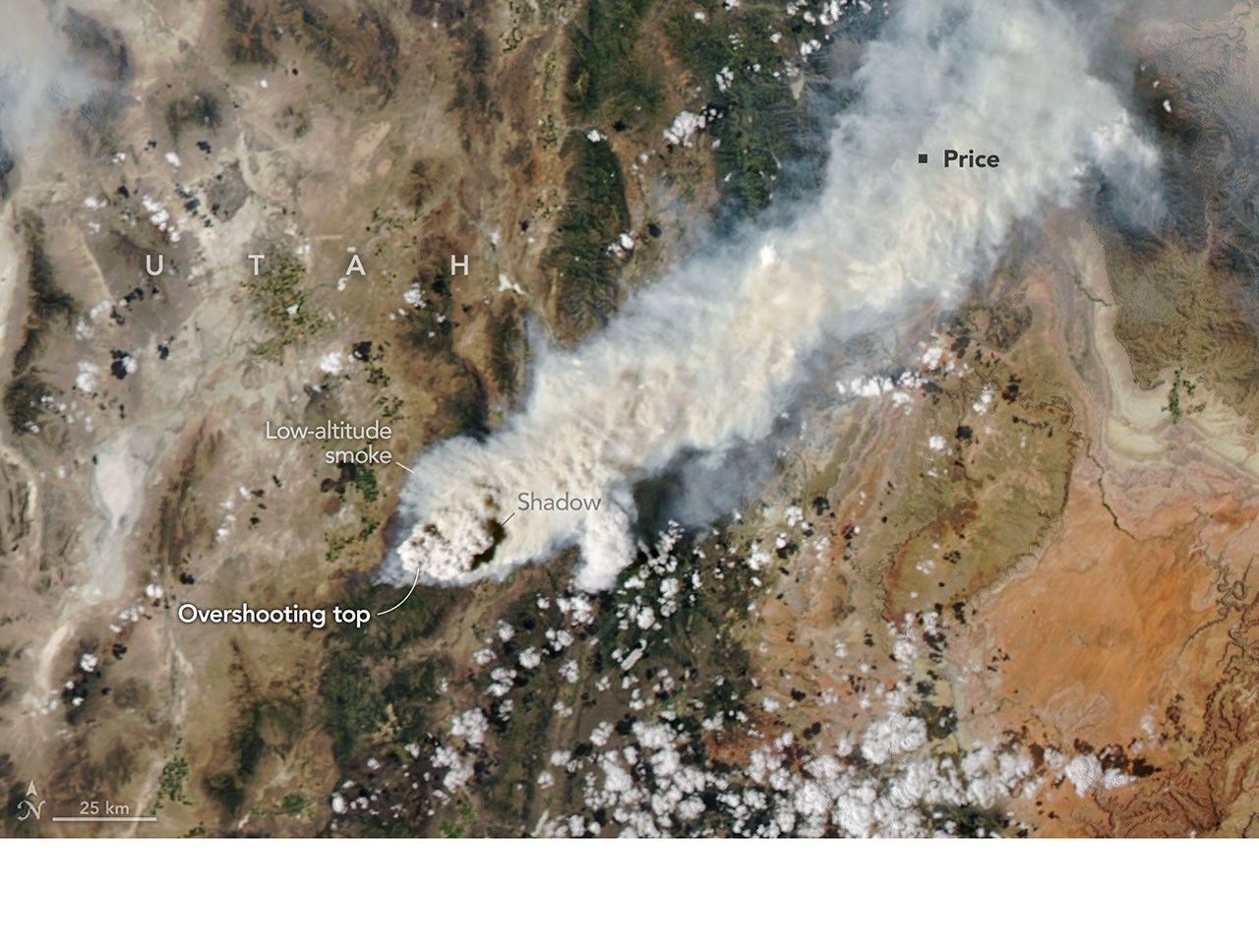
NASA’s PACE Mission Studies Smoke, Fires

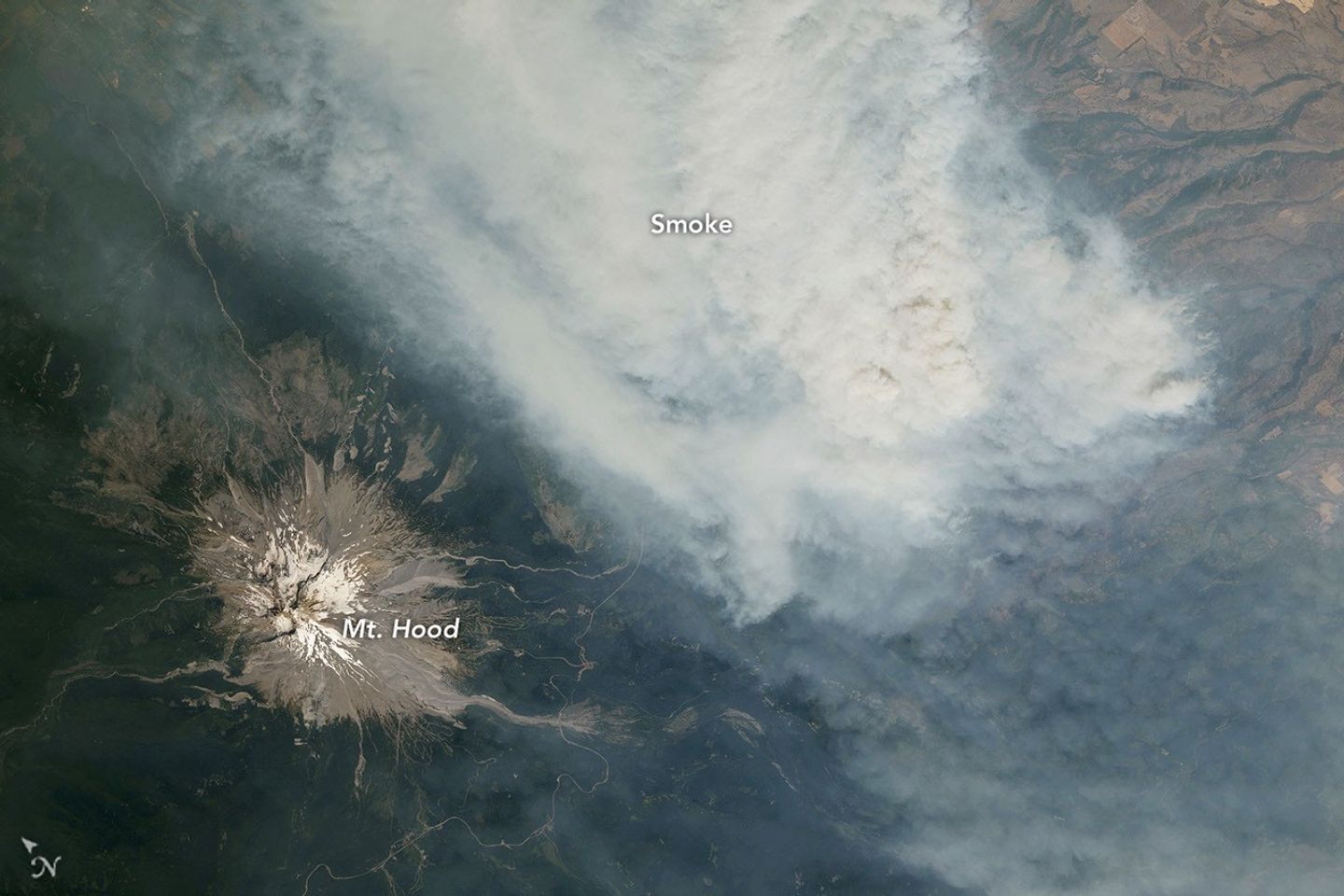
With the North American fire season underway, and a record number of acres already burned nationwide, NASA’s Plankton, Aerosol, Cloud, and ocean Ecosystem (PACE) satellite’s three instruments are observing vegetation precursors to fires, along with plumes of smoke and their movement. This data will help scientists piece together clues that deepen their understanding of wildfires. […]

← NewerPage 12 of 12