SShortSingh.
Back to feed

Webb Telescope data reveals violent cosmic collisions shaped early solar system

0
·1 views
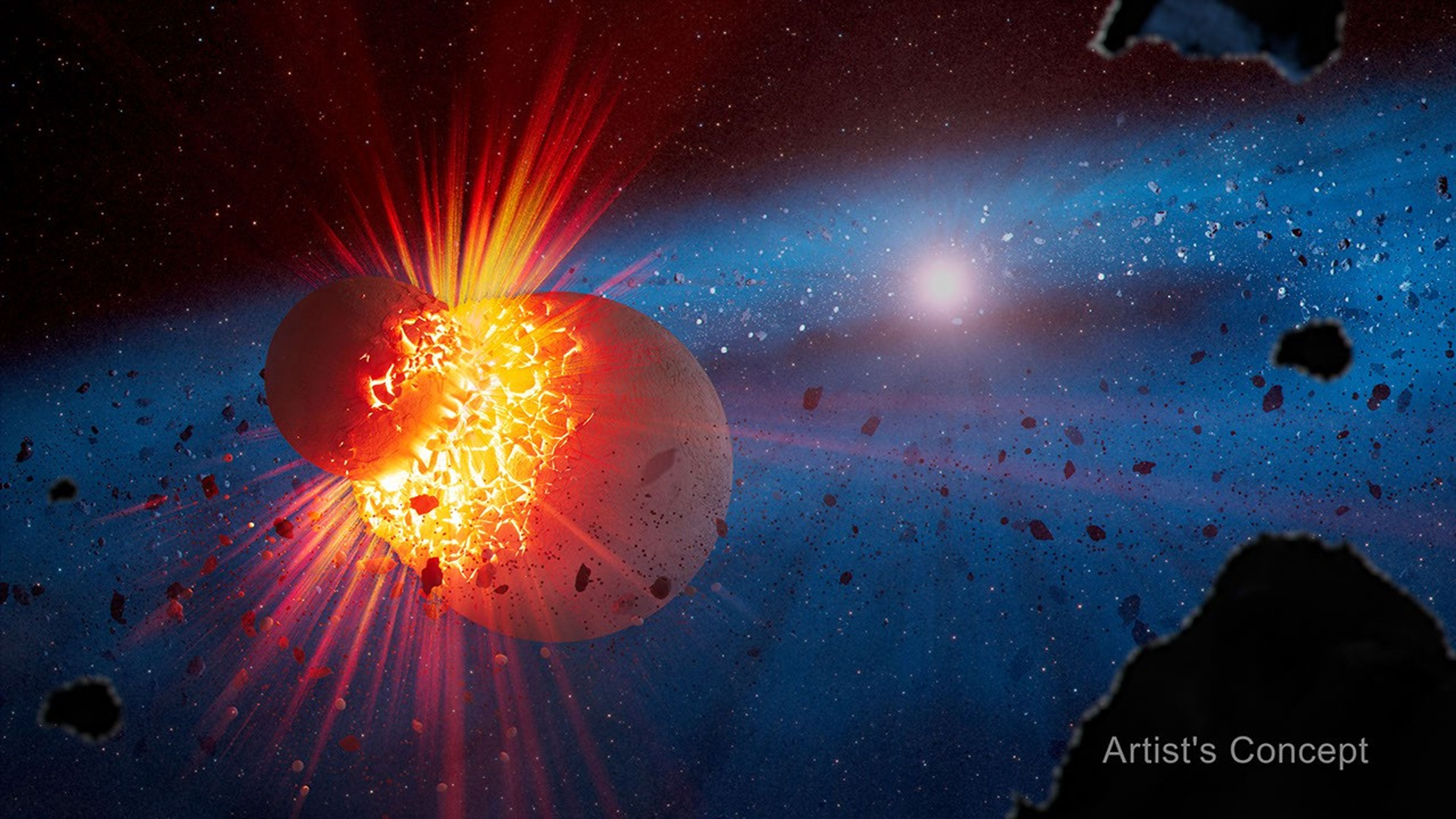
NASA's James Webb Space Telescope has provided new insights into the violent collisions that shaped planetary systems. Scientists theorize a Mars-sized object called Theia struck the young Earth, vaporizing rock. This ejected material is believed to have coalesced to form Earth's Moon. NASA's Artemis program aims to return humans to this lunar environment, using it as a stepping stone for future Mars missions.

Read the full story at NASA

This is an AI-generated summary. ShortSingh links to the original source for the complete article.
Discussion (0)

Log in to join the discussion and vote.

Log in

Related stories

0
SpaceNASA ·

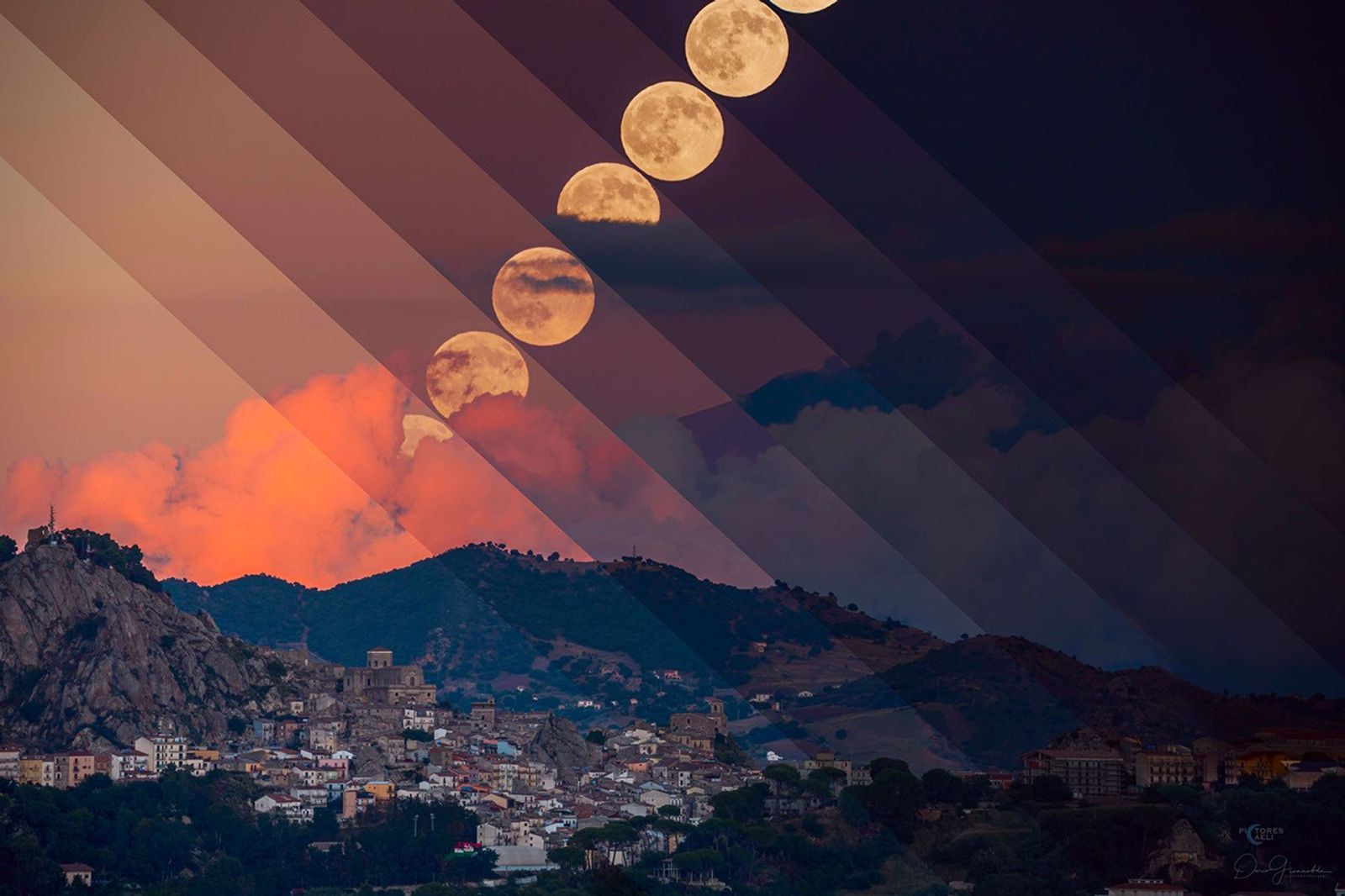
NASA's Astronomy Picture of the Day Shows Mount Etna Erupting Under Harvest Moon

NASA's Astronomy Picture of the Day for October 1, 2026, featured a striking celestial and terrestrial event. The image captured an eruption of Sicily's Mount Etna volcano occurring beneath a full Harvest Moon. The photograph combines a significant astronomical occurrence with a dramatic geological event. This was presented as part of NASA's daily showcase of space-related imagery and science.

0
SpaceNASA ·

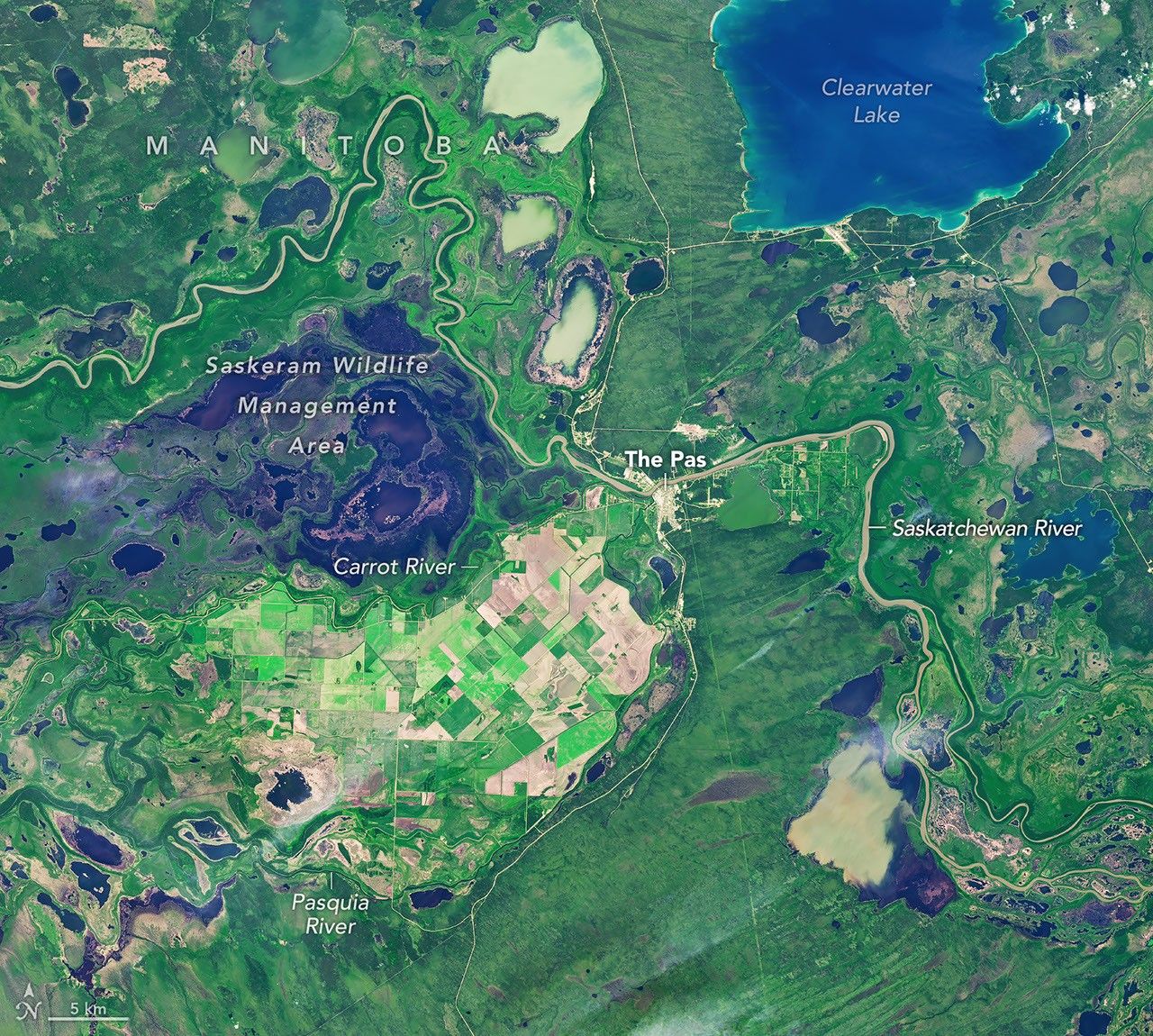
NASA observes agricultural area in Manitoba wetlands changing color over 2026 season

NASA has observed a distinct agricultural region in Manitoba, Canada. The farmland is located near The Pas and is surrounded by the wetlands of the Saskatchewan River Delta. Over the course of the 2026 growing season, the area's vegetation visibly transitioned from green to brown. This change was documented as part of ongoing satellite monitoring of land cover and agricultural patterns.

0
SpaceNASA ·

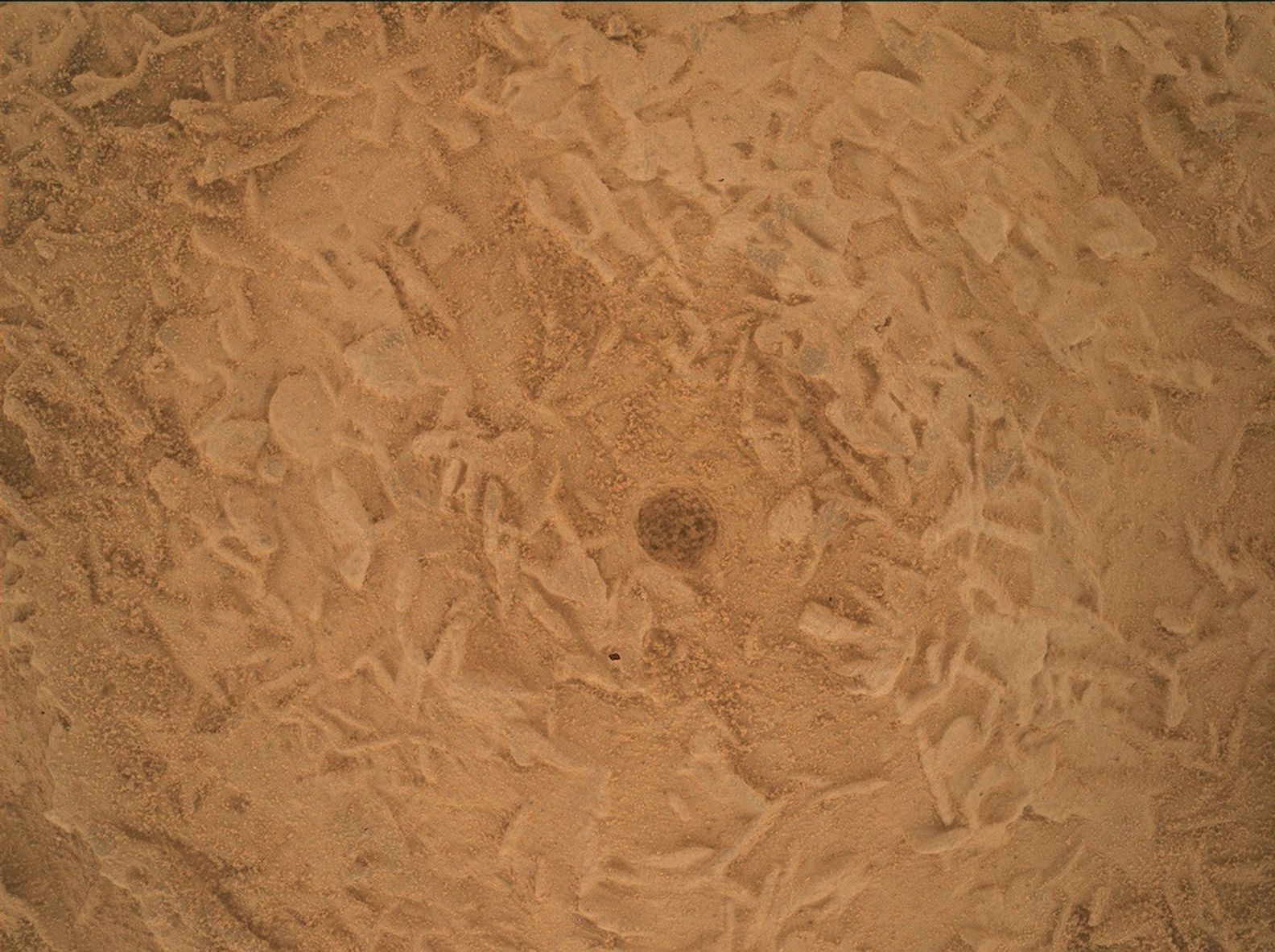
NASA's Curiosity rover encounters unexpected rock texture change on Mars

NASA's Curiosity rover observed a sudden change in rock texture on Mars in September 2026. The rover encountered distinct rock formations instead of the finely layered bedrock it had been studying in the sulfate unit region. Planetary scientist Lucy Lim reported the discovery from NASA's Goddard Space Flight Center. The team is now analyzing the new textures to understand their mineral composition. This unexpected find could provide new insights into the geological history of the area.

0
SpaceNASA ·

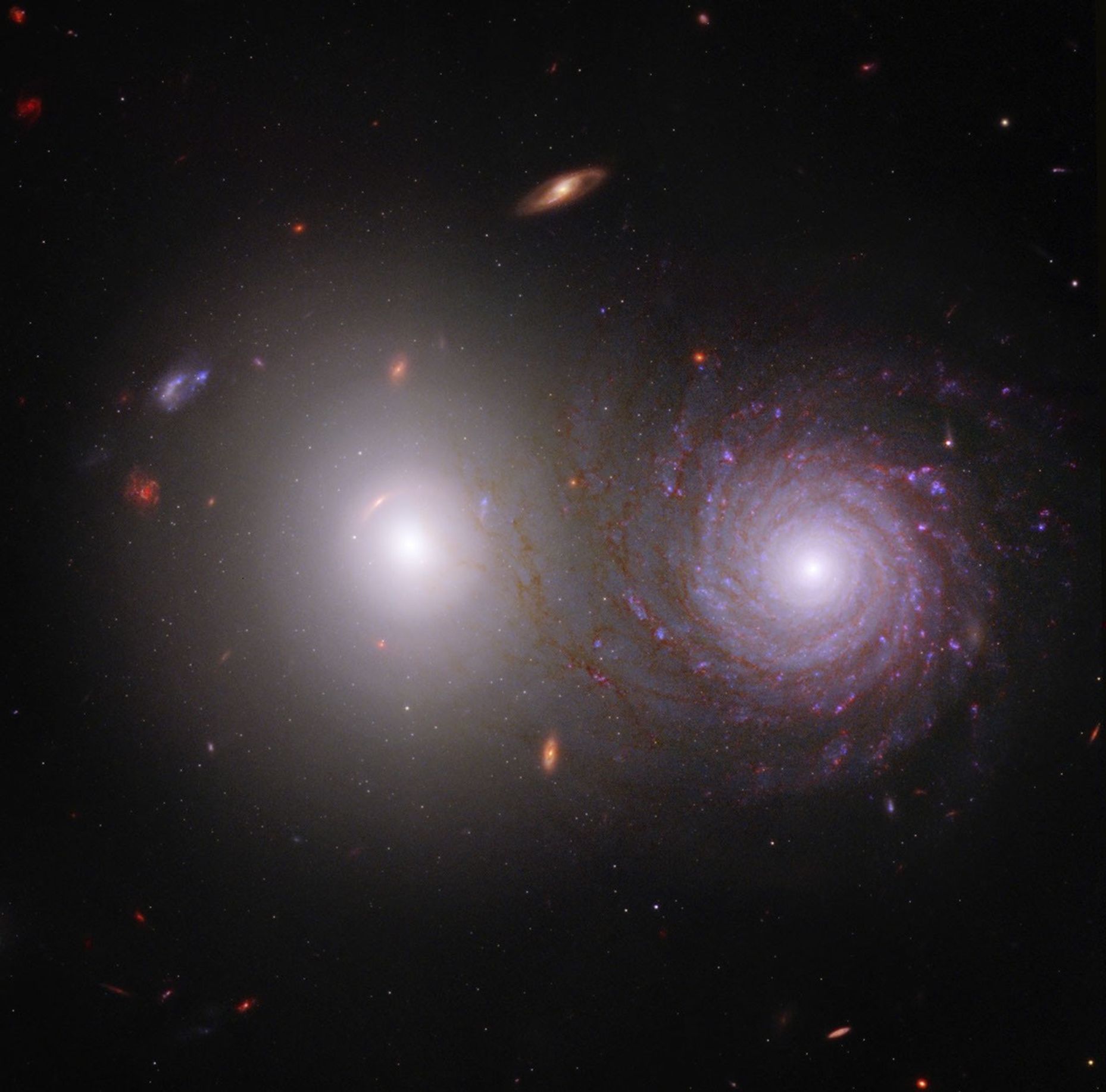
NASA Calls on Volunteers to Study Rare Overlapping Galaxies

NASA is inviting the public to help analyze rare instances where two galaxies appear to overlap from Earth's perspective. These alignments, though galaxies are not physically interacting, allow scientists to study the cosmic dust within them. The project is part of the "Overlap Zoo" citizen science initiative. Participants will classify images to aid astronomers in understanding dust's role in galactic evolution.

Webb Telescope data reveals violent cosmic collisions shaped early solar system · ShortSingh