SShortSingh.
Back to feed

Volunteer Observer Documents Record-Breaking Rainfall in Louisiana

0
·2 views

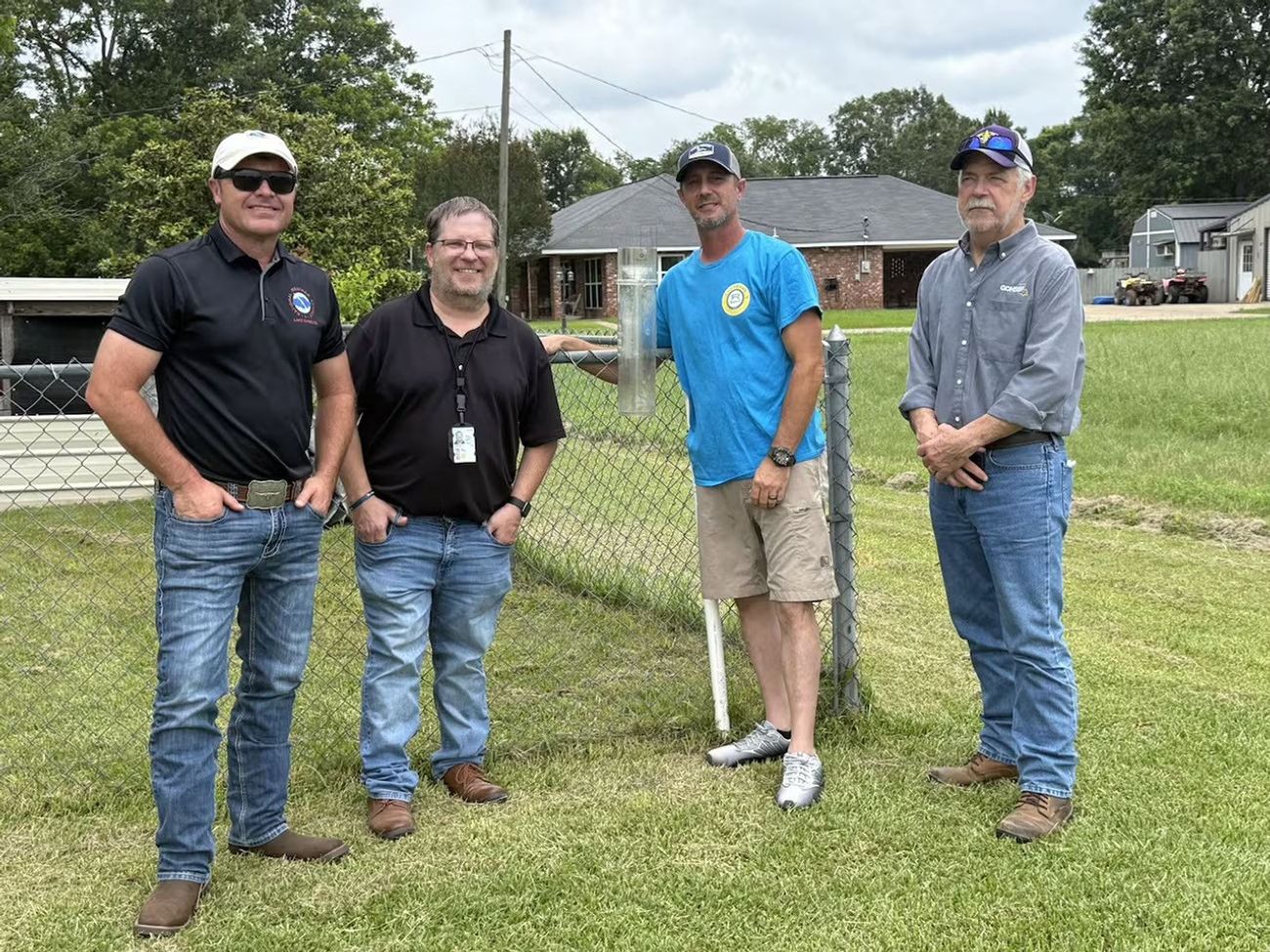
A volunteer precipitation reporter recorded historically high rainfall levels in Louisiana, contributing data to a national citizen science network. The program enlists everyday people across the United States to measure and report local precipitation. This community-sourced data plays a critical role in improving weather forecasting accuracy and advancing scientific research. NASA supports such efforts as part of broader initiatives to gather ground-level environmental observations. The data collected by volunteers helps scientists better understand regional weather patterns and extreme precipitation events.

Read the full story at NASA

This is an AI-generated summary. ShortSingh links to the original source for the complete article.

Discussion (0)

Log in to join the discussion and vote.

Log in

Related stories

0
SpaceNASA ·

Canadian Wildfire Smoke Blankets Ontario, Quebec and Parts of US

Wildfires burning in Canada have generated large plumes of smoke spreading across wide regions of the country and beyond. The smoke has moved over the provinces of Ontario and Quebec, affecting air quality in those areas. Parts of the U.S. Midwest and Northeast have also been impacted as the smoke drifted southward. NASA tracked and reported the movement of the smoke plumes across the affected regions.

0
SpaceNASA ·

NASA Uses Small Remotely Piloted Aircraft to Test Cutting-Edge Aerospace Concepts

NASA's Dale Reed Subscale Flight Research Laboratory, located at Armstrong Flight Research Center in Edwards, California, uses small remotely piloted and autonomous aircraft to test new aerospace concepts. The facility serves as a cost-effective platform for maturing innovative ideas before they advance to full-scale development. Flight testing remains one of NASA's most reliable methods for expanding aeronautical knowledge and reducing technical risk. By using subscale aircraft, researchers can accelerate the learning process while keeping costs and risks manageable.

0
SpaceNASA ·

Freshly Recovered 2024 Meteorite Reveals Clues About Early Solar System Water

A meteorite that fell to Earth on July 16, 2024, is providing NASA scientists with rare insights into the ancient solar system. Because it was recovered immediately after landing, the sample remained largely uncontaminated, making it especially valuable for research. Scientists are using it to study the presence of ancient water and the chemical changes that occurred on primitive asteroids billions of years ago. The findings may also shed light on the organic ingredients that could have contributed to the origins of life in the early solar system.

0
SpaceNASA ·

NASA to Test Artemis III Moon Lander Docking in 2027 Ahead of Crewed Landing

NASA plans to conduct an uncrewed Artemis III demonstration mission in 2027, roughly a year before astronauts are scheduled to land on the Moon in 2028. The mission will allow ground and orbital teams to practice rendezvous and docking procedures between commercial human landing systems and the Orion spacecraft. Data gathered during this test flight will inform preparations for subsequent uncrewed demonstration missions at the Moon. The exercise is designed to reduce risk and refine operational readiness before humans return to the lunar surface under the Artemis program.