SShortSingh.
Back to feed

NASA Sea Level Science Draws 1,000 Visitors on World Ocean Day

0
·1 views

More than 1,000 people engaged with NASA sea level research at a special World Ocean Day event on June 6, 2026. The event was held at the University of Georgia Aquarium, located on Skidaway Island. Visitors had the opportunity to explore NASA's ocean science work firsthand. The occasion aligned with the globally observed World Ocean Day, highlighting public interest in ocean and climate research.

Read the full story at NASA

This is an AI-generated summary. ShortSingh links to the original source for the complete article.

Discussion (0)

Log in to join the discussion and vote.

Log in

Related stories

0
SpaceNASA ·

NASA Satellite Image Algorithm Adapted to Reveal Hidden Ancient Artwork

A computational technique originally developed by NASA for processing satellite imagery is now being applied to the study of ancient visual artifacts. The algorithm enhances and clarifies details in historical images that would otherwise remain difficult or impossible to discern with the naked eye. Researchers have repurposed the technology to uncover hidden or degraded elements in ancient artwork, manuscripts, or archaeological records. The adaptation represents a significant crossover between modern space technology and the field of historical and archaeological research.

0
SpaceNASA ·

Hubble and Webb Telescopes Reveal Surprising Shortage of Small Trans-Neptunian Objects

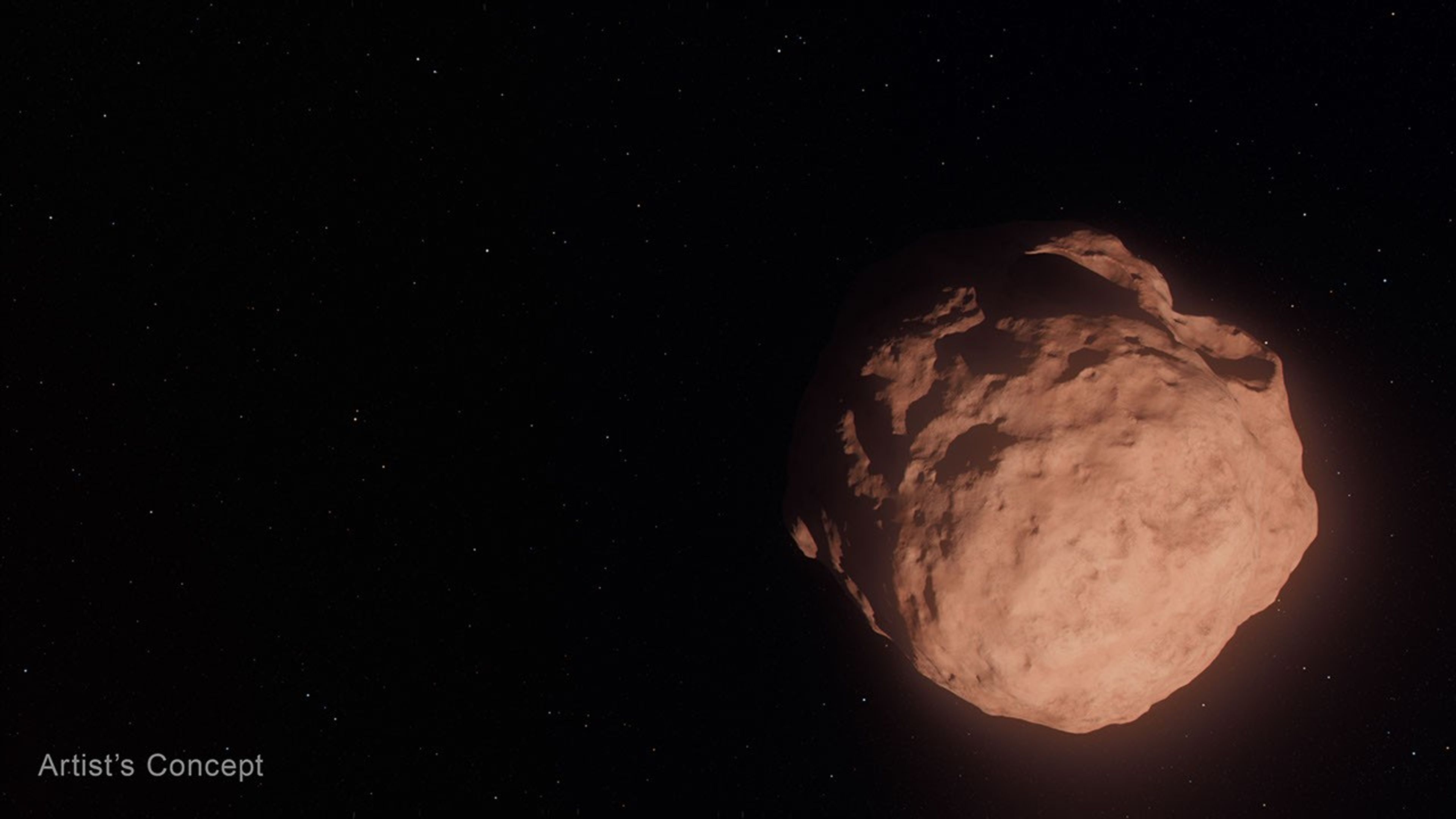
NASA scientists have for the first time combined the observational power of the Hubble and James Webb Space Telescopes to study Trans-Neptunian Objects, the distant bodies orbiting beyond Neptune. The joint effort allowed researchers to directly observe some of the smallest and faintest TNOs ever detected. Unexpectedly, the survey found fewer small TNOs than scientific models had predicted. The findings suggest these remote objects may retain a 'memory' of past conditions or collisional history in the outer solar system. The research marks a significant step in understanding the formation and evolution of the solar system's outermost regions.

0
SpaceNASA ·

Hubble Captures Rare Ten-Sided Geometric Pattern at Saturn's South Pole

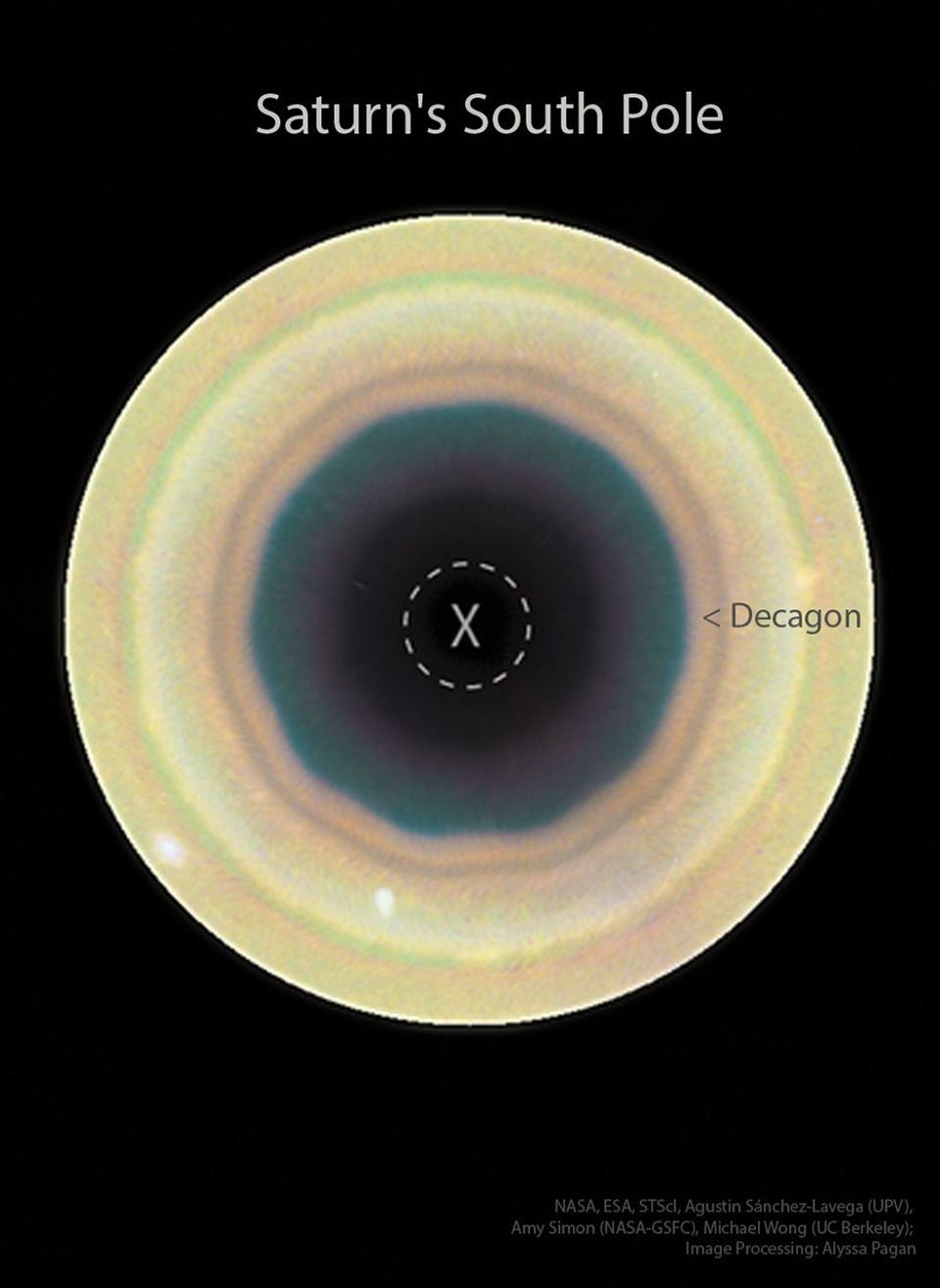
NASA's Astronomy Picture of the Day (APOD) for September 8, 2026, features a Hubble Space Telescope image revealing a decagonal, or ten-sided, formation around Saturn's south pole. The image was selected as part of APOD's daily showcase of notable astronomical photographs, each accompanied by an explanation from a professional astronomer. Saturn is already known for its famous hexagonal storm system at its north pole, making this southern polar geometric pattern a subject of significant scientific interest. The Hubble Space Telescope captured the imagery, continuing its long history of providing detailed observations of planets within our solar system.

0
SpaceNASA ·

Vasquez Rocks: The Tilted Sedimentary Formations That Captivated Hollywood

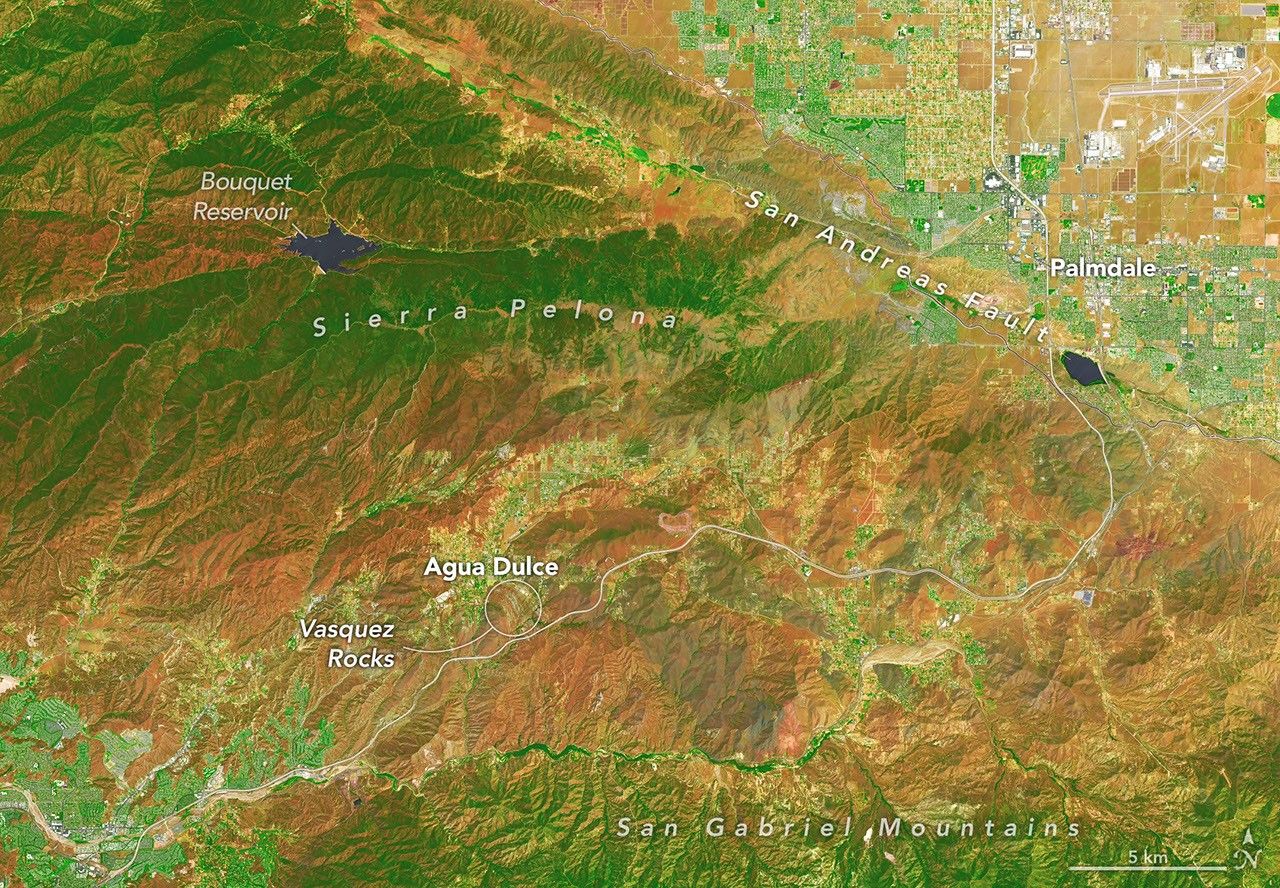
Vasquez Rocks, located in the Soledad Basin, features striking layers of sedimentary rock that protrude from the ground at dramatic angles. The unusual geological formations have made the site a popular filming location for television and film productions over the years. Among the notable productions drawn to the site is the iconic science fiction franchise Star Trek. NASA has highlighted the location for its distinctly otherworldly visual character.

NASA Sea Level Science Draws 1,000 Visitors on World Ocean Day · ShortSingh