SShortSingh.
Back to feed

NASA Satellite Image Algorithm Adapted to Reveal Hidden Ancient Artwork

0
·42 views
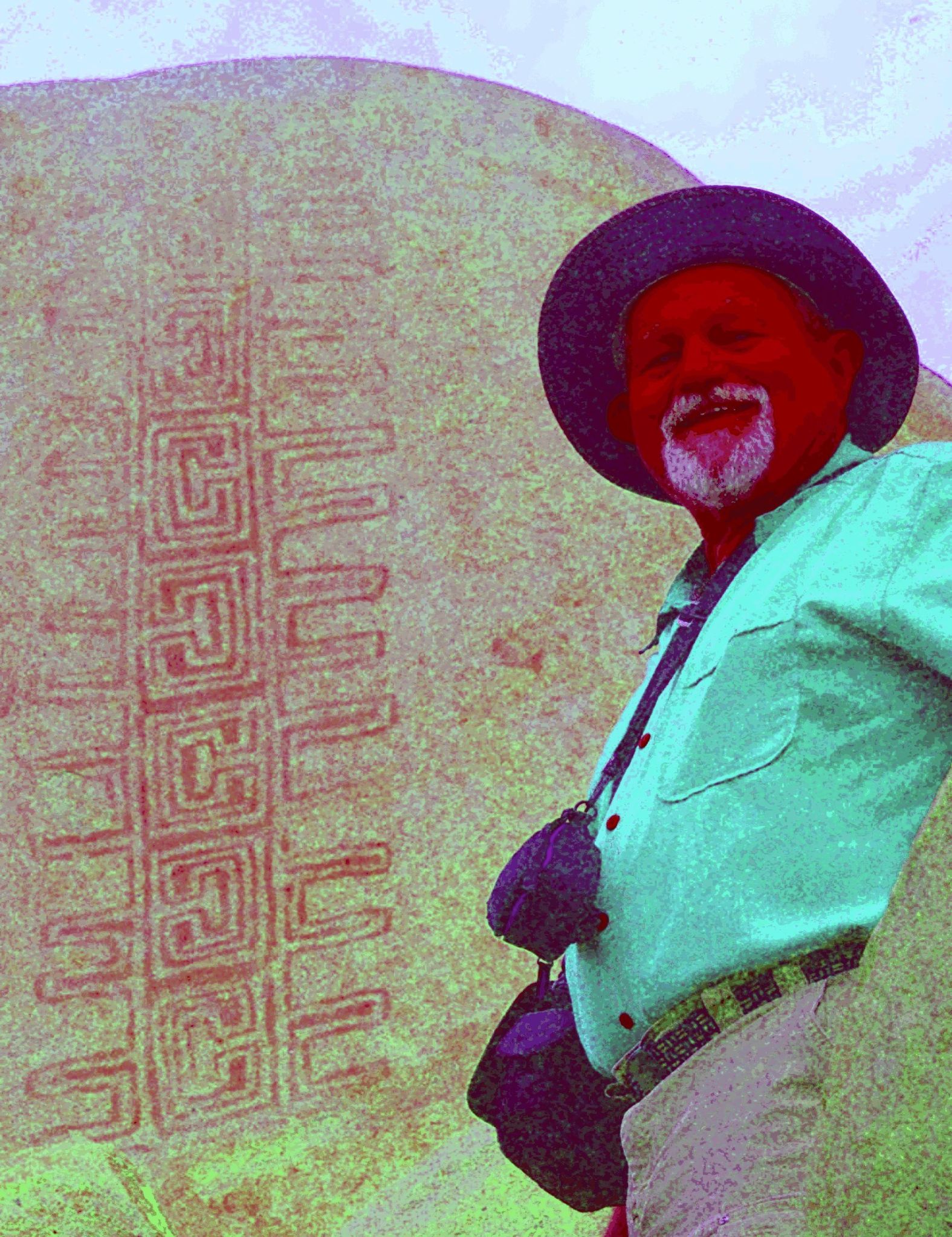
A computational technique originally developed by NASA for processing satellite imagery is now being applied to the study of ancient visual artifacts. The algorithm enhances and clarifies details in historical images that would otherwise remain difficult or impossible to discern with the naked eye. Researchers have repurposed the technology to uncover hidden or degraded elements in ancient artwork, manuscripts, or archaeological records. The adaptation represents a significant crossover between modern space technology and the field of historical and archaeological research.

Read the full story at NASA

This is an AI-generated summary. ShortSingh links to the original source for the complete article.
Discussion (0)

Log in to join the discussion and vote.

Log in

Related stories

0
SpaceNASA ·

NASA Funds Moon Base Projects in Transport, Technology and Science

NASA announced a set of awards and mission updates on Saturday aimed at broadening its Moon Base efforts in exploration, science, and infrastructure. The funding targets commercial robotic deliveries to the lunar surface and a nuclear-powered rover called PROMISE. It also covers launch and orbital transfer services, along with surface infrastructure. The agency is working with American industry toward a sustained human presence on the Moon.

0
SpaceNASA ·

NASA Opens Applications for Next Class of Astronauts

NASA has opened applications for its next class of astronauts, inviting candidates to help shape the future of human spaceflight. The new crew members will support the agency's plans to return to the Moon and establish a Moon Base. The recruits will also contribute to groundwork for the first crewed missions to Mars. The call for applicants marks a step toward expanding the astronaut corps for these long-term exploration goals.

0
SpaceNASA ·

NASA's Astronomy Picture of the Day Features the De Gerlache-Kocher Massif

NASA's Astronomy Picture of the Day for November 7, 2026, highlights an image of the De Gerlache-Kocher Massif. The feature is part of APOD, a daily series that pairs a different space image or photograph with a short explanation written by a professional astronomer. The source text available is largely navigational and introductory, so the specific details of the massif and its imaging are limited. Readers seeking the full scientific explanation should consult the original APOD page.

0
SpaceNASA ·

Hubble Captures Messier 30, a Star Cluster Offering Lessons in Galactic History

A new Hubble Space Telescope image, released November 5, 2026 by NASA and ESA, shows a sparkling collection of stars. The cluster is called Messier 30 (M30), named after French astronomer Charles Messier. Messier cataloged M30 and other faint, diffuse objects that early telescopes could confuse with comets. The article describes the image as offering insight into galactic history. The source text is truncated, so further details about M30's distance and characteristics are not included here.