SShortSingh.
Back to feed

NASA's Curiosity Rover Reaches 49 Drill Samples on Mars

0
·2 views
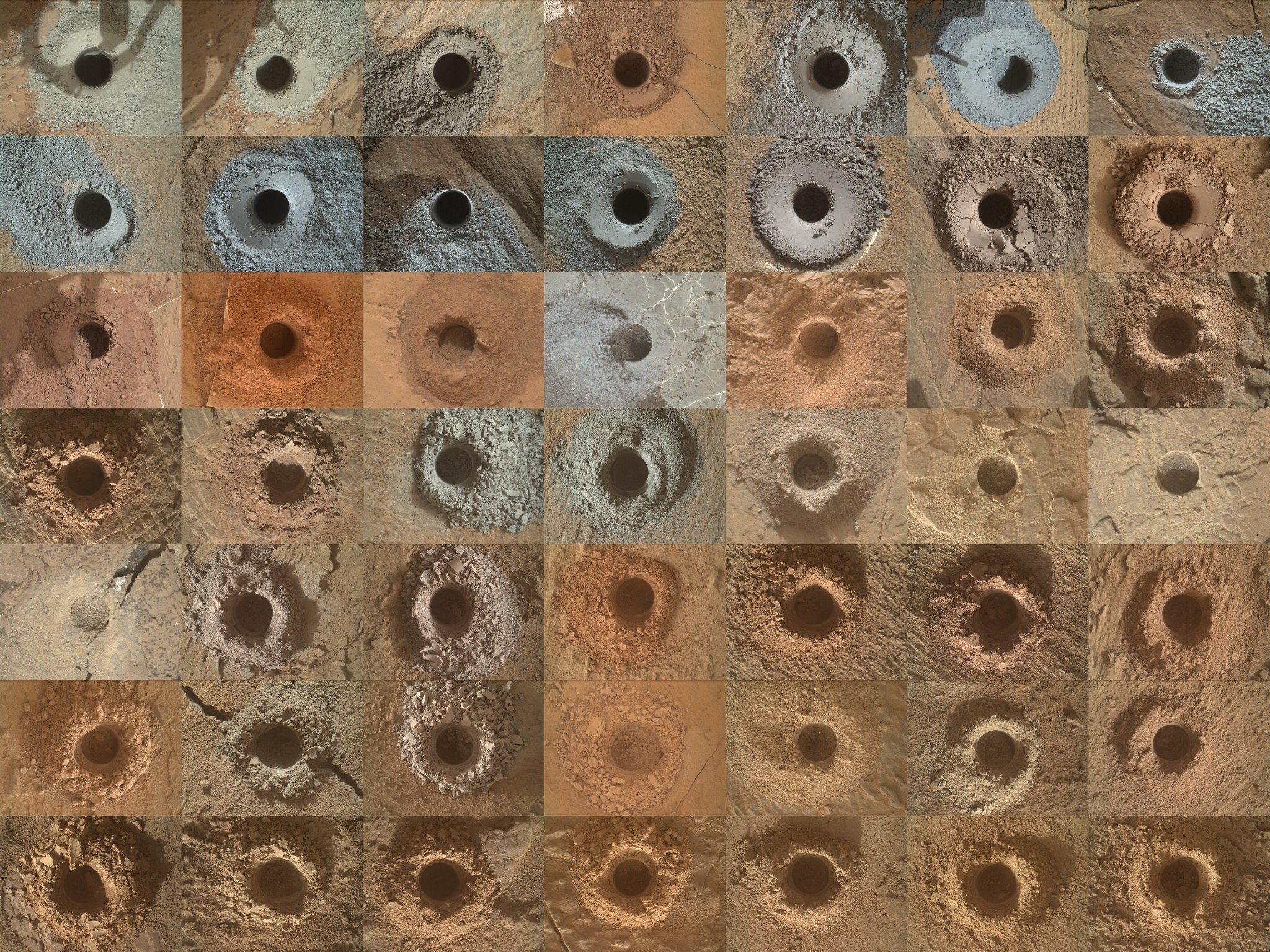
NASA's Curiosity Mars rover has now drilled 49 holes into Martian rock, as shown in a collage released on November 16. Each hole marks a rock sample gathered from the planet's surface. The rover's drill, mounted at the end of its robotic arm, delivers powdered rock into instruments housed in the rover's body. Those instruments analyze the samples' chemical makeup. The collage reflects the rover's count as of November 2026.

Read the full story at NASA

This is an AI-generated summary. ShortSingh links to the original source for the complete article.
Discussion (0)

Log in to join the discussion and vote.

Log in

Related stories

0
SpaceNASA ·

NASA Astronomy Picture of the Day Features Vega-Ganymede-Rhea Alignment

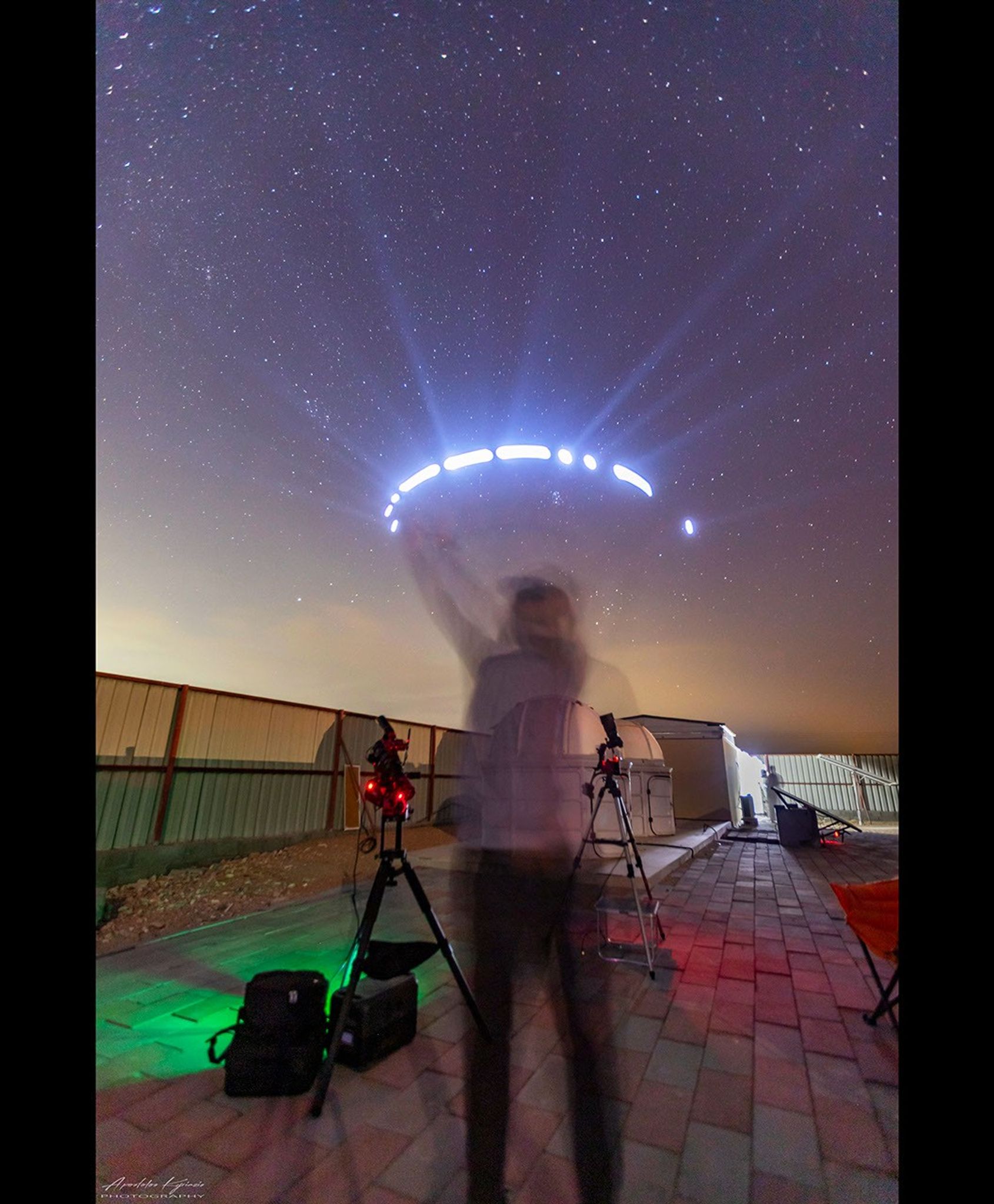
NASA's Astronomy Picture of the Day for November 20, 2026, is titled V-G-R. The image was highlighted as part of the agency's daily feature showcasing astronomical photography with explanations from professional astronomers. The featured entry refers to an event observed on November 17. The available excerpt is truncated, so further details about the specific phenomenon and its significance are not fully provided.

0
SpaceNASA ·

NASA Invites Public Ideas on Life and the World in 2075

NASA's Transformational Tools and Technologies program is collecting public views on everyday life today and how society might evolve by 2075. The challenge seeks conceptual rather than technical proposals across four defined topics. Contributors are asked to explore how future aviation or aerospace systems could shape daily life. A prize of $20,000 is offered for selected submissions.

0
SpaceNASA ·

NASA Fermi Data Enables Method Finding Hard-to-Detect Pulsars Far Faster

Open data from NASA's Fermi mission supported an international research team in creating a new technique for locating pulsars. The method is reported to be roughly a million times faster than earlier approaches. The advance focuses on pulsars that have been difficult to detect with conventional methods. Because the underlying data is openly available, researchers beyond the original team can use the approach as well.