SShortSingh.
Back to feed

NASA Marks 50 Years Since First Space Shuttle Enterprise Was Unveiled

0
·7 views
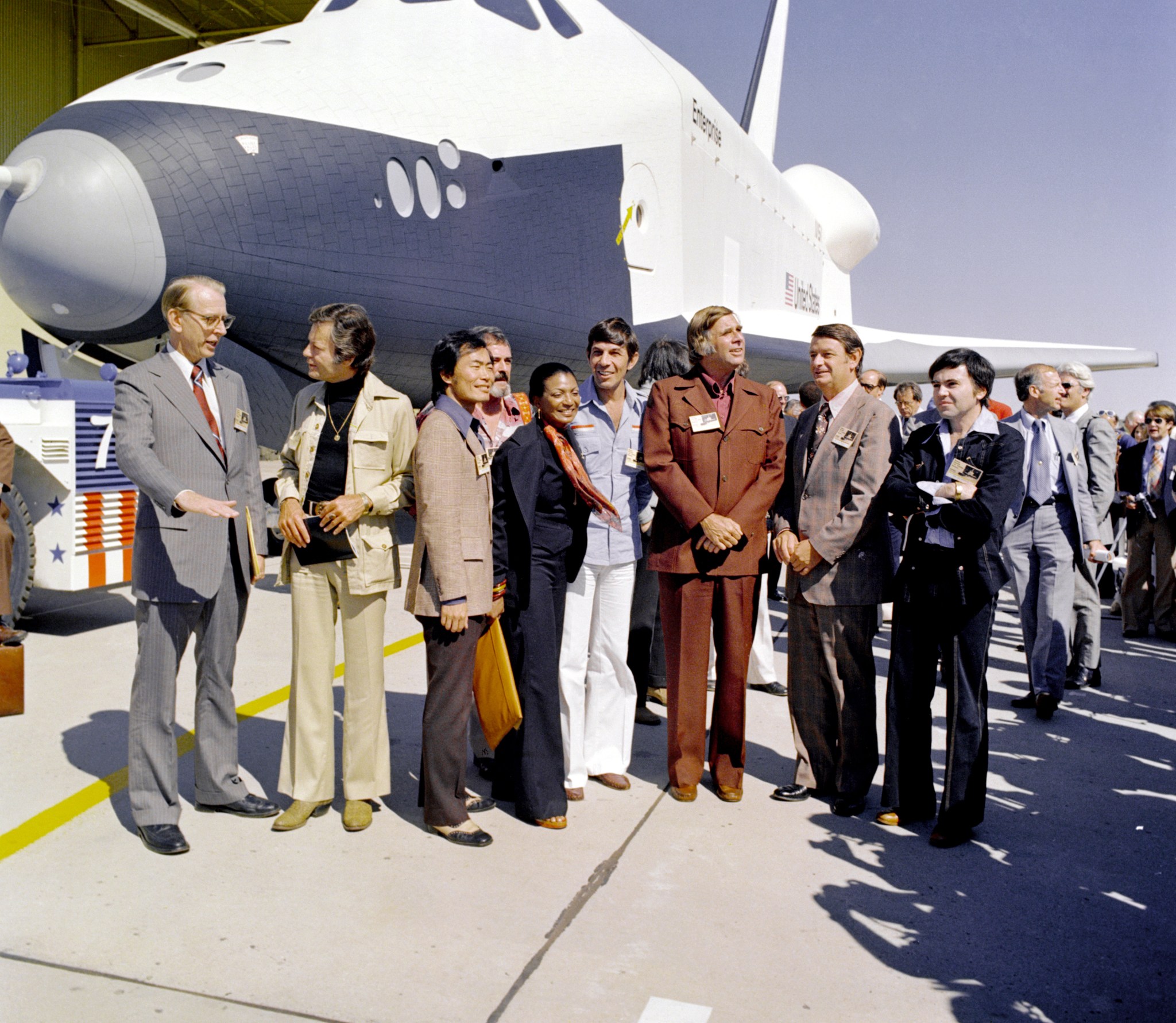
NASA unveiled its first space shuttle orbiter, designated OV-101, to the public on September 17, 1976, coinciding with Constitution Day during America's bicentennial year. The agency had originally planned to name the vehicle Constitution, but a massive public campaign altered that decision. Nearly 100,000 Star Trek fans wrote to the White House urging NASA to name the shuttle Enterprise, after the iconic spacecraft from the television series. The campaign proved successful, and the orbiter was officially named Enterprise before its public debut.

Read the full story at NASA

This is an AI-generated summary. ShortSingh links to the original source for the complete article.
Discussion (0)

Log in to join the discussion and vote.

Log in

Related stories

0
SpaceNASA ·

NASA APOD Highlights Star-Forming Region Deep Within the Carina Nebula

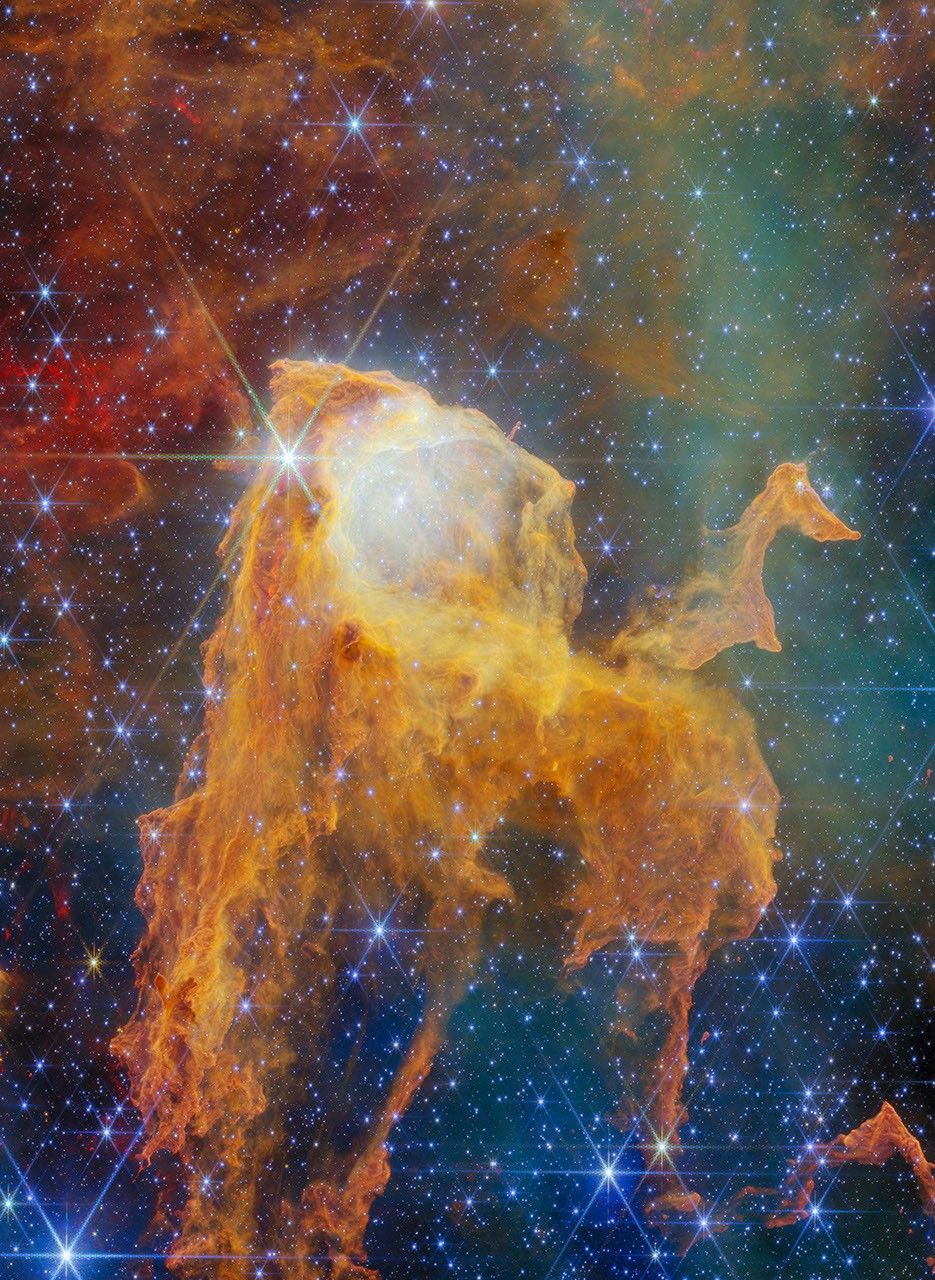
NASA's Astronomy Picture of the Day (APOD) for September 17, 2026 features a striking image of a dense, star-rich region within the Carina Nebula. The APOD program, run by NASA, publishes a new astronomical image each day accompanied by an explanation from a professional astronomer. The Carina Nebula is a well-known stellar nursery located thousands of light-years from Earth, containing some of the most massive and luminous stars in the Milky Way. The featured image draws attention to a particularly concentrated cluster of stars and cosmic material within this nebula. APOD has long served as a public education resource, making complex astronomical phenomena accessible to general audiences worldwide.

0
SpaceNASA ·

Heat Dome Breaks Temperature Records Across Central and Southern US

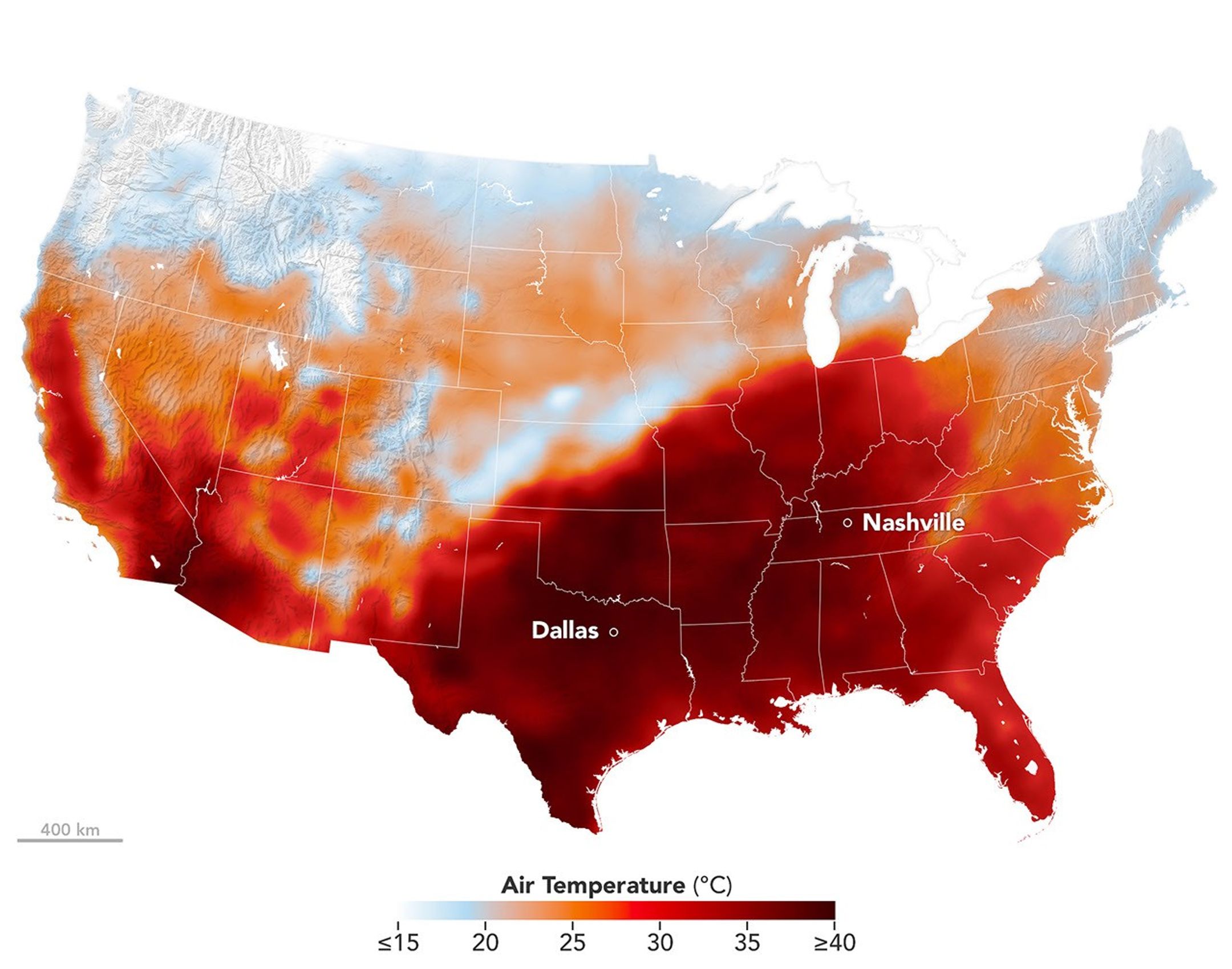
A powerful heat dome brought record-breaking temperatures to the central and southern United States as summer neared its end. The extreme heat event coincided with the approach of the autumnal equinox, marking a dramatic close to the summer season. Numerous temperature records were toppled across the affected regions during this period. The phenomenon was reported and documented by NASA as part of its monitoring of climate and weather events.

0
SpaceNASA ·

Hobbyist Roots Drive NASA's Subscale Flight Research Laboratory Team

Three NASA researchers — Derek Abramson, Justin Hall, and Justin Link — began their aerospace journeys building and flying radio-controlled aircraft as hobbyists. Their early hands-on experimentation at home and at hobby events laid the groundwork for professional careers in flight research. Today, the trio works at NASA's Dale Reed Subscale Flight Research Laboratory at Armstrong Flight Research Center. Their grassroots passion for model aircraft now directly informs cutting-edge aerospace development at the agency.

0
SpaceNASA ·

NASA's LRO Discovers Rare New Crater on Moon in Once-in-a-Century Find

NASA scientist Robert Wagner made an unexpected discovery while performing a routine data-quality check on imagery from the Lunar Reconnaissance Orbiter (LRO). He noticed an unusually large bright spot surrounded by a dark halo on a detailed map of the Moon's surface. The distinctive pattern suggested that lunar material in the area had been significantly disturbed, indicating a recent impact. The find is being described as a once-in-a-century event, given how rarely such fresh, large craters are observed forming on the Moon.