SShortSingh.
Back to feed

NASA Curiosity Rover Spots Honeycomb-Like Rock Patterns on Mars

0
·34 views

NASA's Curiosity rover has photographed a field of honeycomb-shaped geometric patterns while climbing a Martian valley known as 'Valle Grande.' The structures, called polygonal fractures, measure roughly 1.5 to 3 inches across. Mission scientists recognized the formations, having encountered smaller patches of similar shapes on previous occasions. The discovery adds to Curiosity's ongoing geological survey of the Martian surface.

Read the full story at NASA

This is an AI-generated summary. ShortSingh links to the original source for the complete article.

Discussion (0)

Log in to join the discussion and vote.

Log in

Related stories

0
SpaceNASA ·

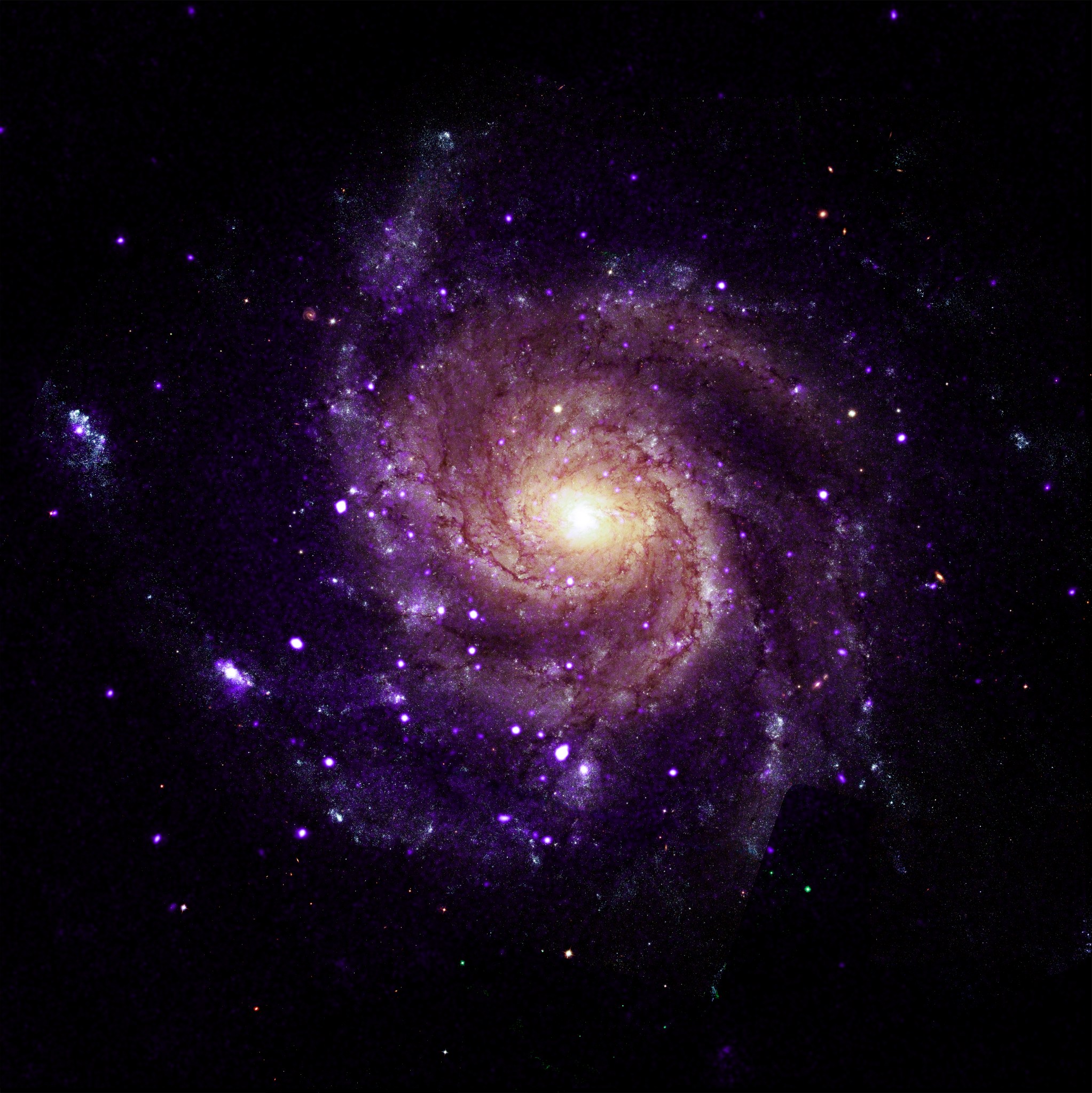
Chandra Observatory Spots Unusual Low-Energy X-ray Objects in Pinwheel Galaxy

NASA's Chandra X-ray Observatory has detected mysterious objects in the Pinwheel Galaxy, known as M101, emitting unusually low-energy X-rays alongside intense ultraviolet radiation. The findings were released on September 9, 2026, as part of a broader study examining multiple galaxies. Astronomers believe these newly identified objects are unlike previously catalogued X-ray sources. Researchers suggest the discovery could potentially help resolve two longstanding astronomical mysteries, though details remain under investigation.

0
SpaceNASA ·

NASA Astronaut Anil Menon to Answer STEM Questions from NH Students Live

NASA astronaut Anil Menon will respond to pre-recorded STEM questions submitted by students in New Hampshire while stationed aboard the International Space Station. The live Earth-to-space call is scheduled for 11:35 a.m. EDT on Thursday, September 24. The session will be streamed publicly on NASA's Learn With NASA YouTube channel. The event is being organized by the McAuliffe-Shepard Discovery Center, located in Concord, New Hampshire.

0
SpaceNASA ·

NASA Deep Space Camera Captures Earth's Seasonal Shifts in Stunning Detail

A NASA camera positioned in deep space has captured striking imagery showing how Earth's continents appear to shift position across the seasons. This visual effect is caused by the tilt of Earth's rotational axis, which alters the planet's orientation relative to the Sun throughout the year. As the axial tilt changes the angle at which Earth is viewed, different landmasses become more or less prominent in the imagery. The footage offers a rare and sweeping perspective of seasonal change on a planetary scale.

0
SpaceNASA ·

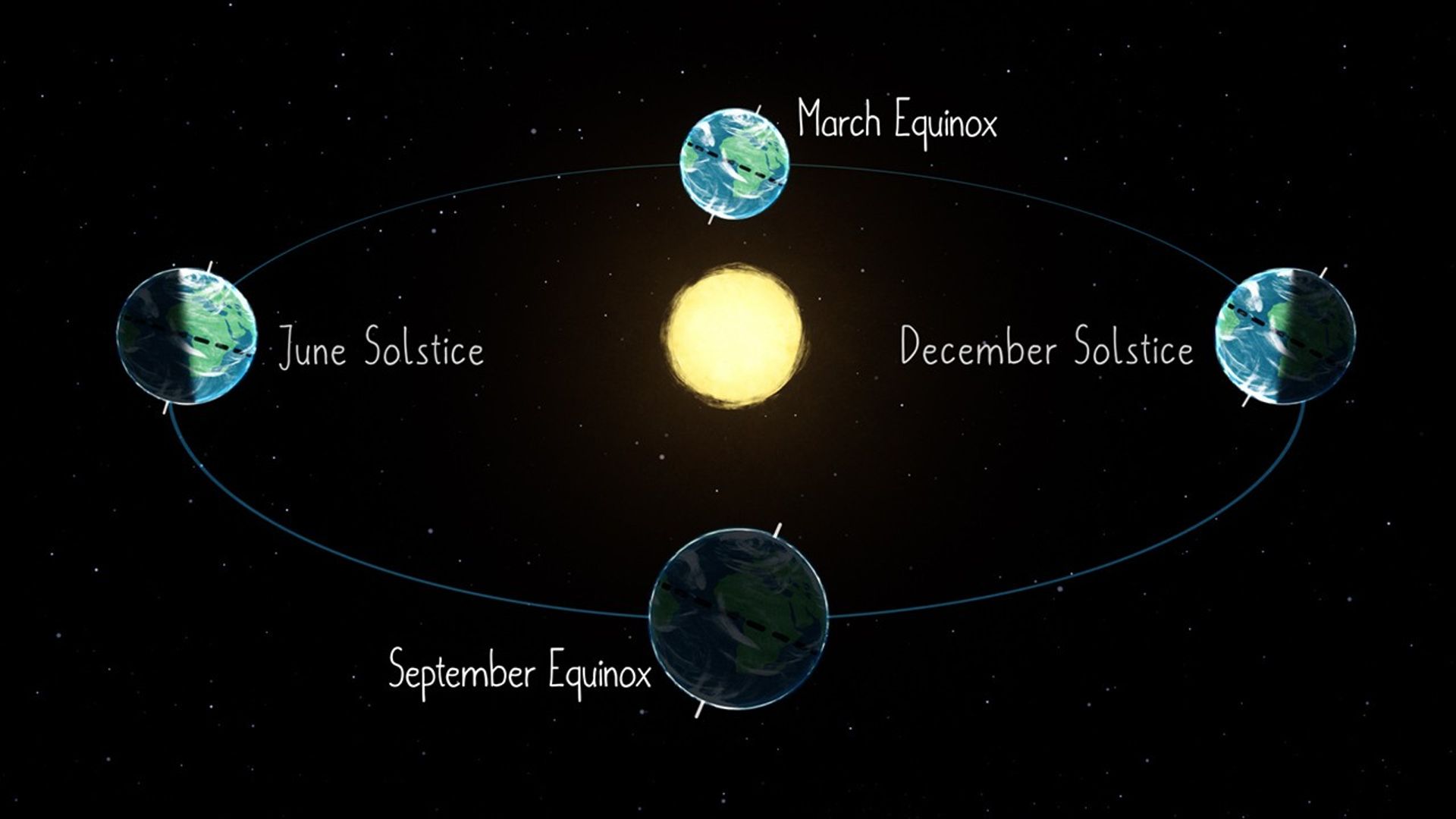
Spring or Fall, Equinoxes Have Guided Human Astronomy for Millennia

An equinox marks the point in Earth's orbit when day and night are roughly equal in length, occurring twice each year. The significance of equinoxes varies by region, with some cultures associating them with the arrival of warmer weather and others with longer, darker nights. Tracking and predicting equinoxes is considered one of the oldest practices in human astronomy. Ancient observatories across the world were built or used to monitor equinoxes alongside the more visually dramatic solstices. NASA highlights this long astronomical tradition as humanity continues to observe these celestial events today.