SShortSingh.
Back to feed

NASA Converts Contractor Ray Williams to Civil Servant at Stennis Space Center

0
·1 views

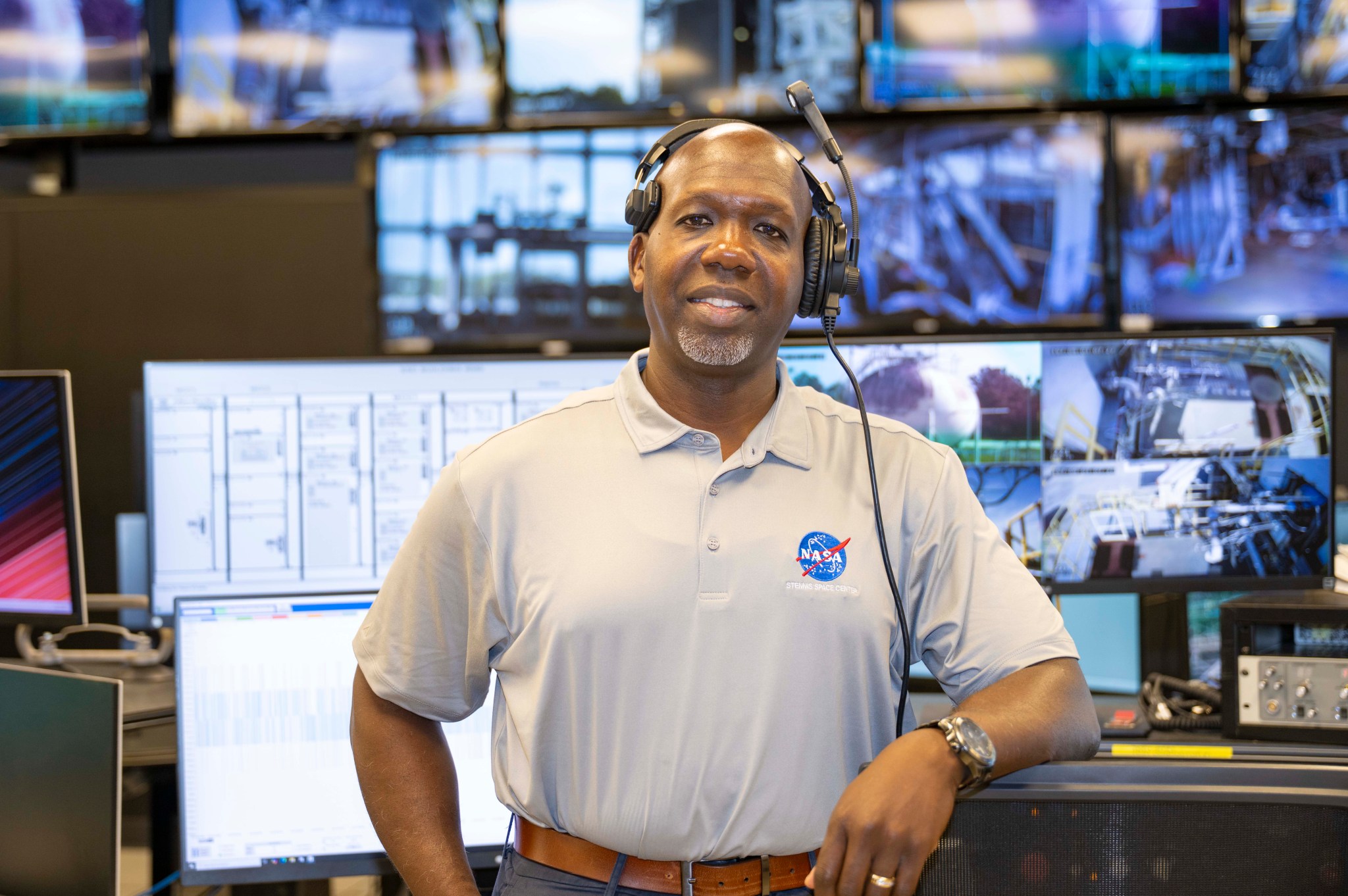
Ray Williams, a New Orleans native and Grambling State University graduate, has transitioned from contractor to civil servant at NASA's Stennis Space Center near Bay St. Louis, Mississippi. He now serves as a supervisor for test operations support at the facility. His appointment is part of a broader NASA initiative aimed at restoring core competencies within the agency by converting contractors into civil service roles. Williams' prior experience working at Stennis as a contractor is seen as strong preparation for his new supervisory position.

Read the full story at NASA

This is an AI-generated summary. ShortSingh links to the original source for the complete article.
Discussion (0)

Log in to join the discussion and vote.

Log in

Related stories

0
SpaceNASA ·

Atlantic Sargassum Belt Reaches Near-Record Levels in June 2026

The Great Atlantic Sargassum Belt swelled to near-record proportions in June 2026, according to NASA. Both the Caribbean Sea and the Gulf of America recorded all-time high concentrations of the floating seaweed. The belt is a massive seasonal accumulation of sargassum stretching across the Atlantic Ocean. These elevated levels raise concerns about potential impacts on coastal ecosystems and shorelines in affected regions.

0
SpaceNASA ·

NASA Astronaut Chris Williams to Brief Media on Eight-Month ISS Mission

NASA astronaut Chris Williams will hold a post-mission news conference on Tuesday, August 4, at 2:45 p.m. EDT. The event will take place at NASA's Johnson Space Center in Houston, Texas. Williams will discuss highlights and findings from his recent eight-month stay aboard the International Space Station. The briefing will be streamed live across multiple online platforms via NASA's official channels.

0
SpaceNASA ·

NASA to Conduct Solar Science During August Total Eclipse Over Greenland and Iceland

A total solar eclipse will sweep over Greenland, Iceland, and surrounding regions on Wednesday, August 12, offering scientists a rare observational opportunity. During a total solar eclipse, the Moon completely blocks the Sun, temporarily darkening daytime skies and exposing the Sun's outer atmosphere, known as the corona. NASA plans to use this event to conduct scientific research aimed at better understanding the Sun and its effects on Earth. Such eclipses are considered valuable windows for solar study, as the corona is otherwise difficult to observe due to the Sun's overwhelming brightness.

NASA Converts Contractor Ray Williams to Civil Servant at Stennis Space Center · ShortSingh