SShortSingh.
Back to feed

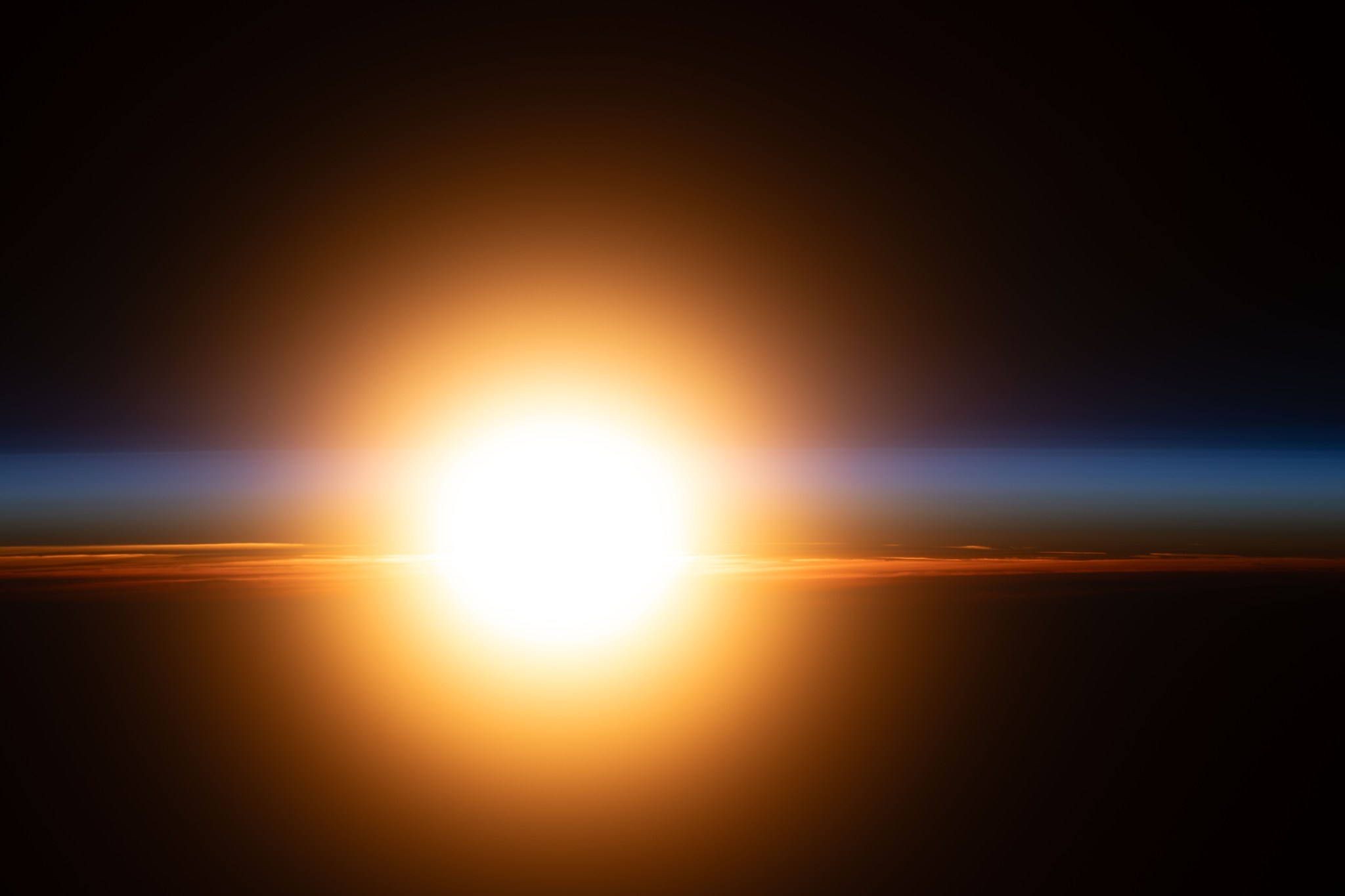
NASA Astronaut Captures Stunning Orbital Sunrise from Space Station

0
·1 views

NASA astronaut Chris Williams photographed a sunrise as seen from the International Space Station on June 26, 2026. The image was taken during one of the station's many daily orbits around Earth. The ISS completes 16 full orbits of Earth within a single 24-hour period. This means crew members aboard the station experience 16 sunrises and 16 sunsets every day.

Read the full story at NASA

This is an AI-generated summary. ShortSingh links to the original source for the complete article.

Discussion (0)

Log in to join the discussion and vote.

Log in

Related stories

0
SpaceNASA ·

Artemis II Mission Sets NASA Streaming Record With 149M+ Views

NASA's Artemis II mission generated record-breaking viewership across the agency's owned platforms. The live coverage accumulated more than 149.4 million views spanning the launch, lunar flyby, and splashdown events. Continuous 24/7 streams of the mission and the Orion spacecraft contributed significantly to the total count. The figures reflect strong and sustained global public interest throughout the duration of the mission.

0
SpaceNASA ·

NASA Students Experience Airborne Atmospheric Research at Houston's Ellington Field

NASA's Student Airborne Research Program (SARP) hosted students at Ellington Field in Houston from June 3 to 13. The program gave participants a direct look at how scientists conduct research on Earth's atmosphere using aircraft. Students learned about airborne data collection methods applied across atmospheric science, ecology, air quality, and climate modeling. The hands-on program is designed to bridge classroom learning with real-world scientific fieldwork.

0
SpaceNASA ·

Webb Telescope Captures Unprecedented View of FS Tau Star System

NASA's James Webb Space Telescope has imaged the FS Tau star system in infrared light, revealing features previously hidden behind thick dust clouds. The telescope's advanced capabilities allowed astronomers to peer through the dense dust that had long obscured detailed observation of the system. The image also captures numerous background galaxies that were not visible before. The release of the image coincided with the United States' 250th anniversary celebrations. Webb continues to expand scientific understanding by detecting infrared light invisible to earlier space telescopes.

0
SpaceNASA ·

NASA July 2026 Skywatching Guide: Comet, Saturn's Rings, and Milky Way Views

NASA has released its skywatching highlights for July 2026, pointing out several celestial events worth catching. Early risers can look forward to a predawn gathering of the Moon and planets visible in the morning sky. A comet is set to make a return appearance, offering observers a rare opportunity to spot it. July also presents favorable conditions for viewing the Milky Way, along with a chance to see Saturn's rings displayed at a fresh angle.

NASA Astronaut Captures Stunning Orbital Sunrise from Space Station · ShortSingh