SShortSingh.
Back to feed

NASA APOD Explains the Cosmic Origins of the Elements in Your Body
0
·1 views

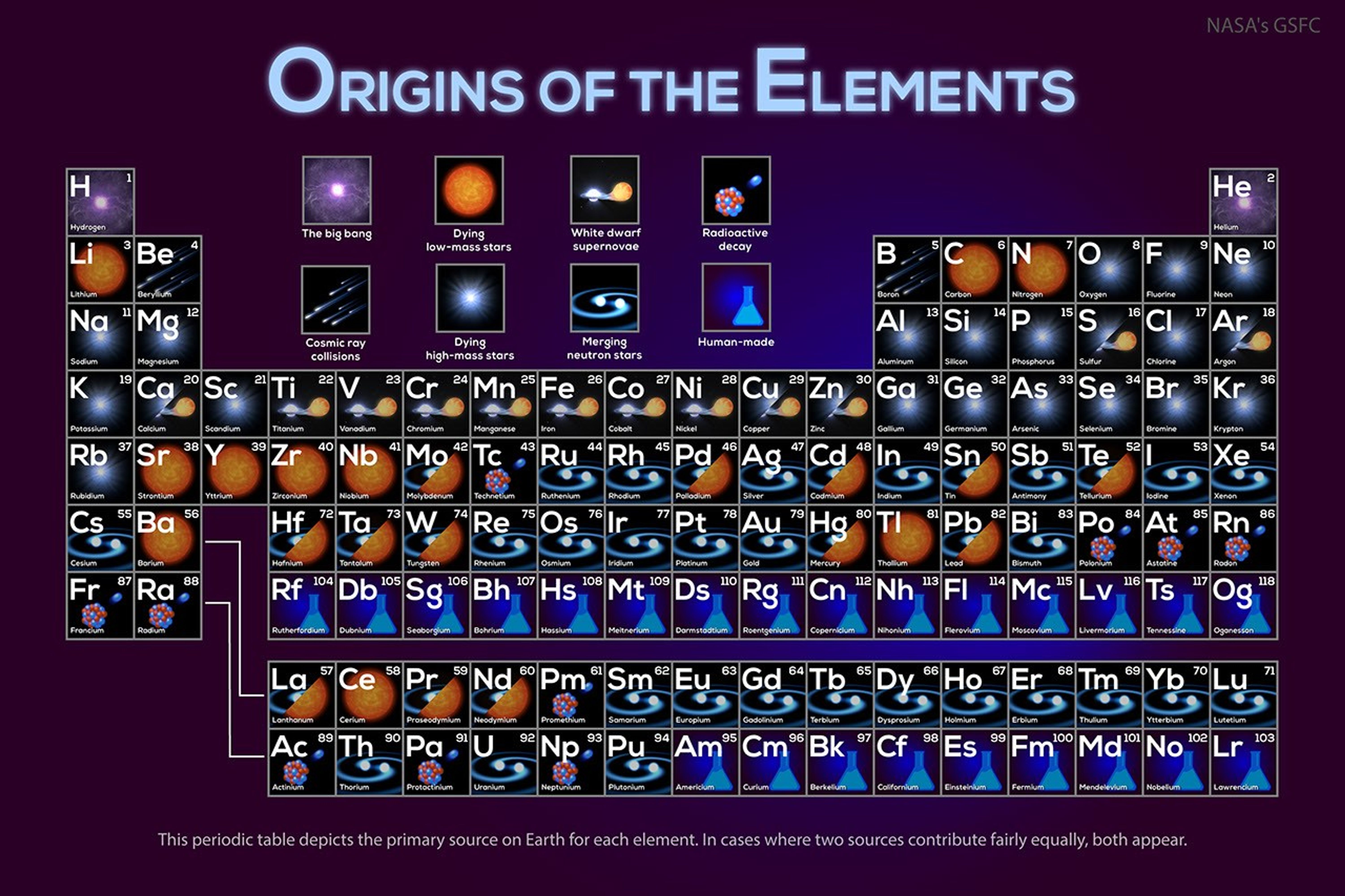
NASA's Astronomy Picture of the Day (APOD) for September 14, 2026 focuses on the origins of the chemical elements that make up the human body and all matter on Earth. The feature, part of NASA's long-running daily science communication series, presents an image or diagram accompanied by an explanation written by a professional astronomer. APOD aims to make complex astrophysical concepts accessible to the general public by connecting cosmic phenomena to everyday life. The September 14 edition highlights how elements are forged in stellar processes such as supernovae, neutron star mergers, and the Big Bang before becoming part of planets and living beings.

Read the full story at NASA

This is an AI-generated summary. ShortSingh links to the original source for the complete article.
Discussion (0)

Log in to join the discussion and vote.

Log in

Related stories

0
SpaceNASA ·

Fall Colors Arrive Early Across Nunavut's Tundra Landscapes

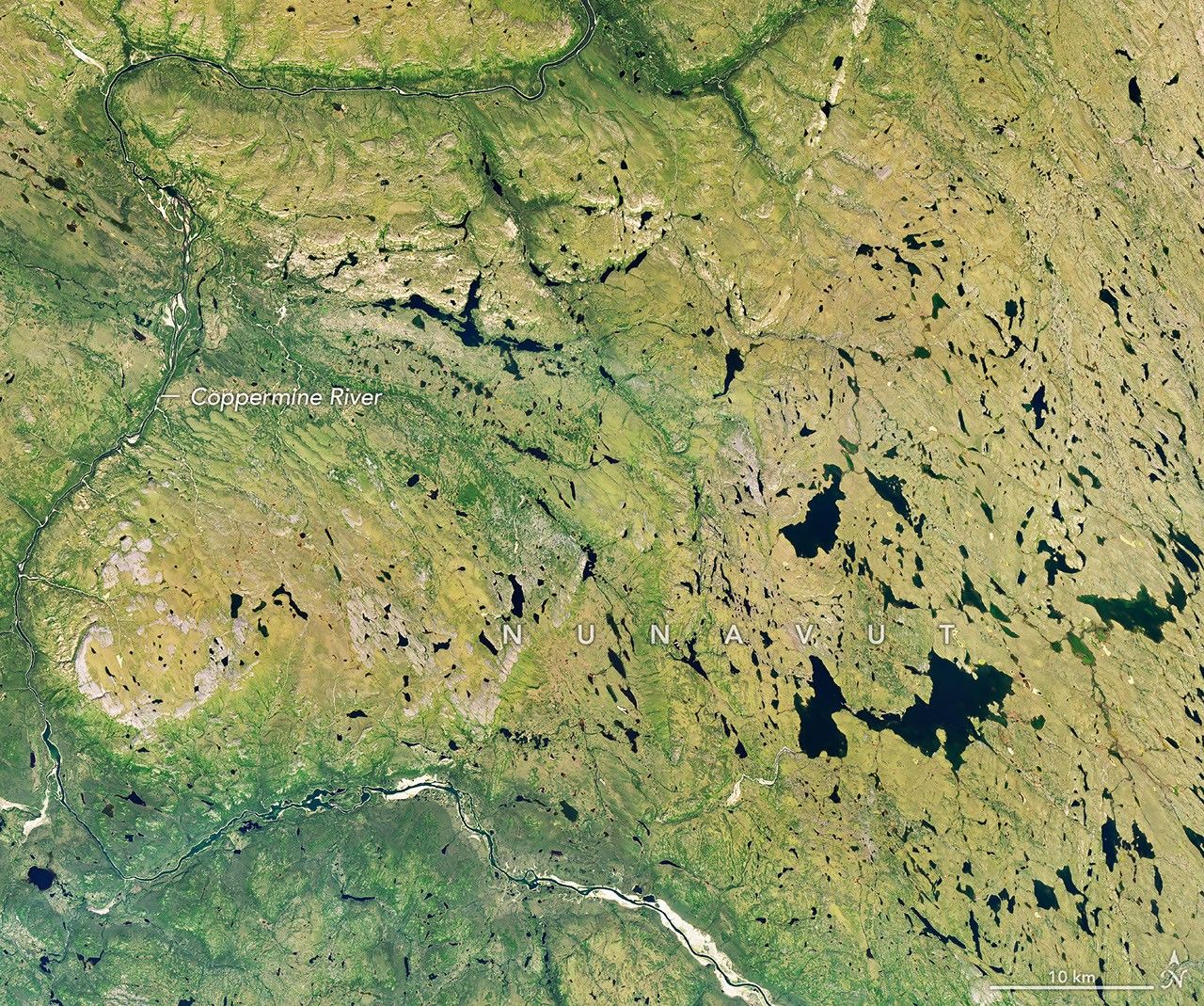
Vibrant autumn colors have begun spreading across tundra regions in Nunavut, Canada. NASA has captured early imagery showing reds, yellows, and oranges blanketing the landscape. The seasonal color change in this northern territory signals the onset of fall. Nunavut's tundra is among the first regions in North America to display autumn foliage each year due to its high-latitude climate.

0
SpaceNASA ·

NASA APOD Features Comet NEOWISE Rising Over the Adriatic Sea

NASA's Astronomy Picture of the Day (APOD) program featured an image of Comet NEOWISE rising over the Adriatic Sea on September 13, 2026. APOD is a long-running NASA initiative that showcases a different astronomical image or photograph each day. Each featured image is accompanied by an explanation written by a professional astronomer. The program aims to make astronomy accessible to the public by highlighting striking visuals of the universe. Comet NEOWISE, previously visible to the naked eye, has been a popular subject in astrophotography since its discovery.

0
SpaceNASA ·

NASA Invites Public to Help Verify Space Telescope Data via New Tool

NASA has launched a citizen science project called Artifact InSPECtor, inviting members of the public to help validate data collected by space telescopes. The initiative aims to distinguish genuine astronomical observations from image artifacts or errors in the data. Participants will contribute to missions including the Euclid telescope and NASA's upcoming Nancy Grace Roman Space Telescope. The project addresses a core challenge in space science: confirming that what telescopes capture hundreds of thousands of miles away reflects real cosmic phenomena. By crowdsourcing this verification process, NASA hopes to support these missions in answering fundamental questions about the universe.

0
SpaceNASA ·

NASA Chandra Observatory Captures Merging Galaxies in II Zw 096 System

NASA's Chandra X-ray Observatory released a new image on August 25, 2026, showing two galaxies rapidly merging within the II Zw 096 system. The image was part of a broader release featuring multiple galaxies selected for their visual and scientific interest. Chandra's X-ray data, highlighted in magenta, identifies intense black hole activity and superheated gas within the merging system. The release combined data from Chandra alongside observations from other telescopes to provide a more complete picture of the galaxies.

NASA APOD Explains the Cosmic Origins of the Elements in Your Body · ShortSingh