SShortSingh.
Back to feed

NASA Opens Media Accreditation for Northrop Grumman CRS-25 ISS Resupply Launch

0
·3 views
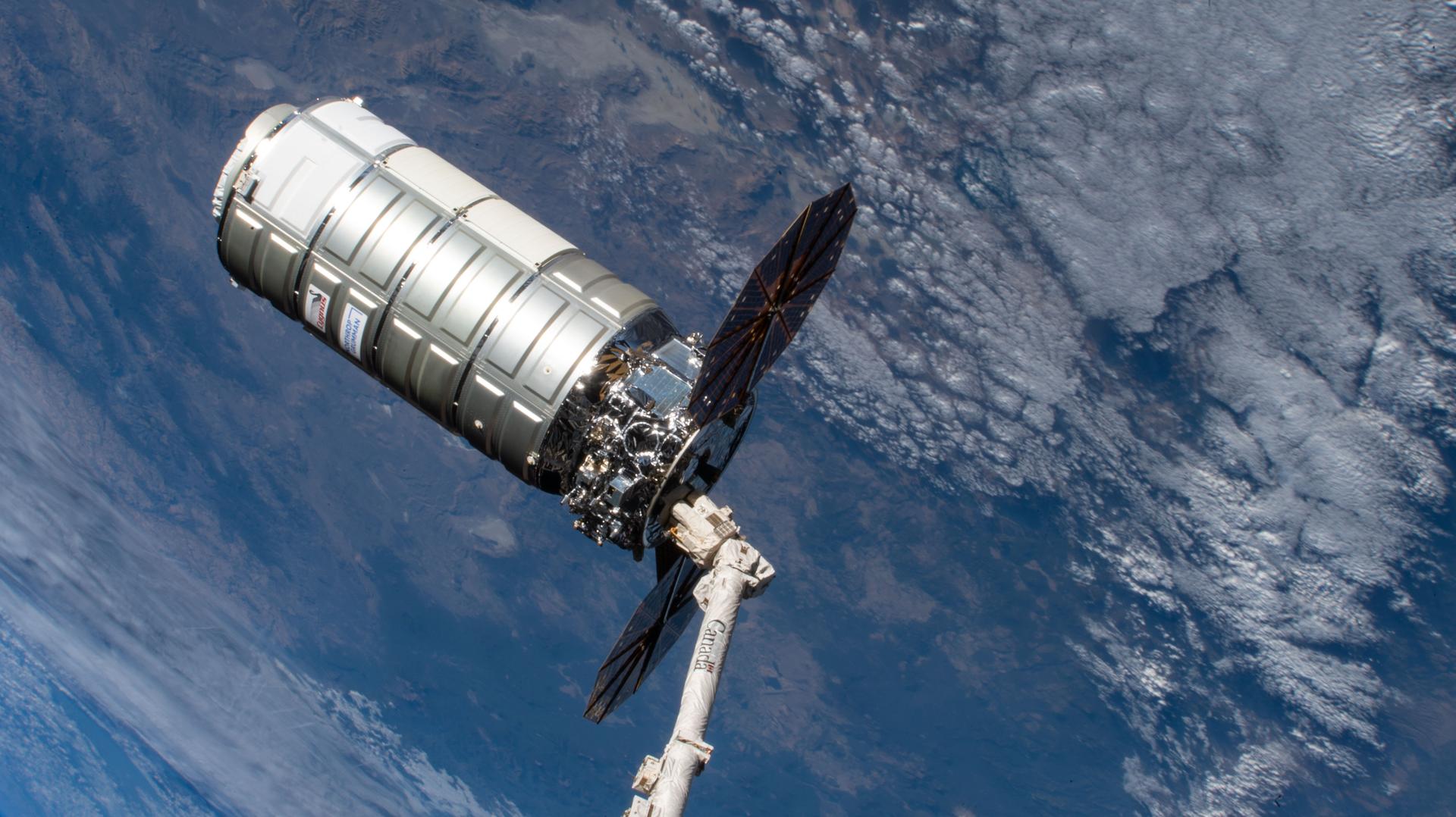
NASA has opened media accreditation for an upcoming mission that will deliver science investigations, supplies, and equipment to the International Space Station. The flight, designated Northrop Grumman Commercial Resupply Services 25, will carry a Cygnus XL spacecraft. The spacecraft is scheduled to launch in November aboard a SpaceX Falcon 9 rocket. The mission is part of NASA's commercial cargo program for keeping the orbiting laboratory stocked. Journalists interested in covering the launch can apply for accreditation through NASA.

Read the full story at NASA

This is an AI-generated summary. ShortSingh links to the original source for the complete article.
Discussion (0)

Log in to join the discussion and vote.

Log in

Related stories

0
SpaceNASA ·

Hubble Finds Much of the Expected Oxygen Missing in Nearby Dwarf Galaxies

NASA's Hubble Space Telescope examined 37 dwarf galaxies located near our own. The observations showed that a considerable portion of the oxygen that scientists anticipated finding in these galaxies is absent. The discrepancy has prompted researchers to investigate where the missing oxygen might be. The findings highlight an open question about how elements are distributed within small galaxies.

0
SpaceNASA ·

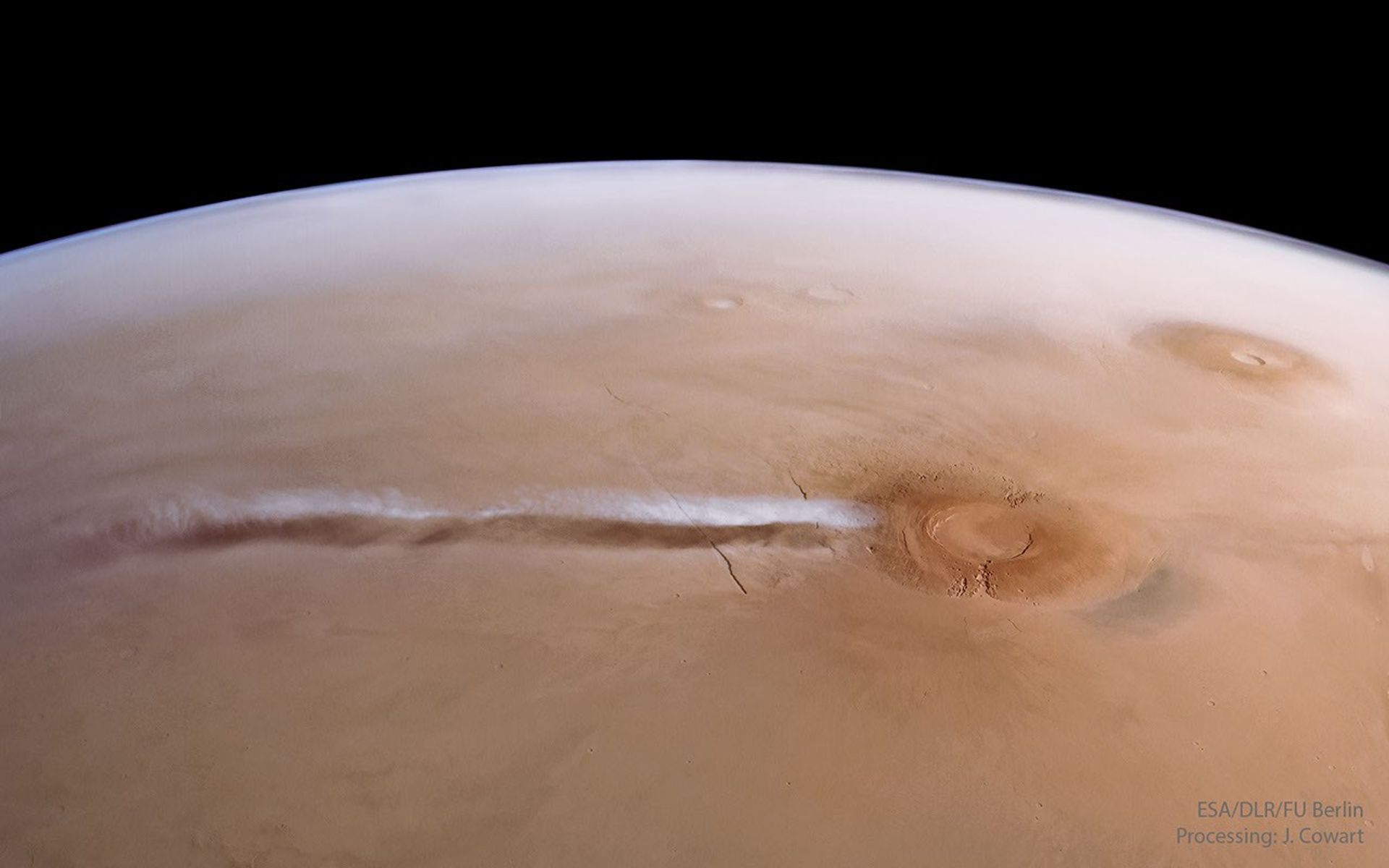
APOD: 2026 November 2 – A Long Cloud on Mars

APOD Science APOD APOD: 2026 November 2 – A… Today’s APOD Archive Submissions Index Search Calendar RSS Education About Discuss APOD Astronomy Picture of the Day Discover the cosmos! Each day a different image or photograph of our fascinating universe is featured, along with a brief explanation written by a professional astronomer. A Long […]

0
SpaceNASA ·

NASA's Astronomy Picture of the Day Features Colors of the Moon

NASA's Astronomy Picture of the Day for November 1, 2026 highlights a feature titled 'Colors of the Moon.' The daily series pairs a different image of the universe with a short explanation written by a professional astronomer. The source text provided is largely navigational content, so the specific details of the lunar image and its explanation are not included. Readers can view the full entry on NASA's APOD website for the complete description.