SShortSingh.
Back to feed

NASA Announces Key Events for MAX POWER Aerospace Expo at Kennedy Space Center

0
·2 views
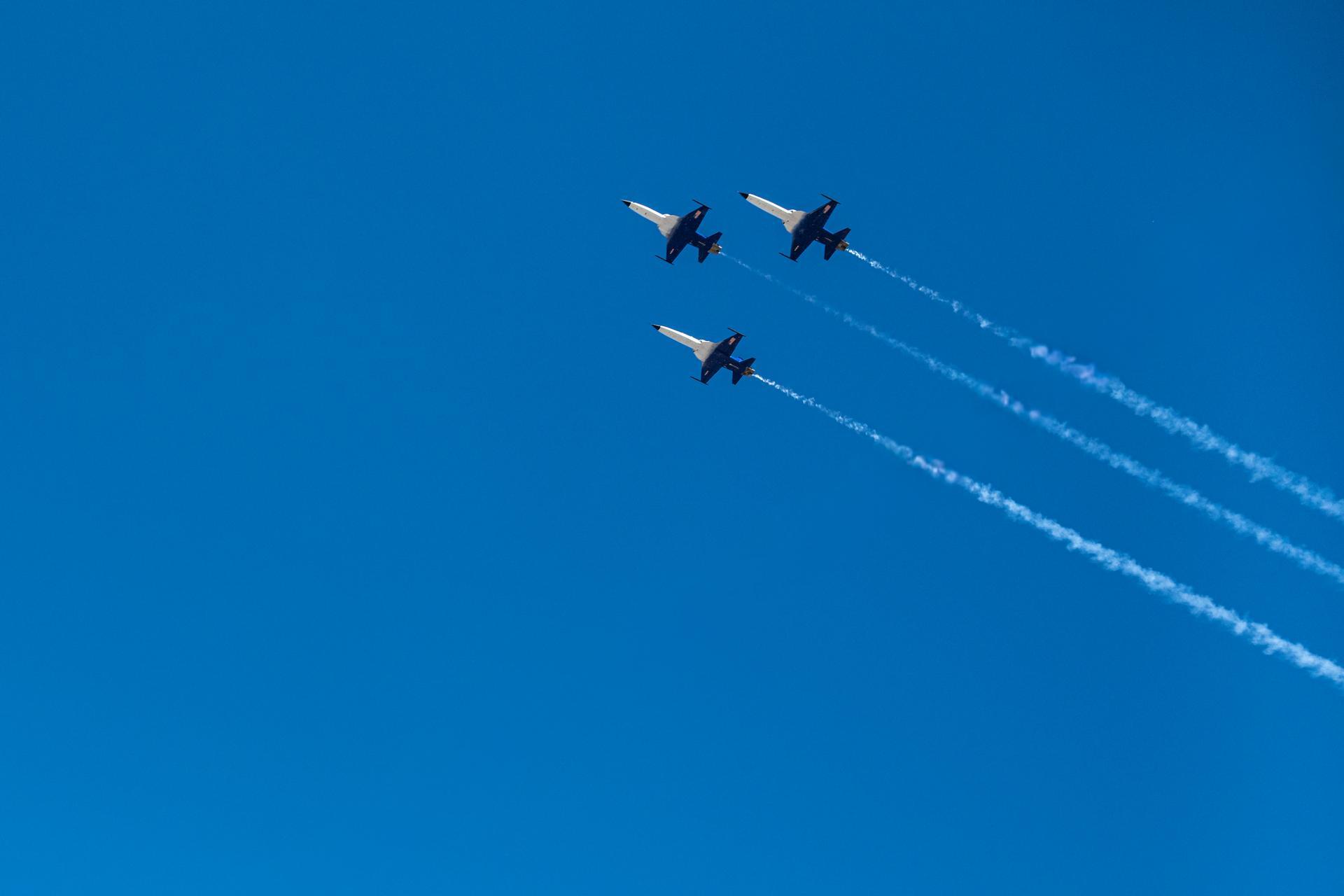
NASA has released the schedule of key events for MAX POWER, a new aerospace expo and air show. The event runs from Friday, November 6, through Sunday, November 8. It takes place on and near the agency's Kennedy Space Center in Florida. Multiple park experiences will feature NASA alongside a range of external partners. The announcement is aimed at media and event participants preparing to attend.

Read the full story at NASA

This is an AI-generated summary. ShortSingh links to the original source for the complete article.
Discussion (0)

Log in to join the discussion and vote.

Log in

Related stories

0
SpaceNASA ·

Webb Telescope Images Reveal Detailed Structures in the Cat's Head Nebula

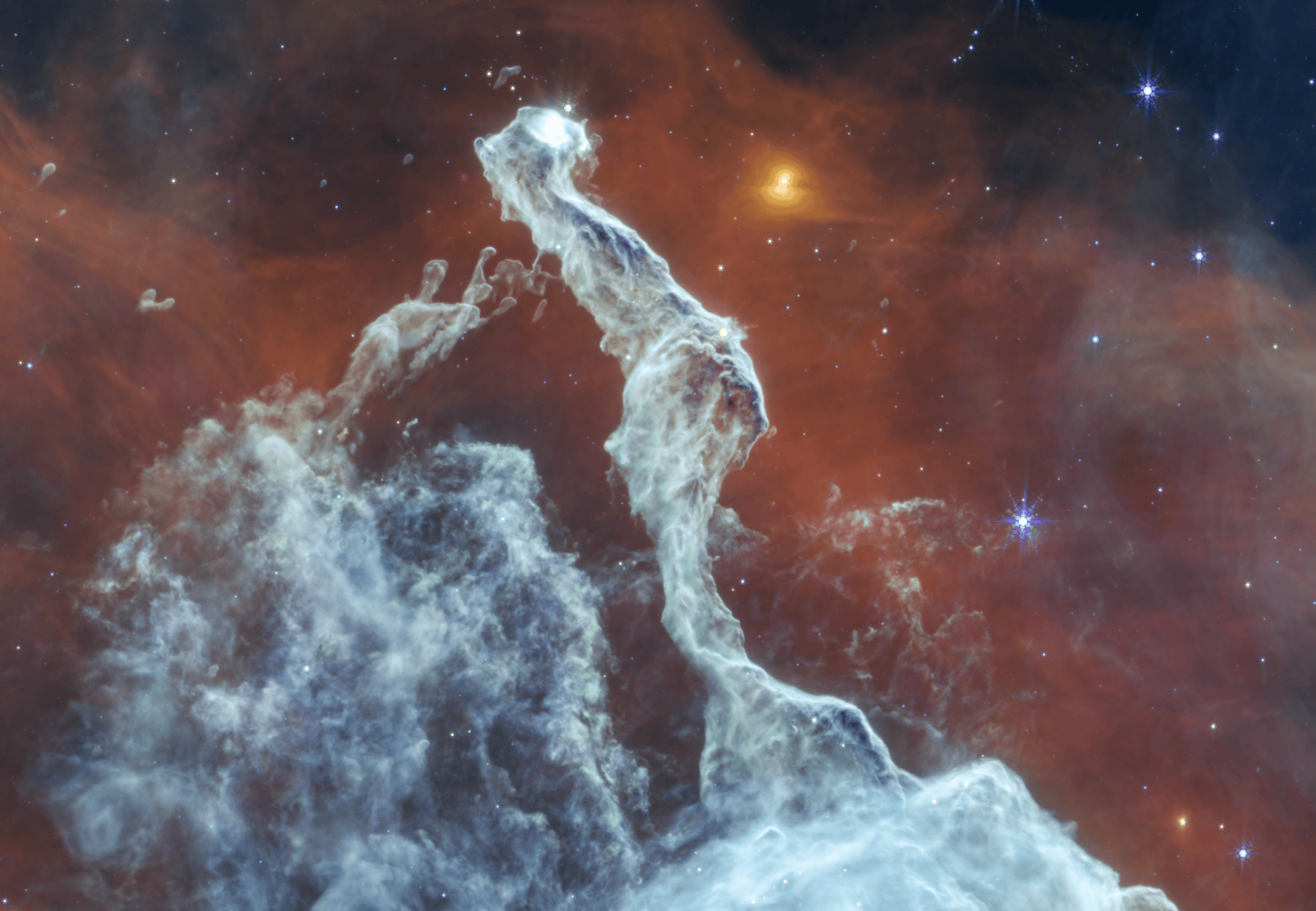
NASA's James Webb Space Telescope has released a mid-infrared image highlighting intricate structures within the Cat's Head Nebula. The release, dated October 29, 2026, shows the nebula's distinctive shape. Scientists believe that shape was gradually sculpted by intense ultraviolet radiation and stellar winds from massive stars in the nearby Carina Nebula. The process, known as stellar feedback, is a key factor in how such regions evolve over time.

0
SpaceNASA ·

NASA Seeks Industry Input on Commercial Servicing for Hubble Telescope

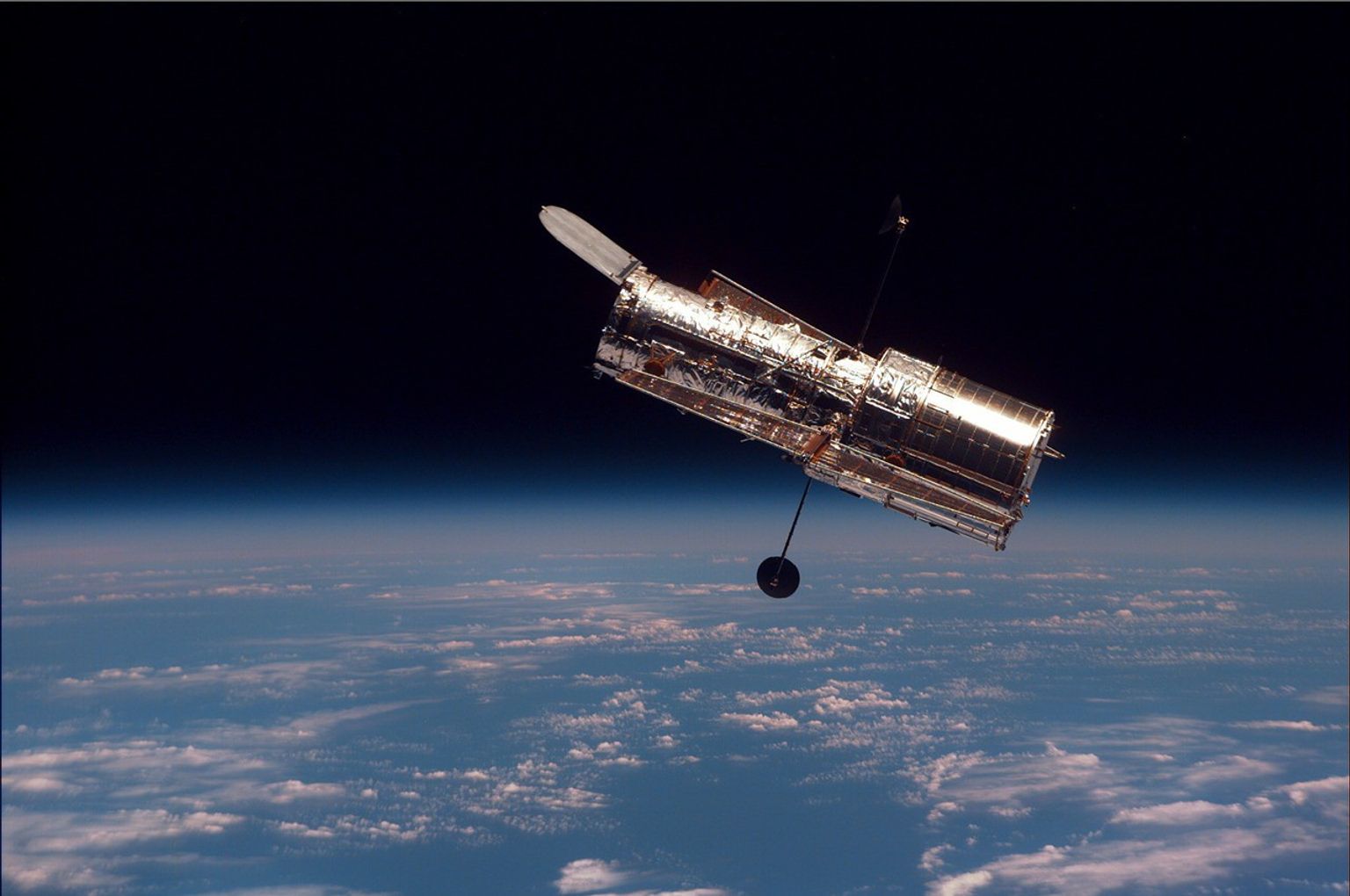
NASA released a Request for Information on October 29 to gauge what private companies can offer in in-space servicing. The agency is focused on supporting its Hubble Space Telescope, which orbits Earth. The notice is an exploratory step to learn about existing industry capabilities rather than a committed contract. Responses will help NASA assess whether commercial providers could maintain or service the aging observatory in orbit. The effort reflects growing interest in using private-sector spacecraft services for government science missions.

0
SpaceNASA ·

NASA's Voyager Twins Used a Rare Planetary Alignment to Tour the Giant Planets

In 1977 NASA launched the twin spacecraft Voyager 1 and Voyager 2. The missions took advantage of a planetary alignment that occurs roughly once every 175 years, involving Jupiter, Saturn, Uranus, and Neptune. By using six gravity assists between the planets, the Grand Tour enabled close-up observations of the gas and ice giants. The flybys also captured images and data on several of their moons. The article is part of NASA's November night sky notes series.

0
SpaceNASA ·

NASA's Astronomy Picture of the Day Features Haunting Image of Cepheus Flare

NASA's Astronomy Picture of the Day for October 30, 2026 spotlights a striking view of the Cepheus Flare region. The feature is part of the agency's long-running daily series that pairs a cosmic image with an explanation written by a professional astronomer. The article provided is only a partial excerpt, so specific details about the image's instruments, distances, and scientific context are not fully available here. The series aims to make the universe accessible to the public through visually compelling photography and clear explanations.