SShortSingh.
Back to feed

Marine Veteran Jaden Caradine Finds Engineering Path Through NASA Internship

0
·1 views

Jaden Caradine, who first developed a passion for engineering at age eight, pursued a non-traditional route to the field before eventually enrolling at Embry-Riddle Aeronautical University. His journey included a stint in the Marine Corps before he transitioned into aerospace studies. Caradine secured a Pathways internship at NASA's Langley Research Center in Hampton, Virginia, marking a significant milestone in his engineering career. The Pathways program provides students and recent graduates with opportunities to work within federal agencies like NASA. Caradine's story highlights how military service and academic persistence can converge into a career in aerospace.

Read the full story at NASA

This is an AI-generated summary. ShortSingh links to the original source for the complete article.
Discussion (0)

Log in to join the discussion and vote.

Log in

Related stories

0
SpaceNASA ·

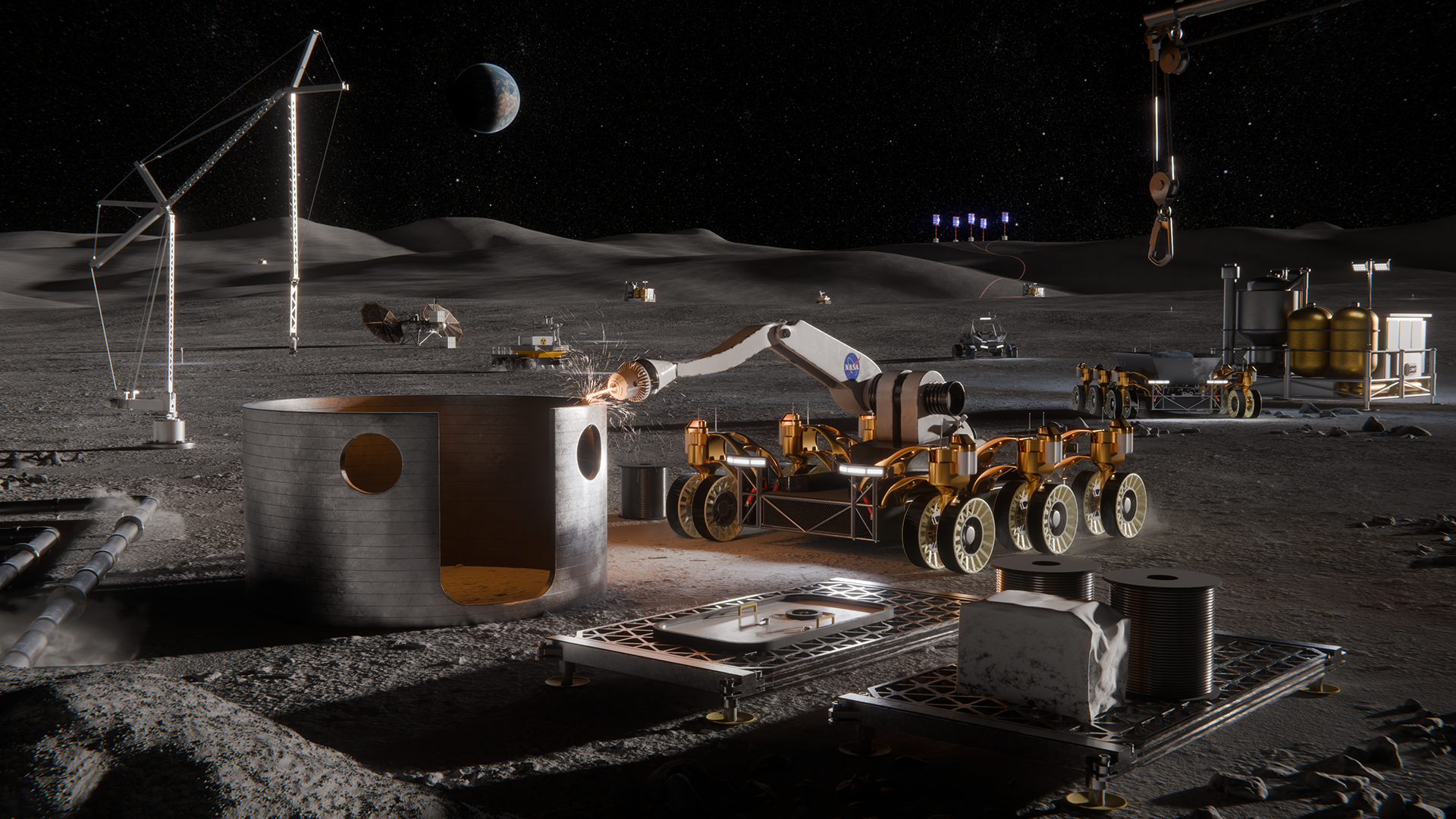
NASA Seeks Proposals to Develop Key Technologies for Lunar South Pole Base

NASA has issued a call for proposals aimed at advancing technologies needed to explore the Moon and build a permanent base near the lunar South Pole. The solicitation was announced on Tuesday, September 8, and targets critical capability gaps in lunar infrastructure. Key areas of focus include power generation, oxygen extraction, and the production of construction materials directly on the Moon. These developments are intended to support long-term human presence and operations on the lunar surface.

0
SpaceNASA ·

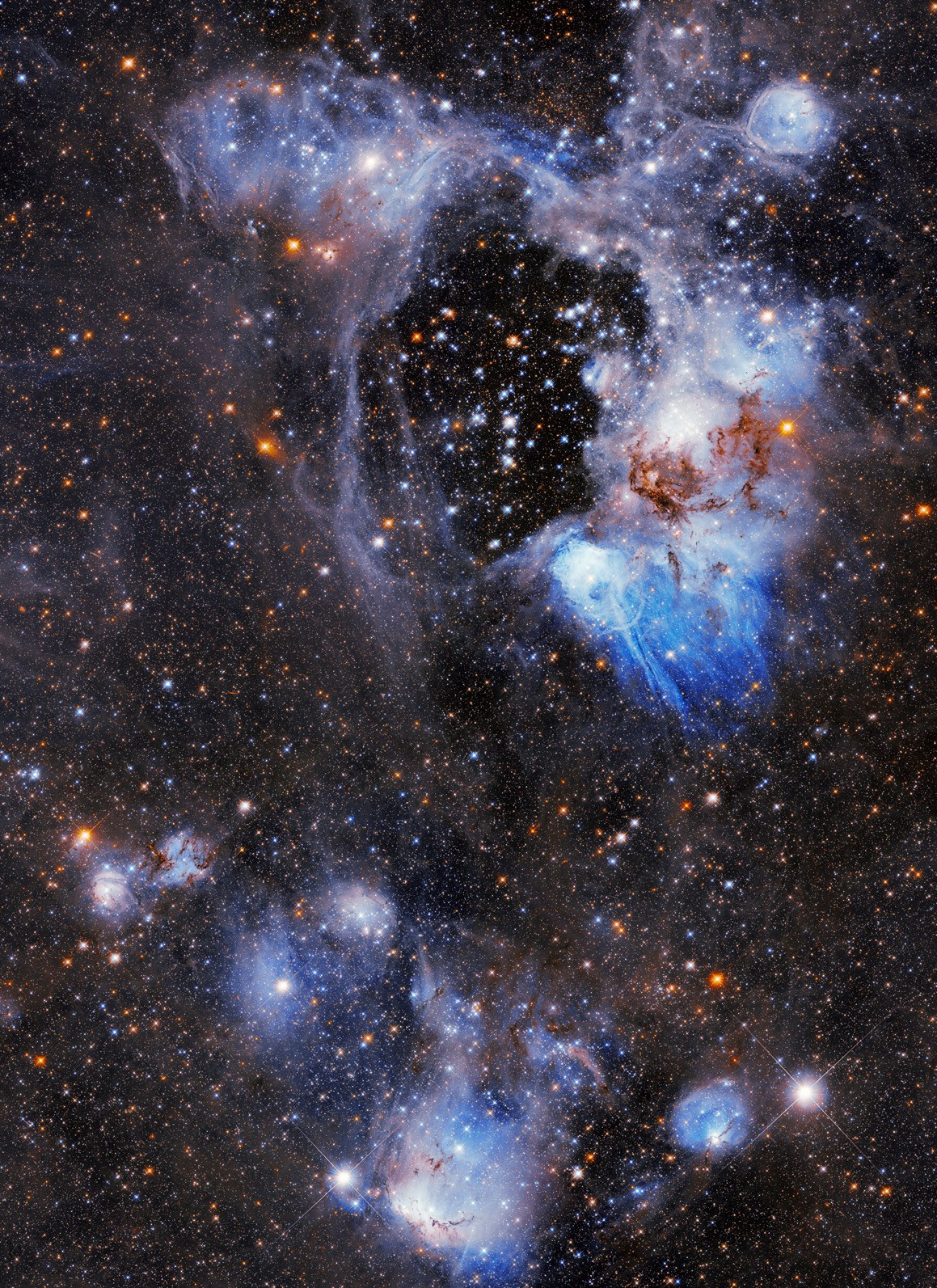
Hubble Captures Stunning Superbubble Nebula in Large Magellanic Cloud

NASA's Hubble Space Telescope photographed nebula N44 in the Large Magellanic Cloud on September 3, 2026. The nebula is defined by two prominent structures: a large central cavity and a surrounding shell of dense, dusty gas. The central cavity, known as a superbubble, measures approximately 210 by 140 light-years in size. N44 also features clusters of bright stars that contribute to its visually striking appearance.

0
SpaceNASA ·

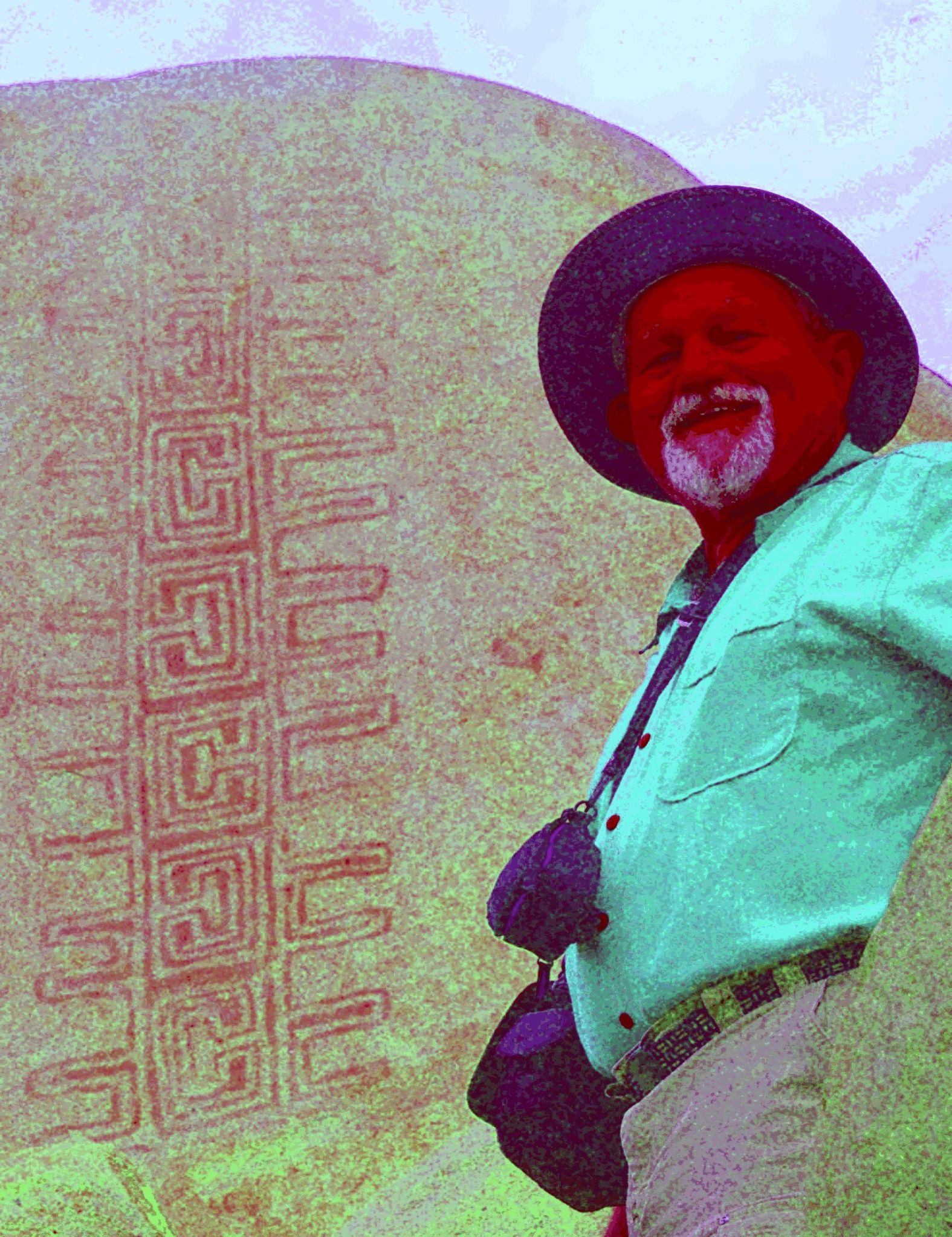
NASA Satellite Image Algorithm Adapted to Reveal Hidden Ancient Artwork

A computational technique originally developed by NASA for processing satellite imagery is now being applied to the study of ancient visual artifacts. The algorithm enhances and clarifies details in historical images that would otherwise remain difficult or impossible to discern with the naked eye. Researchers have repurposed the technology to uncover hidden or degraded elements in ancient artwork, manuscripts, or archaeological records. The adaptation represents a significant crossover between modern space technology and the field of historical and archaeological research.

0
SpaceNASA ·

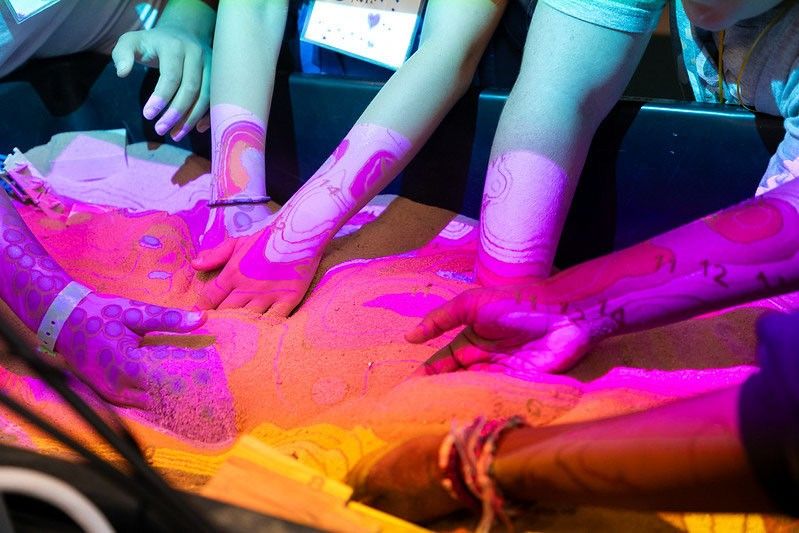
NASA Sea Level Science Draws 1,000 Visitors on World Ocean Day

More than 1,000 people engaged with NASA sea level research at a special World Ocean Day event on June 6, 2026. The event was held at the University of Georgia Aquarium, located on Skidaway Island. Visitors had the opportunity to explore NASA's ocean science work firsthand. The occasion aligned with the globally observed World Ocean Day, highlighting public interest in ocean and climate research.

Marine Veteran Jaden Caradine Finds Engineering Path Through NASA Internship · ShortSingh