SShortSingh.
Back to feed

Low Cloud Layer Blankets Western Washington and Oregon Coast

0
·1 views

A dense low-lying cloud formation recently settled over western Washington and Oregon, creating a distinct autumnal atmosphere across the region. The cloud cover was largely confined to lower elevations, leaving coastal mountain areas rising visibly above the overcast layer. NASA captured imagery highlighting the contrast between the cloud-covered lowlands and the clearer, elevated terrain. The phenomenon is typical of autumn weather patterns in the Pacific Northwest, where marine air and cooling temperatures often produce widespread low cloud or fog.

Read the full story at NASA

This is an AI-generated summary. ShortSingh links to the original source for the complete article.

Discussion (0)

Log in to join the discussion and vote.

Log in

Related stories

0
SpaceNASA ·

NASA APOD Highlights Remnants of Five Ancient Supernovas in Deep Space Image

NASA's Astronomy Picture of the Day (APOD) for September 24, 2026 features an image showcasing the remnants of five supernovas, described as ghostly structures in deep space. APOD is a long-running NASA initiative that publishes a new astronomical image or photograph each day, accompanied by an explanation from a professional astronomer. The featured image highlights the lingering traces left behind after massive stellar explosions, offering a visual record of past cosmic events. Such supernova remnants are scientifically significant as they provide insight into the life cycles of stars and the dispersal of elements across the universe.

0
SpaceNASA ·

NASA Develops New Technology to Cut Flight Delays and Improve Air Travel

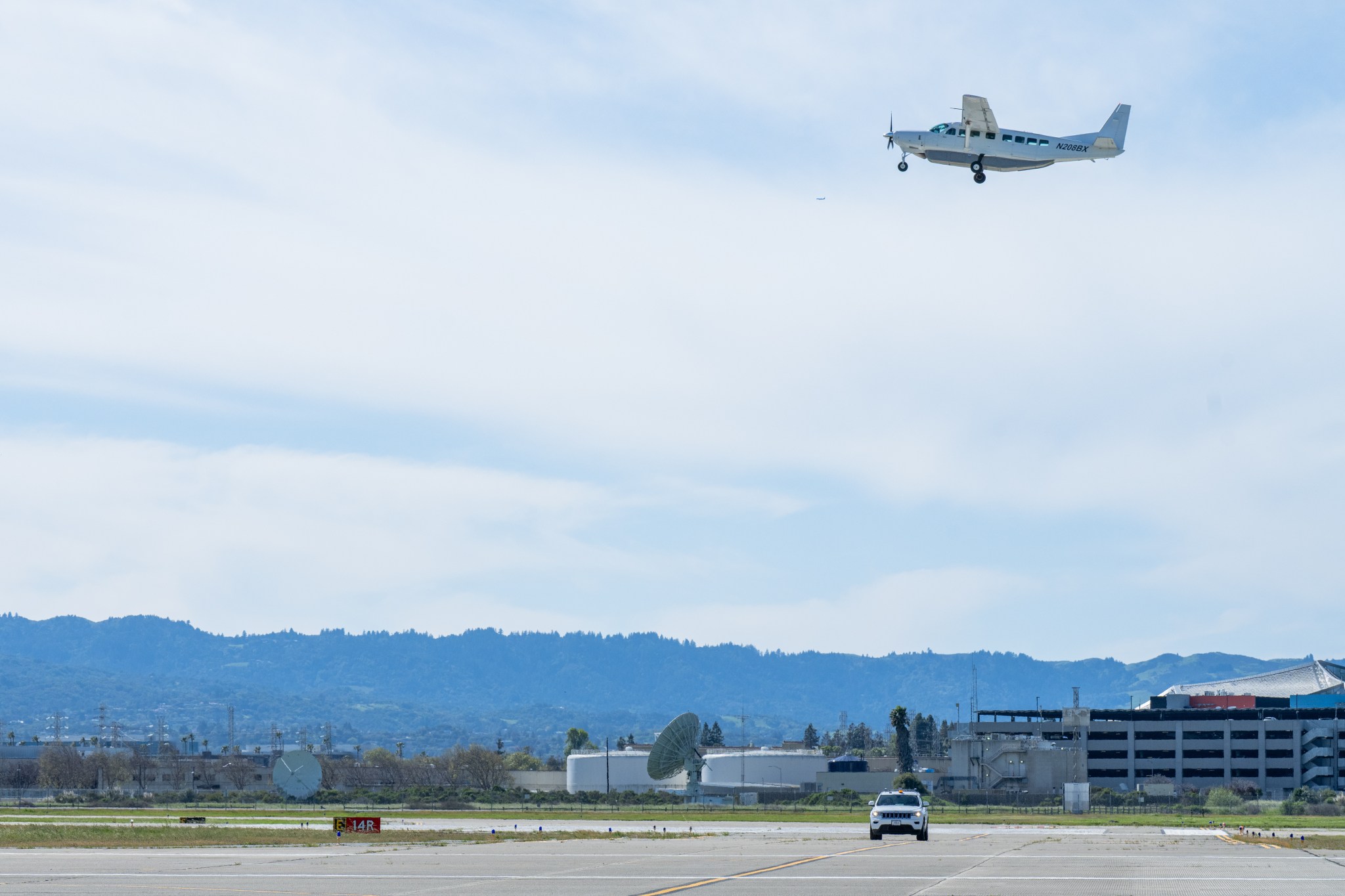
NASA researchers are working to modernize commercial airline systems with the goal of reducing flight delays and improving overall air travel efficiency. The initiative addresses common passenger frustrations such as tarmac delays and holding patterns that push back arrival times. NASA's work focuses on upgrading the technologies and processes that govern how commercial flights operate from takeoff to landing. The effort reflects a broader push to bring innovation to civilian aviation infrastructure. By improving these systems, NASA aims to make air travel more reliable and punctual for everyday passengers.

0
SpaceNASA ·

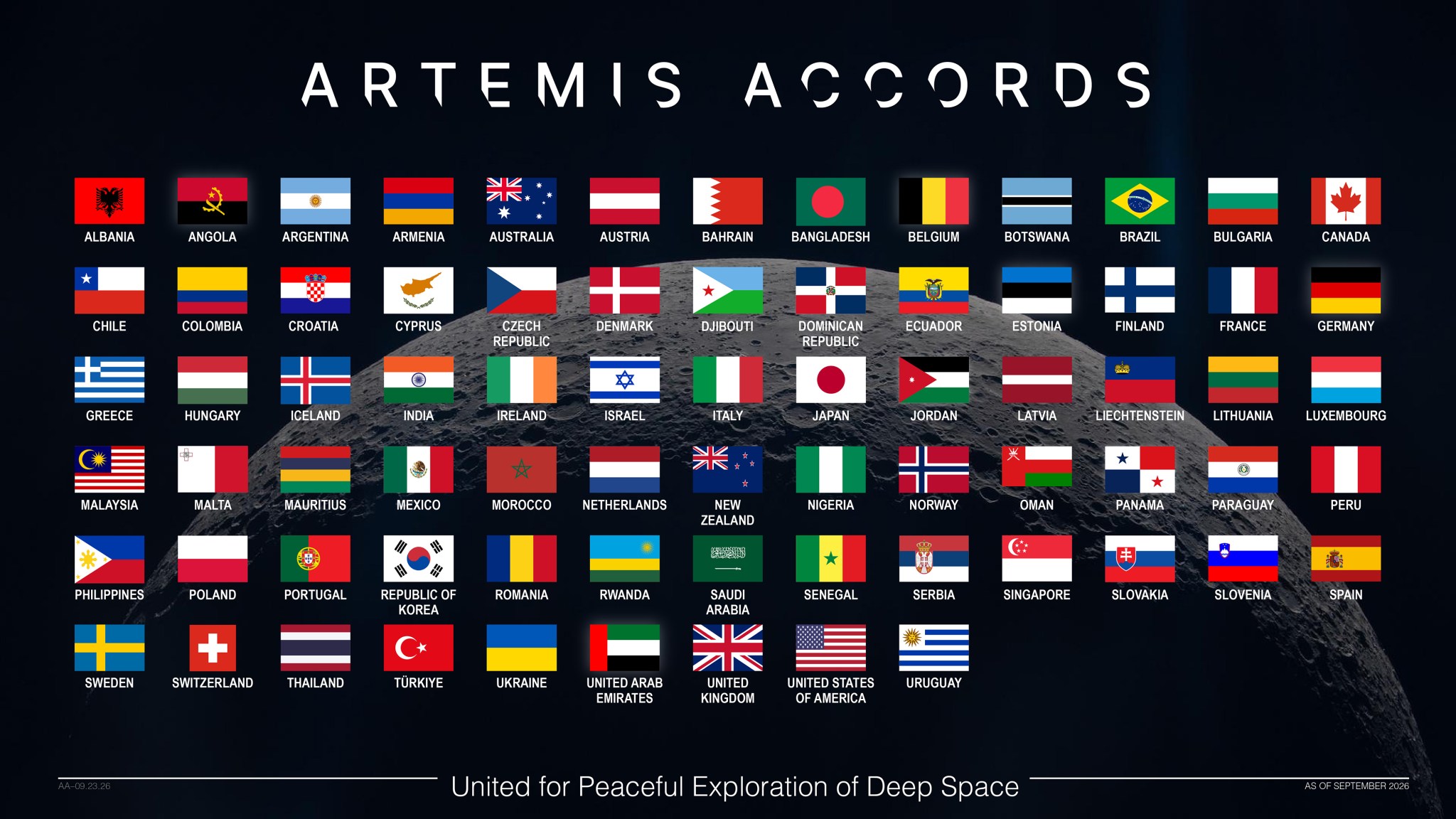
Croatia Becomes 74th Nation to Sign NASA's Artemis Accords

Croatia officially joined the Artemis Accords on Wednesday, becoming the 74th country to sign the international space cooperation agreement. The signing ceremony took place in Zagreb, Croatia's capital city. Representatives from NASA and the U.S. Department of State were present at the event. NASA Deputy Matt Anderson welcomed Croatia's participation in the accords. The Artemis Accords establish shared principles for peaceful and transparent civil space exploration.

0
SpaceNASA ·

NASA Picks PRIMA Far-Infrared Telescope as First Probe Explorer Mission

NASA announced on Wednesday that PRIMA, the PRobe far-Infrared Mission for Astrophysics, has been selected to advance to the next phase of development. The space telescope is designed to study the history and evolution of the universe using far-infrared observations. PRIMA holds the distinction of being the first mission chosen under a newly created category called Probe Explorers, part of NASA's long-running Explorers Program. The selection marks a significant step forward in expanding NASA's astrophysics capabilities with a new tier of missions.

Low Cloud Layer Blankets Western Washington and Oregon Coast · ShortSingh