SShortSingh.
Back to feed

CHAPEA Mission 2 Crew Exits Simulated Mars Habitat After 378 Days

0
·1 views
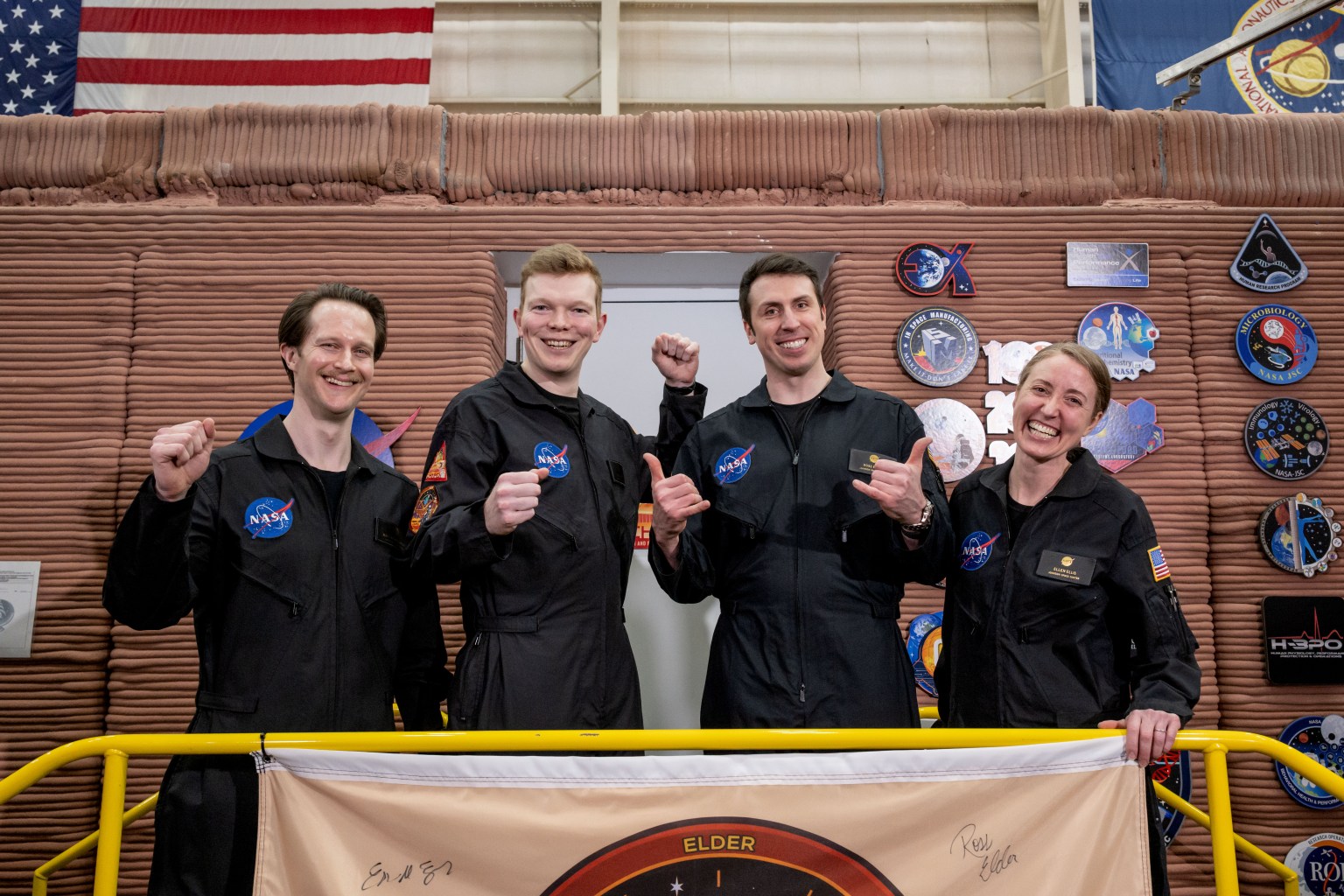
Four research volunteers emerged from NASA's Mars Dune Alpha habitat on October 31, ending the agency's second yearlong Mars surface simulation. The crew spent 378 days inside the roughly 1,700-square-foot, 3D-printed facility without windows, outside sounds, or real-time contact with family and friends. The volunteers, identified as Ross Elder, Ellen Ellis, James Spicer, and Matthew Montgomery, took part in the study to help NASA understand how people might cope with the isolation and confinement of a future crewed mission to Mars. The article reflects on their experience as they returned to the outside world.

Read the full story at NASA

This is an AI-generated summary. ShortSingh links to the original source for the complete article.
Discussion (0)

Log in to join the discussion and vote.

Log in

Related stories

0
SpaceNASA ·

NASA Astronomy Picture of the Day Features Rigel and the Witch Head Nebula

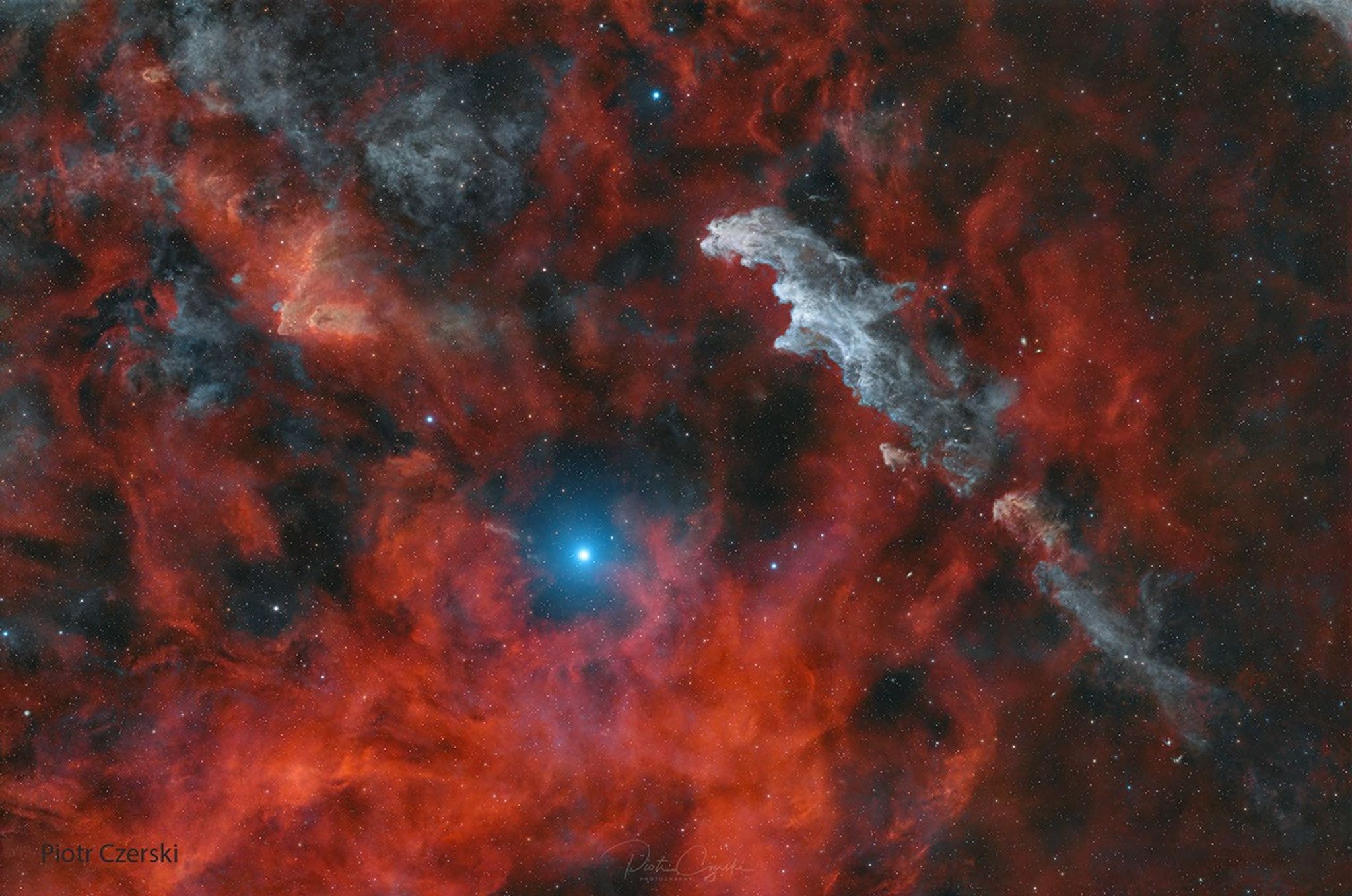
NASA's Astronomy Picture of the Day for November 9, 2026 showcases the bright star Rigel alongside the Witch Head Nebula. The image is part of NASA's daily series that pairs a striking view of the universe with a brief explanation written by a professional astronomer. The Astronomy Picture of the Day program has been running as an educational resource for public audiences interested in space. The archive of past images is searchable and accessible through NASA's website, along with calendar and RSS options.

0
SpaceNASA ·

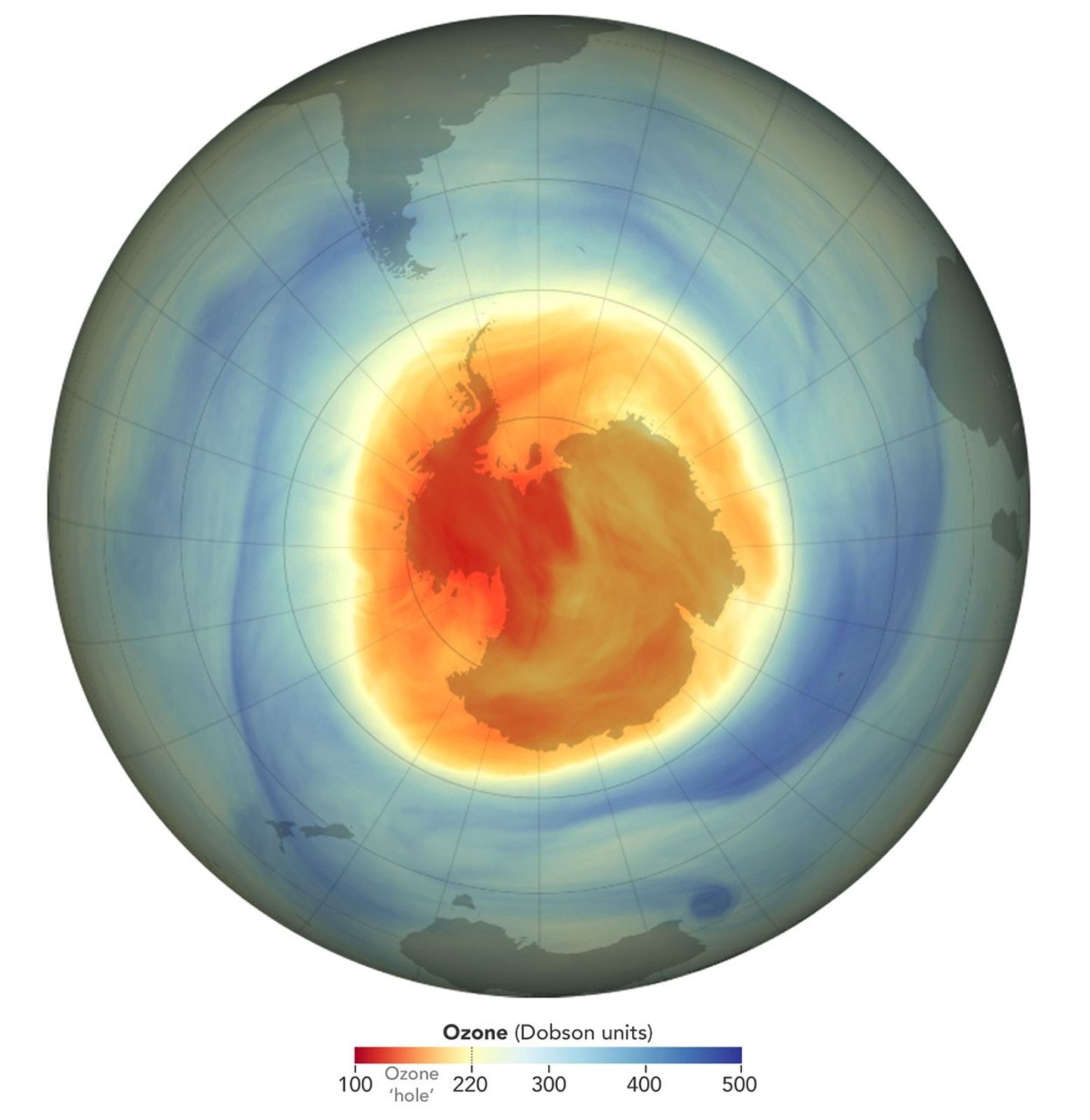
2026 Ozone Hole Reaches Its Annual Maximum, Ranking Seventh Largest on Record

NASA reports that the ozone hole reached its 2026 maximum size. It ranks seventh largest by area among the 48 years of monitoring data. However, the hole was not as deep as several other large holes recorded in the past. The source material does not provide further details on the measurements or causes behind this year's hole. The findings highlight that size and depth of the ozone hole can vary independently from one year to the next.

0
SpaceNASA ·

NASA Launches $1 Million Student Challenge for Moon Base Designs

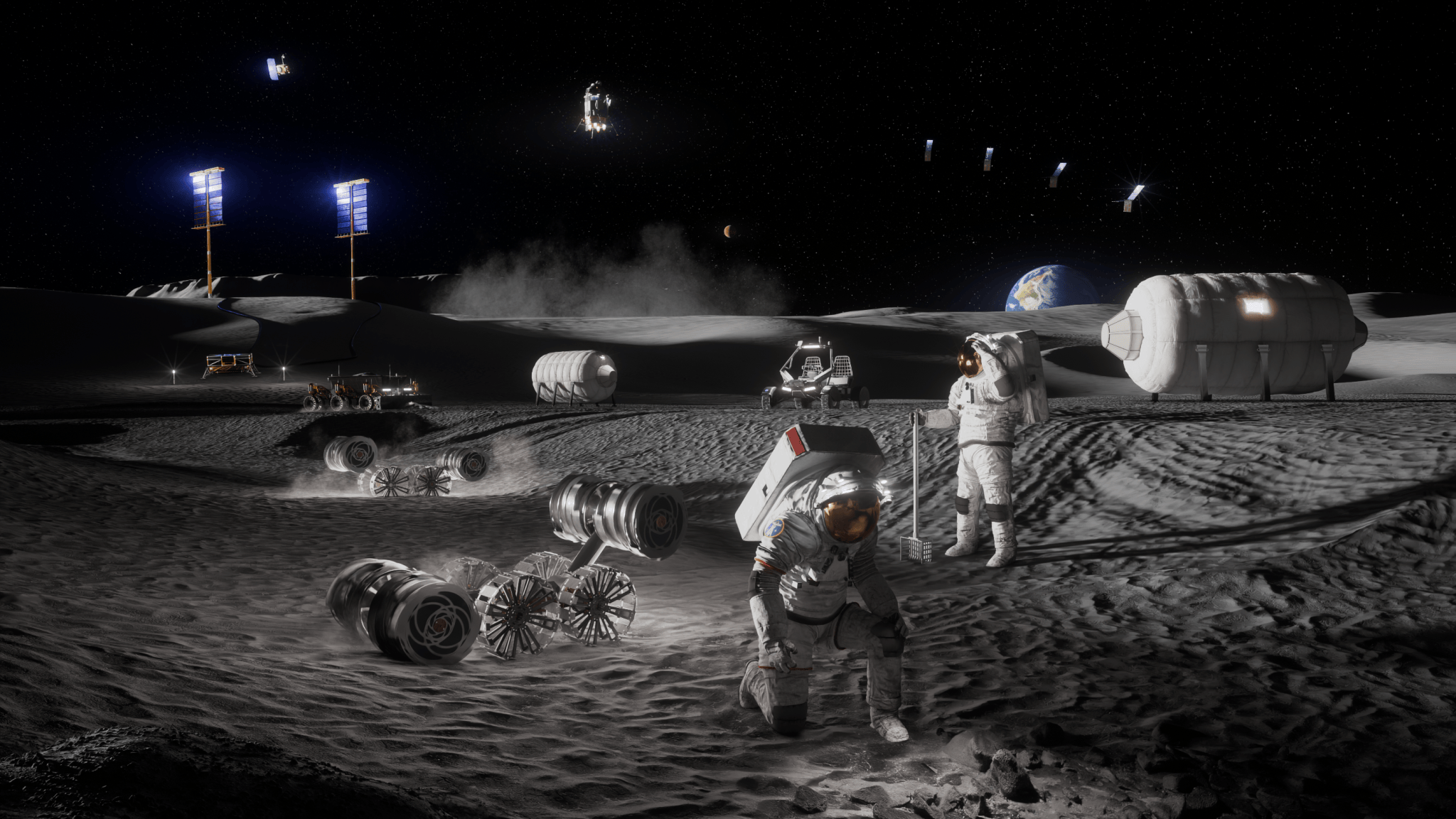
NASA opened its $1 million Moon Base Student Challenge on a Sunday during a MAX POWER event at the Kennedy Space Center Visitor Complex in Florida. The competition is open to student teams at U.S. high schools and post-secondary institutions. Participants are invited to submit designs for a future base on the Moon. The initiative is framed as part of NASA's broader Golden Age of Science. The article excerpt is truncated, so further details about judging and timelines are not included.

0
SpaceNASA ·

NASA Astronomy Picture of the Day Features a Major Fireball Meteor

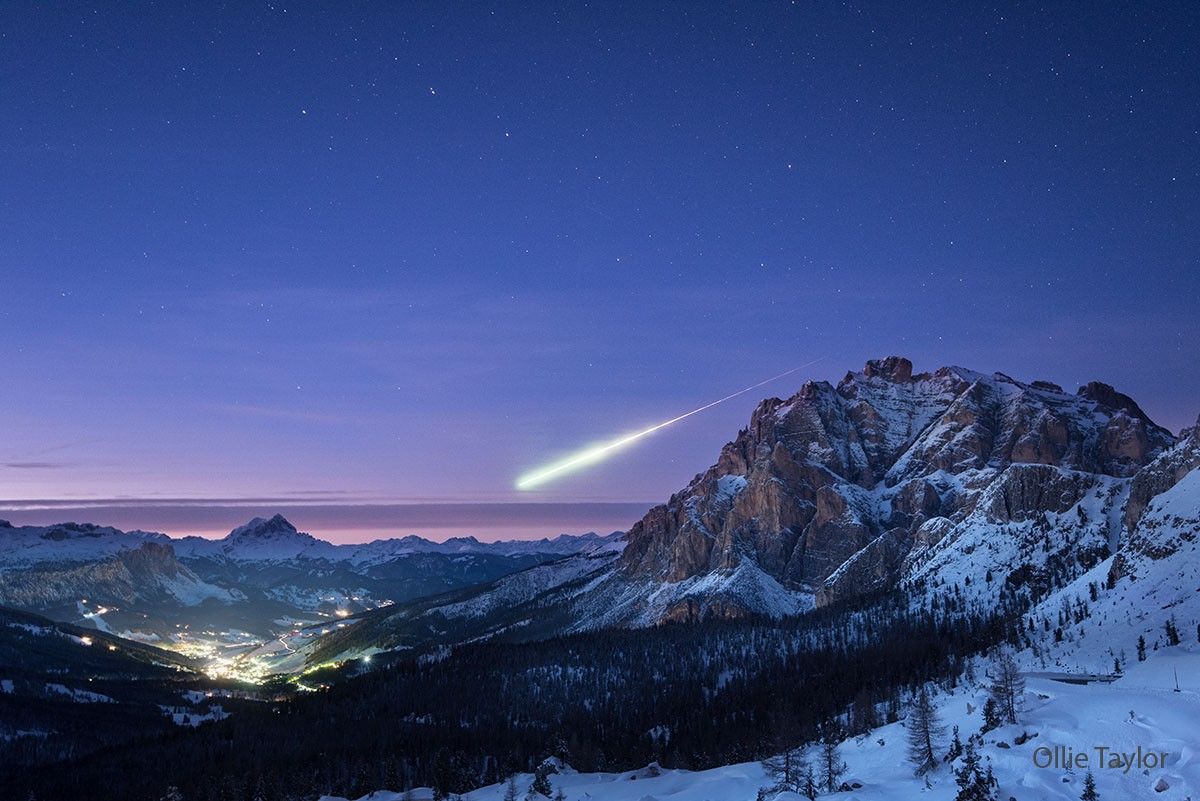
NASA's Astronomy Picture of the Day for November 8, 2026 showcases an image of a major fireball meteor. The featured entry is part of the daily APOD series, which pairs each image with a short explanation written by a professional astronomer. The source text provided is largely navigation and site boilerplate, so specific details such as the meteor's location, time, and brightness are not available here. The item highlights a notable bright meteor event captured for public education about the cosmos.