SShortSingh.
Back to feed

Hubble Telescope Reveals Star Formation in Andromeda Galaxy in 500M-Year Decline
0
·13 views

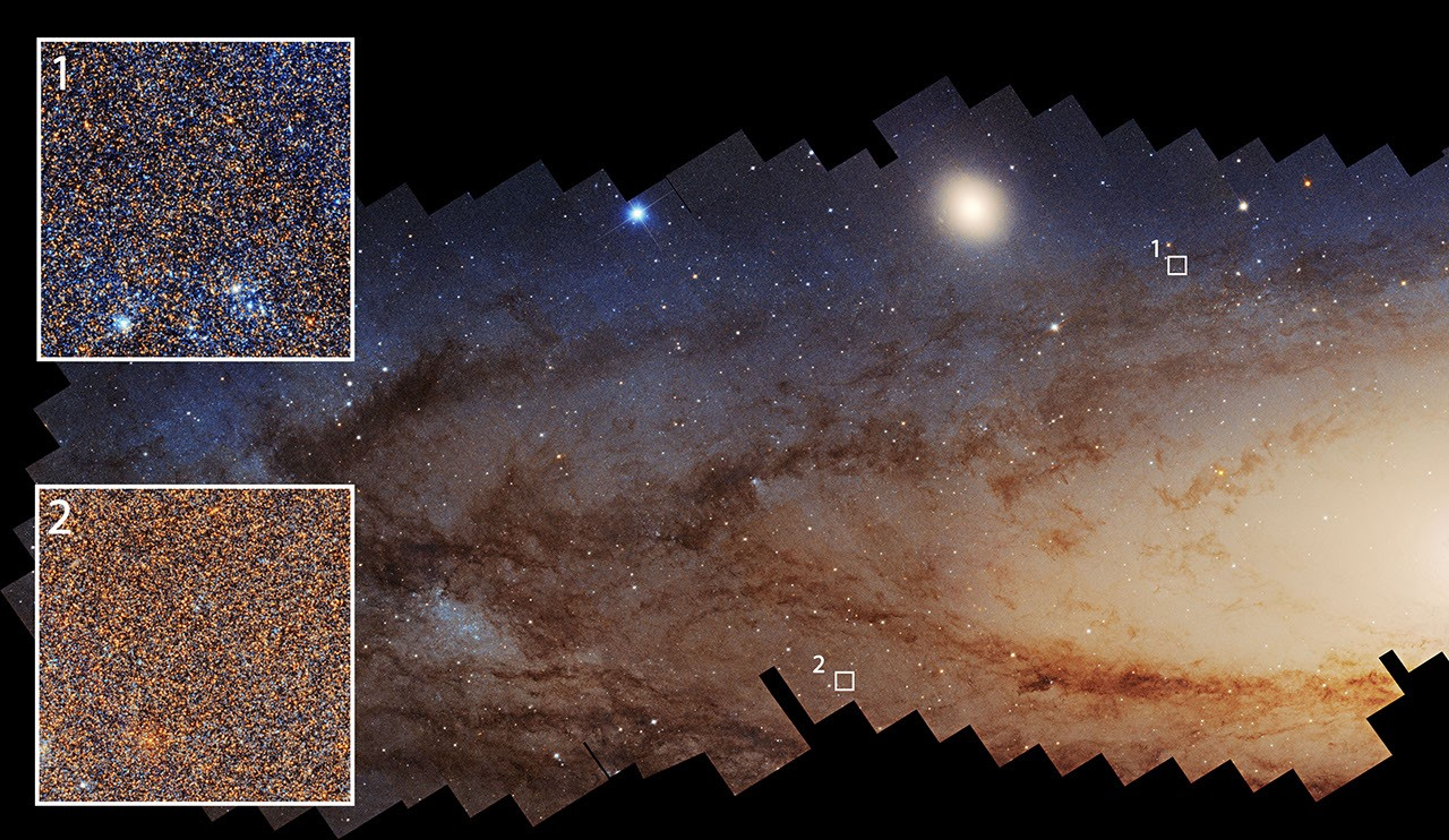
NASA's Hubble Space Telescope has uncovered evidence that star formation in the Andromeda galaxy has been steadily declining over the past 500 million years. Andromeda, the nearest large spiral galaxy to our Milky Way, appears to be gradually winding down its stellar birth activity. The findings were made possible through Hubble's powerful observational capabilities, which allow scientists to study galactic evolution in detail. This prolonged decline suggests that Andromeda may eventually cease producing new stars altogether. The discovery offers valuable insights into the life cycles of galaxies and the long-term fate of our cosmic neighborhood.

Read the full story at NASA

This is an AI-generated summary. ShortSingh links to the original source for the complete article.

Discussion (0)

Log in to join the discussion and vote.

Log in

Related stories

0
SpaceNASA ·

NASA Tests Lunar Landing Guidance System Using Drone in California

NASA researchers from Johnson Space Center in Houston have developed an advanced guidance and navigation system called SPLICE, which stands for Safe and Precise Landing – Integrated Capabilities Evolution. The technology was tested using an Alta-X drone near NASA's Armstrong Flight Research Center in Edwards, California, on August 27, 2026. The experiment successfully simulated a lunar descent scenario, demonstrating the system's potential for future Moon landings. SPLICE is designed to enable safer and more precise landings on the Moon and potentially other celestial bodies.

0
SpaceNASA ·

US-India Satellite Films Lava Spreading from Kamchatka Volcano After 8.8 Quake

A joint US-India Earth observation satellite captured time-lapse footage of an eruption at Krasheninnikov, a twin volcano located on Russia's Kamchatka Peninsula along the Pacific coast. The volcanic activity appears to have been triggered by a powerful 8.8-magnitude earthquake that struck the nearby ocean on July 30, 2025. The quake seemingly reawakened one of the two volcanoes in the pair, which had not erupted for some time. Lava was observed spreading outward from the volcano's northern crater following the seismic event.

0
SpaceNASA ·

NASA Crew-13 Mission to Study Blood Flow, Vision, and Piloting Skills in Space

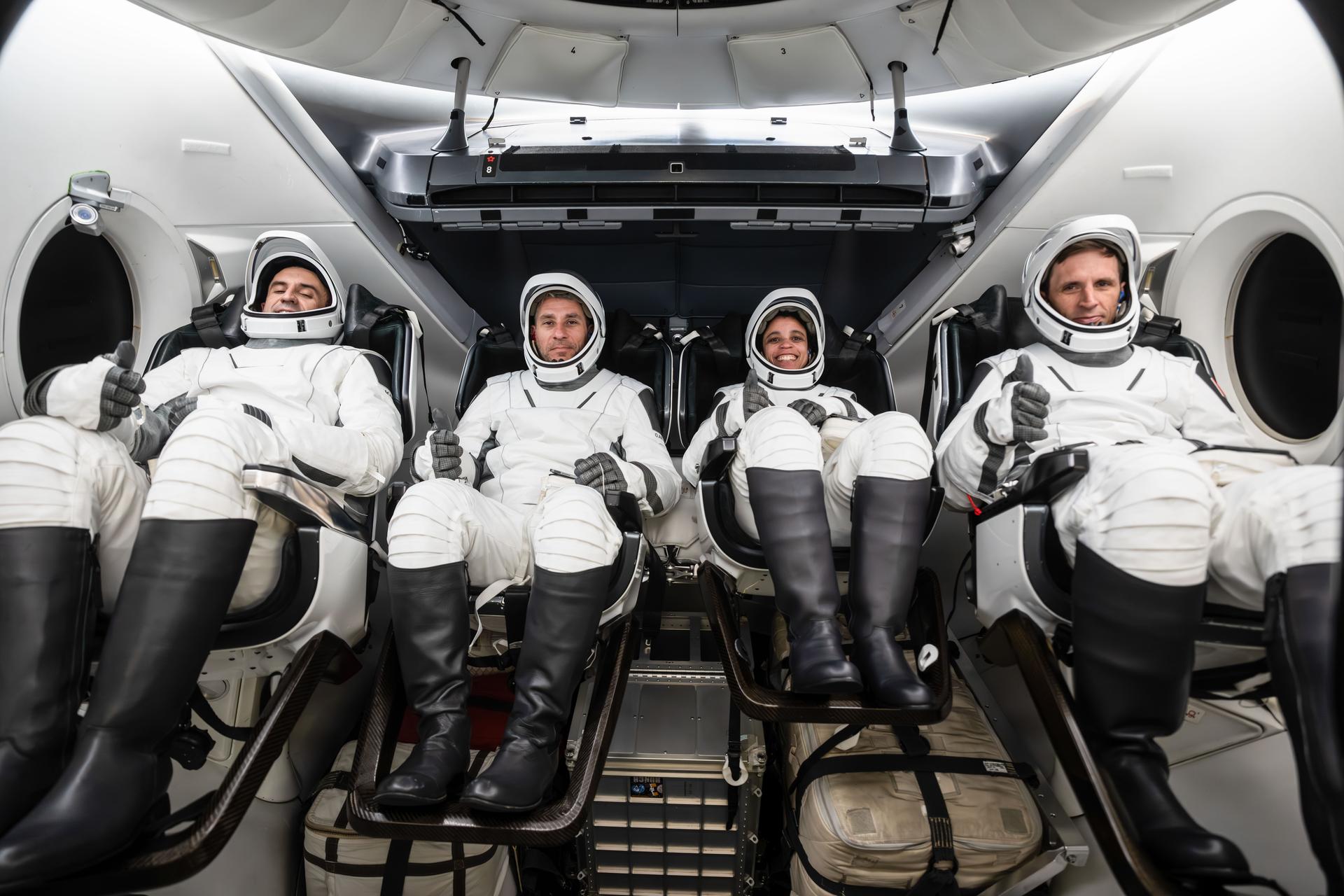
NASA's SpaceX Crew-13 mission aboard the International Space Station will include a range of biomedical and human performance research studies. A key focus is a new collaborative investigation into how spaceflight affects blood flow and clotting in astronauts. The mission will also test crew members' manual piloting abilities in the space environment. Additionally, researchers will evaluate methods to address spaceflight-related changes to vision and brain health. The studies aim to gather critical data on how living in space impacts the human body.

0
SpaceNASA ·

NASA APOD Highlights Remnants of Five Ancient Supernovas in Deep Space Image

NASA's Astronomy Picture of the Day (APOD) for September 24, 2026 features an image showcasing the remnants of five supernovas, described as ghostly structures in deep space. APOD is a long-running NASA initiative that publishes a new astronomical image or photograph each day, accompanied by an explanation from a professional astronomer. The featured image highlights the lingering traces left behind after massive stellar explosions, offering a visual record of past cosmic events. Such supernova remnants are scientifically significant as they provide insight into the life cycles of stars and the dispersal of elements across the universe.