SShortSingh.
Back to feed

Guinea-Bissau's Bijagós Archipelago Harbors Rich Coastal Biodiversity

0
·1 views

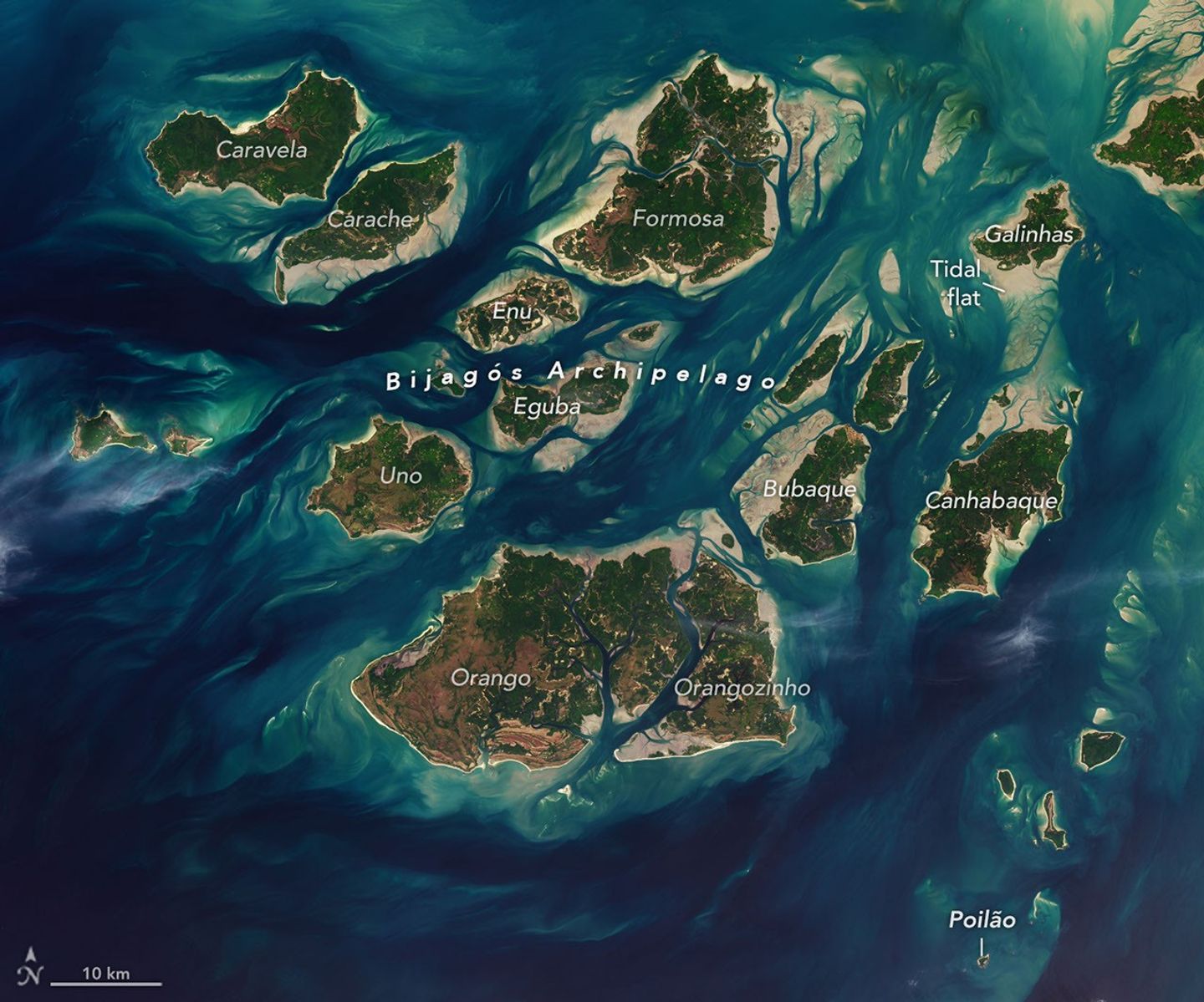
The Bijagós archipelago in Guinea-Bissau is home to a remarkable diversity of wildlife across its varied coastal habitats. The region encompasses wide mudflats, sandy beaches, and dense mangrove forests that together create a rich ecological environment. These habitats attract large populations of migratory shorebirds that rely on the area during their seasonal journeys. The archipelago also supports significant numbers of sea turtles, making it a critical site for marine conservation. NASA has highlighted the region as a notable example of tide-driven biodiversity along the West African coast.

Read the full story at NASA

This is an AI-generated summary. ShortSingh links to the original source for the complete article.

Discussion (0)

Log in to join the discussion and vote.

Log in

Related stories

0
SpaceNASA ·

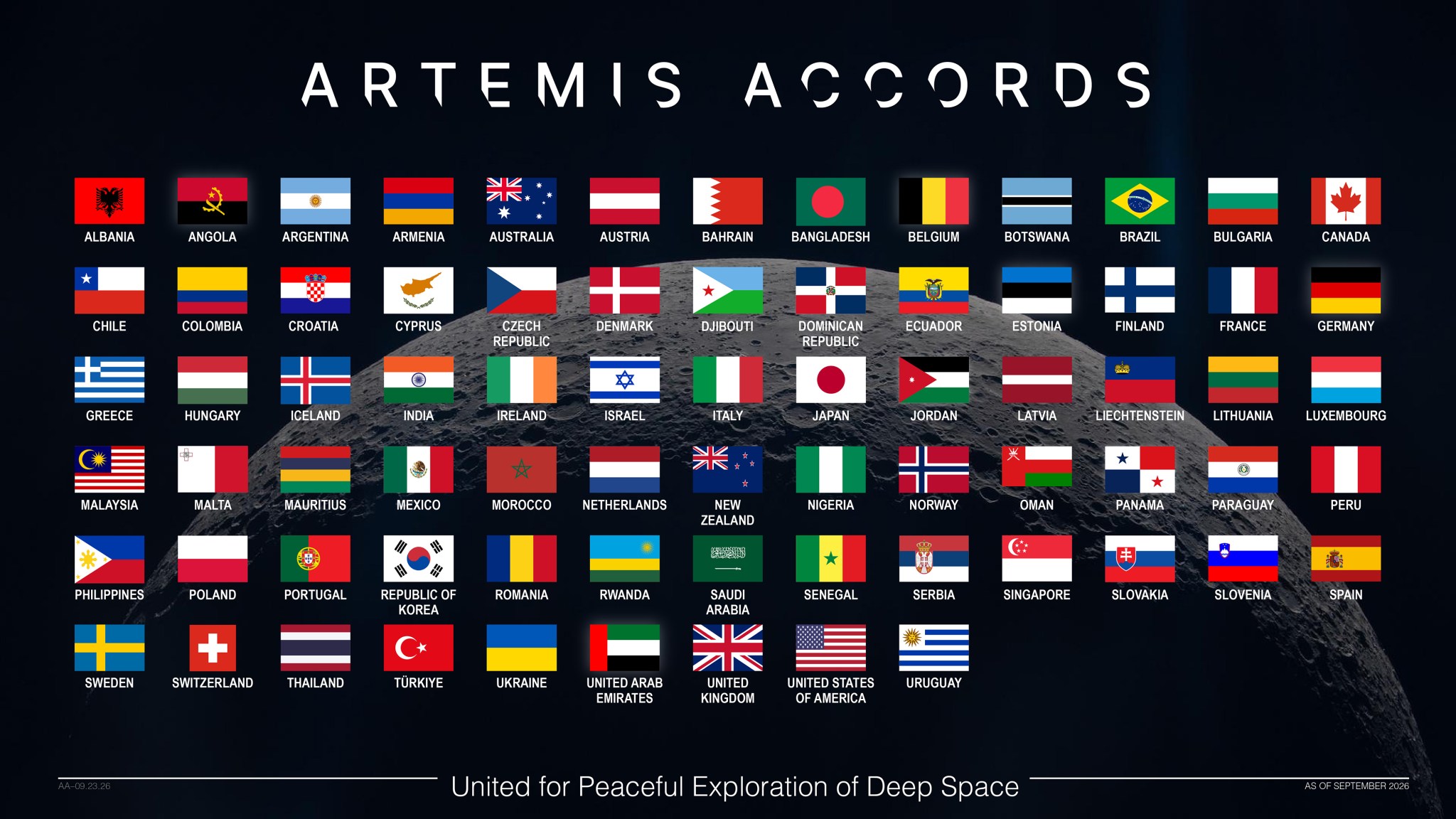
Serbia Becomes 69th Nation to Sign NASA's Artemis Accords

Serbia officially joined the Artemis Accords on Thursday, becoming the 69th country to sign the international space cooperation agreement. The signing ceremony was hosted by NASA at its headquarters in Washington. The Artemis Accords bring together nations committed to the peaceful, transparent, and responsible exploration of outer space. Serbia's relationship with NASA is noted to have historical roots dating back to the Apollo program era.

0
SpaceNASA ·

NASA Identifies Near-Earth Asteroid as a Comet After Precise Tracking

NASA scientists at the Jet Propulsion Laboratory in Southern California have determined that a puzzling near-Earth object is actually a comet. Researchers reached this conclusion by precisely tracking the object's motion through space and using powerful observatories capable of imaging faint celestial bodies. The object had previously shown no obvious comet-like activity in past images, leading to its initial classification as an asteroid. The new findings reveal its dual nature, reclassifying it within the broader category of near-Earth objects.

0
SpaceNASA ·

Webb Telescope Captures 4.4-Billion-Year-Old Merging Galaxy Cluster

NASA's James Webb Space Telescope has captured a striking image of a young galaxy cluster, MACS J0553.4-3342, released on July 3, 2026. The observation peers back 4.4 billion years into the universe's past. The cluster consists of two sub-clusters of roughly equal mass that are actively in the process of merging. Each sub-cluster is anchored by a large, luminous elliptical galaxy that stands out prominently in the image.

0
SpaceNASA ·

Canadian Wildfire Smoke Blankets Ontario, Quebec and Parts of US

Wildfires burning in Canada have generated large plumes of smoke spreading across wide regions of the country and beyond. The smoke has moved over the provinces of Ontario and Quebec, affecting air quality in those areas. Parts of the U.S. Midwest and Northeast have also been impacted as the smoke drifted southward. NASA tracked and reported the movement of the smoke plumes across the affected regions.

Guinea-Bissau's Bijagós Archipelago Harbors Rich Coastal Biodiversity · ShortSingh