SShortSingh.
Back to feed

Curiosity Rover Approaches Key Geologic Boundary Ahead of July 4 Holiday

0
·1 views

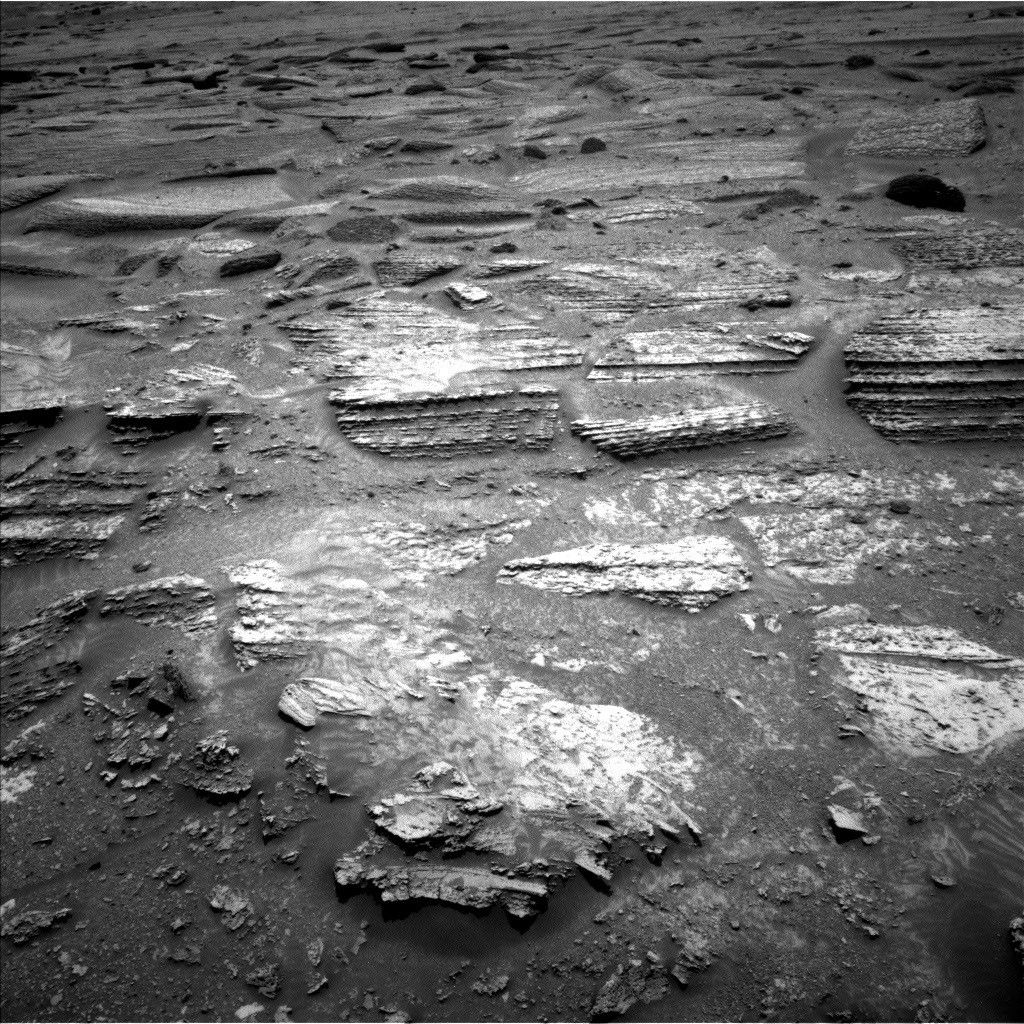
NASA's Curiosity rover spent the week of July 2, 2026, navigating toward a significant geologic boundary on Mars. The transition zone separates a smooth, sandy terrain from a rougher bedrock unit. The update was authored by Deborah Padgett, MSL Operations Product Ground System Task Lead at NASA's Jet Propulsion Laboratory. The rover's observations of this boundary are expected to provide valuable data about the contrasting surface formations. Scientists are continuing to monitor Curiosity's progress as it moves through this scientifically notable region.

Read the full story at NASA

This is an AI-generated summary. ShortSingh links to the original source for the complete article.

Discussion (0)

Log in to join the discussion and vote.

Log in

Related stories

0
SpaceNASA ·

NASA Image Reveals Sediment Fan Patterns Across Russia's Severny Island

A NASA image captures a striking natural formation on Russia's Severny Island in the Arctic. Sediment that has eroded from ice-capped mountains spreads out in a fan-like pattern across a wide river valley. The process is driven by glacial and mountain erosion, which carries debris downslope over time. This type of alluvial fan formation is a common geological feature in Arctic and subarctic landscapes.

0
SpaceNASA ·

NASA Research Aims to Make Air Taxi Rides More Comfortable

NASA has conducted a study to help the developing air taxi industry better understand passenger comfort during short urban flights. The research focuses on small vertical-takeoff-and-landing (VTOL) aircraft designed for brief trips. NASA's findings aim to identify the link between ride comfort and passengers' willingness to use air taxis. The data could guide how air taxi routes and operations are planned to improve the overall passenger experience.

0
SpaceNASA ·

NASA Astronaut Anil Menon to Launch to ISS Aboard Soyuz MS-29 on July 14

NASA astronaut Anil Menon is set to travel to the International Space Station on Tuesday, July 14, aboard the Roscosmos Soyuz MS-29 spacecraft. He will be joined by Russian cosmonauts Pyotr Dubrov and Anna Kikina on the mission. The crew will become part of the ongoing Expedition team currently aboard the ISS. Menon, photographed in his spacesuit at NASA's Johnson Space Center in Houston on January 8, 2026, represents a continued collaboration between NASA and Roscosmos on crewed spaceflight.

0
SpaceNASA ·

Hubble Detects First Stellar-Mass Black Hole in Omega Centauri Cluster

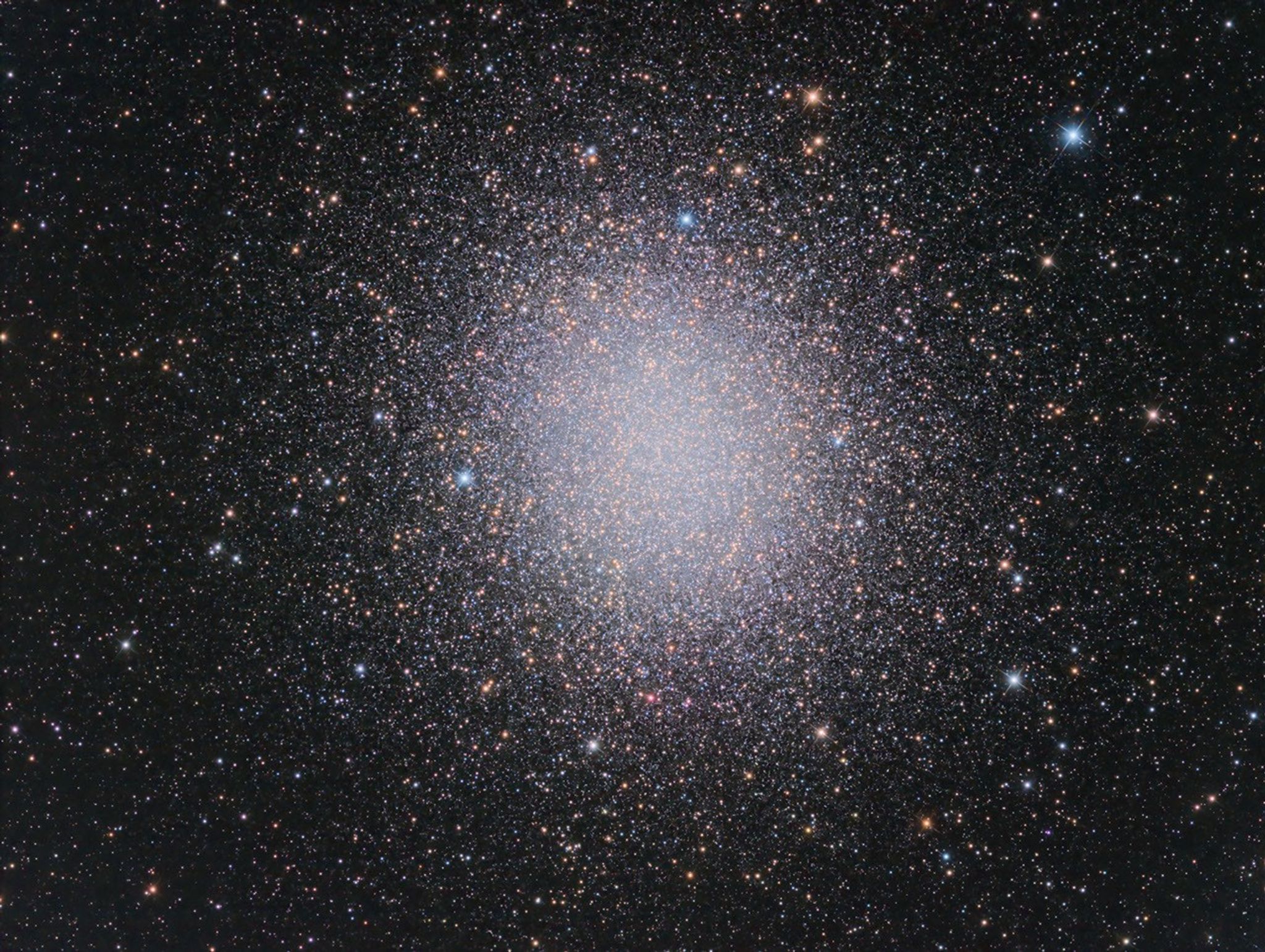
Astronomers have identified the first stellar-mass black hole within Omega Centauri, one of the largest known star clusters. The discovery was made using archival data from NASA's Hubble Space Telescope, supported by additional observations from the James Webb Space Telescope. The finding addresses a long-standing question about the presence of so-called 'missing' black holes within dense star clusters. Stellar-mass black holes are formed from the collapse of massive stars and had previously proven elusive within this particular cluster.

Curiosity Rover Approaches Key Geologic Boundary Ahead of July 4 Holiday · ShortSingh