SShortSingh.
Back to feed

NASA Image Reveals Sediment Fan Patterns Across Russia's Severny Island

0
·36 views
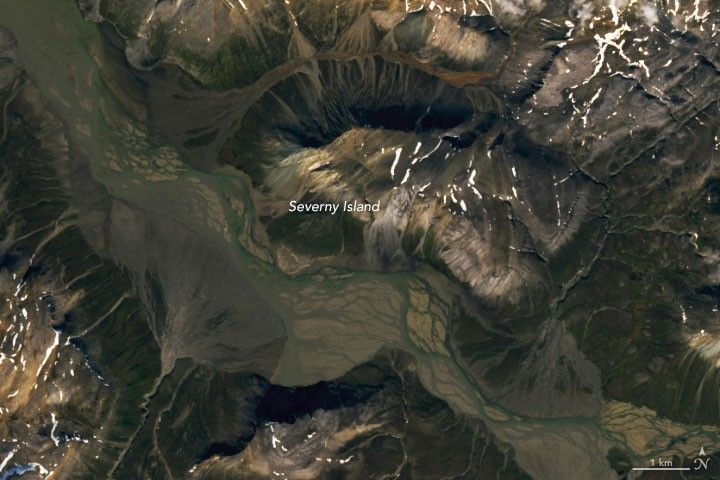
A NASA image captures a striking natural formation on Russia's Severny Island in the Arctic. Sediment that has eroded from ice-capped mountains spreads out in a fan-like pattern across a wide river valley. The process is driven by glacial and mountain erosion, which carries debris downslope over time. This type of alluvial fan formation is a common geological feature in Arctic and subarctic landscapes.

Read the full story at NASA

This is an AI-generated summary. ShortSingh links to the original source for the complete article.
Discussion (0)

Log in to join the discussion and vote.

Log in

Related stories

0
SpaceNASA ·

NASA and Boeing to Brief Media on Starliner Crew Flight Development Plans

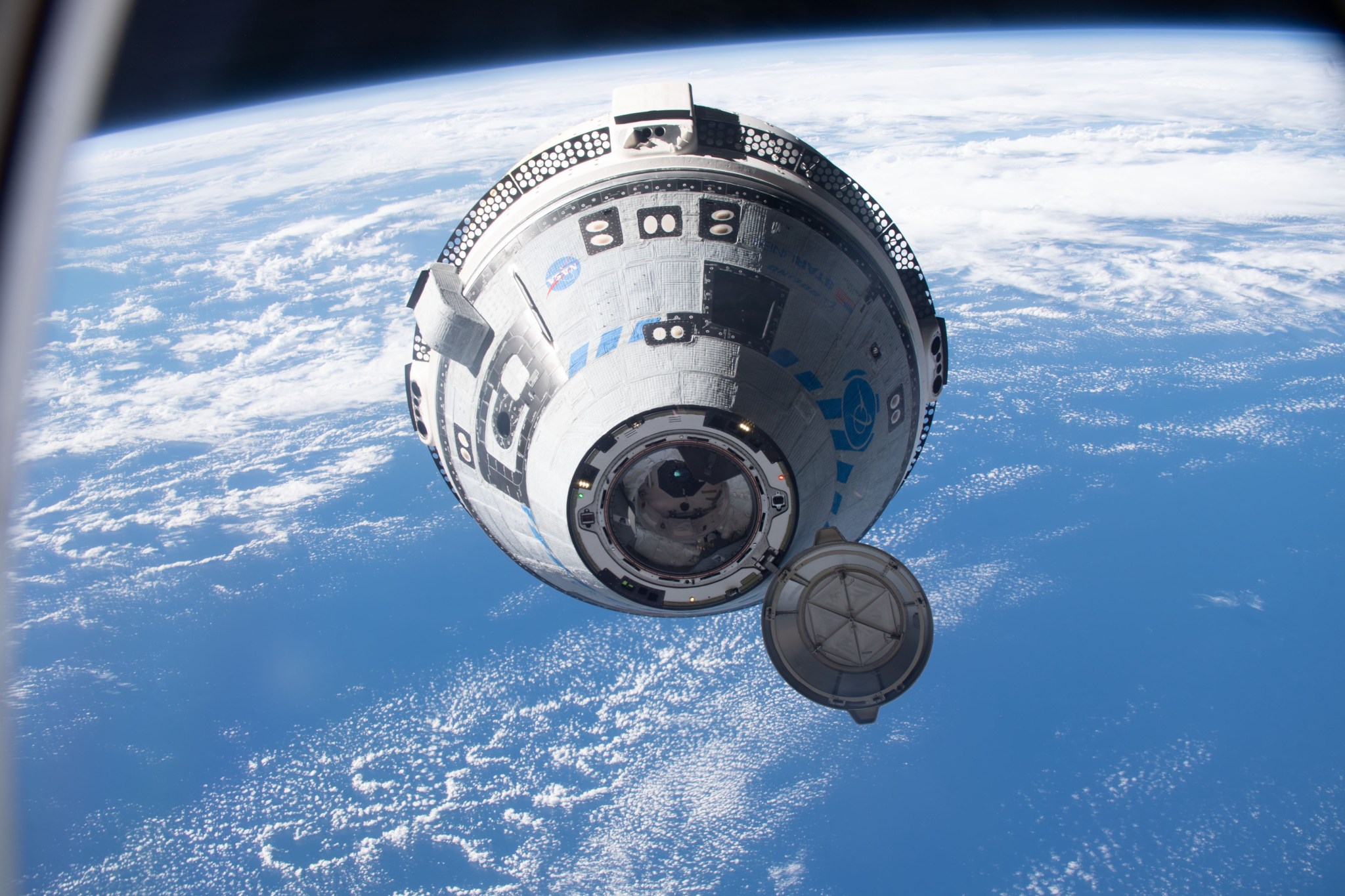
NASA and Boeing leadership held a news conference on Monday, September 28, to discuss the Starliner spacecraft's development progress. The briefing addressed plans for regular crewed flights to and from the International Space Station. The event took place at 3 p.m. EDT and was streamed live on NASA's official website. Media personnel already credentialed for the Crew-13 mission were permitted to attend in person at NASA's Kennedy Space Center. The update reflects ongoing efforts to advance Starliner as a reliable crew transportation vehicle.

0
SpaceNASA ·

San Marino Becomes 76th Nation to Sign NASA's Artemis Accords

The Republic of San Marino signed the Artemis Accords on Friday, becoming the 76th country to join the international space cooperation agreement. The signing ceremony took place in the city of Rimini, with officials from NASA and the U.S. Department of State in attendance. The Artemis Accords establish a framework for peaceful, transparent, and responsible exploration of outer space. San Marino's accession further expands the growing coalition of nations aligned with NASA's principles for civil space activities.

0
SpaceNASA ·

NASA Tests Compact CubeSat With Dual-Mode Propulsion System Before Launch

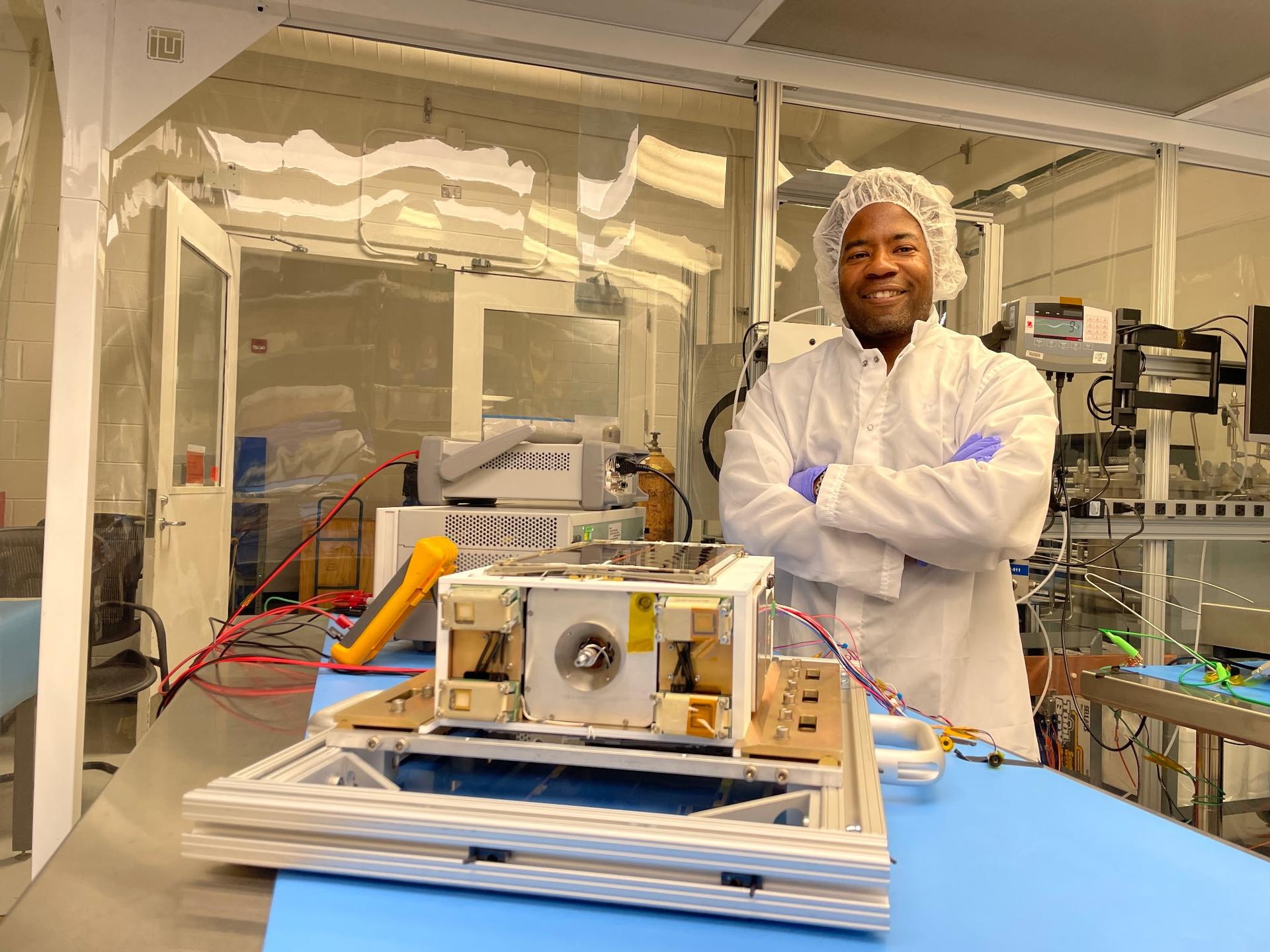
NASA engineers at Marshall Space Flight Center in Huntsville, Alabama, have completed a series of environmental and physical tests on a new small satellite featuring a dual-mode propulsion system. The CubeSat is designed to address longstanding challenges in spacecraft propulsion, which has traditionally depended on volatile fuels and separate bulky systems for different maneuvers. The new design aims to consolidate propulsion capabilities into a safer, more compact solution. These tests mark a key milestone ahead of the satellite's planned launch.

0
SpaceNASA ·

NASA Launches 2026-27 Middle School Design Challenge on Future Aircraft Energy

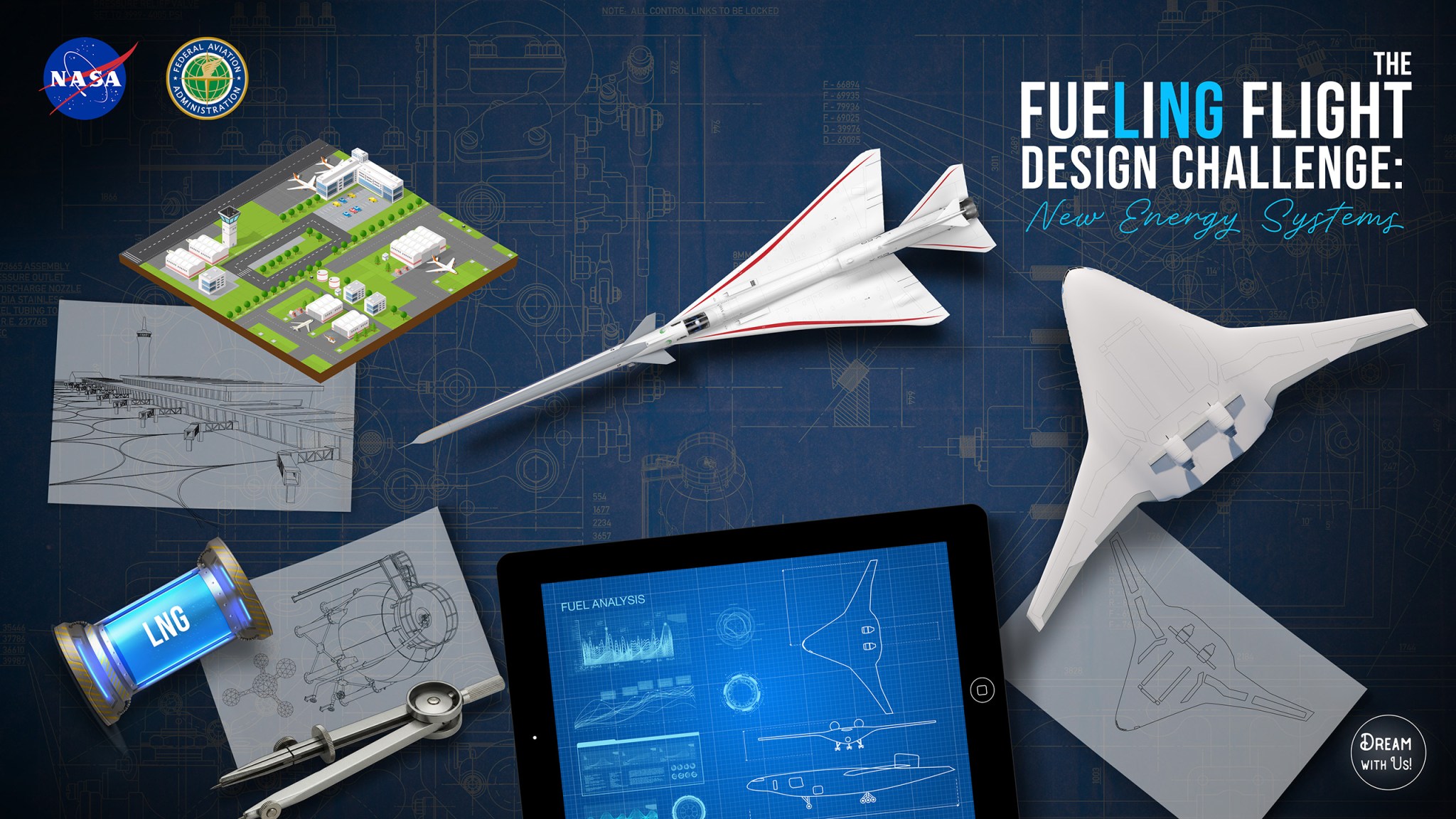
NASA has announced its 2026-2027 Design With Us (DWU) Middle School Design Challenge, themed 'Fueling Flight: New Energy Systems.' The challenge invites middle school students to explore innovative energy solutions for aircraft operating within the US National Airspace System (NAS). NASA is collaborating with partners including the FAA, universities, and aviation industry stakeholders on this initiative. The program aims to address growing demands for safer, more sustainable aviation as air traffic in the NAS continues to increase.