SShortSingh.
Back to feed

Court rules prediction market Kalshi must comply with state gambling laws

0
·1 views
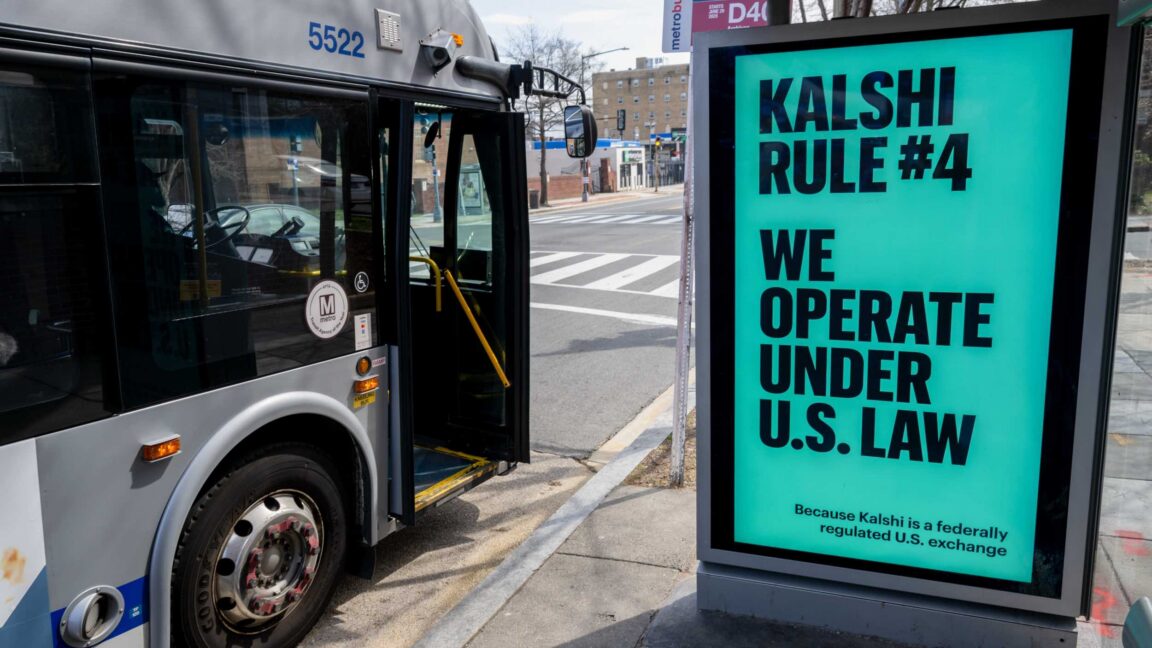
A federal appeals court has ruled against Kalshi, determining that the prediction market platform must comply with state gambling laws. The decision marks another legal setback for Kalshi, which has been challenging the applicability of such regulations to its business model. The judges found that operating prediction markets falls within the jurisdiction of existing state gambling statutes. With the ruling going against them again, Kalshi may now seek to take the case to the Supreme Court.

Read the full story at Ars Technica

This is an AI-generated summary. ShortSingh links to the original source for the complete article.


Discussion (0)

Log in to join the discussion and vote.

Log in

Related stories

0
TechnologyArs Technica ·

Pharma Companies Use Add-On Patents to Artificially Extend Drug Price Protections

Pharmaceutical companies have been strategically accumulating additional patents on existing drugs to extend their market exclusivity well beyond original protections. This practice, known as patent layering or evergreening, has effectively stretched drug patent periods from roughly two years to over six years. By filing add-on patents for minor modifications or new formulations, companies can delay generic competitors from entering the market. This tactic allows drugmakers to maintain high prices for longer periods, limiting affordable alternatives for consumers. The trend has drawn scrutiny from researchers and policymakers concerned about its impact on drug affordability.

0
TechnologyArs Technica ·

Trump rolls back US fuel economy standards to 2014 levels at 35 mpg

The Trump administration has reduced the Corporate Average Fuel Economy (CAFE) standards to 35 mpg, reverting requirements to what they were in 2014. This marks the second rollback under Trump, who previously cut the standard to 40 mpg during his first term in 2020. The latest reduction further loosens the fuel efficiency targets that automakers must meet across their vehicle fleets. Critics argue the move will increase fuel consumption and emissions, while supporters contend it eases regulatory burdens on the automotive industry.

0
TechnologyTechCrunch ·

Shopify extends WebMCP support to let AI agents complete checkout purchases

Shopify is broadening its WebMCP integration to cover the checkout process on its platform. The update enables browser-based AI agents to modify order details and finalize purchases on behalf of users. The feature requires explicit authorization from the buyer before any action is taken. This move signals Shopify's push to make its commerce infrastructure more compatible with emerging AI-driven shopping tools.

0
TechnologyThe Verge ·

Bose QuietComfort Ultra Gen 2 gains Auracast support via firmware update

Bose has released a firmware update for its $449 QuietComfort Ultra Headphones Gen 2, adding Bluetooth LE Audio and Auracast as beta features. This makes the flagship model the first Bose headphone to support Auracast, a technology that enables shared wireless audio broadcasts and improves accessibility. The company has indicated plans to extend the feature to more of its devices in the future. Auracast adoption remains limited in the industry, with only a handful of brands — including Sony, JBL, Samsung, and Sennheiser — currently supporting it on select products. Bose's entry into the Auracast ecosystem is considered significant given its strong brand recognition in the premium headphone market.