SShortSingh.
Back to feed

Barnes Ice Cap Loses Snow Cover Early, Exposing Melt Features

0
·28 views

Canada's Barnes Ice Cap on Baffin Island experienced an unusually early and rapid loss of its snow cover during the summer of 2026. The event was documented by NASA, which observed the glacial ice becoming fully exposed ahead of typical seasonal timelines. With the snow stripped away, a series of melt features across the ice cap's surface became visible. The early snow loss is consistent with broader patterns of accelerating ice melt observed in Arctic regions.

Read the full story at NASA

This is an AI-generated summary. ShortSingh links to the original source for the complete article.

Discussion (0)

Log in to join the discussion and vote.

Log in

Related stories

0
SpaceNASA ·

NASA FarmFlux Mission to Study Agricultural Emissions Over Colorado Farmlands

NASA is conducting low-altitude research flights over Colorado as part of its FarmFlux mission, aimed at studying emissions from agricultural lands and animal farms. The mission will deploy over a dozen sensors to measure pollutants including ozone, methane, ammonia, and particulates. Researchers are focused on understanding how these emissions interact with Earth's atmosphere, an area considered significantly understudied. The project is jointly led by NASA's Goddard Space Flight Center in Greenbelt, Maryland, alongside Colorado-based partners.

0
SpaceNASA ·

Hubble Telescope Hunts for Predicted Reappearance of Supernova Athena

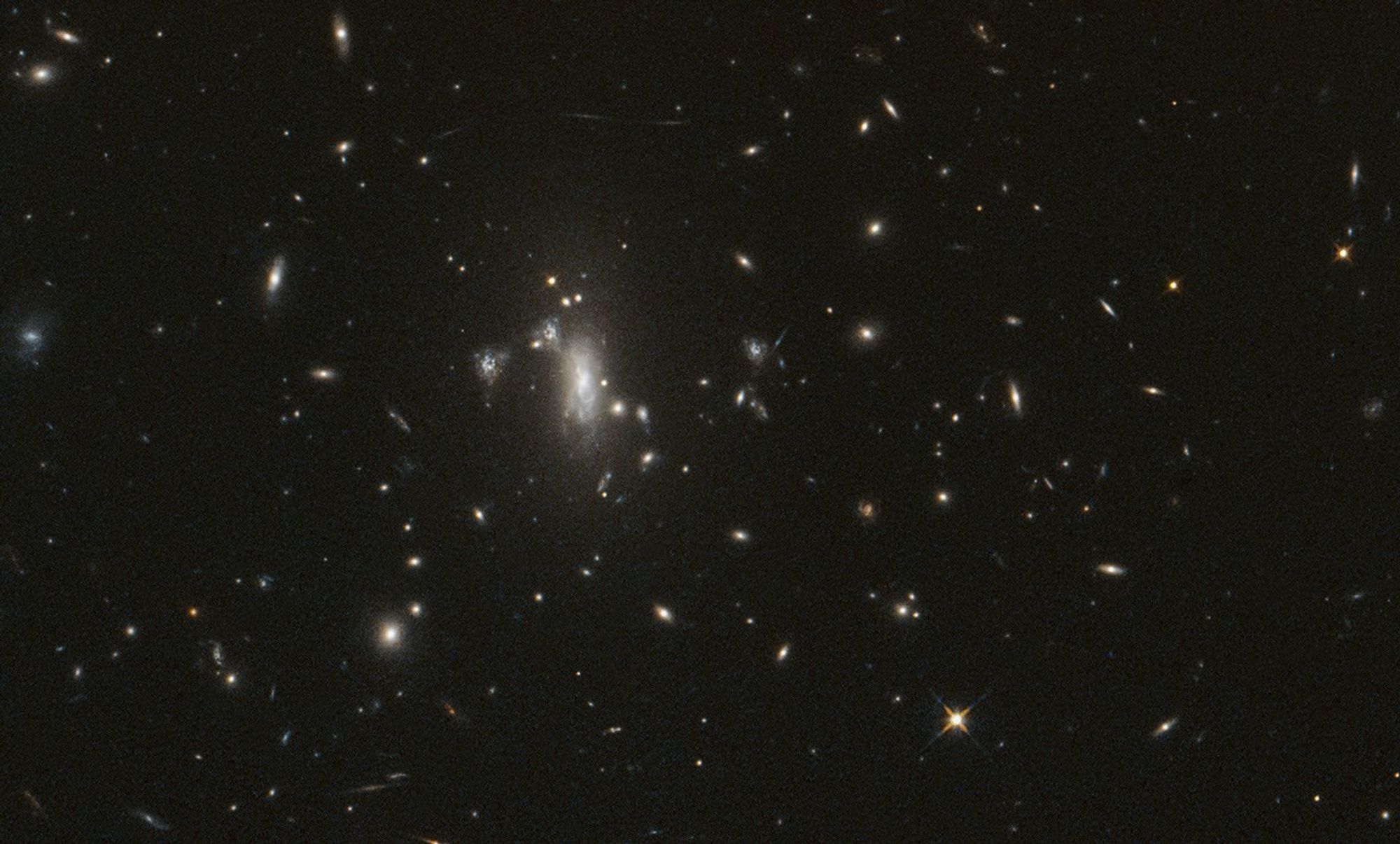
NASA's Hubble Space Telescope captured an image of massive galaxy cluster MACS J0417 on September 19, 2026. The cluster acts as a gravitational lens, bending and magnifying light from distant objects behind it. Supernova Athena was originally discovered by NASA's James Webb Space Telescope in 2025. Due to the gravitational lensing effect, the supernova is predicted to reappear within a forecasted window, prompting Hubble to monitor the region. Scientists are using this milestone observation to track the elusive cosmic event.

0
SpaceNASA ·

Arctic Sea Ice Hits 2026 Annual Low, Ties for 10th Smallest on Record

Arctic sea ice reached its 2026 annual minimum extent on September 12, according to NASA and the National Snow and Ice Data Center at the University of Colorado Boulder. The ice covered approximately 1.78 million square miles, or 4.6 million square kilometers. This figure ties the extents recorded in 2008, 2010, and 2025, placing 2026 among the ten lowest minimums in the satellite observation record. Scientists track the annual minimum each year as a key indicator of long-term changes in the Arctic climate system.

0
SpaceNASA ·

Shannon Lucid's Record-Breaking Six-Month Stay on Russia's Mir Space Station

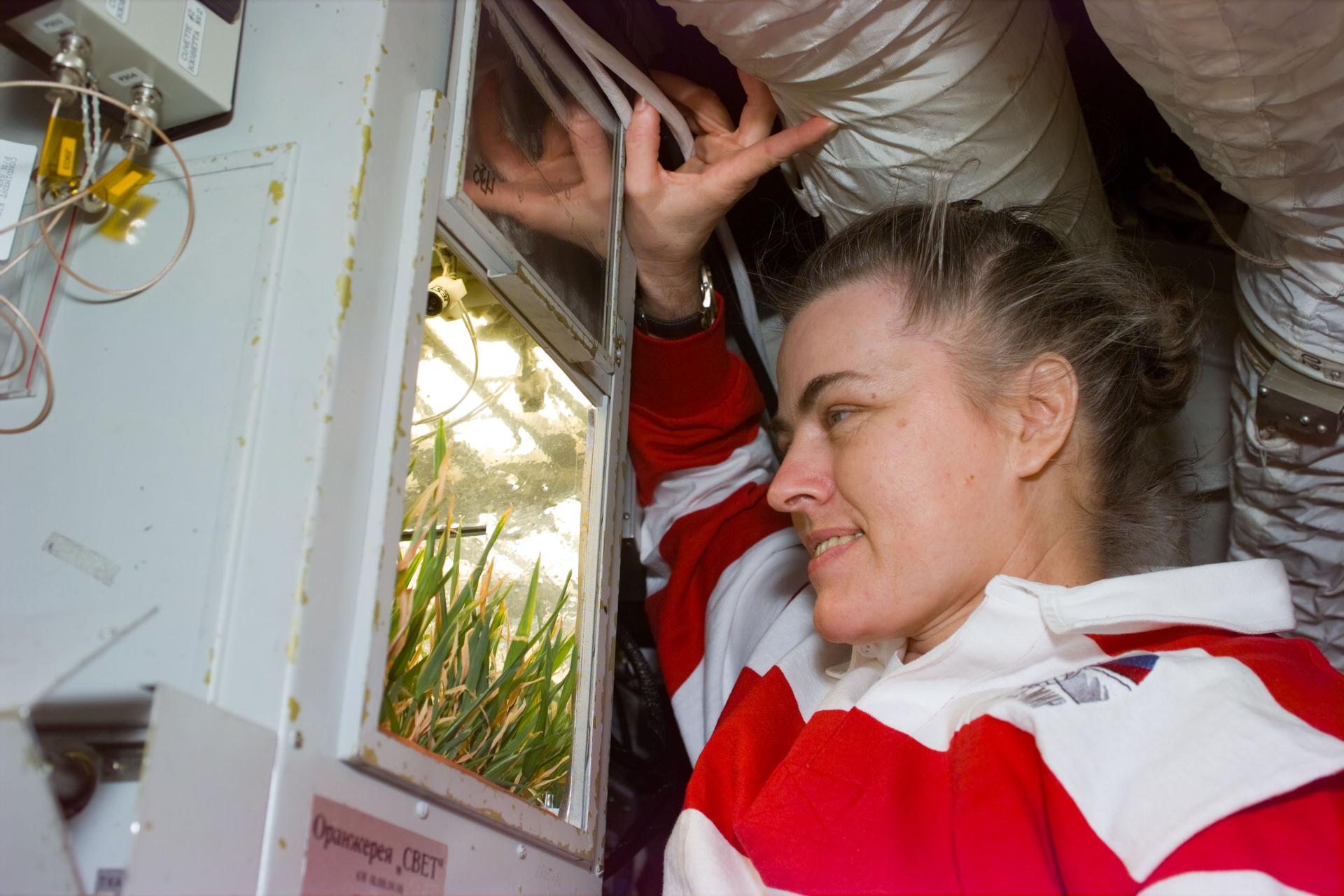
Astronaut Shannon W. Lucid spent six months living and working aboard the Russian space station Mir alongside two cosmonauts. Selected by NASA in 1978 as one of its first six female astronauts, Lucid became a pioneering figure in American spaceflight. During her mission, she conducted life science research and tended to wheat crops growing in the station's Svet greenhouse. Just three days before her return to Earth, she was still actively monitoring the plant experiments. Her extended stay set a record and highlighted the collaborative nature of U.S.-Russian space operations during that era.