SShortSingh.
Back to feed

Astronomers Confirm Elias 2-24 b as Youngest Known Planet at Under 1 Million Years Old

0
·1 views
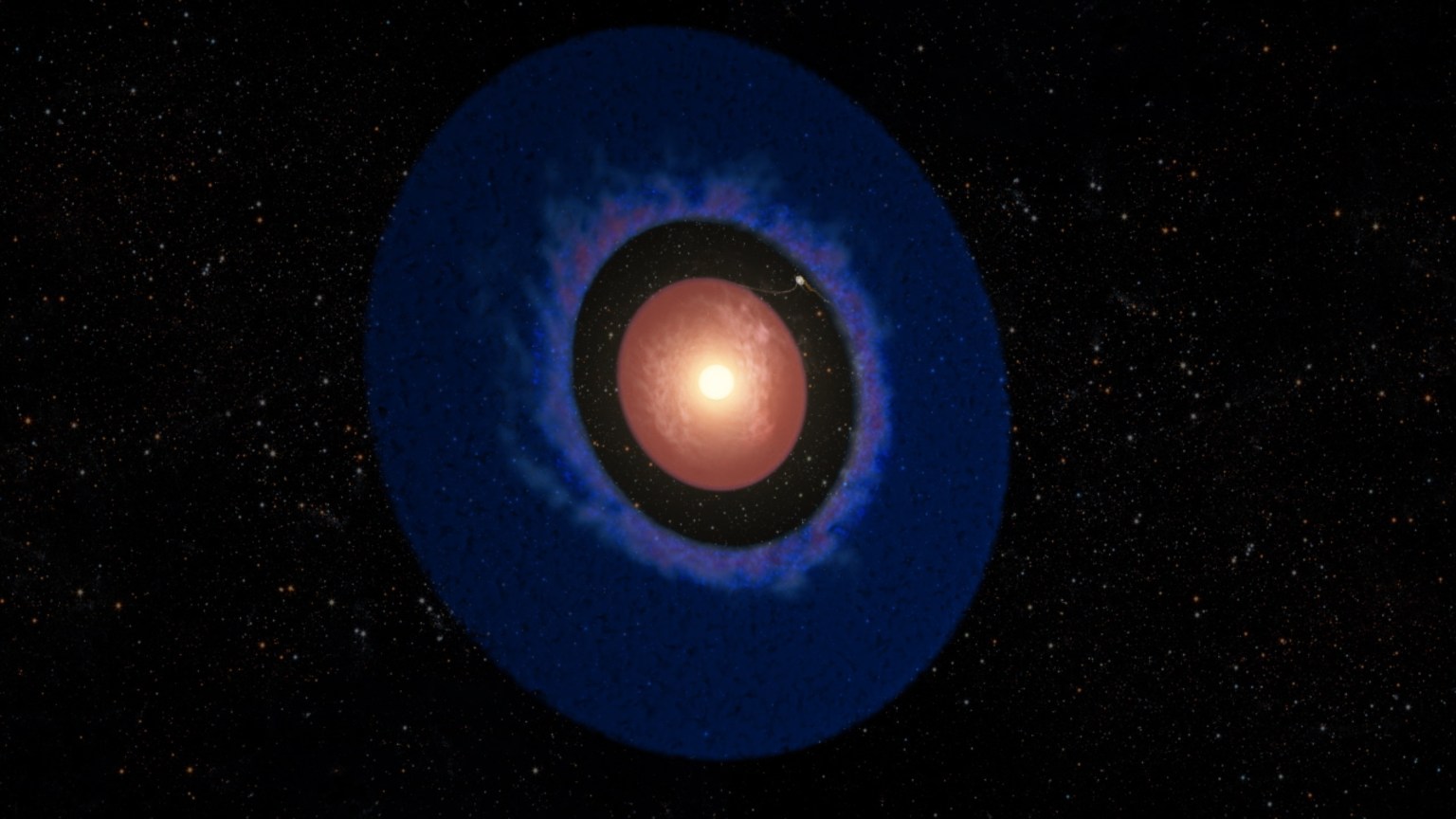
Astronomers have identified Elias 2-24 b as the youngest known planet ever confirmed, at less than one million years old. The discovery was made using data from NASA-funded archives. The infant planet is still embedded within the swirling disk of dust and gas from which it formed. Scientists say the find challenges existing planet-formation models, which already struggled to account for previously identified young worlds.

Read the full story at NASA

This is an AI-generated summary. ShortSingh links to the original source for the complete article.

Discussion (0)

Log in to join the discussion and vote.

Log in

Related stories

0
SpaceNASA ·

NASA's Integrated Medical Model Helps Prepare for Astronaut Health in Deep Space

NASA has developed the Integrated Medical Model (IMM), a decision-support tool designed to address the medical challenges of long-duration space missions. The tool was created in response to unique health risks posed by cosmic radiation, microgravity, and the vast distance from Earth during missions to the Moon and Mars. By anticipating potential medical needs in advance, the IMM helps mission planners make informed healthcare decisions for astronauts. The system reflects NASA's broader effort to ensure crew safety as it prepares for future deep-space exploration.

0
SpaceNASA ·

Curiosity Rover Plans Wind-Sediment Study After Marking Major Mars Milestones

NASA's Curiosity rover is conducting complex scientific planning to study wind-blown sediments on Mars, according to a mission update authored by University of Calgary professor Benjamin Tutolo. The planning session covered sols 5002 through 5009, with Earth planning taking place on September 4, 2026. The update follows a period of significant milestones for the mission, including 14 years of operation on Mars, completing 5,000 sols, and ascending one kilometer in elevation since landing. The Curiosity team has been celebrating these achievements as the rover continues its scientific work on the Martian surface.

0
SpaceNASA ·

Webb and Hubble Telescopes Capture Stunning Combined View of Galaxy M64

NASA's Astronomy Picture of the Day (APOD) for September 16, 2026 features a striking image of galaxy M64, observed by the James Webb Space Telescope. M64, sometimes called the Black Eye Galaxy, is a well-known spiral galaxy located in the constellation Coma Berenices. The featured image combines data from both the Webb and Hubble space telescopes, offering a detailed multi-wavelength perspective. Each APOD entry is accompanied by an explanation written by a professional astronomer to help the public explore the universe.

0
SpaceNASA ·

NASA Ames Honors Seven Staff Members as September 2026 Stars of the Month

NASA's Ames Science Directorate has recognized seven employees as its Stars of the Month for September 2026. The honorees are Steve Ormsby, Aphrodite Kostakis, Alejandro Borlaff, Sarah Nickerson, Martina Caussi, Keiko Nomura, and Stephen Broccardo. Each was selected for their outstanding contributions to the NASA mission. The recognition highlights qualities including entrepreneurial spirit, technical expertise, and a collaborative approach to scientific work.