SShortSingh.
Back to feed

Apple Files Lawsuit Against OpenAI Alleging Trade Secret Theft

0
·53 views

Apple has filed a lawsuit against OpenAI, accusing the artificial intelligence company of stealing its trade secrets. The tech giant claims the alleged misconduct was orchestrated by OpenAI's senior leadership. A long-time former Apple employee is also implicated in the accusations. The lawsuit marks a significant legal confrontation between two major players in the technology industry.

Read the full story at TechCrunch

This is an AI-generated summary. ShortSingh links to the original source for the complete article.
Discussion (0)

Log in to join the discussion and vote.

Log in

Related stories

0
TechnologyTechCrunch ·

Blackstone's Jas Khaira Says Worries About AI Buildout Debt Are Overblown

Jas Khaira, who leads AI efforts at private equity firm Blackstone, has said the market concerns about debt tied to the AI infrastructure buildout are exaggerated. He explained why Blackstone is not alarmed by the recent market jitters. The comments were reported by TechCrunch. The source article is brief, so details beyond Khaira's stance and Blackstone's position are not specified here.

0
TechnologyTechCrunch ·

Airbnb restricts host demands for guest chores, drawing host backlash

Airbnb has barred hosts from requiring guests to strip beds or perform other time-consuming cleaning tasks. The policy change has prompted some hosts to threaten leaving the platform. The article reports the hosts' frustration but does not detail the company's full reasoning behind the restriction. The dispute centers on how much cleaning work guests can be asked to do during their stays.

0
TechnologyArs Technica ·

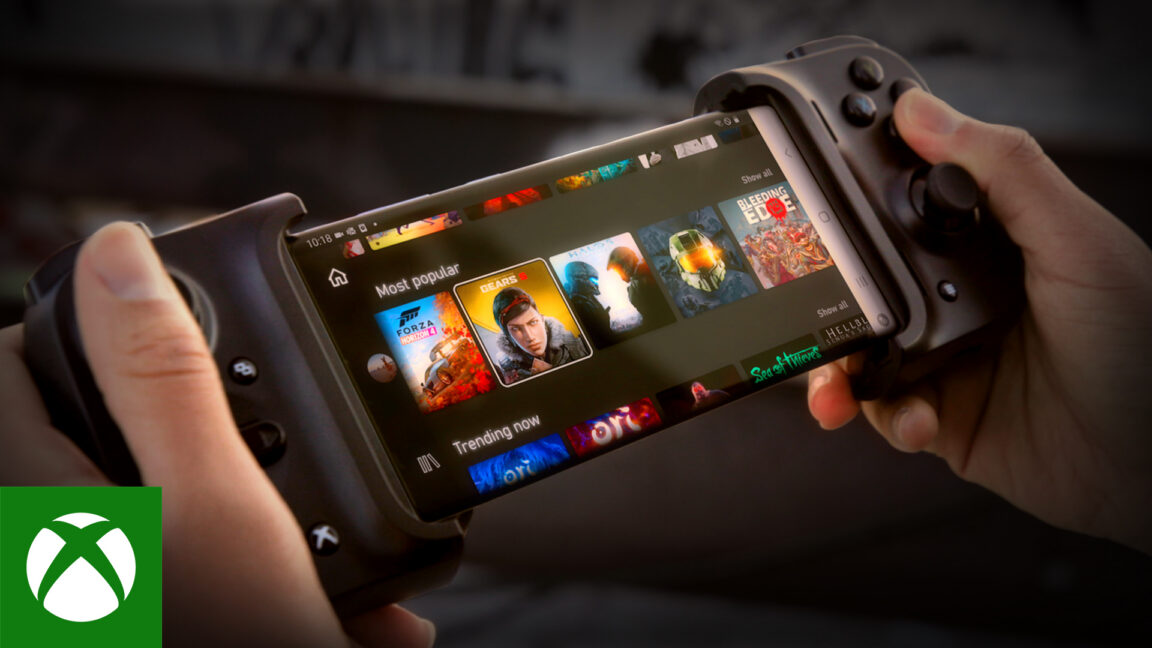
Xbox Plans Per-Hour Fees of 24 to 40 Cents for Streaming Games Already Owned

Microsoft's Xbox is reportedly considering charging users between 24 and 40 cents per hour to stream games they have already purchased. According to the source, these time-based charges would be added on top of the original price paid for each game. The fees would apply to streaming access rather than to the games themselves, which users have already bought. The article frames the proposal as a pay-as-you-go model layered onto existing ownership.