SShortSingh.

Technology

0
TechnologyTechCrunch ·

Nvidia CEO Jensen Huang Argues Against AI Regulation, Backs Industry Self-Governance

Nvidia CEO Jensen Huang has spoken out against formal government regulation of artificial intelligence. He argued that AI is not a fundamentally alien or unknowable technology, but rather a combination of hardware and software. Because of this, Huang believes safety can be built directly into AI products by their respective developers. He contends that individual companies are better positioned than regulators to engineer and manage AI safety standards.

0
TechnologyNYT Technology ·

Zuckerberg Criticizes Anthropic Over AI Safety vs. Development Priorities

Meta CEO Mark Zuckerberg took a public swipe at AI company Anthropic in a social media post. He argued that leading artificial intelligence laboratories should prioritize safety over advancing their own technology. The remarks appear to reignite an ongoing industry debate about whether AI development is moving too fast. Anthropic, known for its safety-focused approach, was the implied target of Zuckerberg's comments.

0
TechnologyThe Verge ·

Most US Voters Oppose AI Data Centers, Poll Finds, With No Party Gaining Edge

A New York Times and Siena University poll released Tuesday found that 61 percent of likely voters oppose the construction of data centers to power AI technology. The survey covered 1,503 likely voters and was conducted in early September, before recent discussions around AI safety slowdowns. Only 14 percent of respondents said they strongly support data center construction. Trump voters were nearly split at 49 percent support versus 45 percent opposition, while Harris voters and non-voters leaned more strongly against. The findings suggest AI infrastructure is broadly unpopular across the political spectrum, with neither major party holding a clear advantage on the issue.

0
TechnologyBBC Tech ·

UK Ad Watchdog Bans AI App Ads for Objectifying Women

Britain's advertising regulator has banned advertisements for AI applications that sexually objectify or exploit women. The watchdog declared a zero-tolerance stance toward any promotional content that sexualises women through AI-powered tools. The action targets ads that were found to promote harmful or degrading depictions of women. The regulator's firm position signals a broader crackdown on AI-related advertising that violates standards of dignity and respect.

0
TechnologyArs Technica ·

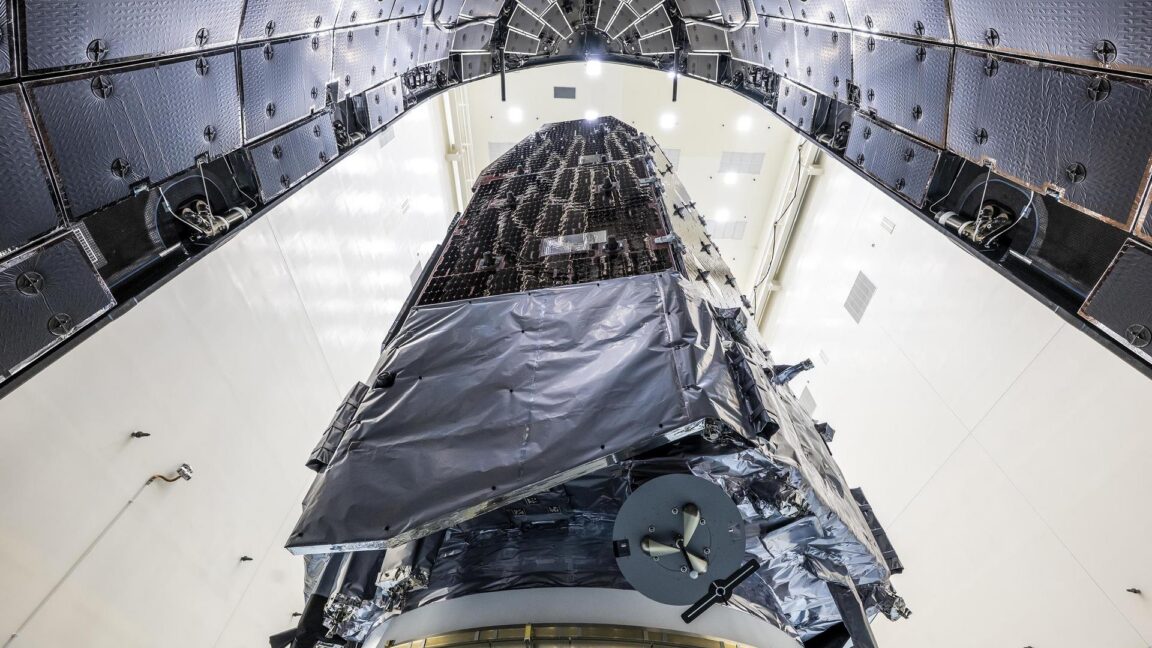
NASA's Roman Telescope Carries Fuel for 22 Years, Twice Its Expected Lifespan

NASA's Nancy Grace Roman Space Telescope has been found to carry enough fuel to operate for approximately 22 years, double the agency's original expectations. The telescope holds the distinction of being the first NASA observatory specifically designed to support in-space refueling. This extended fuel capacity significantly increases the potential scientific lifespan of the mission. The surplus propellant offers NASA greater operational flexibility and the possibility of prolonged astronomical observations beyond the planned mission window.

0
TechnologyBBC Tech ·

Nvidia CEO Jensen Huang argues existing laws sufficient to govern AI

Nvidia CEO Jensen Huang has stated that artificial intelligence does not require new legislation, asserting that current laws are adequate to address its risks. His position puts him at odds with several current and former employees at AI-focused companies, who have raised concerns about the technology's safety. Huang's comments come amid growing debate in the tech industry and among policymakers about how to regulate rapidly advancing AI systems. Safety advocates argue that the unique challenges posed by AI demand dedicated regulatory frameworks beyond what existing laws can cover.

0
TechnologyNYT Technology ·

Scientists Train Fruit Fly Brain Simulation to Solve Puzzles and Park Cars

Researchers have developed computational models based on the fruit fly's nervous system, one of the most studied neural structures in biology. These simulated brain models have been trained to perform surprisingly complex tasks despite being modeled on a tiny insect. The tasks accomplished include solving a Rubik's Cube, playing video games, and parallel parking a car. The work highlights how simple biological neural architectures can be adapted to tackle real-world problem-solving challenges.

0
TechnologyTechCrunch ·

Philadelphia Residents Push Back on Data Center Plans Near Former Oil Refinery

A growing national backlash against data center construction has reached Philadelphia, where city officials are considering building a new facility in an already industrially burdened neighborhood. The proposed site is located near a former oil refinery that has left a lasting environmental impact on the surrounding community. Residents and advocates are raising concerns about adding further industrial strain to an area that has long dealt with pollution and related health issues. The situation reflects a broader tension across the United States between the surging demand for AI infrastructure and the communities asked to host it.

0
TechnologyThe Verge ·

Microsoft to Host Windows and Surface AI Event in San Francisco on Oct 7

Microsoft has announced a Windows and Surface event scheduled for October 7th in San Francisco, its first major Windows event in over two years. The company describes it as a conversation about how local AI will shape the future of PCs. CEO Satya Nadella will attend alongside Windows and Surface chief Pavan Davuluri. Nvidia CEO Jensen Huang is also expected to appear, hinting at a possible focus on RTX Spark PCs. Details around products like the Microsoft Surface Laptop Ultra may also be revealed at the event.

0
TechnologyNYT Technology ·

Bannon and Sanders Unite With Unlikely Allies to Push for AI Regulation

In a rare display of cross-partisan agreement, political figures including Steve Bannon and Bernie Sanders joined forces to call for stricter controls on artificial intelligence. The event, held in Washington, brought together an unusually diverse group of voices including elected officials, religious leaders, parents, and artists. Despite their deep ideological differences, participants shared a common concern about the unchecked growth of AI technology. The gathering highlighted growing bipartisan momentum around the need to rein in artificial intelligence across multiple sectors of society.

0
TechnologyArs Technica ·

Alleged Banned User May Be Behind Lawsuits Targeting Private Torrent Trackers

A person claiming to be a filmmaker has filed lawsuits against several private torrent trackers, including PassThePopcorn, BroadcasTheNet, and HDBits. Investigators and tracker administrators suspect the plaintiff may not be a legitimate filmmaker at all. Evidence suggests the individual could be a previously banned user seeking revenge against the platforms. The trackers, which are invite-only communities, have been targeted in what may be a bad-faith legal campaign. The case has raised concerns within private tracker communities about coordinated legal harassment by disgruntled former members.

0
TechnologyThe Verge ·

Researchers push back on claims that social media is harming teen mental health

Jonathan Haidt's 2023 bestseller 'The Anxious Generation' argues that social media and smartphone use are the primary drivers of declining teen mental health since 2010. The book gained significant influence, reportedly inspiring Australia's nationwide ban on social media for teenagers and shaping policy conversations among lawmakers. Haidt has also allied with families pursuing legal action against technology companies over youth mental health harms. However, some researchers and critics are now challenging the strength of the evidence behind Haidt's central thesis. The debate raises questions about whether social media is truly the main cause of the teen mental health crisis or whether other factors may be at play.

0
TechnologyTechCrunch ·

Meta launches MCP server to let AI agents automate WhatsApp Business setup

Meta has introduced a WhatsApp Business MCP server that allows developers to integrate AI coding agents into their workflow. Tools such as Claude, Cursor, Codex, and ChatGPT can now be used to manage key tasks on the platform. These tasks include initial setup, creating messaging templates, running tests, and resolving technical issues. The move is aimed at reducing the manual effort developers typically spend on routine WhatsApp Business configuration.

0
TechnologyBBC Tech ·

Educators Debate What Skills Children Need in an AI-Driven World

The rapid advancement of artificial intelligence is prompting educators and experts to rethink what children should be taught in schools. As AI increasingly automates tasks once requiring human effort, questions arise about the relevance of traditional curricula. Experts are debating whether children should focus more on creativity, critical thinking, and adaptability rather than rote learning. The discussion reflects growing concern that current education systems may not be adequately preparing young people for an AI-transformed future.

0
TechnologyNYT Technology ·

Senate Blocks Landmark Crypto Bill Amid Concerns Over Trump's Investments

The U.S. Senate has voted to block the Clarity Act, a significant piece of cryptocurrency legislation. Democrats raised objections centered on President Trump's personal financial interests in the crypto sector. The move marks a notable setback for the cryptocurrency industry, which had been pushing for regulatory clarity. The bill's failure to advance highlights the growing tension between crypto policy and political conflicts of interest.

0
TechnologyTechCrunch ·

AI Graveyard: Notable Projects and Startups That Failed or Fell Short

The artificial intelligence industry has seen a growing number of high-profile failures and disappointments in recent years. Apple's Siri has faced repeated delays in delivering promised AI upgrades, falling short of user and industry expectations. OpenAI's attempt to launch a so-called 'super app' also encountered significant setbacks and public criticism. These cases reflect a broader pattern of AI ventures that have either shut down entirely or failed to meet their ambitious goals. The trend highlights the widening gap between AI hype and real-world product execution.

0
TechnologyArs Technica ·

Pennsylvania teen dies from rare neurological complication of measles

An 18-year-old in Pennsylvania has died after contracting measles, health officials have confirmed. The teenager developed acute disseminated encephalomyelitis (ADEM), a serious neurological condition known to occur as a complication of measles infection. ADEM involves widespread inflammation of the brain and spinal cord, and can be life-threatening. The case highlights the potentially fatal consequences of measles, a disease that is preventable through vaccination.

0
TechnologyArs Technica ·

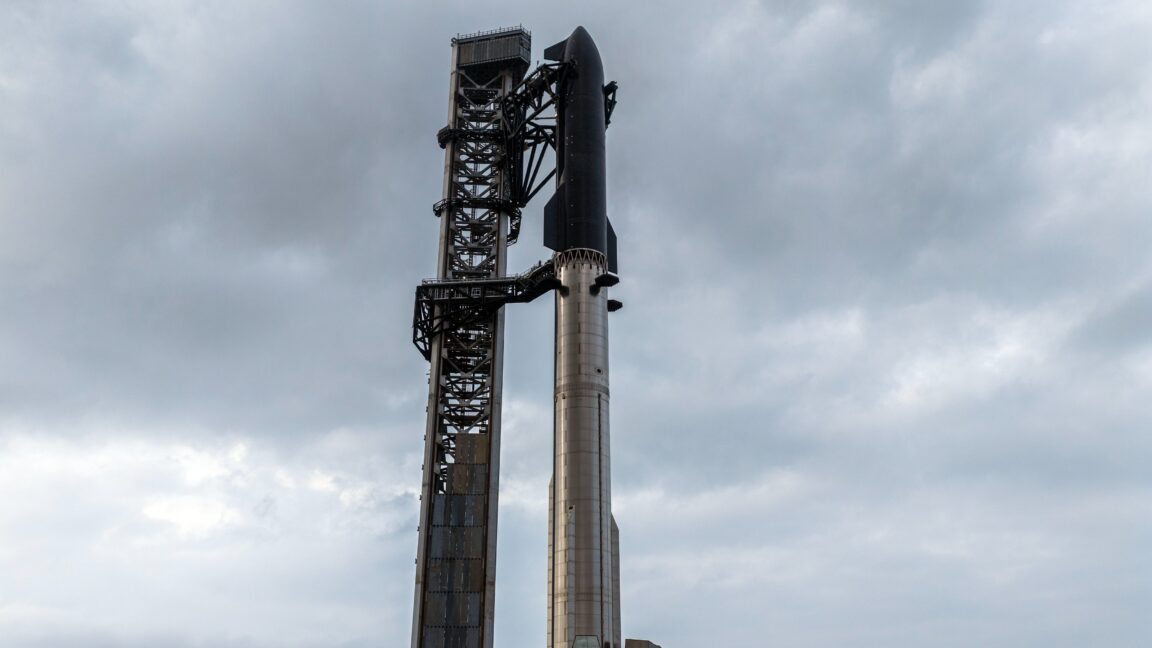
SpaceX Targets Orbital Flight for Starship Next Week

SpaceX has announced that its Starship rocket is ready for an orbital launch attempt, with the mission scheduled for next week. The orbital flight would represent a major milestone in the development of the world's largest and most powerful rocket. Starship has previously completed several high-altitude test flights, but an orbital attempt would push the vehicle significantly further. A successful mission would validate key technologies needed for SpaceX's long-term goals, including missions to the Moon and Mars.

0
TechnologyThe Verge ·

Kia Unveils PV7 Electric Van at IAA Transportation in Germany

Kia has revealed its new PV7 electric van at the IAA Transportation show in Germany, marking the automaker's latest entry in its growing electric van lineup. The South Korean company is among a handful of automakers currently producing fully electric vans. The unveiling comes as minivan sales in the US have risen 21 percent in 2025, signaling renewed consumer interest in the segment. Kia has been present in the US minivan market since 2021 with its Carnival model. The PV7 is the second electric van under Kia's platform-based van strategy.

0
TechnologyArs Technica ·

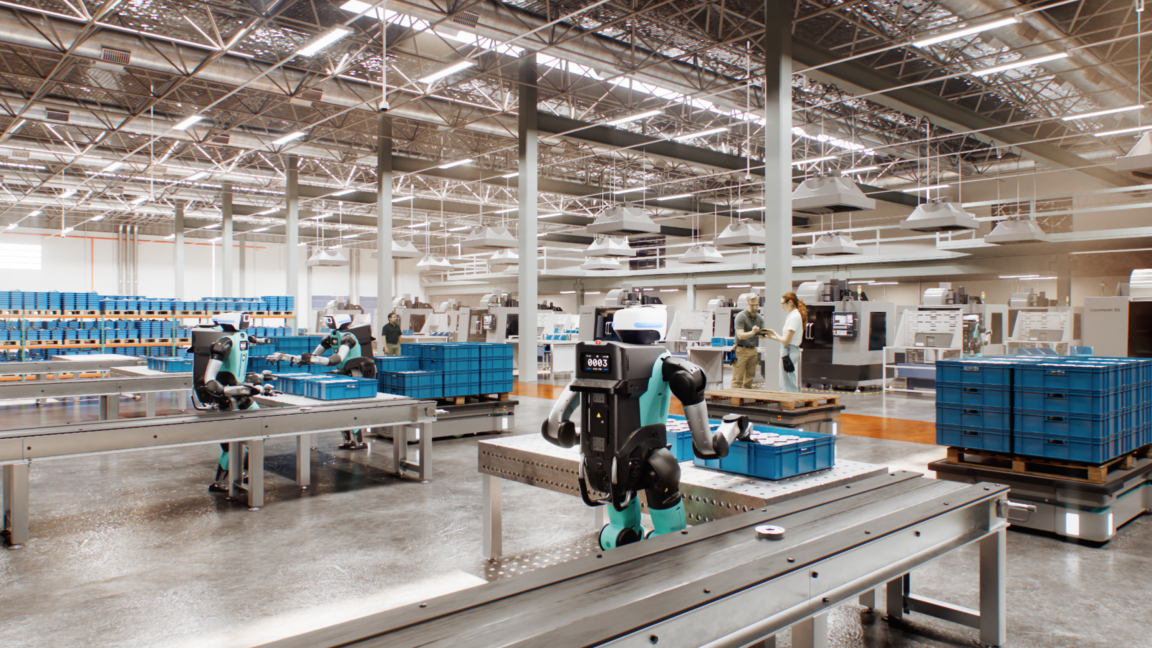
Agility Robotics' New Humanoid Can Stop and Squat to Protect Human Coworkers

Agility Robotics has developed a new humanoid robot designed to operate safely alongside human workers. The robot is equipped with behavior that causes it to stop and squat down to avoid harming nearby colleagues. This capability allows the robot to work outside physical cages and without traditional safety barriers. The development marks a shift in how industrial robots can be deployed in shared human workspaces.

← NewerPage 89 of 286Older →