Bitcoin $4.4 billion supply overhang emerges as institutional demand wilts
Your day-ahead look for June 30, 2026

Your day-ahead look for June 30, 2026

Bitcoin and Ether declined sharply, moving closer to critical support levels amid broad market weakness. Options traders increased spending on downside protection, signaling heightened concern about further losses. Decentralized finance tokens were among the worst performers during the selloff. However, not all assets followed the bearish trend, with XLM and LIT posting gains against the market direction.

Strategy (MSTR) has seen its share price fall approximately 41% during the month of June. The decline puts the company on track for its eleventh losing month out of the last twelve. The persistent drop is closely tied to continued weakness in bitcoin, in which Strategy holds significant exposure. The company, formerly known as MicroStrategy, has made bitcoin acquisition a core part of its corporate strategy. The latest losses underscore the volatility risks associated with its heavy cryptocurrency holdings.

The UK's Financial Conduct Authority has proposed reducing capital buffer requirements for stablecoin issuers, positioning Britain's regulatory framework as less stringent than the European Union's MiCA rules. The move follows the Bank of England's earlier decision to walk back its proposed limits on how much value in stablecoins an individual could hold. Together, these regulatory shifts signal a broader effort by UK authorities to adopt a more permissive stance toward stablecoins. The developments suggest the UK is deliberately differentiating its crypto regulatory approach from that of the EU as it seeks to attract digital asset businesses post-Brexit.

The U.S. Securities and Exchange Commission has won a $5.5 million default judgment against NanoBit, an alleged fraudulent cryptocurrency platform. Operators of the scheme built trust with victims through WhatsApp before diverting their funds. Rather than executing any legitimate crypto trades, the group transferred misappropriated user money into Hong Kong bank accounts. The default judgment was granted after the defendants failed to respond or appear in court proceedings.

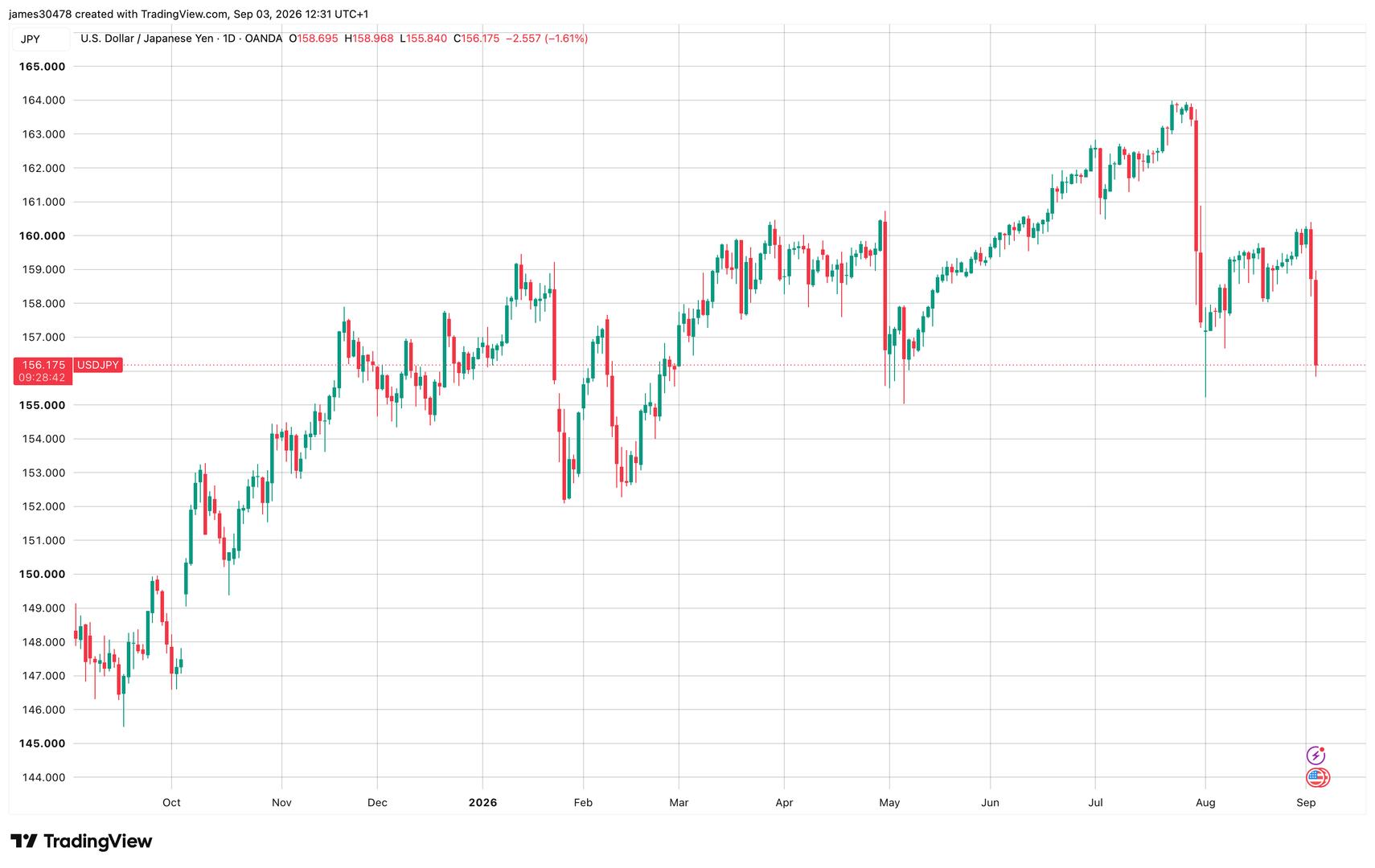
Bitcoin has developed an unusually strong negative 52-week correlation of -0.90 with the USD/JPY currency pair, according to CoinDesk. This means that as the dollar strengthened against the yen, Bitcoin's price tended to fall, and vice versa. The strength of this inverse relationship challenges the popular 'carry trade' theory, which had suggested Bitcoin moved in tandem with yen-funded risk trades. A correlation of -0.90 is considered exceptionally high in financial markets, indicating a near-mirror-image relationship between the two assets. Analysts are now reassessing how macroeconomic currency dynamics may be influencing Bitcoin's price movements.

BlackRock's Bitcoin ETF, IBIT, recorded a significant outflow of $300 million as investor appetite for Bitcoin appeared to weaken. Smaller competing funds managed to absorb a portion of the overall capital exit. The development signals a cooling of enthusiasm in the spot Bitcoin ETF market. Meanwhile, the same AI-driven investment trend that rattled South Korean markets a week ago has since reversed course, fueling a record quarterly rally there.

European cryptocurrency companies are increasingly relocating to Dubai as the EU's MiCA regulatory deadline approaches. The UAE city is drawing firms with its faster licensing processes and a dedicated crypto regulator. Dubai-based lawyer Irina Heaver notes that European founders are particularly attracted to the region's broader market access beyond Europe. The shift reflects growing concern among crypto businesses about the compliance burden and timeline pressures imposed by MiCA regulations.

XRP has managed to hold the $1 price level as key on-chain and derivatives metrics shift in its favor. Active addresses on the XRP network surged 72% over a two-week period, signaling growing user engagement. Meanwhile, open interest fell to its lowest point since July 2025, indicating that excess leverage has been flushed out of the market. Analysts suggest this combination of rising network activity and reduced speculative positioning gives traders a more stable foundation. However, XRP's price remains constrained below a key resistance level, keeping the broader outlook cautious.

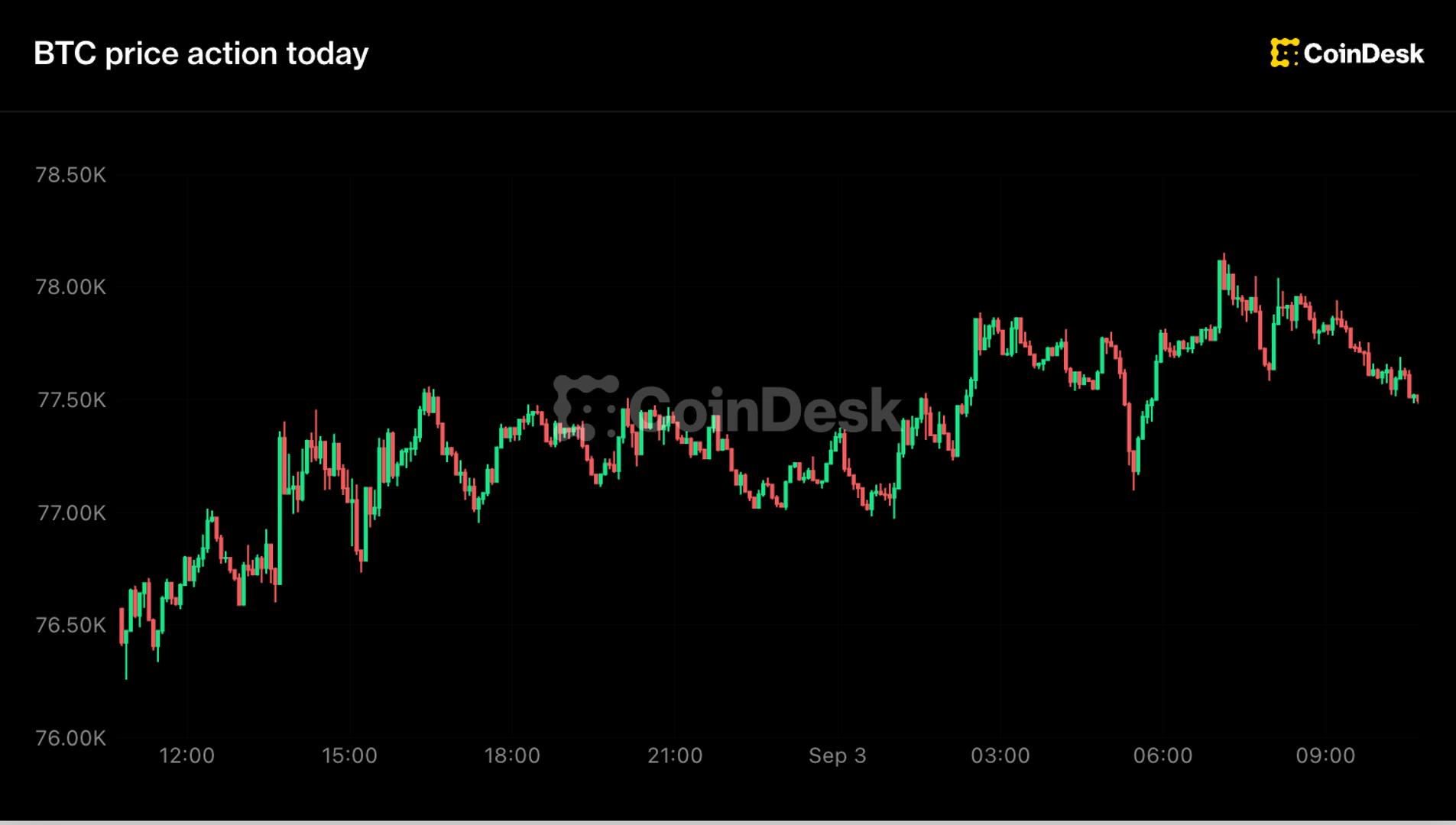
Major cryptocurrencies including Ether, Solana, and Dogecoin declined as Bitcoin struggled to hold above $60,000. A strengthening US dollar added broad pressure across the crypto market. On-chain activity remained subdued throughout the week, signaling weak investor demand. Business intelligence firm Strategy's announcement of a potential Bitcoin sell-off further dampened market sentiment.

Tether, the world's largest stablecoin, is currently trading at a 7% to 10% premium in India compared to its standard price. Executives from leading Indian crypto exchanges CoinDCX and CoinSwitch attribute the elevated price to a mismatch between supply and demand. Limited local liquidity in the Indian market is further contributing to the price gap. The platforms indicate this is a market-driven phenomenon rather than any structural or regulatory issue.

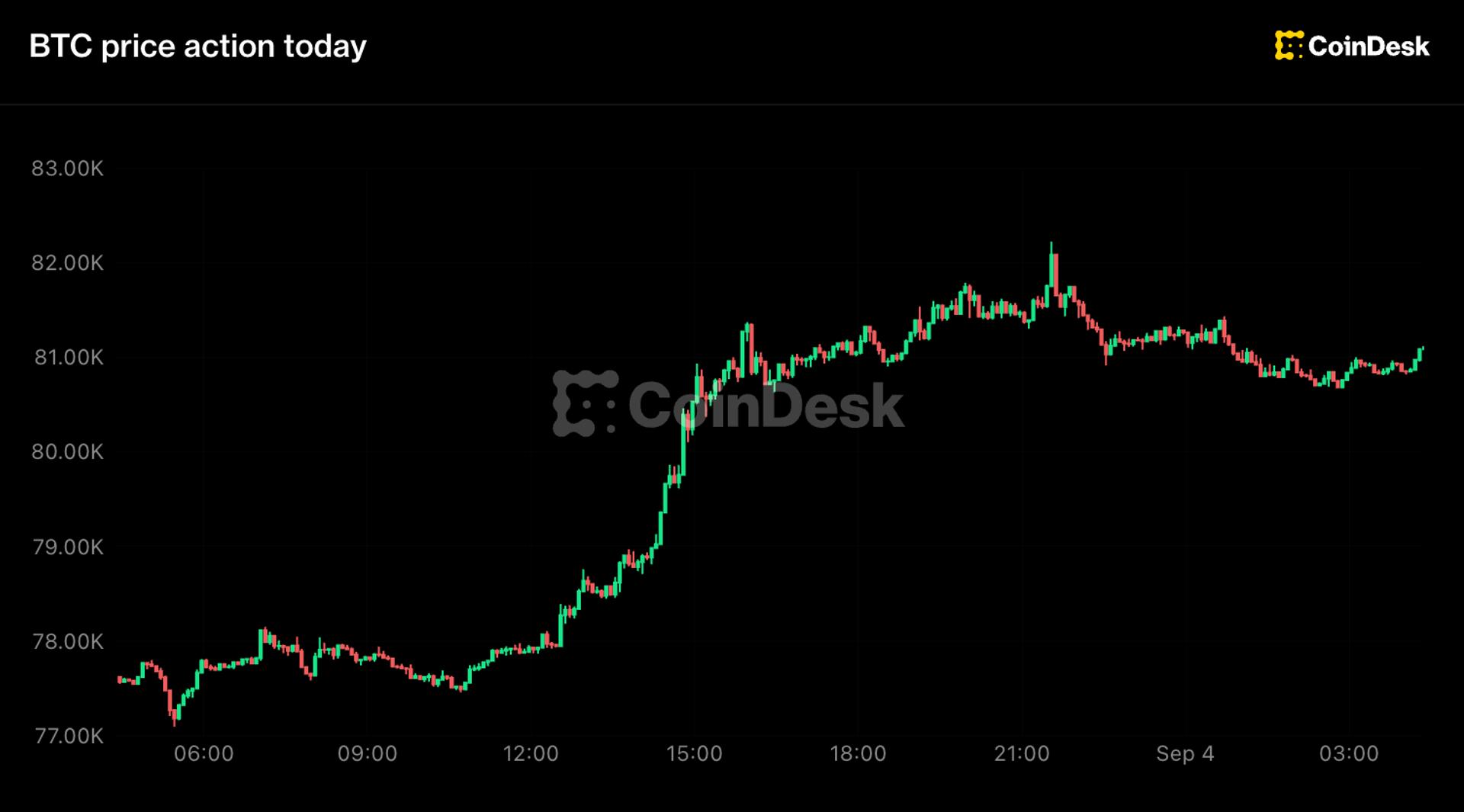
Bitcoin came under selling pressure during Asian trading hours as the Japanese yen weakened to its lowest level against the US dollar in four decades. The sharp decline in the yen pushed the dollar broadly higher, weighing on risk assets including cryptocurrencies. BTC slipped below the key $60,000 price level amid the currency market turbulence. The yen's historic weakness reflects deepening monetary policy divergence between Japan and the United States.

Securitize, a blockchain-based asset tokenization firm, is set to begin trading on the New York Stock Exchange on Thursday. The company received investor approval for its SPAC merger, clearing the final hurdle before its public listing. The debut marks a significant milestone, positioning Securitize as one of the first pure-play tokenization companies to trade publicly. The listing reflects growing institutional interest in real-world asset tokenization as a mainstream financial sector.

Silicon Valley Bank has stated that bitcoin lending is entering a new institutional phase following the 2022 crypto credit market collapse. The bank noted that the sector has rebuilt itself with significantly stronger risk management frameworks. Institutional participation in bitcoin lending is reportedly on the rise, signaling renewed confidence in the asset class. SVB also indicated that these developments could pave the way for lower borrowing costs for participants in the market.

JPMorgan has expressed support for proposed US cryptocurrency legislation currently being negotiated in the Senate. The bank is backing the Clarity Act, which aims to establish a clearer regulatory framework for digital assets. However, JPMorgan cautioned that regulatory clarity alone is not sufficient and must be accompanied by adequate risk protections. The bank urged Congress to pair any new crypto rules with safeguards to address potential risks within the digital asset space.

Private key vulnerabilities, rather than smart contract flaws, have been responsible for approximately 40% of the cryptocurrency industry's $16 billion in total hack losses. This highlights a significant security gap that goes beyond code-level exploits, pointing to how users and platforms manage cryptographic credentials. The crypto industry is reportedly making efforts to address this weakness, though progress remains uneven across different sectors. Wish Wu, co-founder and CEO of Pharos, noted that while solutions are emerging, adoption is not uniform throughout the space.

White House officials are set to hold discussions with law enforcement representatives regarding the Crypto Clarity Act. The meetings come in response to objections raised by law enforcement groups over specific provisions in the bill related to illicit finance. The talks reflect ongoing efforts by the administration to address concerns and build broader support for the legislation. The White House appears to be working to reconcile law enforcement's reservations with the bill's broader goal of providing regulatory clarity for the crypto industry.

J.P. Morgan has expanded its Kinexys blockchain-based settlement network by incorporating five Asia-Pacific currencies. The move enables institutional clients to settle payments and foreign exchange transactions at any time of day. The expansion reflects a broader push by major banks to modernize cross-border payment infrastructure using distributed ledger technology. By offering round-the-clock settlement, Kinexys aims to reduce the time and friction typically associated with traditional international transactions.

Crypto analytics firm Chainalysis has put forward a proposed ontology aimed at standardizing how blockchain investigations are conducted. The framework focuses on helping investigators identify and link clusters of cryptocurrency addresses. The proposal seeks to bring consistency to the methods used in tracing on-chain activity across the industry. By establishing common standards, Chainalysis hopes to improve the reliability and comparability of blockchain forensic work.

The European Union's Markets in Crypto-Assets (MiCA) regulation is set to take full effect on July 1, potentially forcing up to 10 million crypto users to switch platforms. Non-compliant exchanges and crypto services operating in the EU risk losing their ability to serve customers once the deadline passes. SwissBorg executive Alex Fazel warned users in an interview with CoinDesk that the regulatory shift will significantly reshape the EU crypto landscape. He advised users to migrate to platforms that have been built to meet MiCA's compliance requirements ahead of the cutoff date.