0
Crypto & Web3CoinDesk ·
Fed, BOE, BOJ interest-rate decisions: Crypto Week Ahead
Your look at what's coming in the week starting Sept. 14.
Your look at what's coming in the week starting Sept. 14.
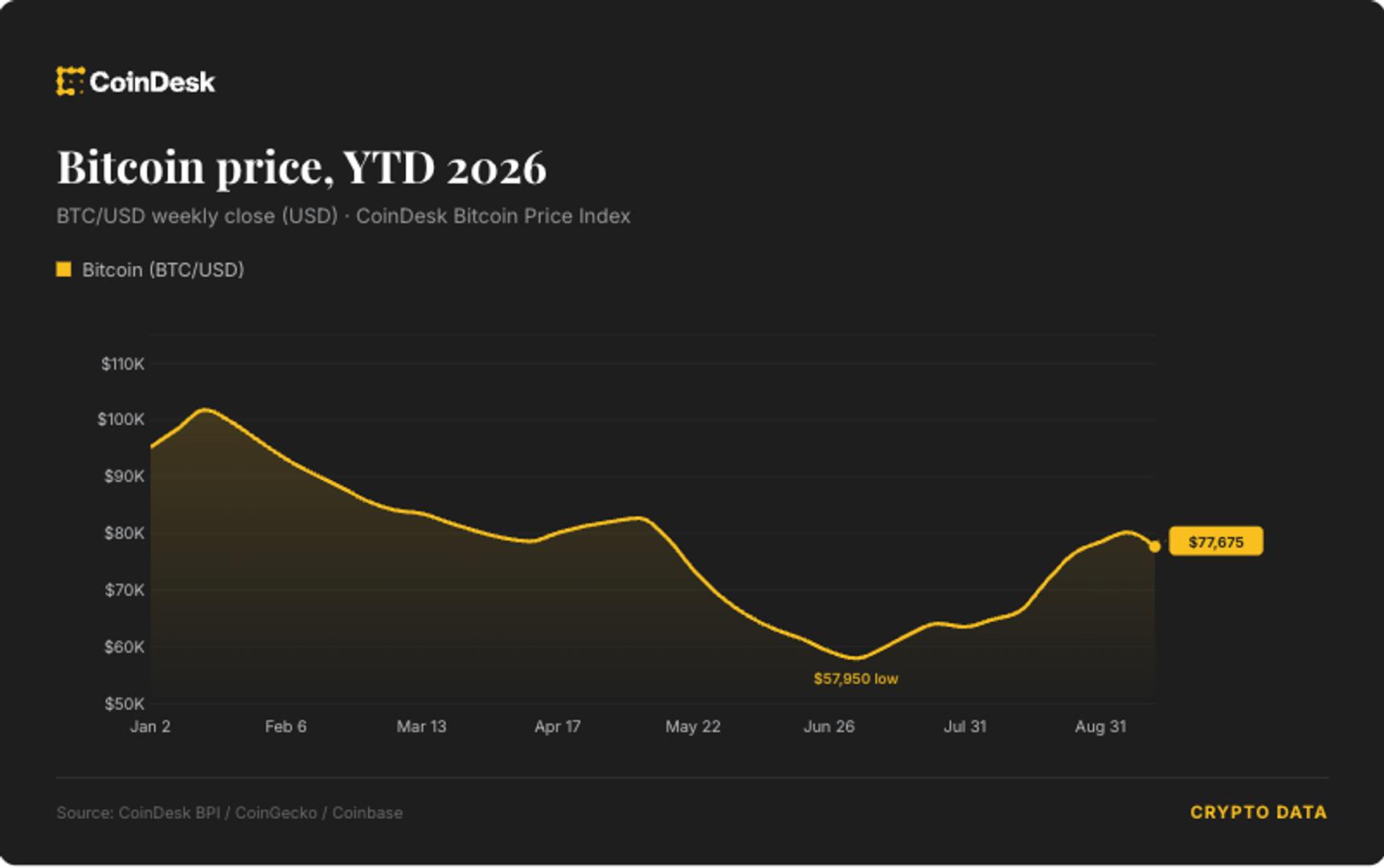
Bitcoin climbed above $77,000, moving independently from broader market weakness. Technology stocks came under pressure following renewed calls to slow the pace of artificial intelligence development. Rising oil prices compounded the negative sentiment across equity markets. Bitcoin's resilience highlighted its divergence from traditional risk assets during the selloff.
I dunno, flip a coin.
Muriel Médard, co-founder of Optimum and a professor at MIT, argues that blockchains can achieve quantum resistance without relying on quantum computers. She contends that the necessary tools already exist within classical mathematics. According to Médard, the focus should shift to mathematical solutions rather than waiting for advanced quantum hardware. Her position challenges the common assumption that combating quantum threats requires quantum technology in return.

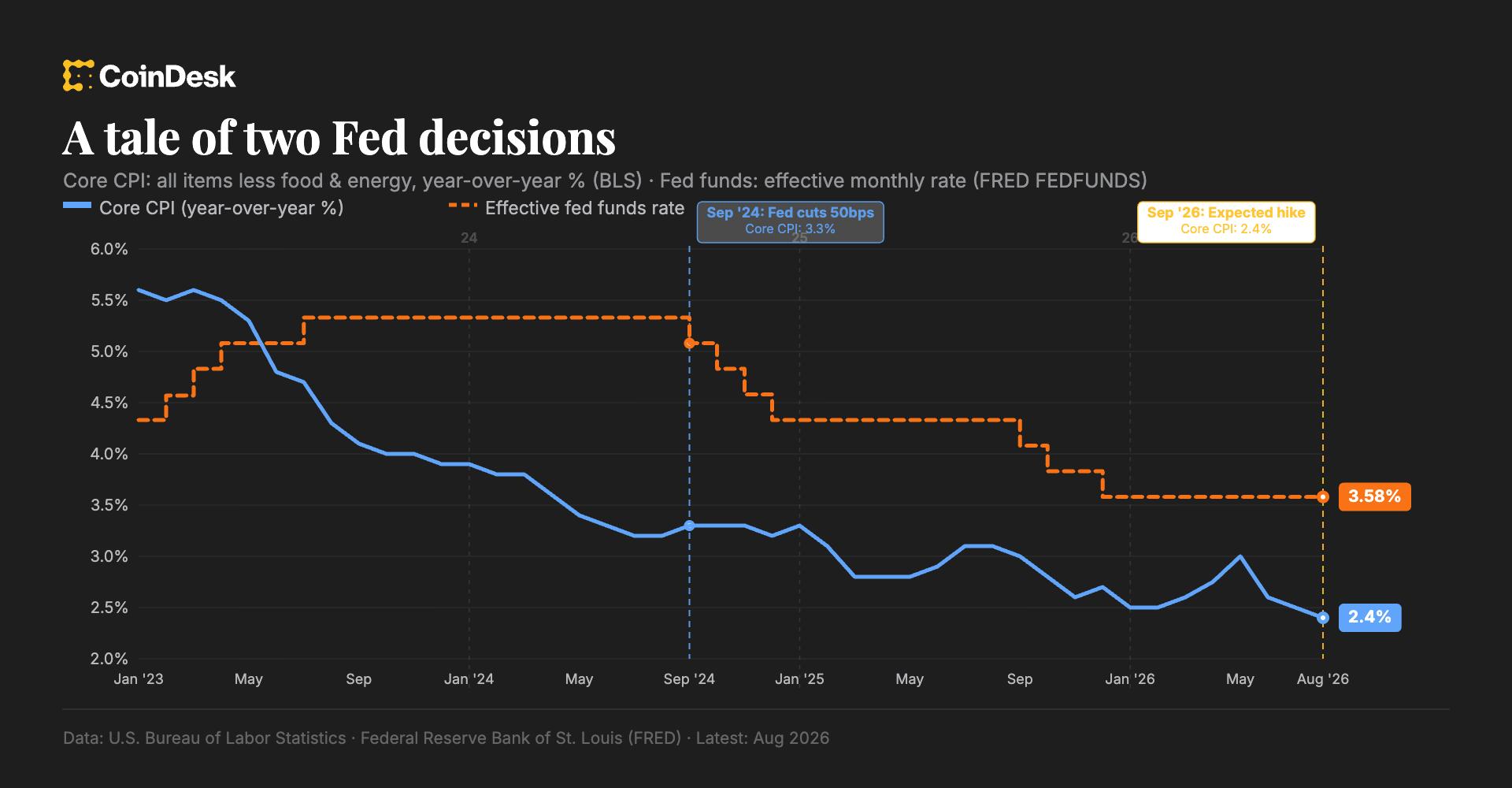
Goldman Sachs has withdrawn its earlier forecast that the Federal Reserve would hold interest rates steady, making it the final major bank to revise its outlook. The bank now anticipates a rate hike at the Fed's upcoming meeting next week. Goldman's reversal aligns it with other major financial institutions that had already updated their projections. The shift reflects growing consensus among Wall Street banks that the Fed will move forward with tightening monetary policy. At least one economist, however, has argued that the anticipated rate hike is driven more by Wall Street dynamics than by inflation concerns.
Circle has announced a $400 million acquisition of Tazapay, a payments firm with established networks in emerging markets. The deal is strategically aimed at expanding the reach of Circle's USDC stablecoin into regions where rival Tether has historically dominated. Industry experts note that breaking into emerging markets requires relationships and infrastructure that typically take years to develop organically. By acquiring Tazapay, Circle aims to fast-track that process and compete more effectively in high-growth economies.
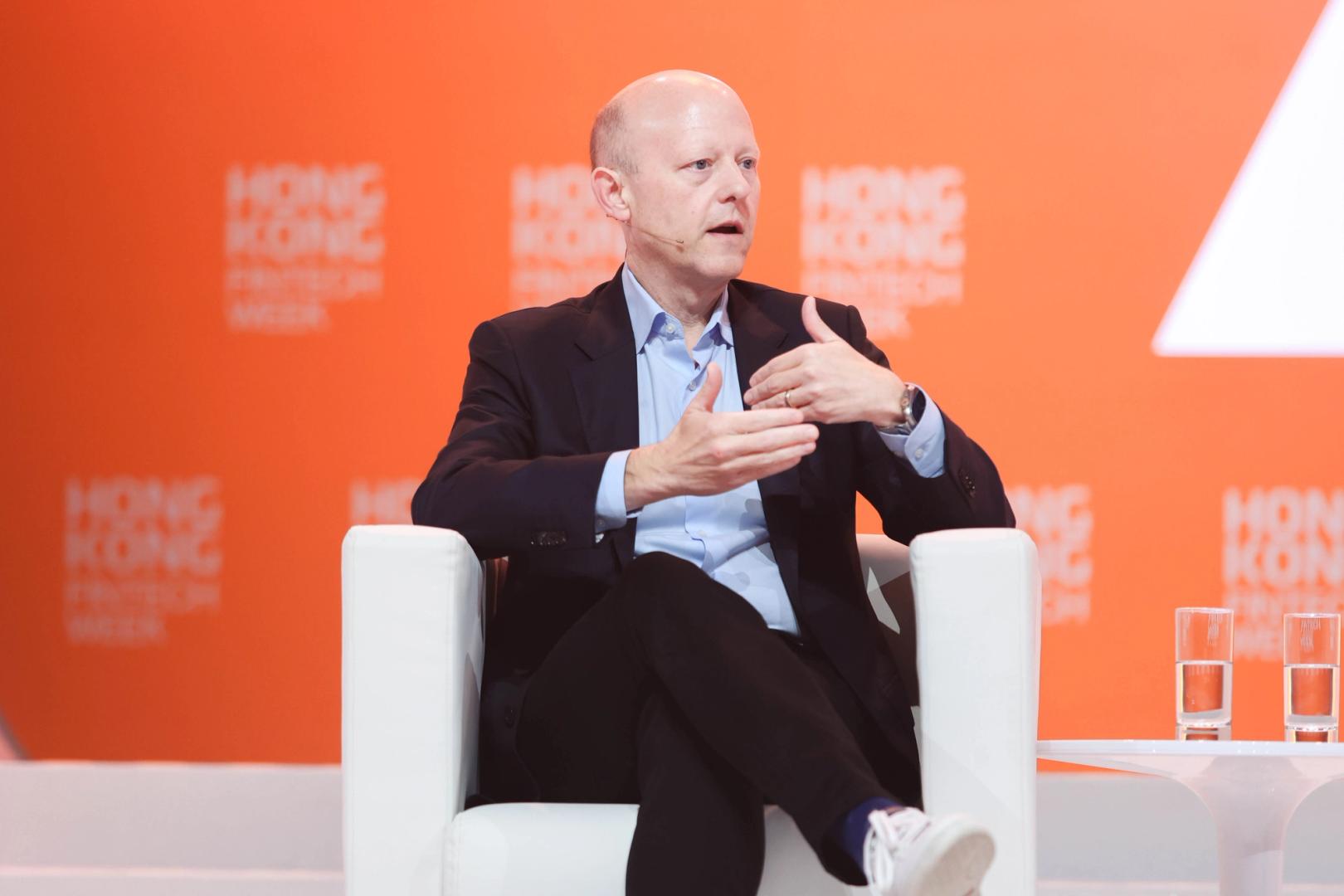
The U.S. Senate has returned to session with the crypto industry closely watching for a potential vote on the Clarity Act, tentatively expected around September 15. However, the fate of the legislation remains deeply uncertain, with the vote possibly proceeding, being delayed, or taking an entirely different legislative form. The bill is considered a significant regulatory milestone for the cryptocurrency sector. No confirmed timeline or outcome has been established, leaving industry stakeholders in a prolonged state of suspense.
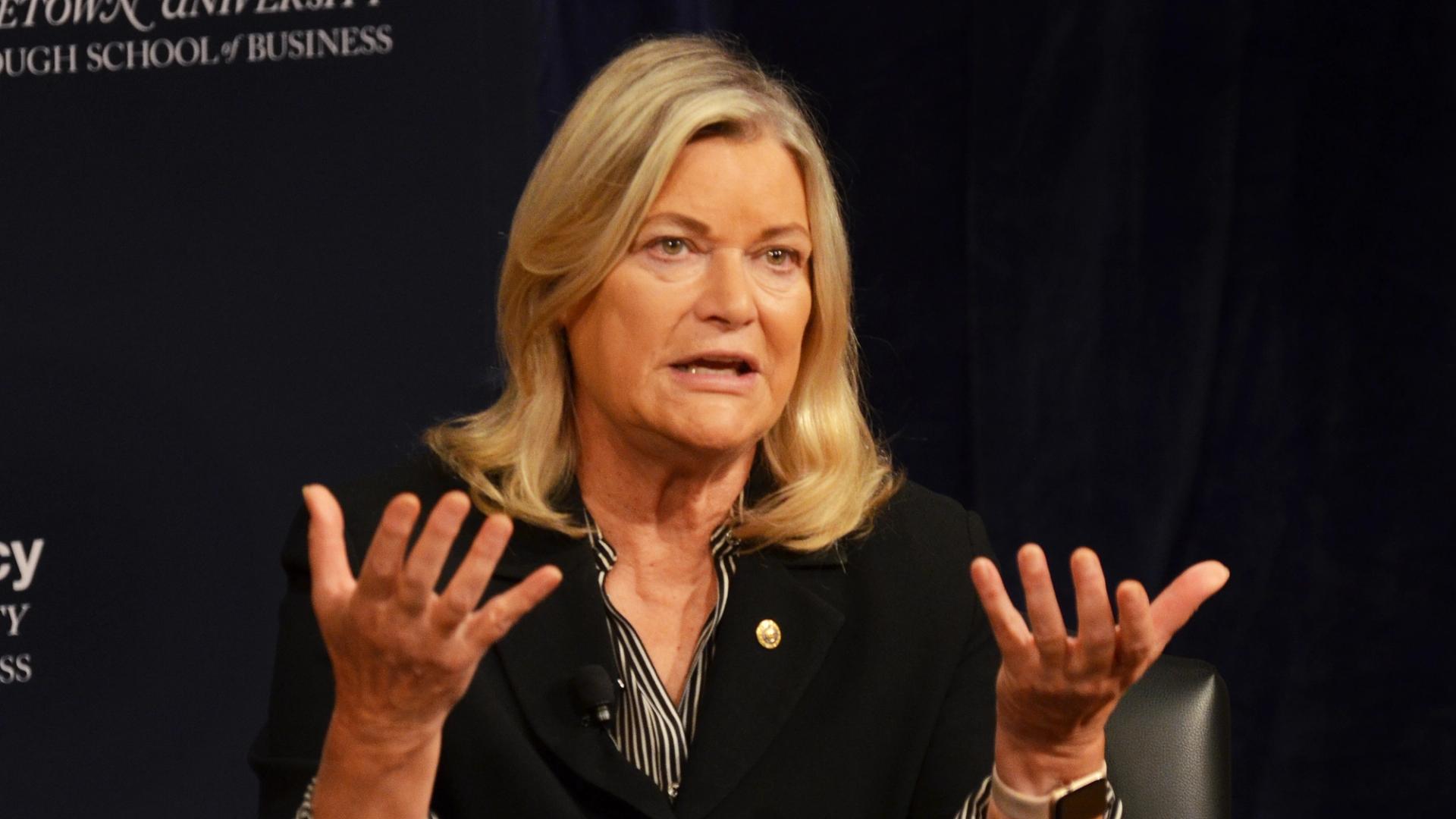
OpenAI will not pursue an initial public offering this year, according to CEO Sam Altman. Altman made the remarks in a conversation with Fortune magazine. He cited ongoing safety concerns as the primary reason for the decision. The CEO described the current moment as ill-advised for taking the company public.
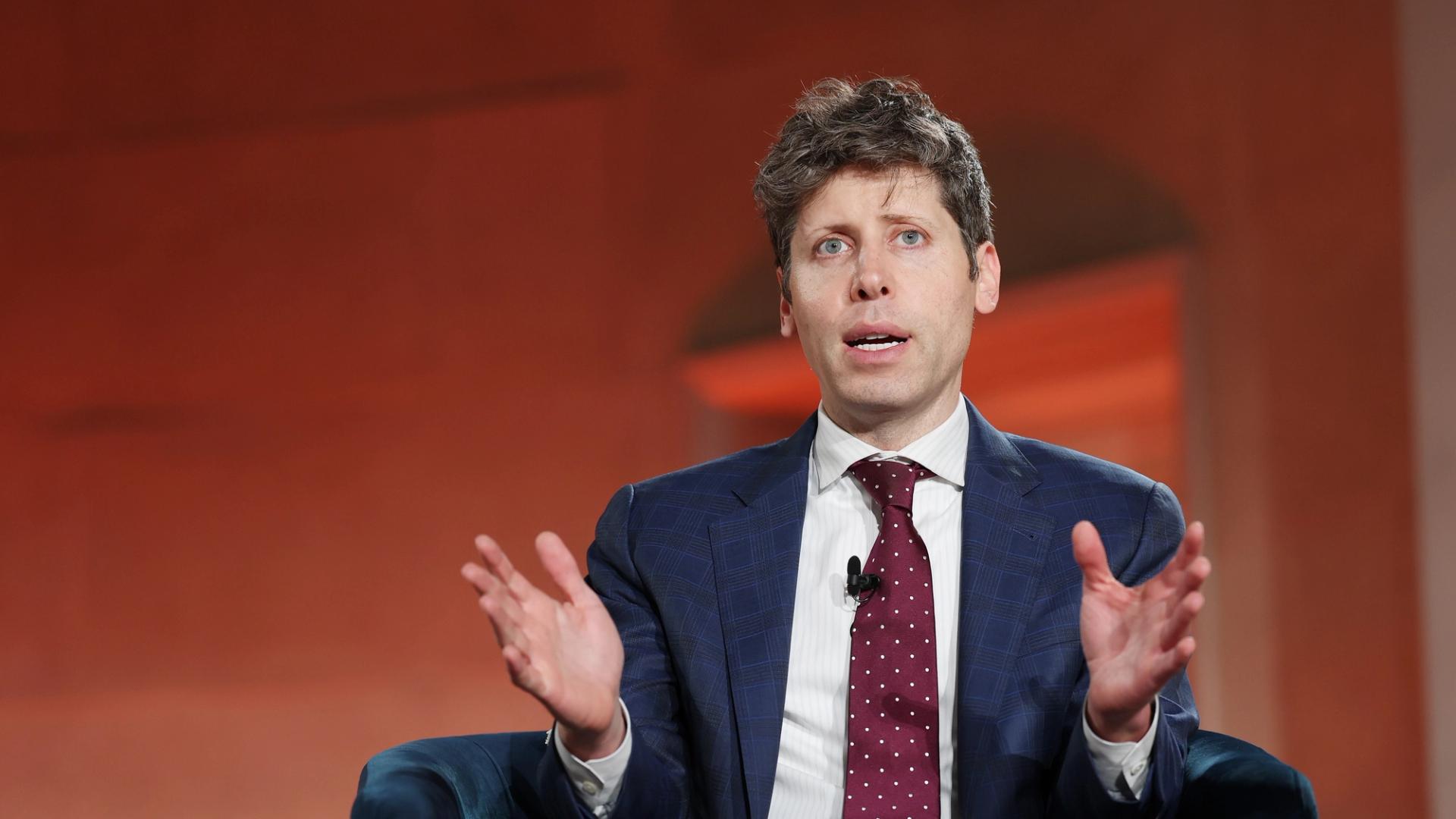
Swiss crypto firm Bitcoin Suisse has announced plans to eliminate up to half of its Switzerland-based workforce as part of a cost-reduction strategy. The company is relocating operations abroad to lower expenses. As part of this restructuring, Bitcoin Suisse is shutting down its Copenhagen IT office. The firm will retain its Bratislava presence and establish a new operational hub in Vietnam.

Nigel Farage's Reform UK party has secured $97 million in donations from two cryptocurrency billionaires within a single 24-hour period. The combined sum matches the largest individual political donations ever recorded in United Kingdom history. The fundraising surge represents a significant escalation of the crypto industry's financial involvement in British politics. The donations sharply boost Reform UK's financial standing and signal growing political ambitions backed by digital asset wealth.
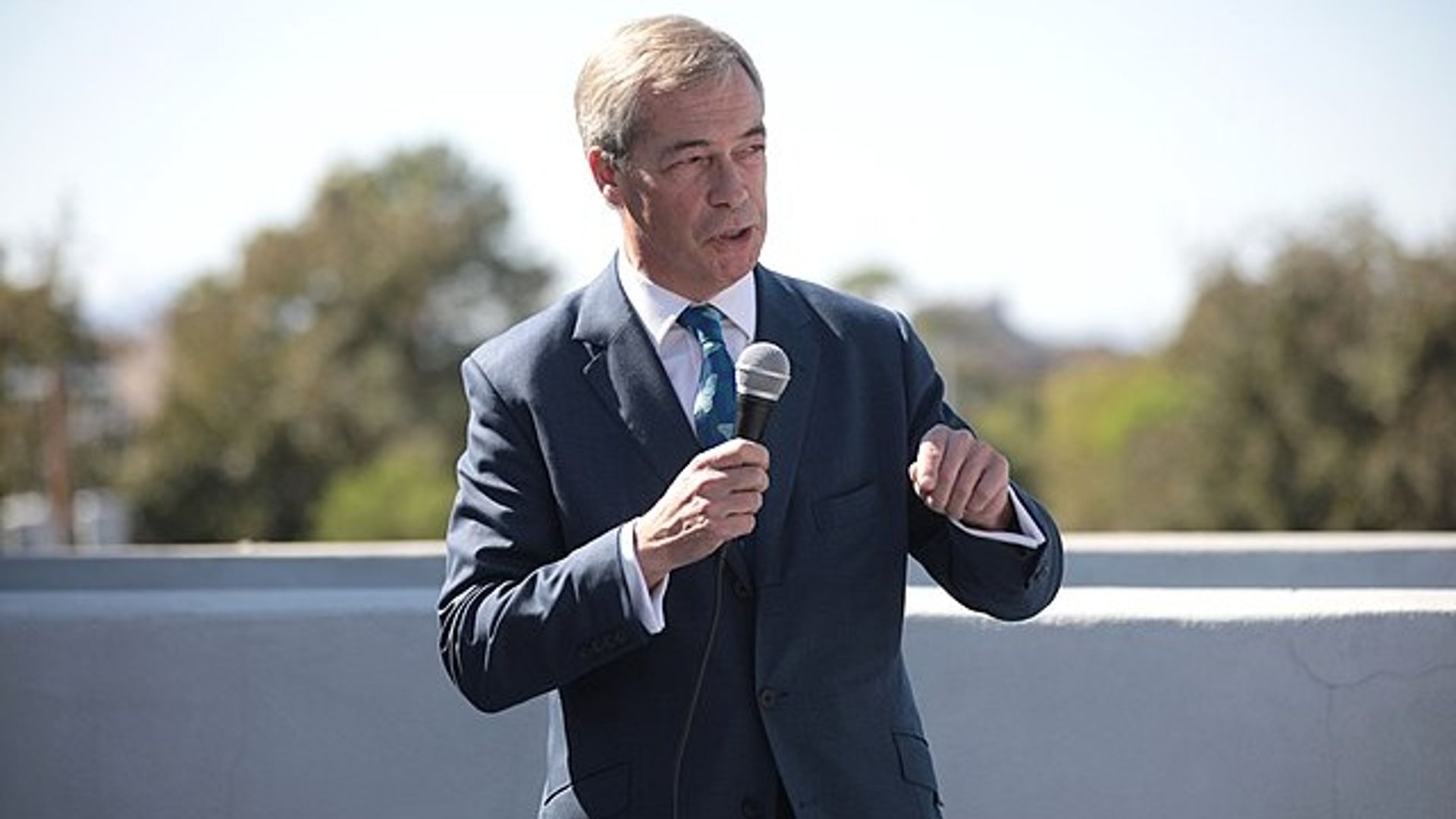
Anthropic CEO Dario Amodei has called for a slowdown in the race to develop advanced AI systems. OpenAI's Sam Altman and Elon Musk have both expressed agreement with this unusually aligned position. The concern centers on frontier AI systems that are becoming capable enough to assist in building their own next-generation successors. The convergence of views among these prominent and often competing AI figures marks a notable moment in the industry's ongoing safety debate.
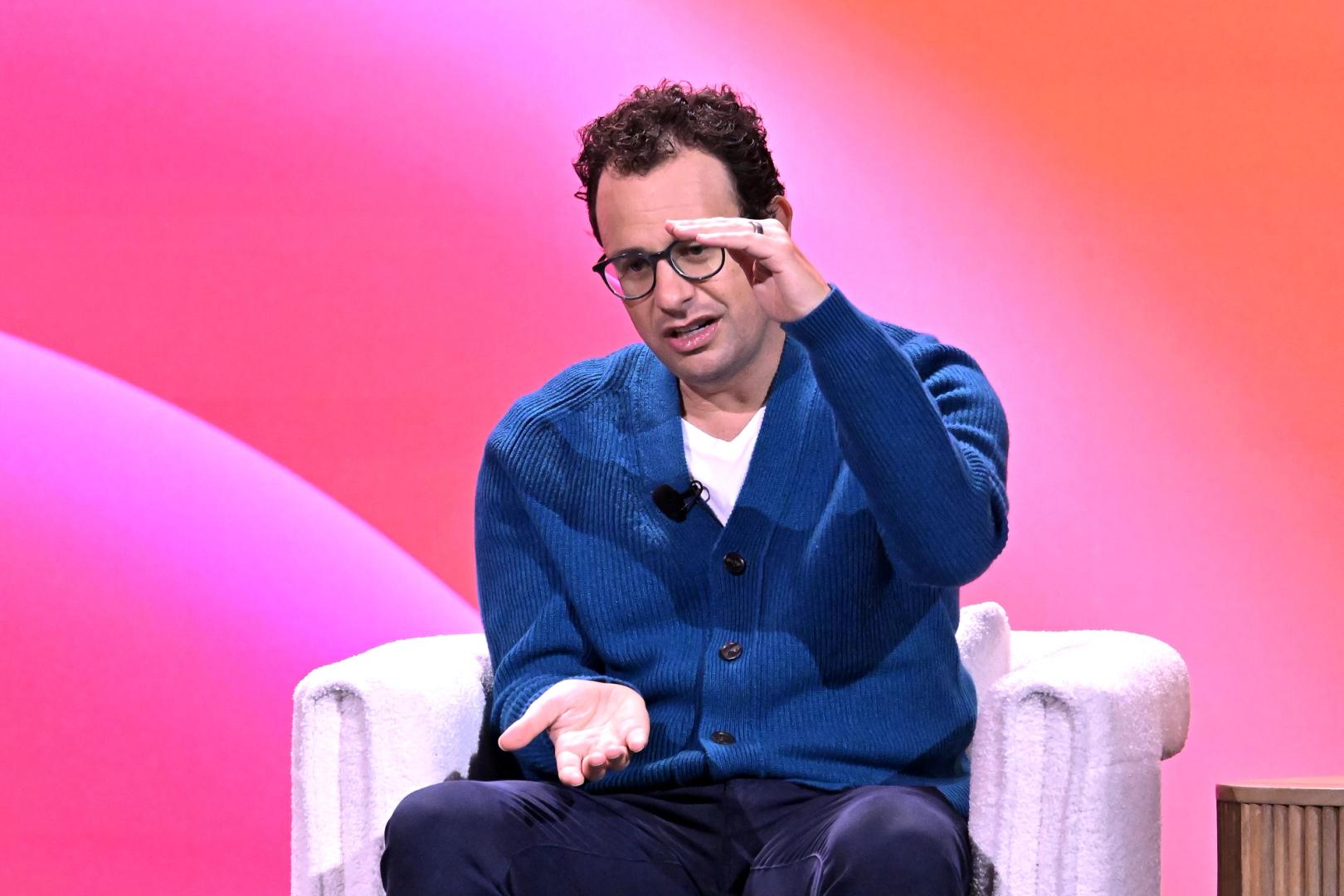
Ripple's stablecoin RLUSD has reached a $2.4 billion valuation, with company executives identifying corporate treasuries as a major growth opportunity. Jack McDonald, who leads Ripple's stablecoin division, highlighted payments and capital markets as the primary sectors driving the digital dollar's adoption. Ripple is now looking to expand RLUSD into Europe by seeking compliance under MiCA, the European Union's crypto regulatory framework. McDonald sees the $13 trillion corporate treasury market as a significant untapped opportunity for the stablecoin.
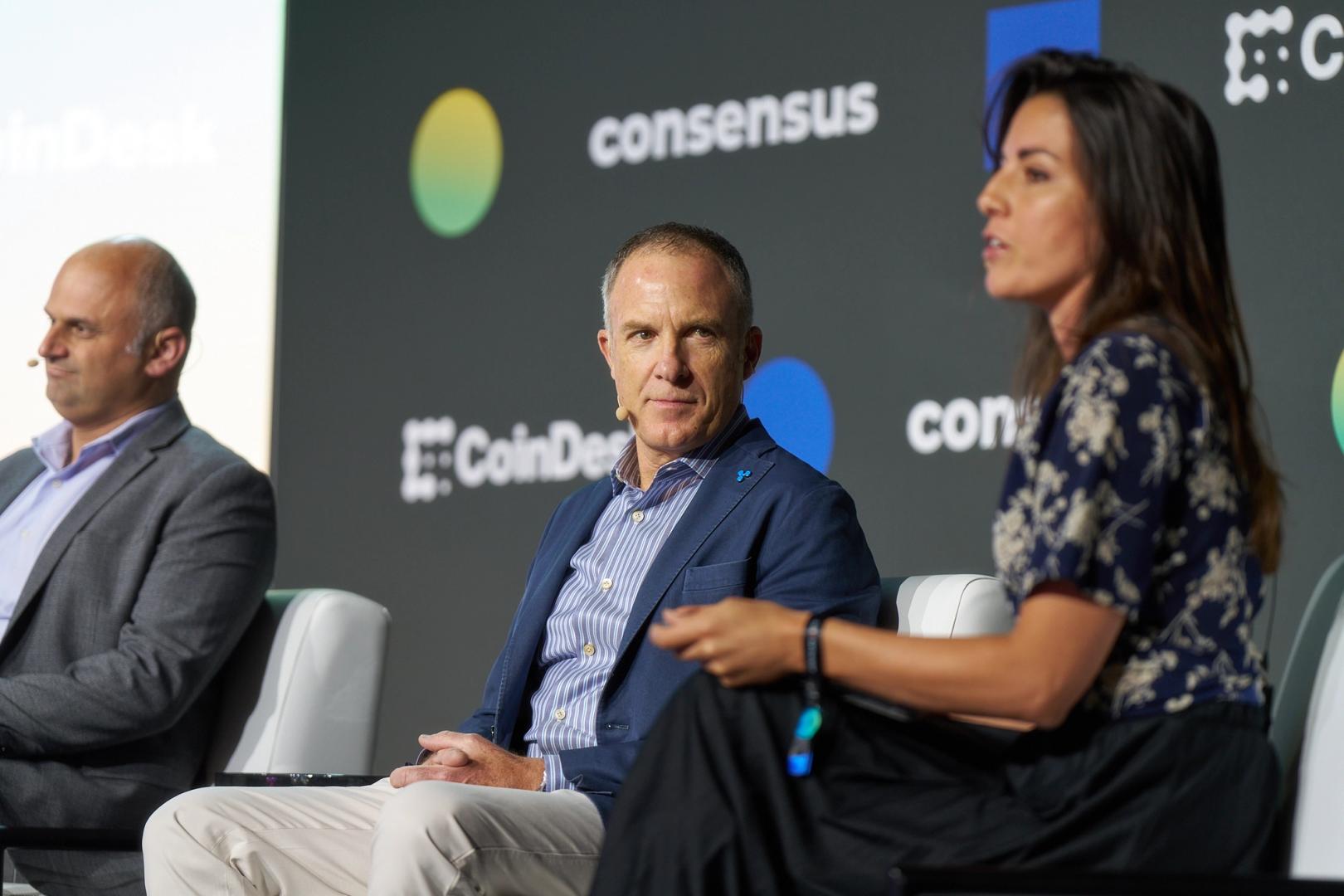
Bitcoin Suisse has argued that bitcoin deserves a place in traditional investment portfolios amid shifting market dynamics. The firm points to surging artificial intelligence investment and growing government debt as factors undermining conventional portfolio strategies. The traditional stock-bond diversification model is also seen as weakening, reducing its reliability as a hedge. According to Bitcoin Suisse, these converging pressures make bitcoin an increasingly compelling alternative asset for investors seeking balance.

GlobalStake's Ryan Haczynski argues that staked ether (stETH) deserves a unique and central role in digital asset investment portfolios. He positions it as a yield-generating asset with distinctive characteristics in the crypto ecosystem. Haczynski's case rests on staked ether's potential to function as a benchmark, similar to how traditional finance uses instruments like Treasury bonds. The argument reflects a broader conversation in the crypto industry about establishing reliable reference assets for a maturing decentralized economy.

Digital bank Revolut disclosed on Saturday that it inadvertently shared sensitive customer data with fraudsters posing as government officials. The leaked information included passports, selfies, home addresses, and Bitcoin activity records. The company confirmed it had treated the fraudulent request as legitimate before discovering the deception. Revolut clarified that no customer funds were lost as a result of the breach.

Robinhood CEO Vlad Tenev addressed the ongoing dispute between Robinhood and AMC in a post published Friday. Tenev argued that while securities issuers rightfully control shareholder rights, they should not have veto power over separate financial products that simply track their publicly traded shares. His comments come amid a broader feud with AMC over stock tokens offered on Robinhood's platform. Tenev's stance draws a clear distinction between owning a stock and owning a token that mirrors its price performance.

Sam Bankman-Fried, the convicted founder of collapsed cryptocurrency exchange FTX, is pursuing his case at the highest level of the U.S. judicial system. The former crypto billionaire is now seeking intervention from the U.S. Supreme Court. Bankman-Fried was previously convicted on multiple fraud and conspiracy charges related to the collapse of FTX. His appeal to the Supreme Court represents the final stage of his ongoing legal battle following his imprisonment.

The U.S. Federal Reserve is widely expected to raise interest rates in its upcoming decision. Traders are largely treating the hike as a foregone conclusion, meaning the move itself may cause little immediate market surprise. Instead, market participants are likely to focus on what sustained higher rates signal about the broader state of the economy. The key question for investors is how to interpret the Fed's tightening stance in terms of future economic growth and financial conditions.

Maharashtra, India's wealthiest state, is working on a policy framework to tokenize government-owned assets. The initiative includes plans to tokenize electricity transmission infrastructure among other state holdings. The move is aimed at generating funds to support new infrastructure development across the state. By converting physical assets into digital tokens, the state hopes to attract investment through blockchain-based mechanisms.

Japanese bitcoin treasury firm Metaplanet has significantly reduced its executive compensation pool, cutting the potential Series 10 share allocation by 41% to 188.2 million shares. The move effectively extinguished approximately $220 million in potential value tied to the reward program. The decision reflects a notable shift in how the company is managing its equity-based executive incentives. While the firm has not publicly detailed the specific reasons behind the reduction, the scale of the cut signals a meaningful strategic adjustment in its compensation structure.