SShortSingh.
Back to feed

Zooniverse Hits 1 Billion Volunteer Classifications in Citizen Science Milestone

0
·1 views

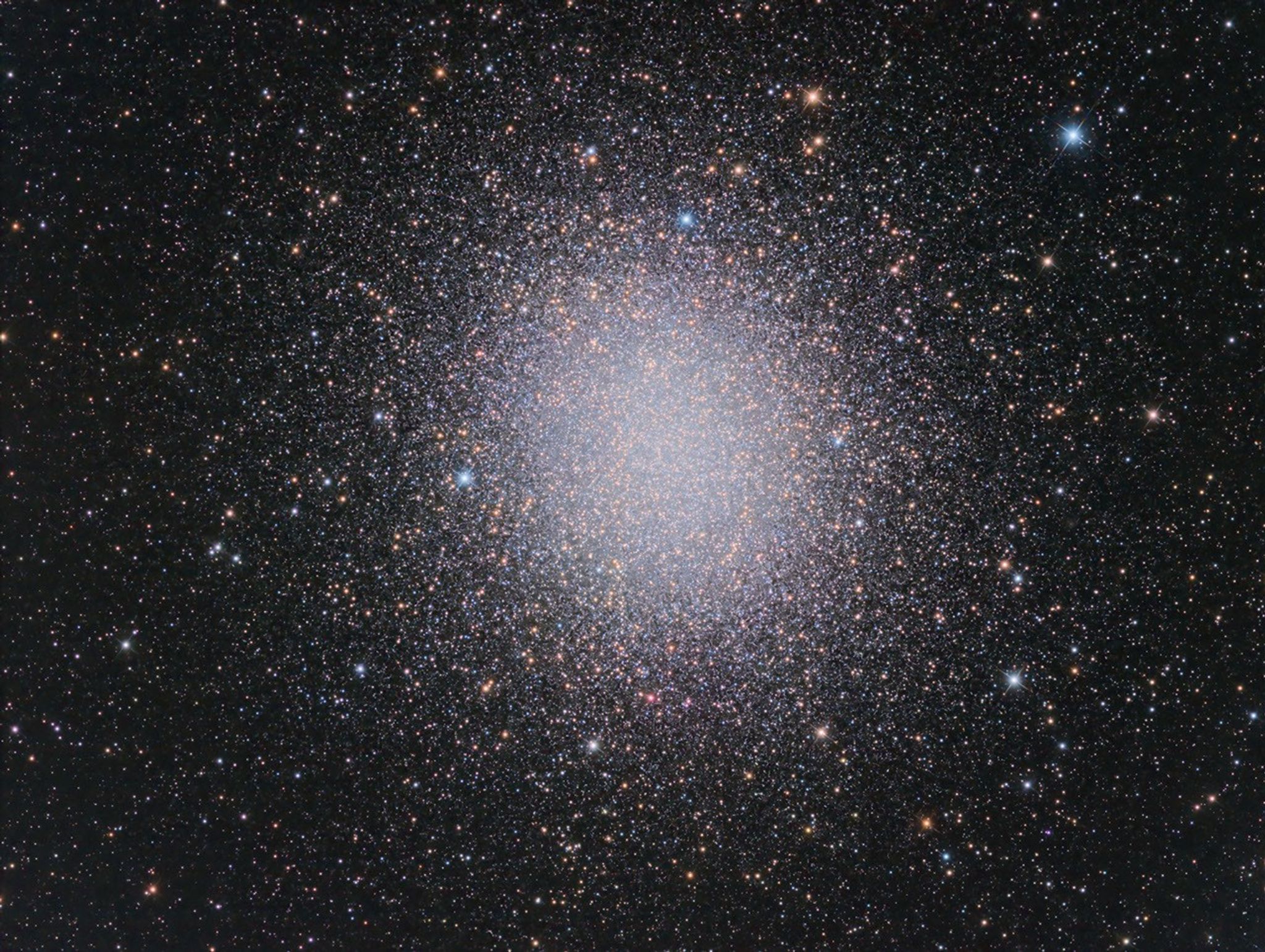
Zooniverse, the world's largest online citizen science platform and a NASA grantee, has reached a landmark milestone of 1 billion classifications contributed by volunteers globally. The achievement reflects years of collective effort from participants who have helped analyze scientific data such as light curves and moving celestial objects. Volunteers from around the world contributed to a wide range of research tasks hosted on the platform. The milestone underscores the growing role of public participation in advancing scientific discovery at scale.

Read the full story at NASA

This is an AI-generated summary. ShortSingh links to the original source for the complete article.
Discussion (0)

Log in to join the discussion and vote.

Log in

Related stories

0
SpaceNASA ·

NASA Announces 2025 Early Career Faculty Awards in Space Tech Research

NASA has selected early career faculty members for its 2025 Early Career Faculty (ECF) awards program. The recognized research projects focus on advancing key space exploration technologies. Selected topics include developing advanced diagnostics for high-enthalpy test facilities used to simulate spacecraft atmospheric entry conditions. Another awarded project involves applying machine learning methods to enable autonomous onboard guidance, navigation, and control for spacecraft. The program aims to support promising academic researchers working on innovations critical to future NASA missions.

0
SpaceNASA ·

NASA Photographer Shoots Stunning Aerial Images of Washington from F-18

NASA flight photographer Jim Ross, based at Armstrong Flight Research Center in Edwards, California, captured a series of aerial images over Washington from aboard an F-18 aircraft. The photographs offer a rare bird's-eye perspective that few people ever get to experience firsthand. Ross's work is part of NASA's broader effort to visually document its flight research missions in action. These images serve a dual purpose: recording key agency research and giving the general public a behind-the-scenes look at NASA's operations.

0
SpaceNASA ·

ISS Captures Waxing Gibbous Moon Over Indian Ocean

NASA released an image of the waxing gibbous Moon taken from the International Space Station on June 26, 2026. The station was orbiting approximately 264 miles above the Indian Ocean, southeast of Madagascar, when the photo was captured. The image shows the Moon set against the darkness of space. The waxing gibbous phase is the lunar stage that immediately precedes the full moon, during which the Moon appears increasingly bright.

0
SpaceNASA ·

NISAR Satellite Maps Ground Shifts From Venezuela's June 2026 Earthquakes

A series of earthquakes struck Venezuela in June 2026, causing notable ground displacement in affected regions. NASA's NISAR satellite captured radar data revealing the extent of surface shifts caused by the tremors. The coastal city of La Guaira and surrounding areas were among the most visibly impacted zones. The satellite imagery provides scientists with precise measurements of how much the ground moved during the seismic events.